Best for Preset EQ profile quality
Sennheiser Momentum True Wireless 4 Earbuds
4.5 feature score
Highest scored product for this feature based on supporting review evidence.
Highest scored product for this feature based on supporting review evidence.
Balances feature score, supporting reviews, and overall product strength.
Has the broadest review evidence for this feature.
Strongest overall product among items with scored evidence for this feature.
Showing Earbud Headphones only. Switch back to all Headphones & Earbuds anytime.
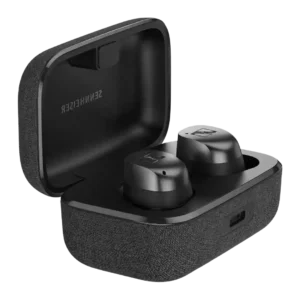
Sound Personalization and presets are often highlighted as genuinely useful, helping users correct tonal preferences and automate settings via Sound Zones. Results depend on user patience and ear fit, but...
Pros: Codec support, aptX
Cons: Spatial audio, Find My
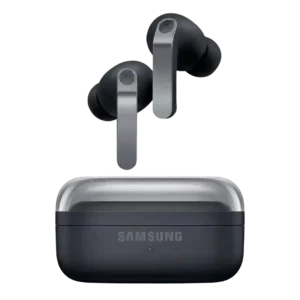
Preset EQ options are generally well received, especially the Dynamic-style tuning, though they are not a full substitute for manual tweaking if you dislike the default balance.
Pros: Comfort during long use, Water/sweat resistance rating
Cons: Multipoint connectivity reliability, Audio-video sync accuracy
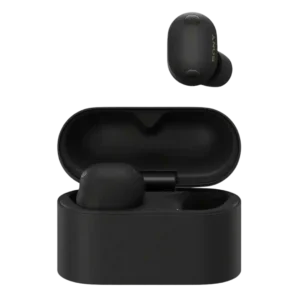
Preset profiles and EQ wizards are described as useful starting points, with soft/clear/heavy-style options commonly referenced. Most power users still prefer manual tuning, but the presets are considered above average.
Pros: USB-C, LDAC
Cons: None
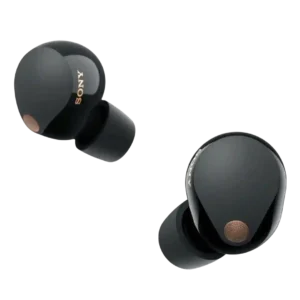
Guided presets like Find Your Equalizer/Your Equalizer are considered helpful for quickly landing on a preferred tuning without deep audio knowledge.
Pros: LDAC, Weight comfort
Cons: aptX, Replaceable battery
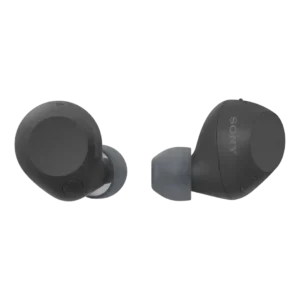
One review specifically praises the Excited preset as a strong option for punchier bass.
Pros: Weight comfort, Value for money
Cons: aptX, LDAC
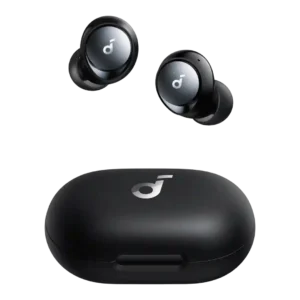
Preset EQ profiles are plentiful and generally useful, giving workable options for music genres and spoken word; most reviewers still recommend light personalization for best results.
Pros: USB-C, Charging
Cons: aptX, Sensors
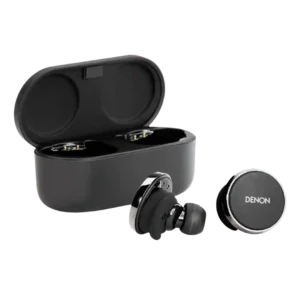
Personalized AAT profiles can produce dramatic, often positive changes, but results vary by listener and tips; some profiles trade a sense of spaciousness for extra punch or focus.
Pros: aptX, USB-C
Cons: LDAC, Noise cancellation adjustability
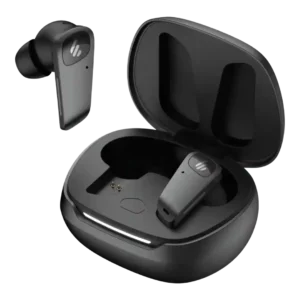
Presets such as Dynamic or Electrostatic are often useful, with reviewers finding modes that better suit their tastes.
Pros: Bluetooth, Codec support
Cons: Spatial audio, Soundstage depth
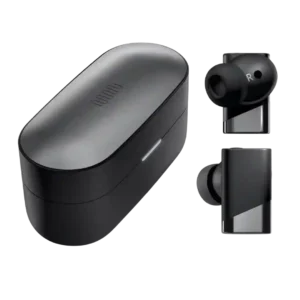
Preset EQs provide meaningful variety, but naming can be confusing and some presets (especially brighter ones) may not suit everyone.
Pros: Codec support, Sound quality
Cons: aptX, Noise cancellation adjustability
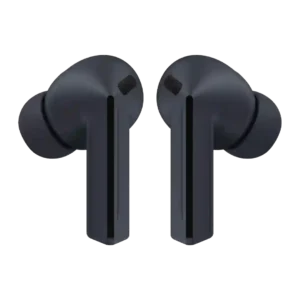
Preset EQ profiles are generally seen as useful and well-implemented, with several reviewers preferring specific presets (for example, Dynamic) for a more engaging sound.
Pros: Volume output, Noise isolation (passive)
Cons: Multipoint connectivity reliability, aptX

Preset EQ options are generally useful (balanced, bass boosts, vocal focus), though they are not as extensive as some competitors.
Pros: Android compatibility, Portability/foldability
Cons: aptX, LDAC
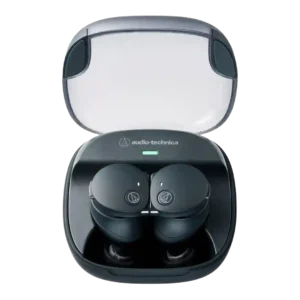
Preset EQ modes (such as Bass Boost and Clear Vocal) are frequently cited as helpful and can meaningfully change the listening profile.
Pros: Battery, USB-C
Cons: Sensors, Voice assistant integration
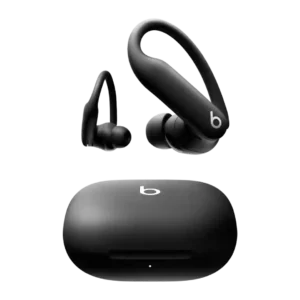
Adaptive EQ and mode-dependent tuning help keep sound consistent, but the experience can change with ANC/transparency on vs off; some reviewers prefer the sound with ANC/transparency enabled.
Pros: Audio-video sync accuracy, USB-C
Cons: aptX, LDAC
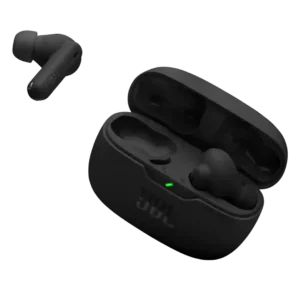
Preset EQ support is useful, with reviewers using or listing JBL presets such as bass, vocals, club, and other modes.
Pros: Software/setup simplicity, Multi-platform compatibility
Cons: Microphone noise reduction, Sound leakage

Preset profiles are generally useful (with some reviewers preferring certain presets as closer to balanced). Bass-leaning presets and BassWave can be fun but may not satisfy listeners chasing a reference...
Pros: Volume output, Water/sweat resistance rating
Cons: LDAC, Smudge resistance

Apple’s adaptive tuning features (such as Adaptive EQ and personalized behaviors) are generally credited with keeping sound consistent and enjoyable for most listeners. Some reviewers still prefer more direct user...
Pros: USB-C, Apple H2 chip support
Cons: aptX, LDAC
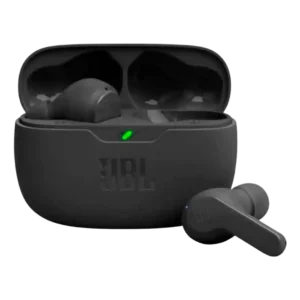
Preset EQ evidence is limited but positive toward the Bass EQ preset for many listeners.
Pros: Charging, Battery
Cons: Active noise cancellation, Multipoint connectivity reliability
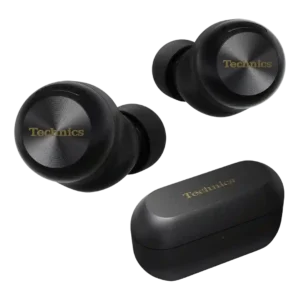
Preset EQ options are generally useful, though some (like extra-bassy modes) may be too much for neutral listeners.
Pros: Audio-video sync accuracy, USB-C
Cons: aptX, Software/setup simplicity
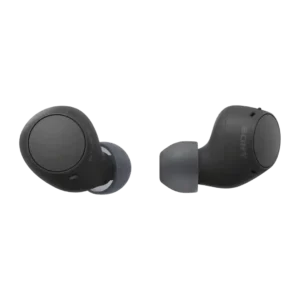
Preset EQ options are seen as useful but not uniformly loved: some reviewers appreciate the variety, while others describe presets as bland or not very distinct.
Pros: Weight comfort, Audio-video sync accuracy
Cons: Active noise cancellation effectiveness, aptX
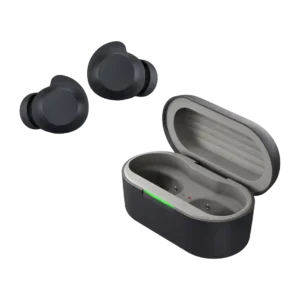
Preset EQ modes are useful but inconsistent: they can improve some tracks, yet reviewers also describe the preset selection as limited.
Pros: USB-C, Portability/foldability
Cons: aptX, LDAC
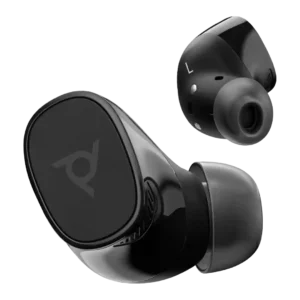
Preset EQ quality is often described as basic, typically limited to Bass, Flat, and Bright, with small differences between them. Bass mode is frequently preferred for music, Bright for calls.
Pros: Audio-video sync accuracy, Instrument separation
Cons: Spatial audio, Smudge resistance
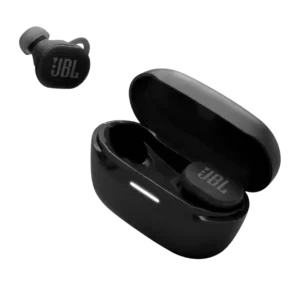
The preset sports profiles are more interesting on paper than in practice, with reviewers often describing them as gimmicky or only mildly different.
Pros: Stability, Water/sweat resistance rating
Cons: Voice assistant integration, Find My
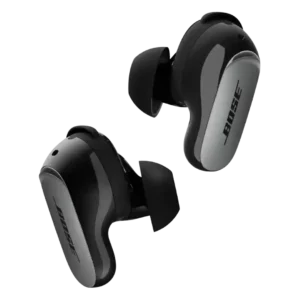
Preset EQ profiles are described as basic and not always effective at fixing core tuning preferences, especially for listeners sensitive to boosted bass or treble.
Pros: Active noise cancellation effectiveness, Android compatibility
Cons: Preset EQ profile quality, Equalizer customization