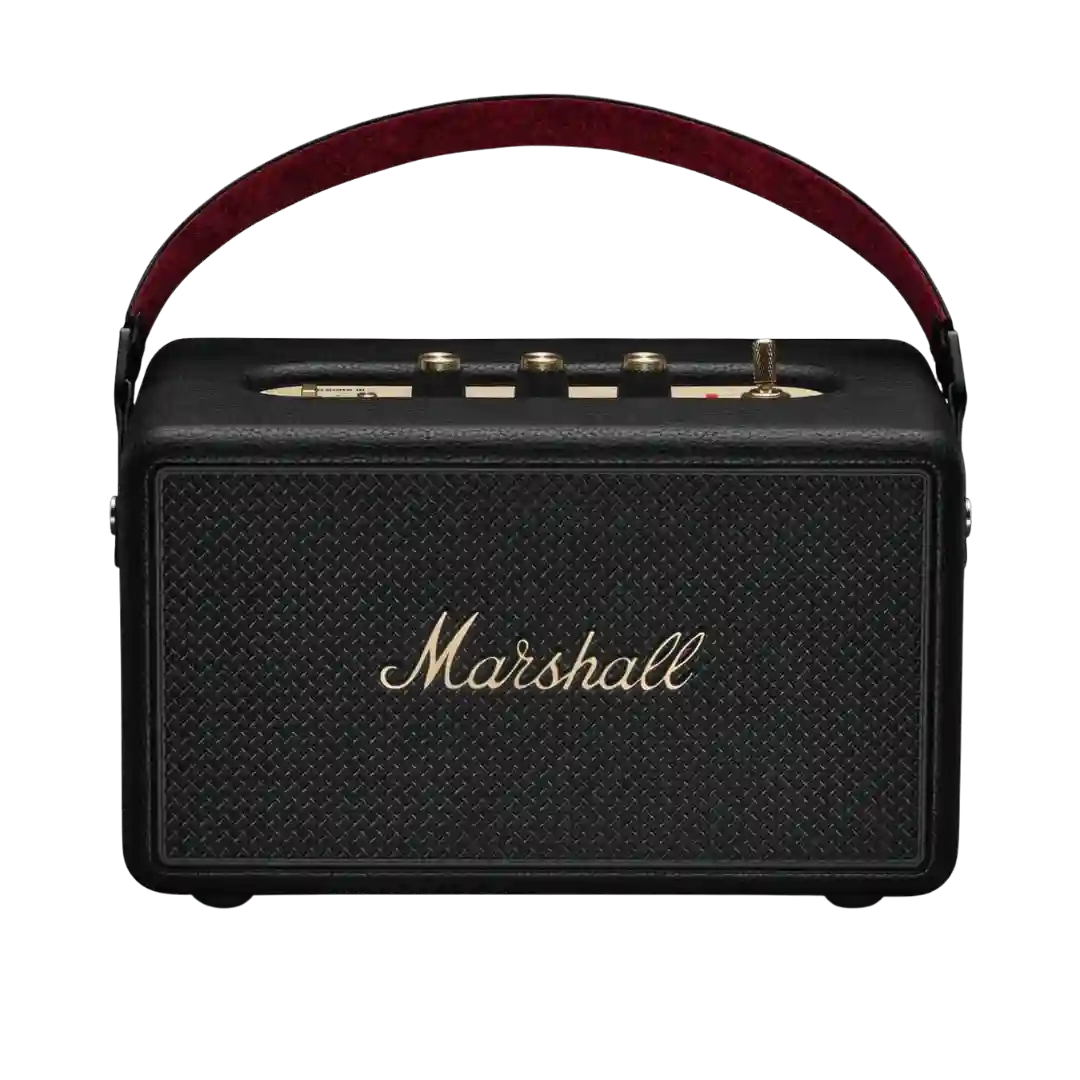
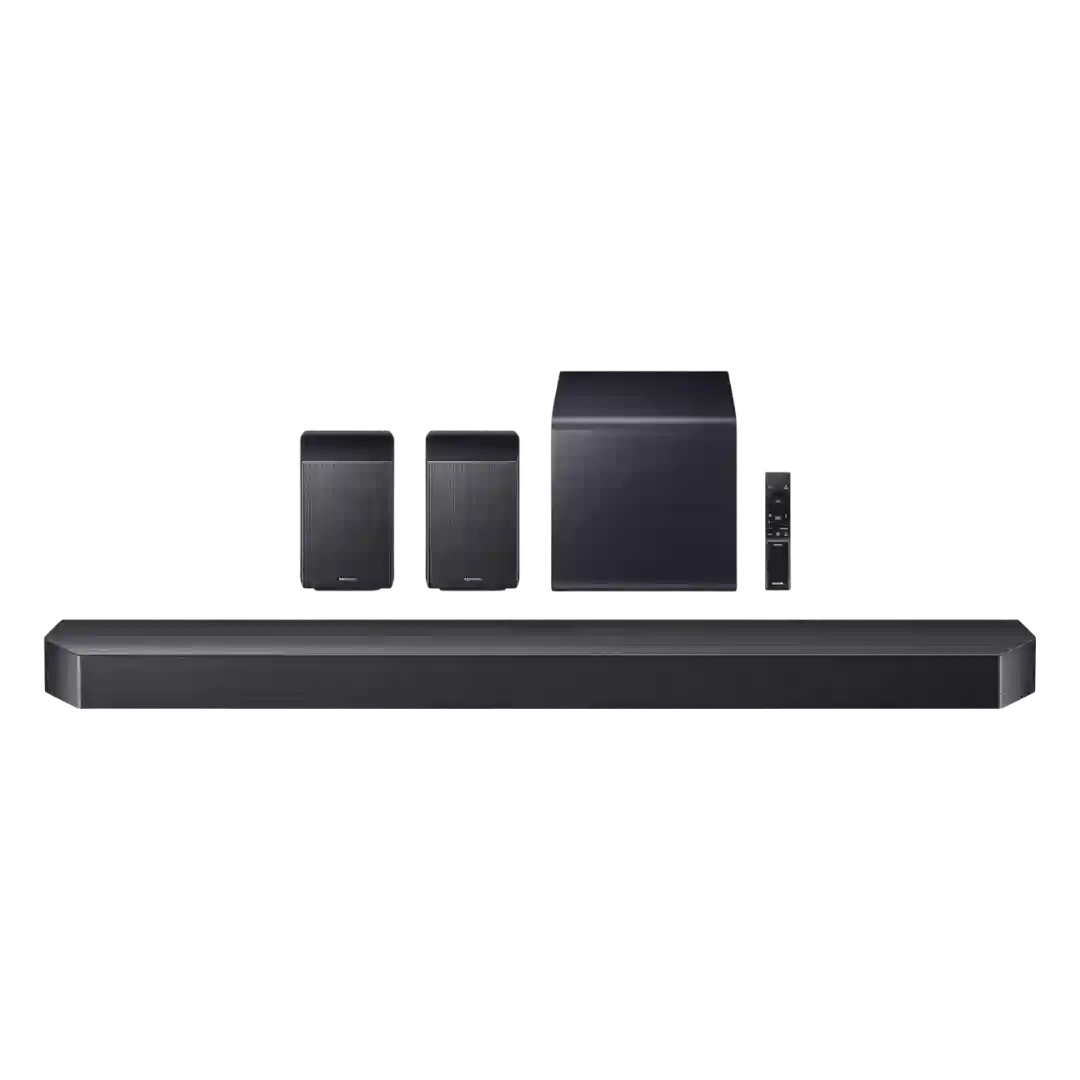
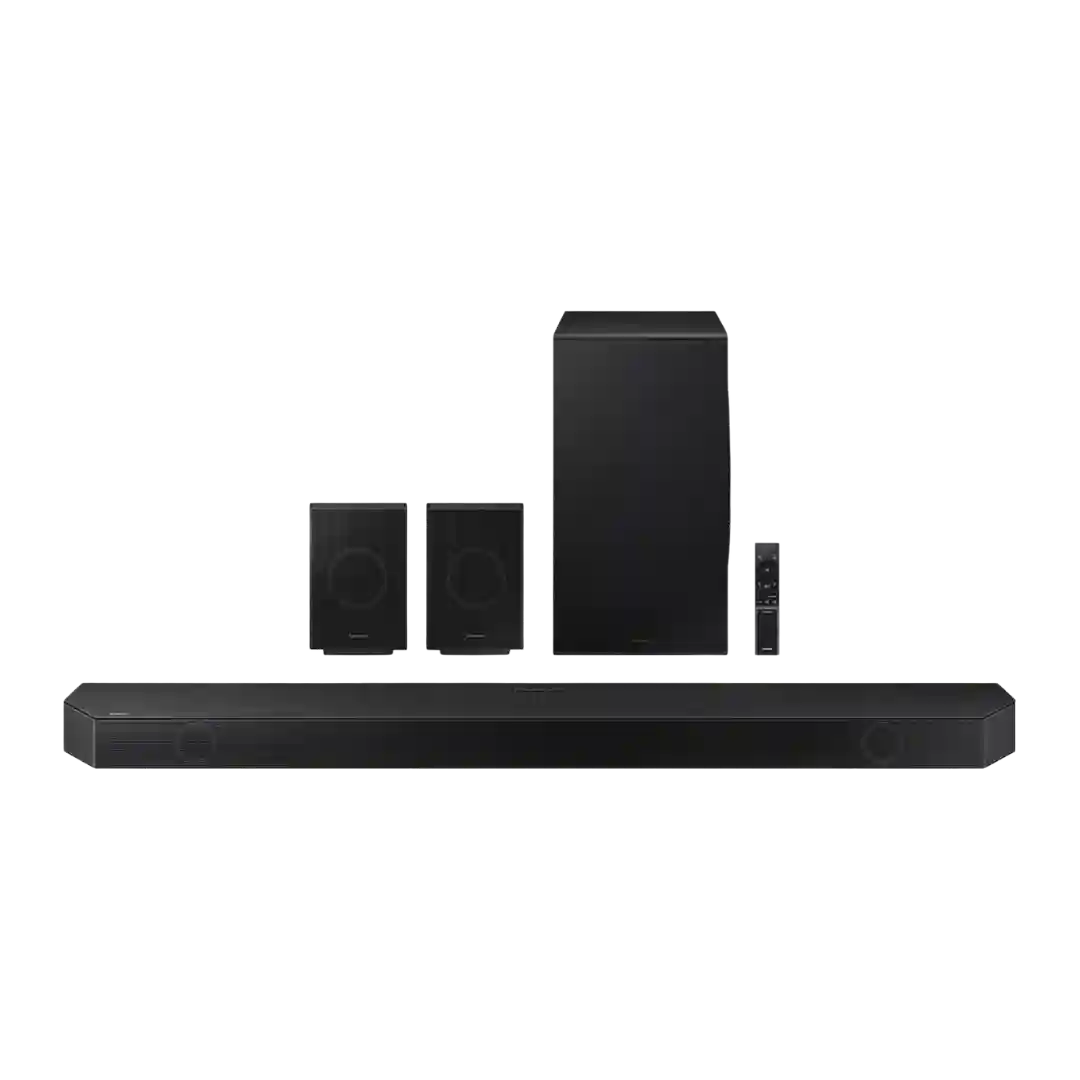
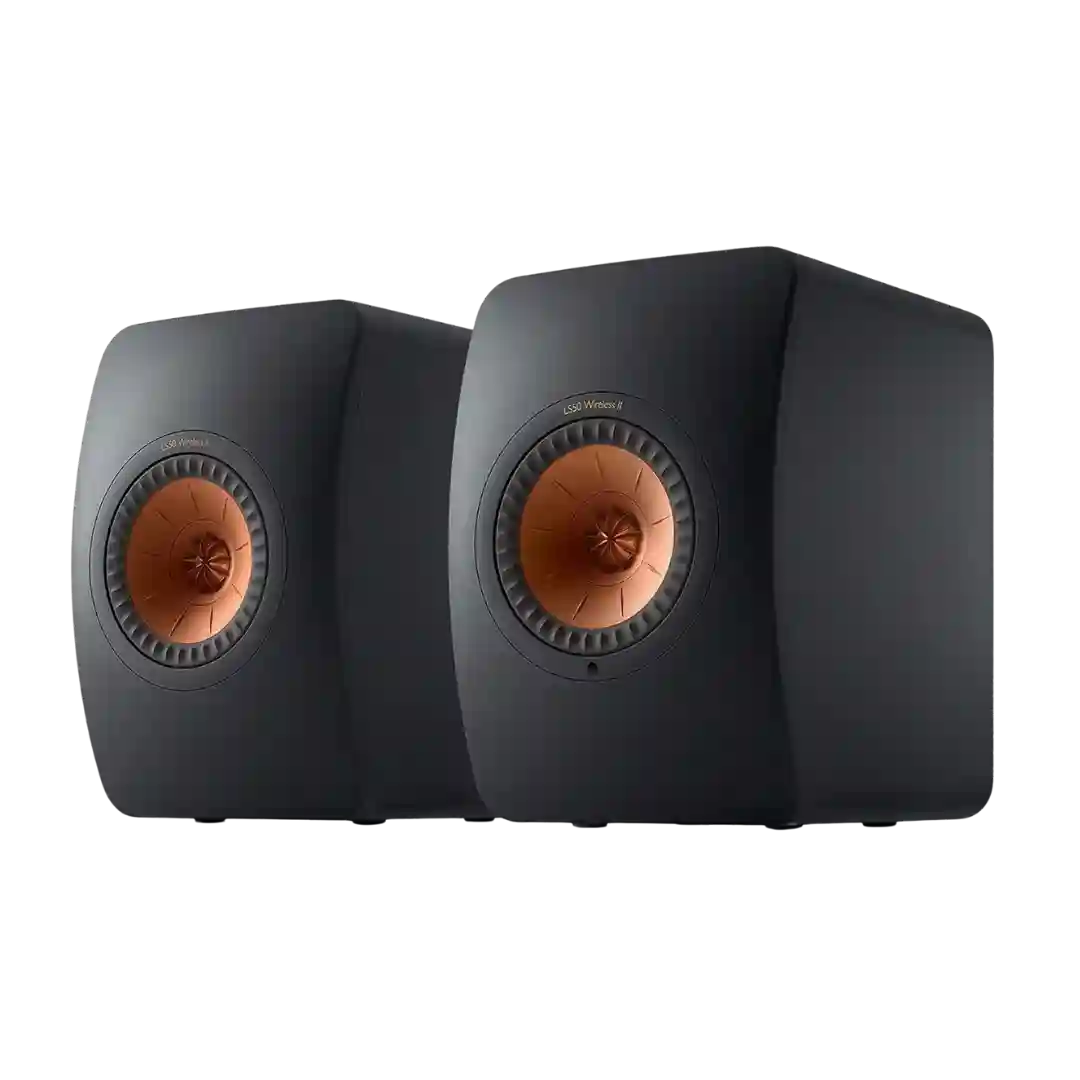
Value for money is the product's strongest consensus advantage. Nearly every review frames the StormBox 2 as an easy recommendation at its street price because it gets unusually close to pricier rivals in core features and everyday performance.
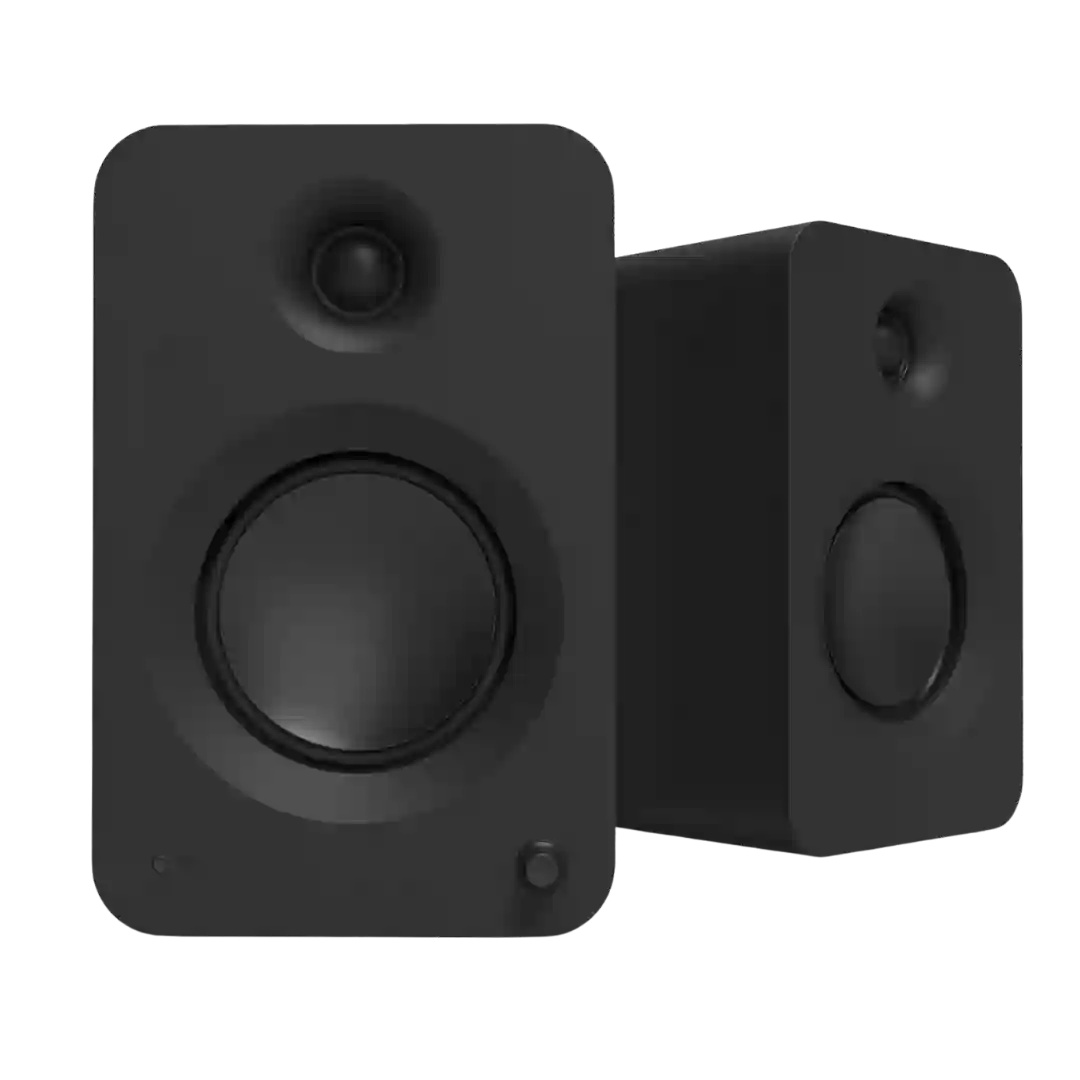
Value is a consistent strength. Most reviewers see the REN as expensive only relative to cheap soundbars, but very competitive once sound quality, inputs, and TV-friendly features are factored in.
Value is the strongest consensus positive. Across reviews, the Nova S50 is repeatedly framed as an unusually cheap, worthwhile upgrade over TV speakers, especially for buyers who prioritize size and price first.
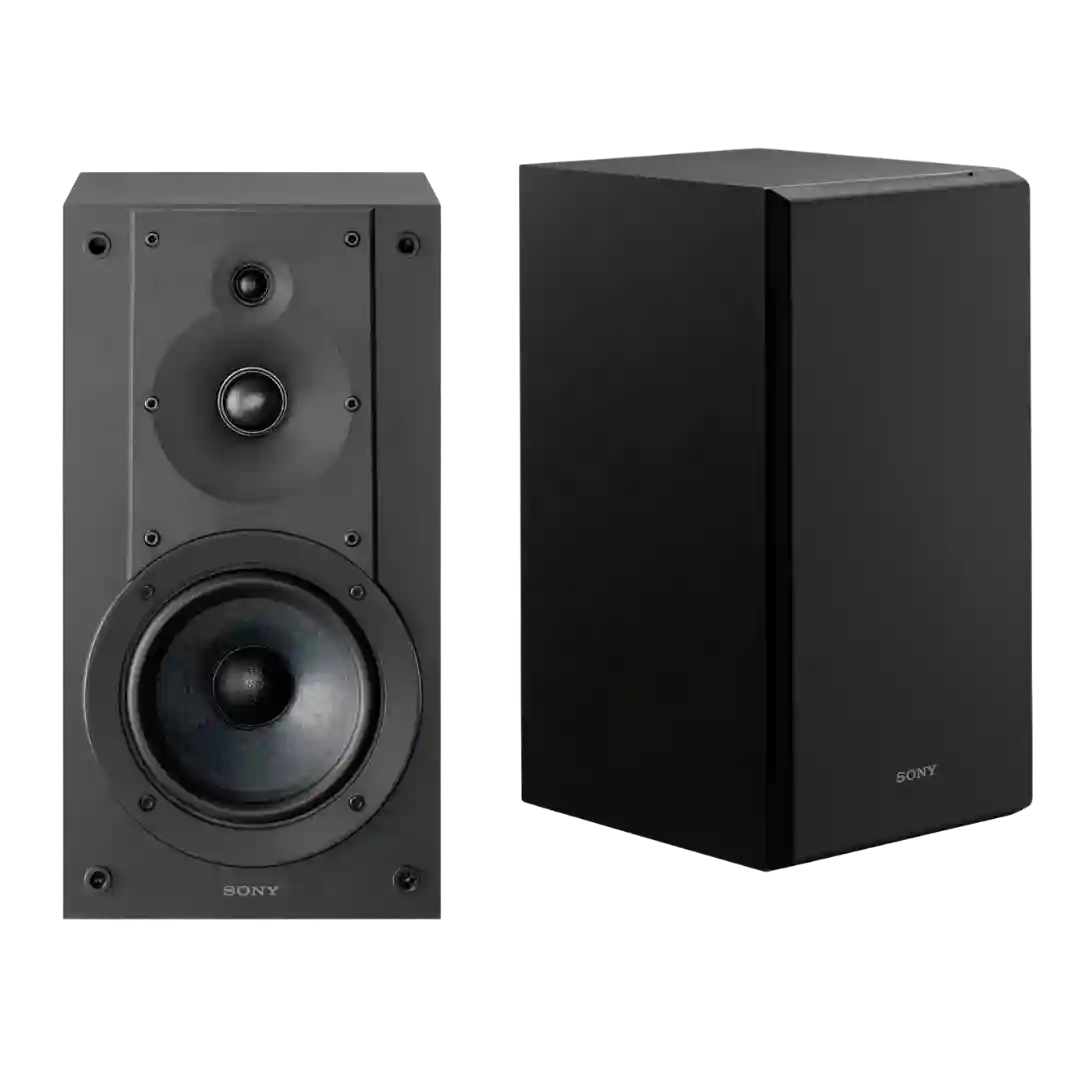
Value is one of the strongest themes across the reviews, with many writers saying the Ri71 outperforms typical soundbars and many similarly priced powered speakers.
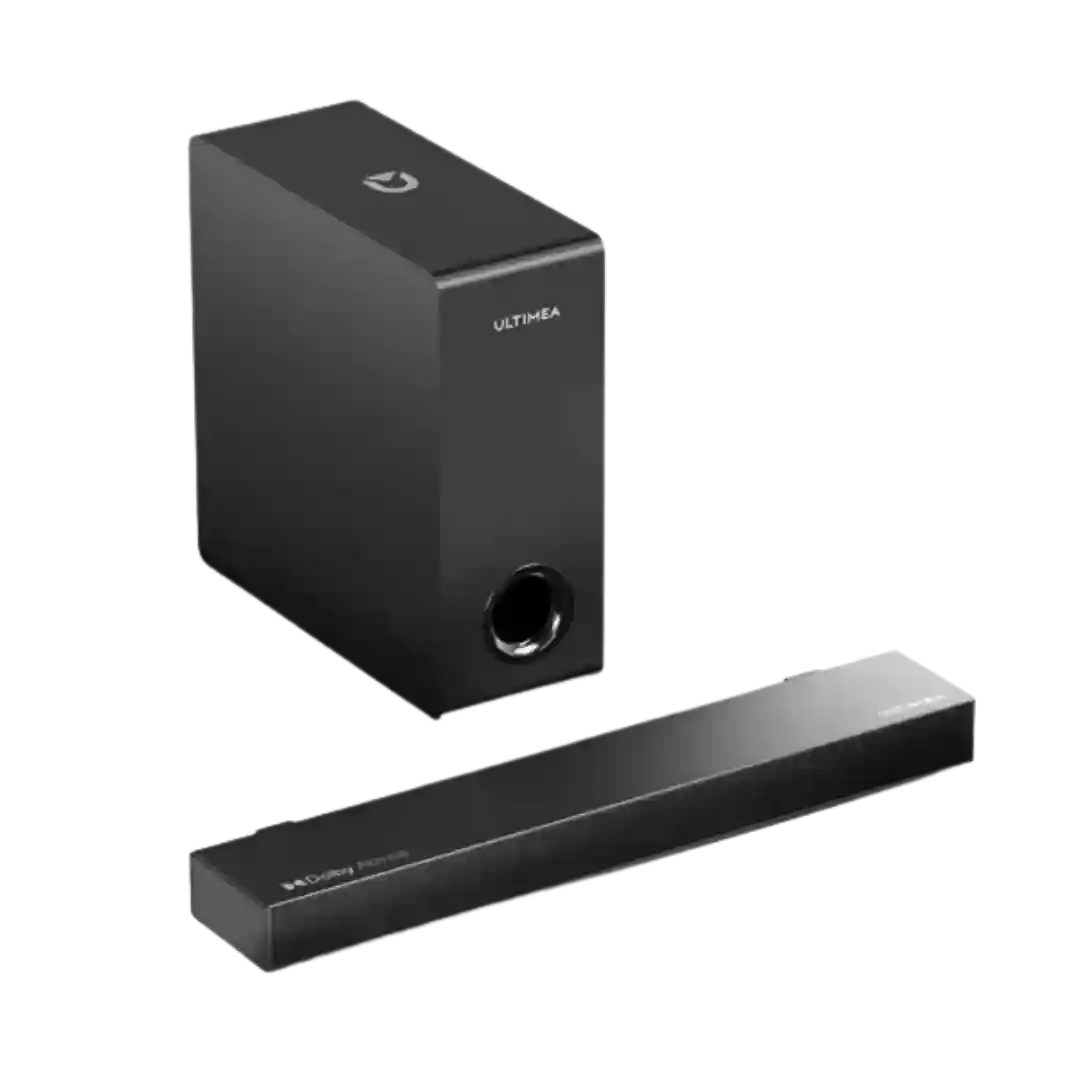
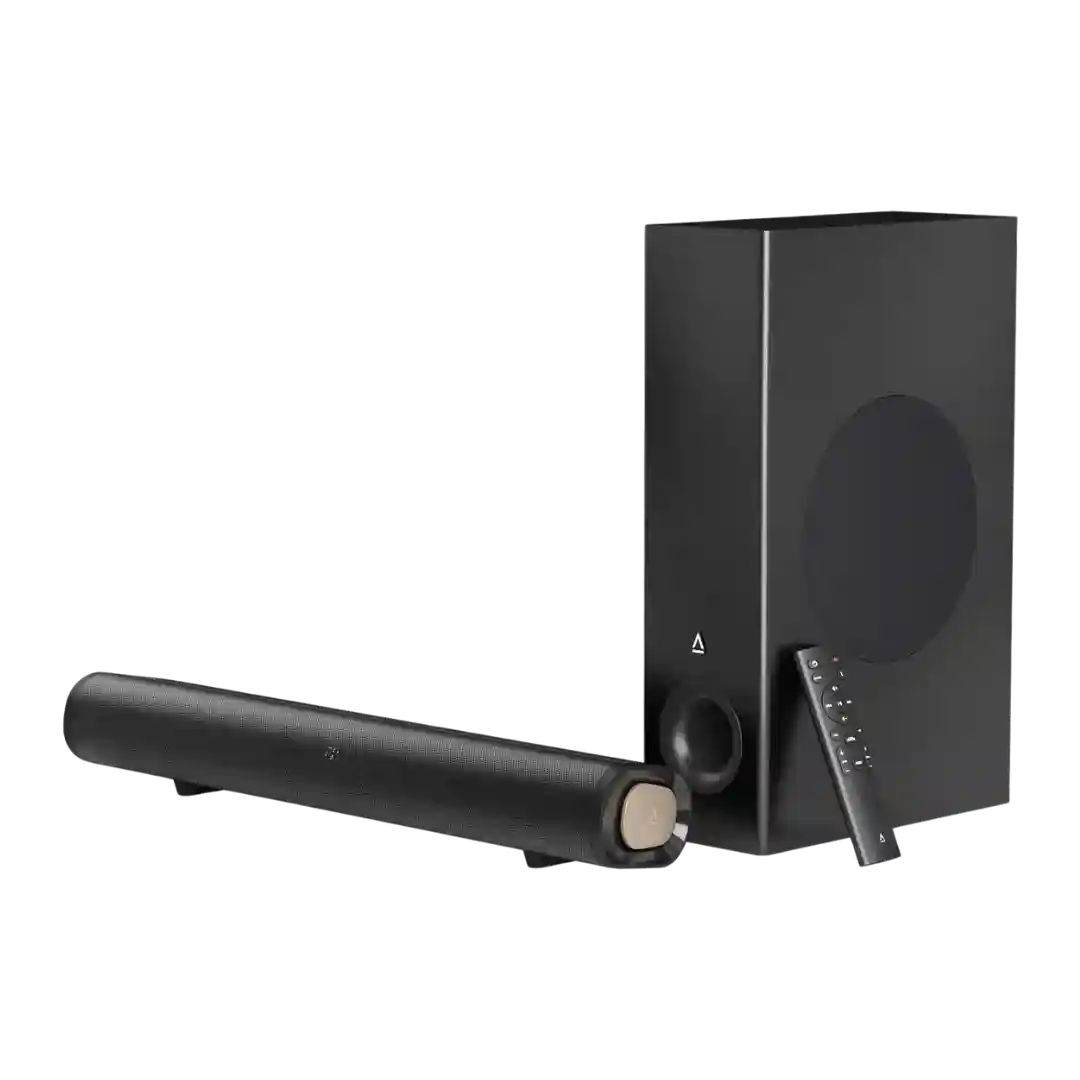
Reviewers repeatedly frame Stage Pro as a punch-above-its-price 2.1 bundle, especially because it includes a subwoofer and multiple inputs while staying in the budget range.
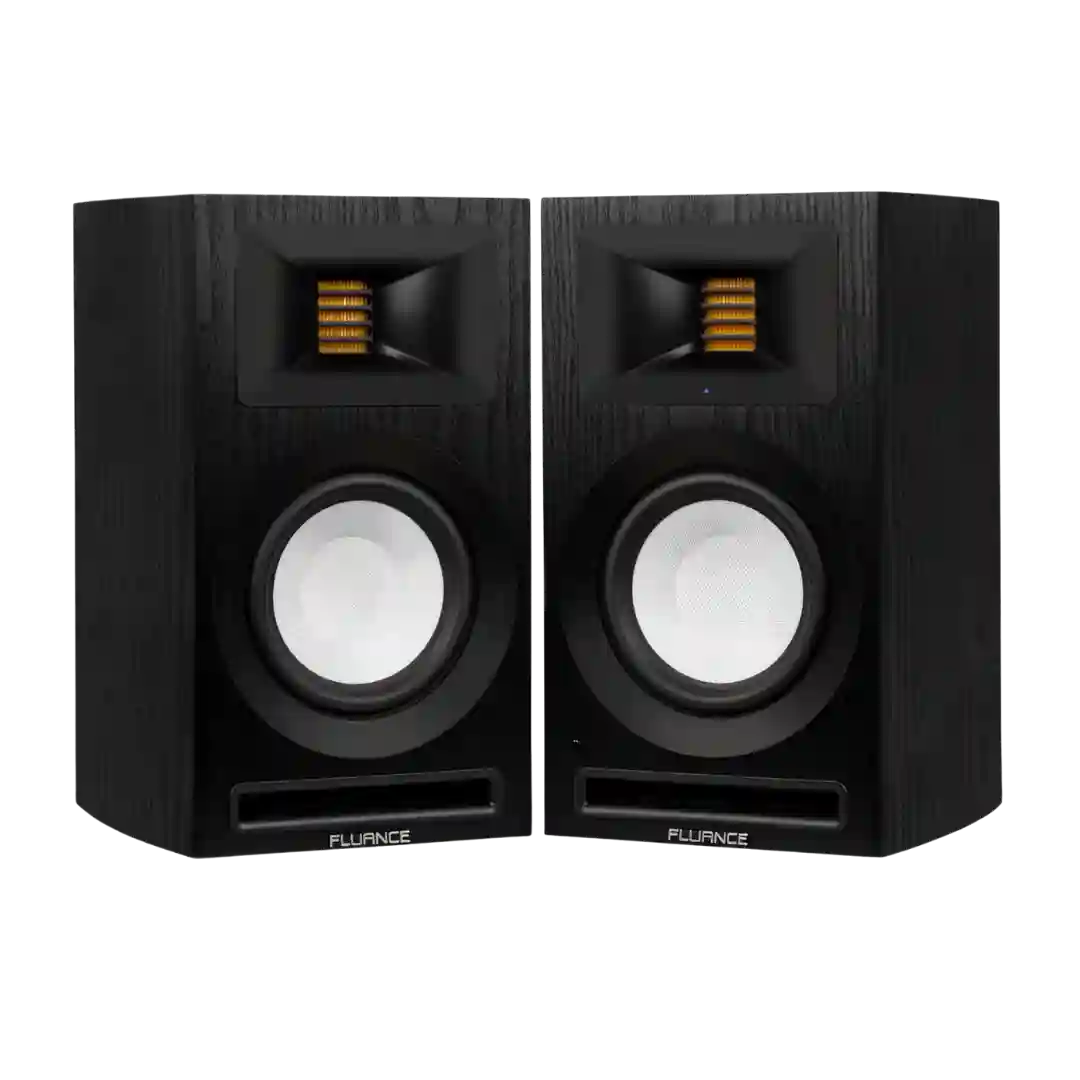
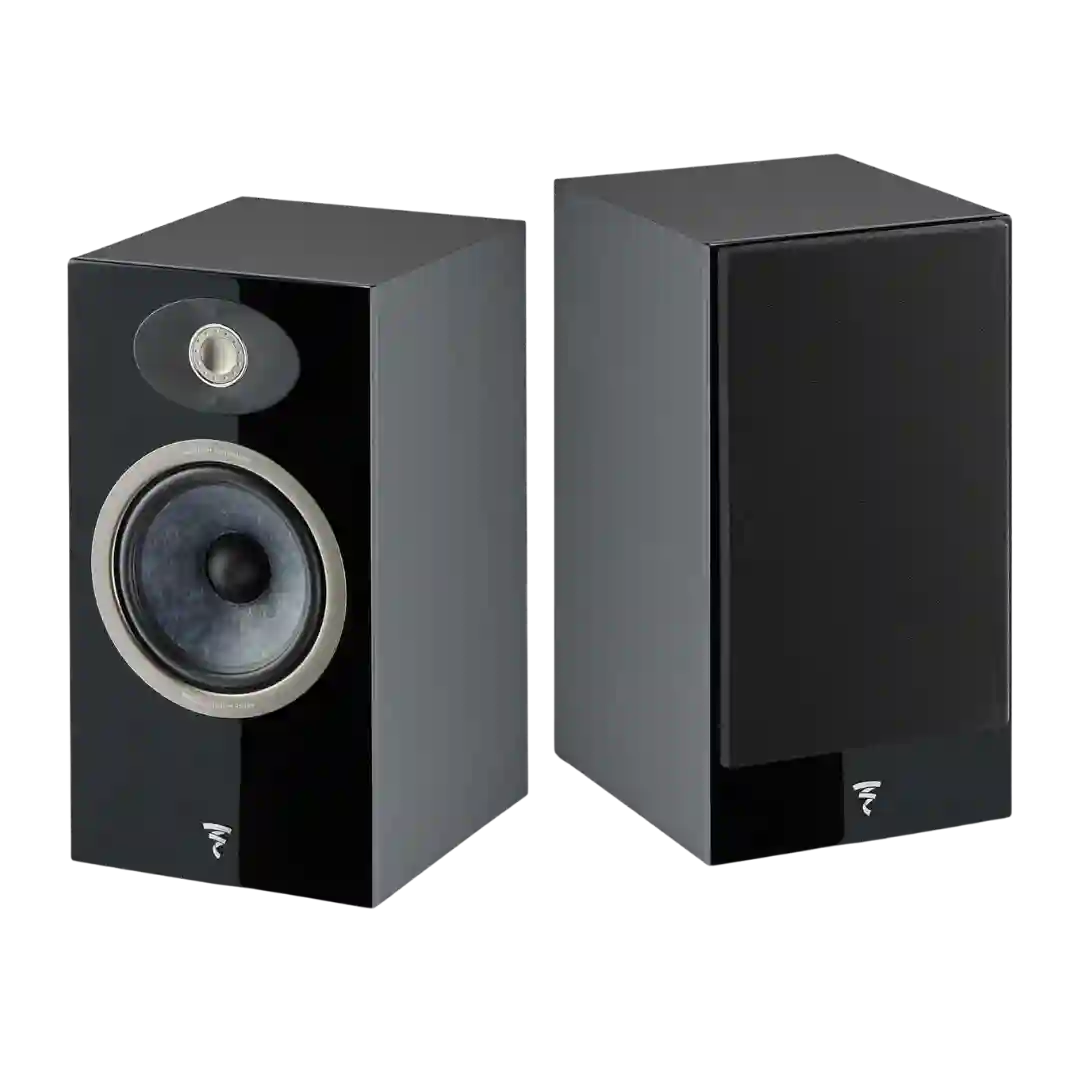
Most reviewers believe the Theva No.1 earns its asking price through mature sound, strong imaging, and easy system matching. The value case is slightly softened by fierce competition and the need for a subwoofer if deep bass is a priority.
Value is a standout strength, with repeated praise for how much clearer and more enjoyable it is than TV speakers at around the entry-level price tier.
Value for money is one of the strongest themes in the reviews, especially when the speaker is on sale. At full MSRP the value is still decent, but no longer obviously class-leading.
Value for money is a standout theme: most reviews position it as one of the better $40-class speakers due to waterproofing, stereo pairing, and usable sound. A minority view is more negative when judging sound quality versus competitors like JBL at similar prices.
Value for money lands on the positive side as long as you want an all-in-one premium compact system. Reviewers mostly argue that the combination of sound, design, and connectivity justifies the price.
Most reviewers frame the Charge 6 as strong value in the mid-price portable category because of its loudness, ruggedness, and feature set, though some note you pay a premium compared with smaller models or budget boombox alternatives.
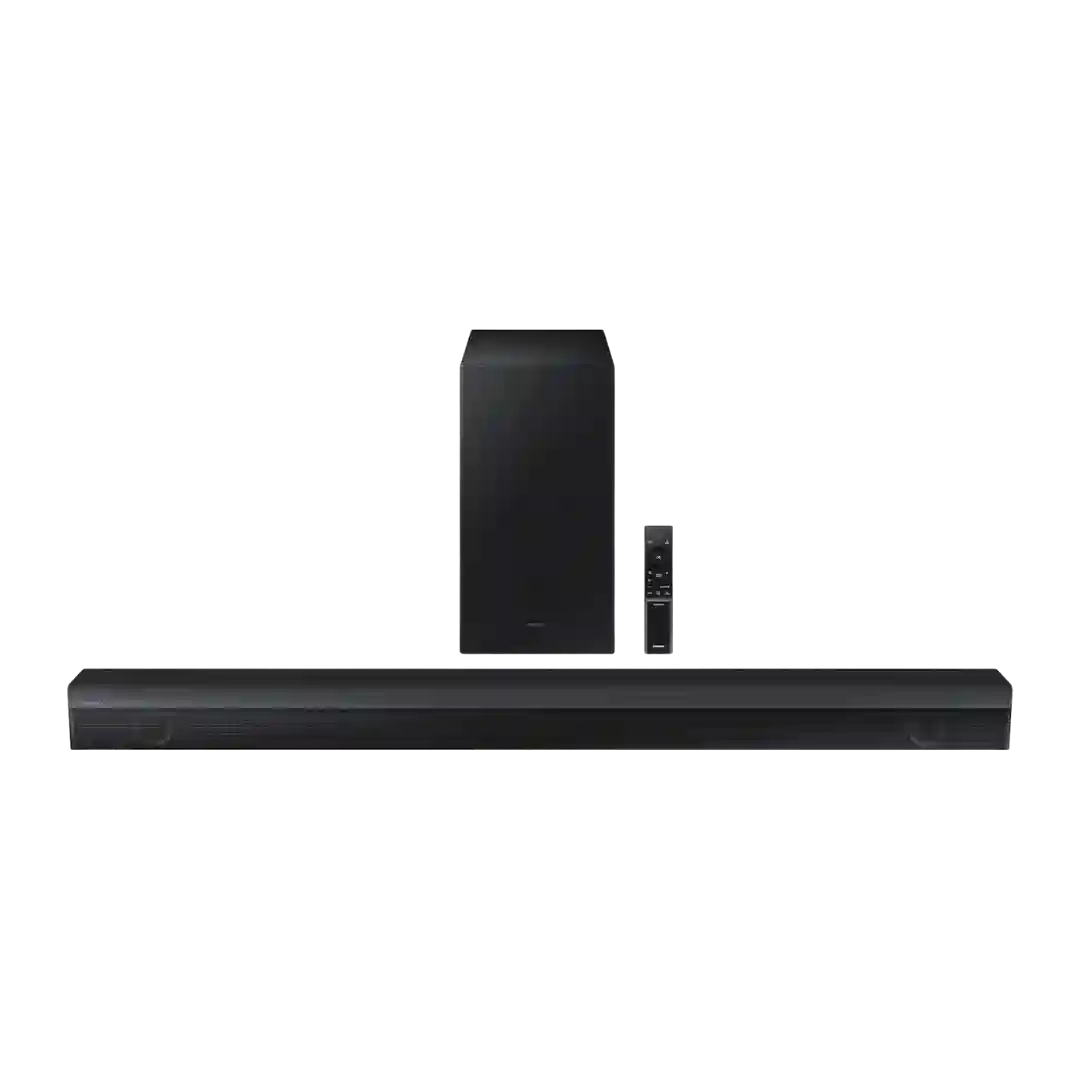
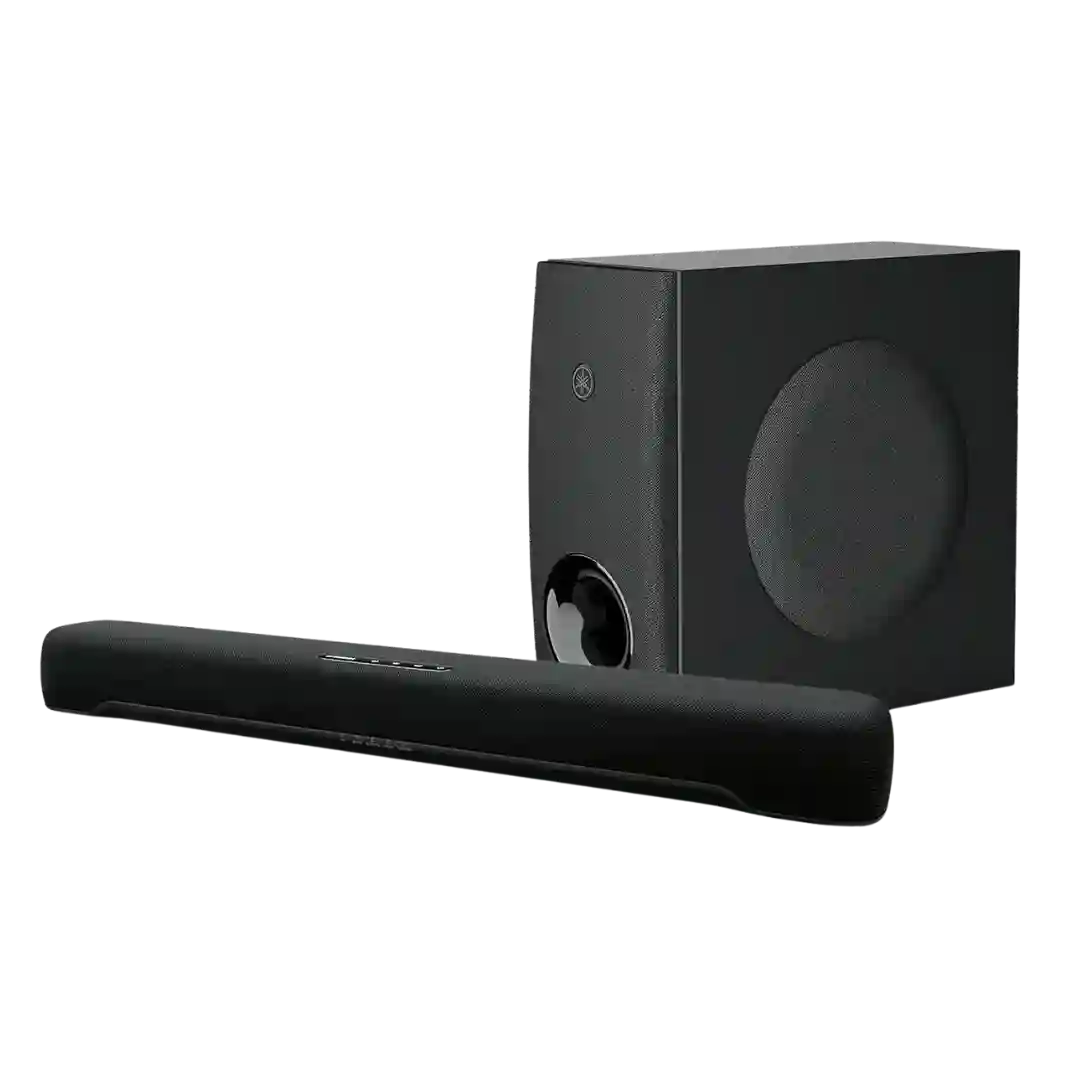
Value for money is generally rated highly because the bundle includes a wireless subwoofer and strong day-to-day TV performance at an entry-level price, though multiple reviews note bigger or more feature-rich competitors can outperform it if size is not a constraint.
Most reviews view it as good value around the $80 price point (often discounted), though some competitors offer longer battery life or stronger EQ features for less.
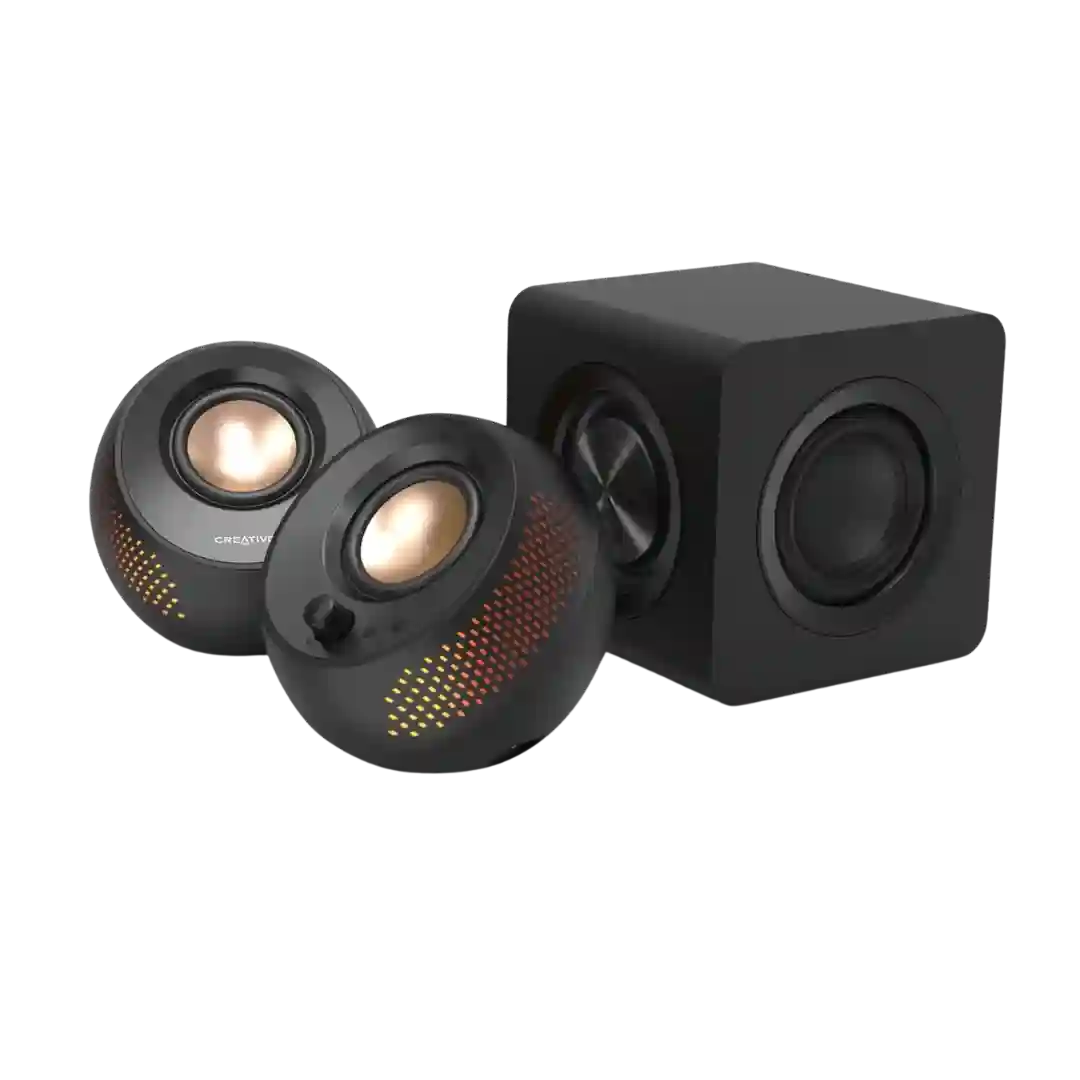
Most reviews view the Pebble X Plus as good value because it delivers compact 2.1 sound and strong versatility, but the separate power-adapter requirement and mixed tuning keep value from being universal.
Value is a standout theme: the price is repeatedly justified by the included dual wireless mics, AI karaoke features, loud output, and customizable lighting, even with compromises in codecs, portability, and battery.
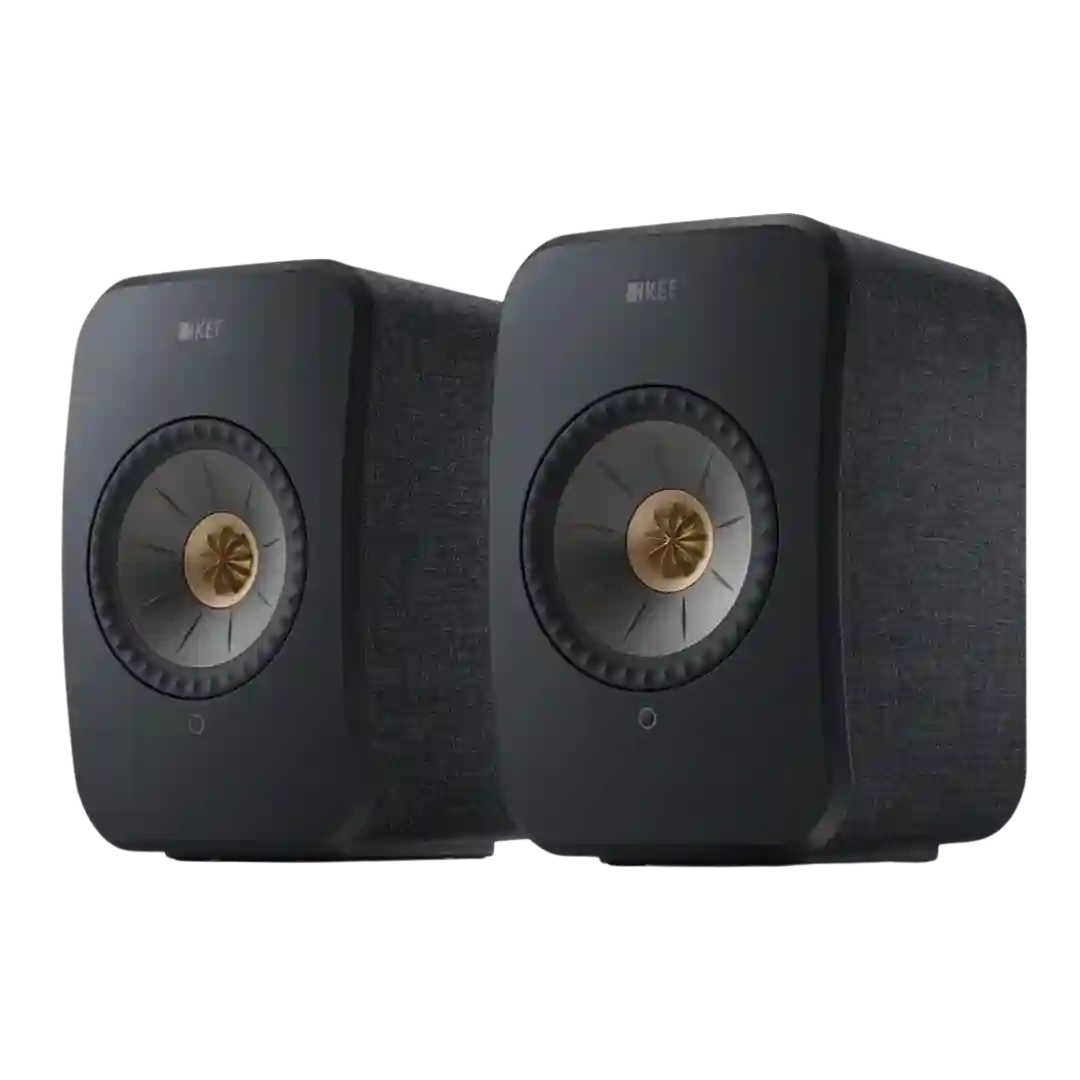
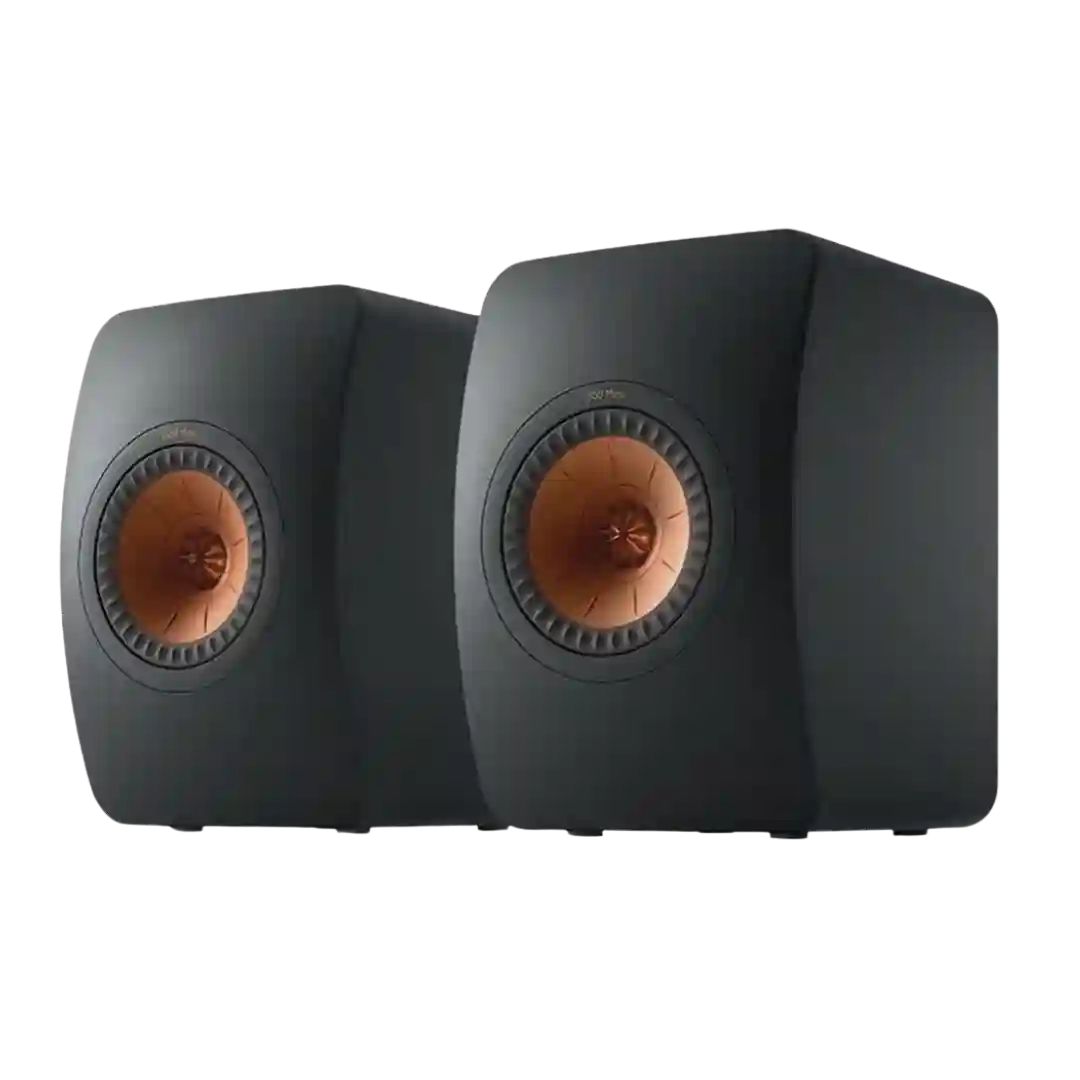
Value for money is usually rated highly because the LS50 Meta competes with pricier designs on imaging and resolution, but there is a minority view that the current price is too high given bass and dynamics limitations versus cheaper rivals.
Value is generally considered good for buyers prioritizing design, battery, and big sound, but some reviewers still flag the price as premium given the lack of Wi-Fi, voice features, and stereo pairing.
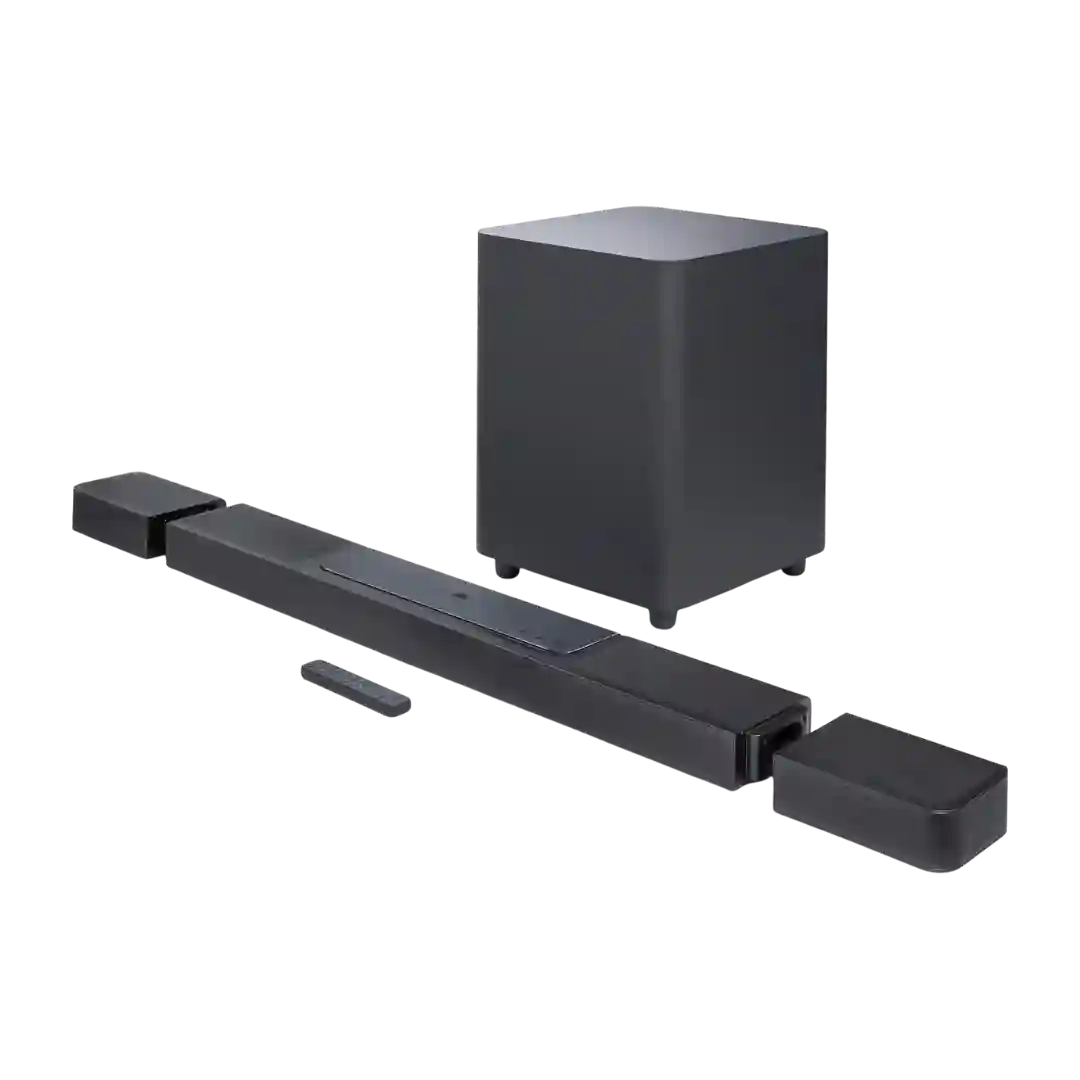
Value is viewed through the lens of its high price: many call it worth it for an all-in-one flagship surround kit, while others recommend waiting for discounts or choosing rivals for better cost-to-performance.
Most reviews ultimately say the Era 300 earns its premium with sound quality and system flexibility, even if it is not cheap. Value drops for buyers who will not use spatial audio, Sonos expansion, or its broader feature set.
Value depends on what you prioritize. Reviewers who loved the design, battery, and durability thought the price was fair or even strong on sale, while more critical reviewers felt better-sounding rivals offer more for the money.
Value is viewed as strong versus comparable full Atmos packages, especially with discounts; however, many note the prior Q990C can be a better deal if HDMI 2.1 isn’t needed.
Value depends on priorities: supporters see premium build and sound as worth $299, while critics think cheaper rivals deliver better portability and features.
Value is generally seen as strong given the sound and ruggedness, but multiple reviews emphasize it is an iterative upgrade and that discounted Wonderboom 3 pricing can undercut Wonderboom 4 on pure value.
Most reviewers see strong value at the $149 price given the durability and sound, but a few highlight cheaper rivals that add speakerphone functions or higher-res Bluetooth codecs; sale pricing materially improves the value case.
Value is framed as strong for an all-in-one audiophile system when factoring in amplification, DAC, and streaming, but the price is still a frequent sticking point and some reviewers argue separates can outperform it for the money.
Value is the headline win: even critics admitted the feature set and comfort are aggressive for the price, though several reviewers still felt the weak ANC or sound tuning limited the bargain.
Pricing is consistently described as premium. Value looks best if you want the Sonos ecosystem and find the Arc on discount, but some competitors offer more inputs or better value bundles.
Value for money is the most debated part of the A1 3rd Gen. Many think the sound, materials and longevity justify the premium, but value-minded reviewers still see better sound-per-dollar from cheaper JBL and other larger rivals.
Value is the biggest tradeoff: buyers get lots of features and strong dialogue, but many reviewers questioned the price once weak bass and paid add-ons are factored in.
Value is debated: some see it as a strong $100 ultra-portable option with ruggedness and volume, while others argue similarly priced or slightly more expensive rivals deliver better bass, features, or overall sound.
Value is polarizing: the feature mix (Wi-Fi, ecosystem, durability, wireless charging) can justify the price for Sonos users, but many note cheaper speakers can beat it on battery life and raw outdoor power.
Value is polarizing: most acknowledge it sounds excellent and feels premium, but the $399 price is repeatedly called expensive versus strong lower-cost competitors. Several recommend waiting for discounts if you are price-sensitive.
Sound quality and ecosystem features justify the premium for some, but the high price is the most consistent criticism versus cheaper Bluetooth options or other Sonos speakers.
Perceived value varied sharply by reviewer and price context. At roughly £299 it was seen as worthwhile, but another review judged it very poor value overall.