#1
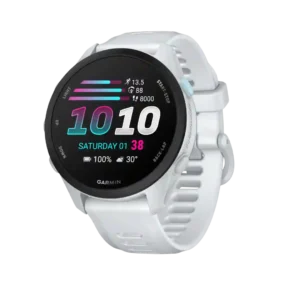
The refreshed software feels faster, cleaner, and smoother than older entry-level Forerunners. Navigation and daily interactions benefit noticeably from the modern interface.
Pros: step counting accuracy, app ecosystem
Cons: Bluetooth connectivity, pairing reliability
#2
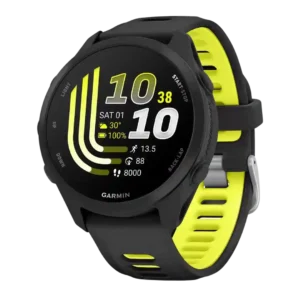
The refreshed software is faster, more polished, and easier to adjust before a run, with useful hidden settings and widgets.
Pros: recovery insights, fitness tracking accuracy
Cons: ECG functionality, call handling
#3
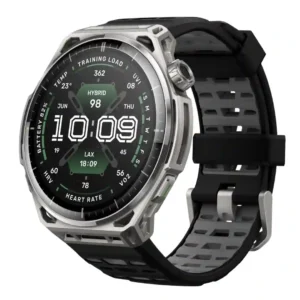
Menus and the interface ran smoothly in testing, reinforcing the watch’s polished everyday feel.
Pros: battery life, watch face quality
Cons: activity auto-detection, LTE connectivity
#4
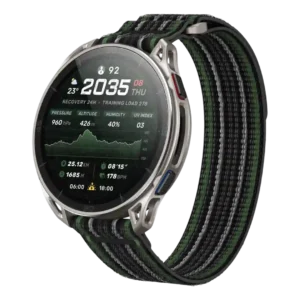
Software smoothness is strong where maps and navigation screens load quickly.
Pros: software smoothness, flashlight usefulness
Cons: sleep tracking accuracy, ECG functionality
#5
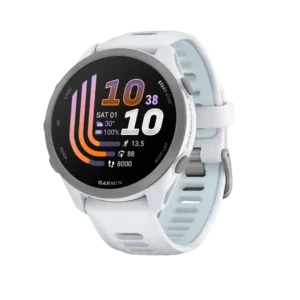
The updated interface feels faster and smoother than older entry-level Garmins, and activity syncing is notably quick.
Pros: music controls, pairing reliability
Cons: LTE connectivity, ECG functionality
#6
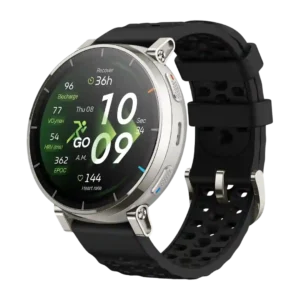
Software smoothness is consistently positive in hands-on evidence, with reviewers reporting smooth UI behavior and no stutters.
Pros: pairing reliability, brightness
Cons: Wi-Fi connectivity, Bluetooth connectivity
#7
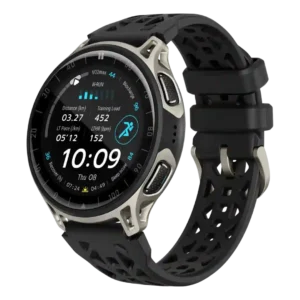
Software smoothness was mixed, with map lag and polish concerns offset by one review’s praise for firmware improvements and updates.
Pros: calorie tracking usefulness, durability
Cons: ECG functionality, size options
#8
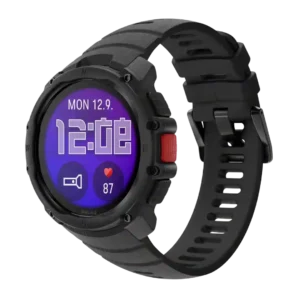
Software smoothness was split: one reviewer found Polar sluggish, while another praised the simple, less overwhelming usability.
Pros: workout tracking variety, flashlight usefulness
Cons: blood oxygen tracking, ECG functionality
#9
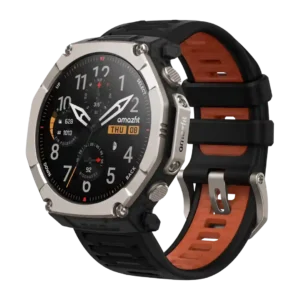
Software smoothness was inconsistent, ranging from minor lags and improved routing to major software stumbles and unfixed core-feature problems.
Pros: display quality, brightness
Cons: onboard music storage, size options