Best for key spacing
Corsair K65 Plus
4.8 feature score
Highest scored product for this feature based on supporting review evidence.
Highest scored product for this feature based on supporting review evidence.
Balances feature score, supporting reviews, and overall product strength.
Has the broadest review evidence for this feature.
Strongest overall product among items with scored evidence for this feature.
Showing Corsair only. Switch back to all brands anytime.
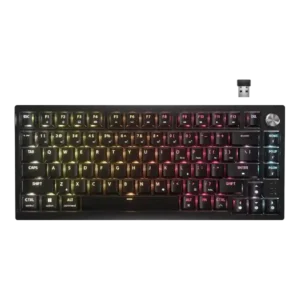
Key spacing evidence was limited but very positive, with one reviewer saying the keys felt naturally placed and reduced mis-hits.
Pros: latency, durability
Cons: legend visibility, rapid trigger support
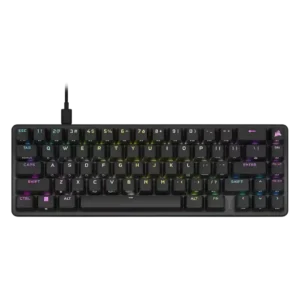
Key spacing was praised for avoiding a cramped feel and helping fingers move accurately across the compact deck.
Pros: volume control, key responsiveness
Cons: wireless performance, wrist rest quality
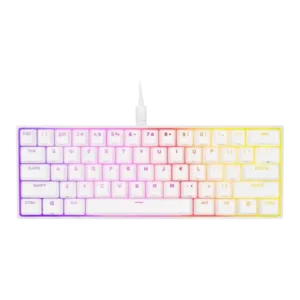
Key spacing was praised because the compact layout did not feel compressed and maintained comfortable distances.
Pros: desk space efficiency, frame rigidity
Cons: sound dampening, ease of switch replacement
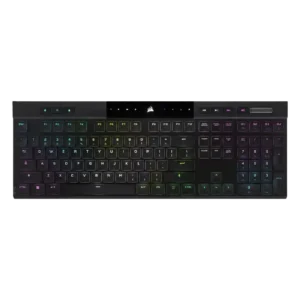
Only one review directly judged spacing, positively noting that extra space between keys helped finger positioning.
Pros: backlight brightness, actuation consistency
Cons: sound dampening, stabilizer quality
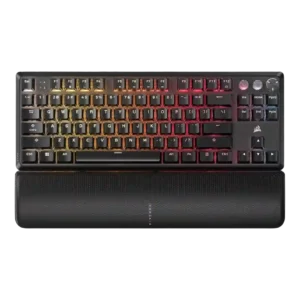
Key spacing had limited evidence, with one review saying the keys were well spaced despite some wobble.
Pros: per-key lighting control, key responsiveness
Cons: ease of switch replacement, battery life
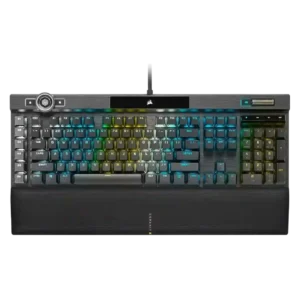
Key spacing is mixed, with praise for standard bottom-row spacing but complaints that the left G keys can cause reaches or accidental presses.
Pros: actuation consistency, key stability
Cons: hot-swappable switches, switch options