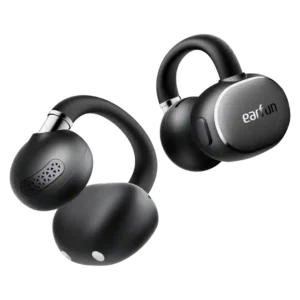
The earbuds work well across iPhone, Mac, Android, and computers, with smooth playback and calls on multiple platforms.
Pros: Weight comfort, Hinge durability
Cons: Active noise cancellation, Sensors
The earbuds work well across iPhone, Mac, Android, and computers, with smooth playback and calls on multiple platforms.
Pros: Weight comfort, Hinge durability
Cons: Active noise cancellation, Sensors
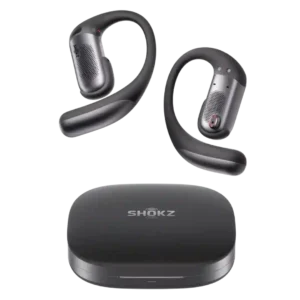
The earbuds work well across iPhone, Android, Windows PCs, and other Bluetooth devices, making them practical for mixed-device routines.
Pros: Voice assistant integration, Android compatibility
Cons: Maximum volume clarity, Packaging condition
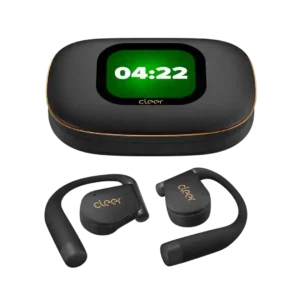
The ARC 5 works across iPhone, Android, computers, and other Bluetooth sources. Reviewers valued the flexibility for switching between work, entertainment, and mobile devices.
Pros: Instrument separation, Multipoint connectivity reliability
Cons: Noise isolation (passive)
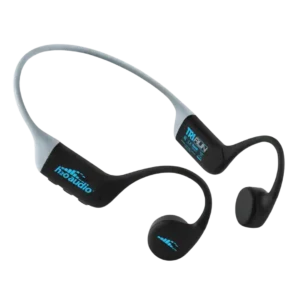
The headset paired successfully with iPhone, Samsung, Garmin, and Amazfit devices. That broad compatibility makes it practical across phones and fitness watches.
Pros: Weight comfort, Water/sweat resistance rating
Cons: Microphone noise reduction, Equalizer customization
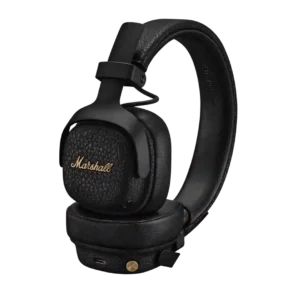
Pairing and playback work smoothly across phones, tablets, laptops, iOS, and Android, making the Milton easy to move between daily devices.
Pros: Multipoint connectivity reliability, Codec support
Cons: aptX, Smart Pause performance
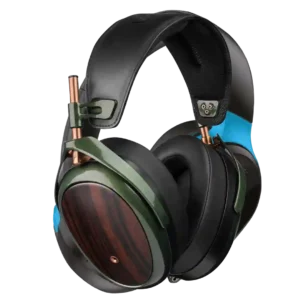
Standard analog connections let the Strada work easily across computers, home audio gear, consoles, and handheld gaming devices.
Pros: Hinge durability, Durability over time
Cons: Ear cup swivel/rotation range, Portability/foldability
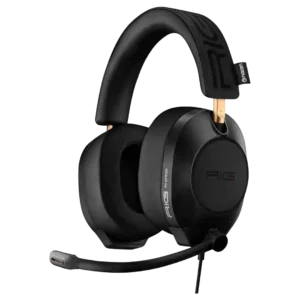
Multi-platform support was strong where tested or assessed, especially for moving among PC, console, and mobile use.
Pros: Audio-video sync accuracy, Battery
Cons: Bluetooth, Active noise cancellation
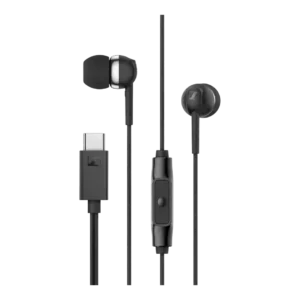
Multi-platform compatibility was strong, with Tom’s Guide reporting seamless use across a Pixel phone, MacBooks, and an iPad.
Pros: Comfort during long use, USB-C
Cons: Microphone noise reduction, Water/sweat resistance rating
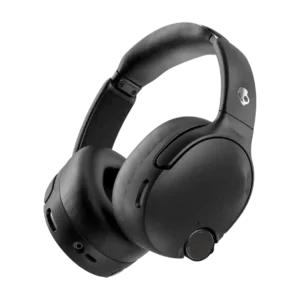
The headphones work across Android and iPhone and can keep both connected simultaneously. This makes switching between mobile ecosystems or a phone and computer painless.
Pros: Treble clarity, Instrument separation
Cons: Codec support, Headband adjustability

Three connector options make the Scoop unusually flexible across phones, computers, studio decks, portable players, and higher-end hi-fi equipment.
Pros: Sound quality, Midrange clarity
Cons: Software/setup simplicity, Portability/foldability
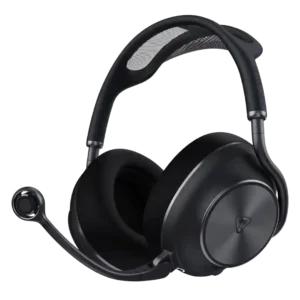
The Xbox version works across Xbox, PlayStation, PC, Switch, and mobile, making it the safest all-platform purchase. The PC/PlayStation version is similarly flexible except for its complete lack of Xbox...
Pros: Codec support, Packaging quality
Cons: Multipoint connectivity reliability, Replaceable ear plates
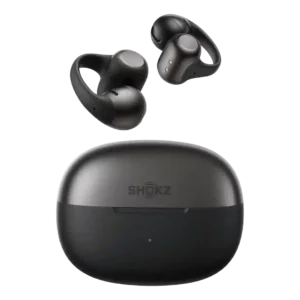
Cross-platform use worked well in the test that paired an Android phone and iPhone together. Feedback is limited, but the multipoint experience looked smooth across platforms.
Pros: Android compatibility, Multi-platform compatibility
Cons: Auracast support, Active noise cancellation

Multi-platform compatibility is positive, with support framed around phones, laptops and vintage audio setups.
Pros: Audio-video sync accuracy, Battery
Cons: Carry case quality, Maximum volume clarity
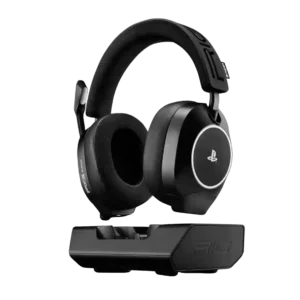
Multi-platform compatibility was a strong point for PC, console, Bluetooth, mobile, and optional dongles, though not every console is covered by one box.
Pros: Spatial audio, Positional audio accuracy
Cons: Carry case quality, Detachable microphone convenience
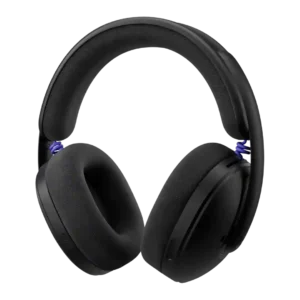
Multi-platform compatibility was a consistent strength, with reviewers highlighting easy use across consoles, PC, and other devices.
Pros: Wireless latency, Weight comfort
Cons: Microphone noise reduction, Multipoint connectivity reliability
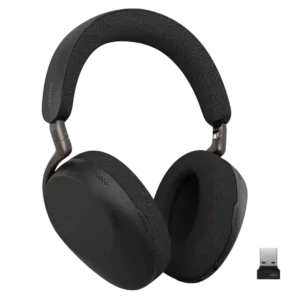
The UC version works well for people moving across Teams, Meet, Zoom, and other work platforms instead of staying locked to one service.
Pros: Frequency response accuracy, Clamping force comfort
Cons: Volume output, aptX
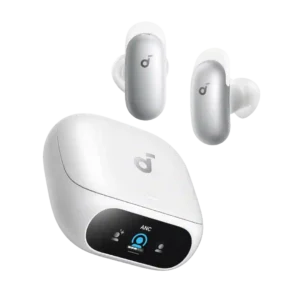
Multi-platform use is mostly positive. Users mention easy movement across phones, PCs, tablets, Macs, and Android devices, with iPhone integration as the main weak point.
Pros: Maximum volume clarity, Noise isolation (passive)
Cons: Apple H2 chip support, Treble clarity
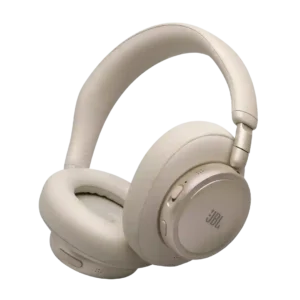
Pairing and switching work well across smartphones, tablets, laptops, and even Linux systems, making the headphones easy to share between platforms.
Pros: Maximum volume clarity, Charging
Cons: 3.5mm analog input availability, Cable quality
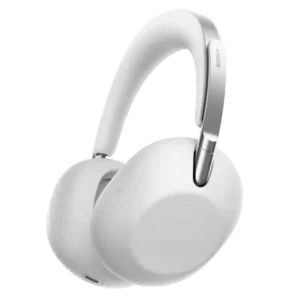
The headphones preserve most features across Android, iOS, and other devices, avoiding the restrictions of Apple-focused competitors.
Pros: Microphone noise reduction, Multipoint connectivity reliability
Cons: Water/sweat resistance rating, Gaming performance
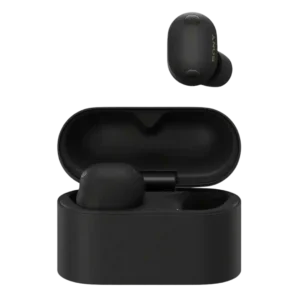
Multi-platform compatibility was praised where discussed, especially Sony supporting both iOS and Android rather than locking features to one ecosystem.
Pros: Maximum volume clarity, Audio-video sync accuracy
Cons: Sidetone adjustment quality, Software/setup simplicity
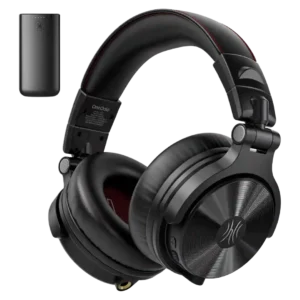
Platform compatibility was praised for covering mixers, gaming PCs, smartphones, iPhones, Android devices and studio equipment.
Pros: Battery, Detachable cable convenience
Cons: Active noise cancellation, Transparency mode quality
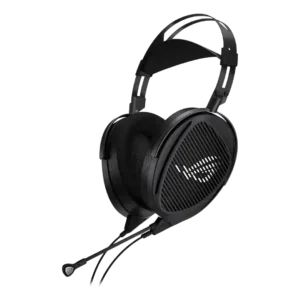
PC, PlayStation, Switch, phones, and DAC setups are broadly supported, but the required cable or adapter changes by device. Console microphone support is the main complication.
Pros: Maximum volume clarity, Frequency response accuracy
Cons: Active noise cancellation, Bluetooth
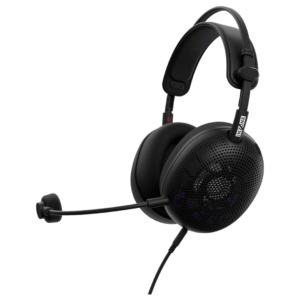
Multi-platform compatibility was strong across PC, Mac, PlayStation, mobile, Xbox, and Switch use cases in reviewer testing.
Pros: Weight comfort, Battery
Cons: Noise isolation (passive), Sound leakage
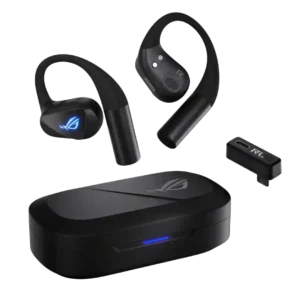
The dongle works across a wide range of PCs, handhelds, phones, and consoles, but platform-specific quirks appear on Steam Deck, Mac, and PS5 in some reviews.
Pros: Transparency mode quality, Touch control responsiveness
Cons: Noise isolation (passive), Packaging condition
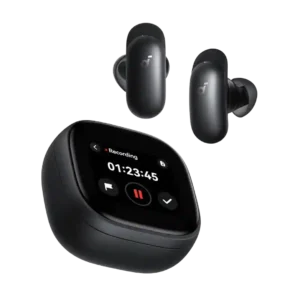
Apple users get good AAC sound and stable connectivity, but not AirPods-style automatic switching. The Pro Max works well across Apple devices while still feeling less integrated than Apple’s own...
Pros: Microphone noise reduction, Stability
Cons: Lossless audio support, Spatial audio

Multi-platform support was mixed because iPhone users still get AAC and app features but miss LDAC.
Pros: Smart Pause performance, Wear detection performance
Cons: Water/sweat resistance rating, Wind noise handling