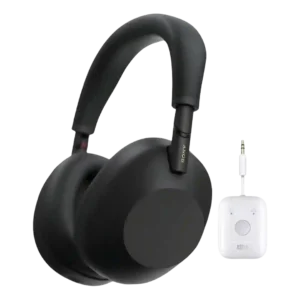
Passive isolation was a major strength in lab and hands-on impressions, helping the headphones block substantial noise even before ANC.
Pros: Smart Pause performance, Award recognition
Cons: Cable quality, USB-C
Showing Over-Ear Headphones only. Switch back to all Headphones & Earbuds anytime.
Passive isolation was a major strength in lab and hands-on impressions, helping the headphones block substantial noise even before ANC.
Pros: Smart Pause performance, Award recognition
Cons: Cable quality, USB-C
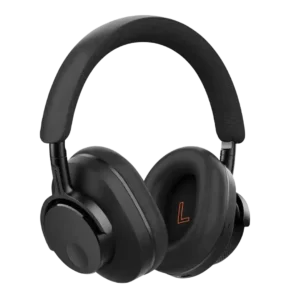
Passive noise isolation is a notable strength, with reviewers praising how much noise is blocked before ANC.
Pros: Codec support, aptX
Cons: LDAC, Water/sweat resistance rating
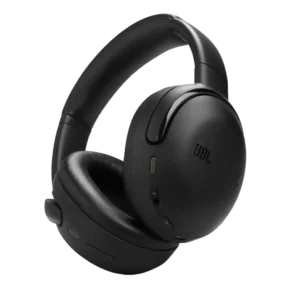
Passive isolation was praised as impressive and helpful even before active noise cancellation was enabled.
Pros: Immersive audio quality, ANC background noise level
Cons: Replaceable pads/headband, Replaceable earpads
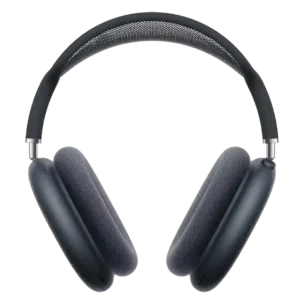
Passive isolation from the earcups helped ANC and was praised where fit fully enclosed the ears.
Pros: Button control usability, Design and Aesthetics
Cons: Water/sweat resistance rating, Included accessories
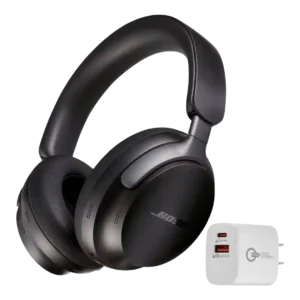
Reviewers treated noise isolation (passive) as a standout strength, with praise repeated across the supporting review evidence.
Pros: Volume output, Active noise cancellation
Cons: Water/sweat resistance rating, USB-C
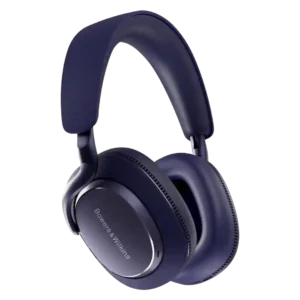
Passive isolation benefits from an easy seal and contributes meaningfully to noise reduction.
Pros: Frequency response accuracy, Multipoint connectivity reliability
Cons: LDAC, Wear detection performance
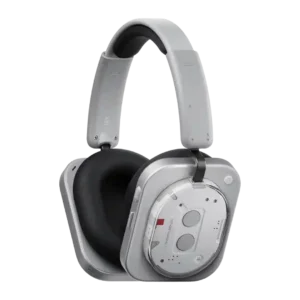
Passive isolation was a clear strength, with the ear pads and seal repeatedly helping noise reduction even before ANC.
Pros: Smart Pause performance, App
Cons: Wear detection performance, Wear detection auto-pause
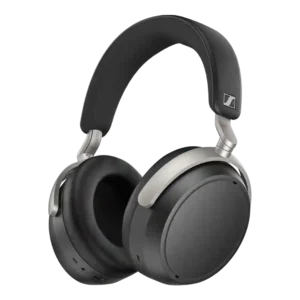
Passive isolation benefits from the deeper pads and seal, although heat retention and fit sensitivity can affect results.
Pros: Instrument separation, Charging
Cons: Xbox compatibility, Water/sweat resistance rating
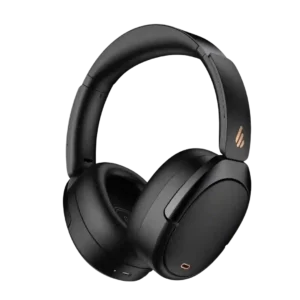
Passive isolation was praised through the protein-leather seal's ability to reduce outside noise.
Pros: Instrument separation, USB-C
Cons: Button control usability, Maximum volume clarity
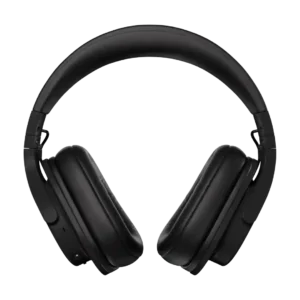
Passive isolation was considered substantial enough to reduce everyday noise, though not a full ANC substitute.
Pros: Audio-video sync accuracy, Clamping force comfort
Cons: Transparency mode quality, Sustainability and repairability
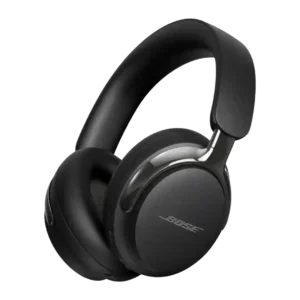
Passive isolation is considered useful and fairly good, but one reviewer notes the foam is not the thickest.
Pros: Award recognition, ANC sound impact on audio
Cons: Water/sweat resistance rating, LE Audio readiness
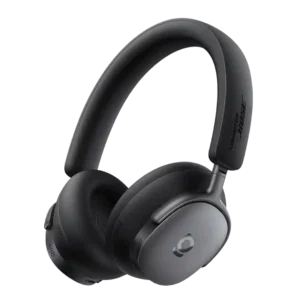
Passive isolation was mixed: several reviewers credited the seal for blocking sound, while one found almost no passive isolation.
Pros: Maximum volume clarity, Headband adjustability
Cons: Cable quality, Smart Pause performance
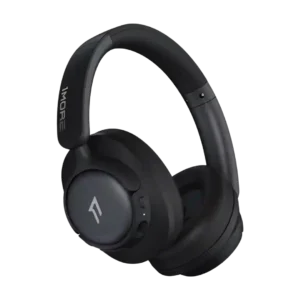
Passive isolation was decent overall, but one reviewer noted an imperfect seal while another praised low leakage and passive isolation.
Pros: Battery, ANC sound impact on audio
Cons: 3.5mm analog input availability, Treble clarity
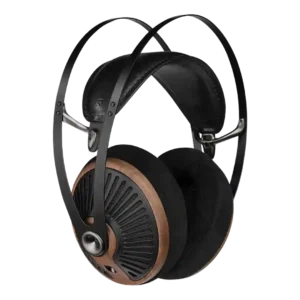
Passive isolation was considered weak or reduced, which reviewers framed as expected for an open-back design.
Pros: Sustainability and repairability, Replaceable pads/headband
Cons: Noise isolation (passive), Travel friendliness
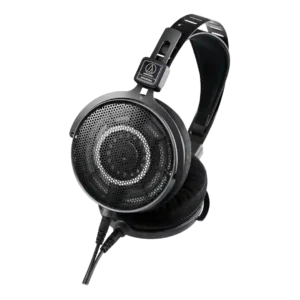
Passive isolation is limited by the open-back design, making the headphones unsuitable for recording or noisy environments despite one reviewer finding outside sounds not too distracting.
Pros: Software/setup simplicity, Weight comfort
Cons: Travel friendliness, Sound leakage
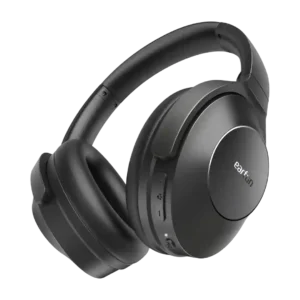
Passive isolation received weak evidence from PCMag, which said the headphones did not isolate external sound well.
Pros: Stability, Bluetooth
Cons: Smudge resistance, Smart Pause performance