#1
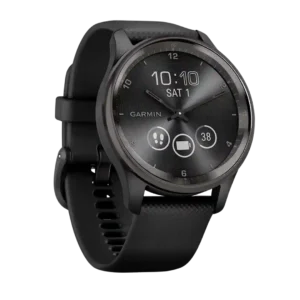
Charging convenience was a central strength thanks to Qi charging, but reviewers also reported compatibility variability, finicky pads, and clip alignment issues.
Pros: activity auto-detection, build quality
Cons: blood oxygen tracking, Bluetooth connectivity
#2
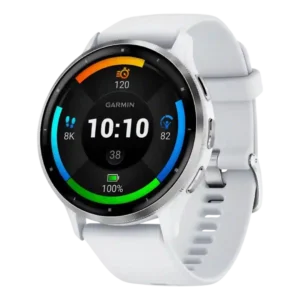
Charging convenience is mixed: long battery life reduces charger dependence, but reviewers disliked the proprietary cable and loose connector.
Pros: health tracking accuracy, software smoothness
Cons: LTE connectivity, mapping and navigation
#3
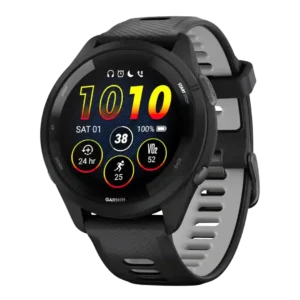
Charging convenience was mixed: one reviewer disliked the USB-C plug situation, while another appreciated faster USB-C charging.
Pros: step counting accuracy, third-party app support
Cons: ECG functionality, LTE connectivity
#4
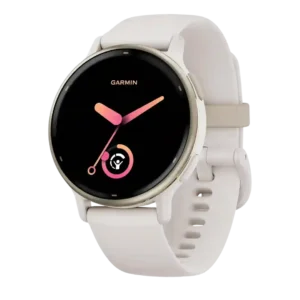
Charging convenience was mixed, with complaints about the loose/proprietary connection balanced by one secure-fit report.
Pros: fitness tracking accuracy, wellness insights
Cons: software smoothness, ECG functionality
#5
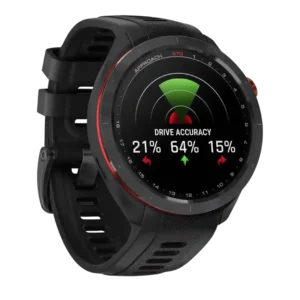
Charging convenience is the main hardware annoyance, with proprietary charging, USB-C adapter needs, and awkward face-down charging drawing criticism.
Pros: recovery insights, GPS accuracy
Cons: software smoothness, fitness tracking accuracy
#6
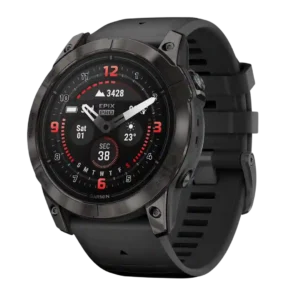
Charging convenience is mixed because the proprietary plug bothered one reviewer but did not matter much to another.
Pros: GPS accuracy, charging speed
Cons: ECG functionality, voice assistant quality
#7
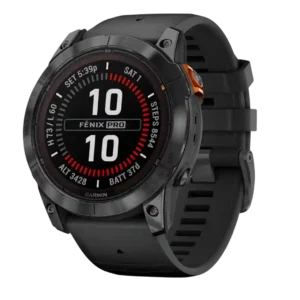
Charging convenience was mixed because long battery life helps, but one field user still warned that big days require keeping a charger handy.
Pros: GPS accuracy, app ecosystem
Cons: ECG functionality, calorie tracking usefulness
#8
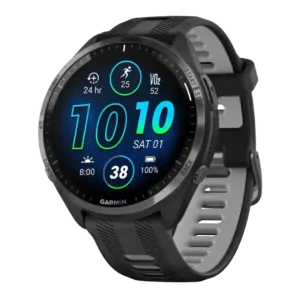
Charging convenience was a repeated weakness due to Garmin’s proprietary connector, loose cable complaints, and lack of wireless charging.
Pros: water resistance, workout tracking variety
Cons: LTE connectivity, ECG functionality