#1
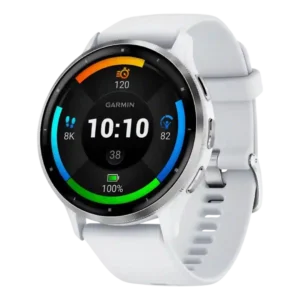
Contactless payments are convenient when set up, but evidence is mixed because setup can feel unnecessary and bank support is patchier than Apple or Google Pay.
Pros: health tracking accuracy, software smoothness
Cons: LTE connectivity, mapping and navigation
#2
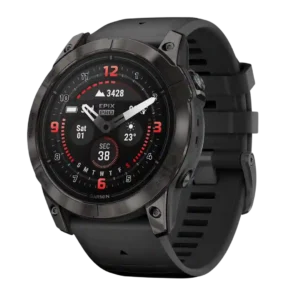
Contactless payments are polarizing: Garmin Pay can be quick and widely useful, but bank support and intuitiveness vary by region.
Pros: GPS accuracy, charging speed
Cons: ECG functionality, voice assistant quality
#3
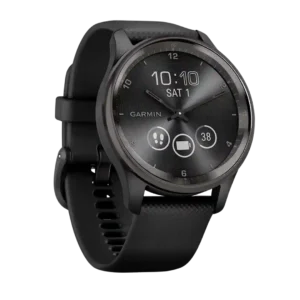
Contactless payments were useful but mixed, with easy setup in one review and bank/support slickness criticized against Apple Pay in another.
Pros: activity auto-detection, build quality
Cons: blood oxygen tracking, Bluetooth connectivity
#4
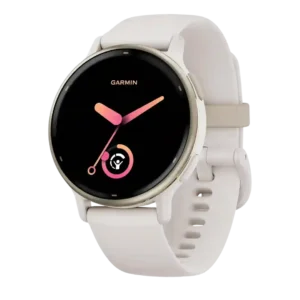
Garmin Pay worked, but reviewers repeatedly noted it was less slick or had narrower bank support than rival payment systems.
Pros: fitness tracking accuracy, wellness insights
Cons: software smoothness, ECG functionality
#5
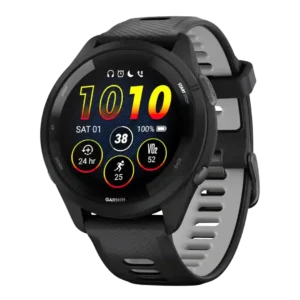
Garmin Pay was useful when supported, but bank compatibility could make contactless payments worthless for some users.
Pros: step counting accuracy, third-party app support
Cons: ECG functionality, LTE connectivity
#6
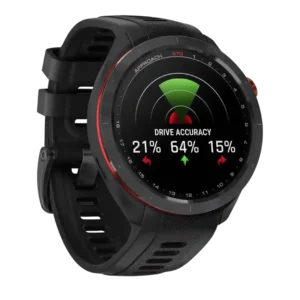
Contactless payments are limited by bank support in the evidence, especially for the UK reviewer who could not test Garmin Pay with his bank.
Pros: recovery insights, GPS accuracy
Cons: software smoothness, fitness tracking accuracy
#7
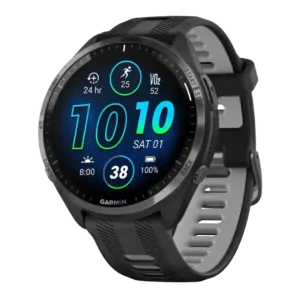
Garmin Pay was treated as useful in concept but limited by inconsistent bank support, especially outside the US.
Pros: water resistance, workout tracking variety
Cons: LTE connectivity, ECG functionality
#8
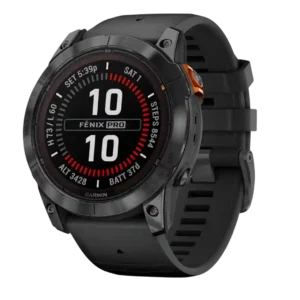
Contactless payments were criticized mainly for limited bank support, especially in the UK.
Pros: GPS accuracy, app ecosystem
Cons: ECG functionality, calorie tracking usefulness