Best for stress tracking
Oura Ring 5
4.5 feature score
Highest scored product for this feature based on supporting review evidence.
Highest scored product for this feature based on supporting review evidence.
Balances feature score, supporting reviews, and overall product strength.
Has the broadest review evidence for this feature.
Strongest overall product among items with scored evidence for this feature.
Showing Wearable Tech only. Switch back to all Activity & Fitness Trackers anytime.
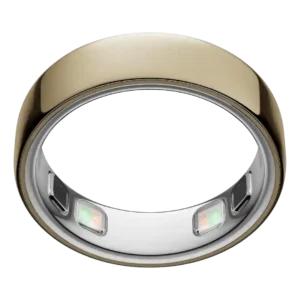
Stress tracking was considered useful for recognizing when to prioritize sleep and recovery over harder activity.
Pros: pairing reliability, comfort
Cons: GPS accuracy, cadence tracking
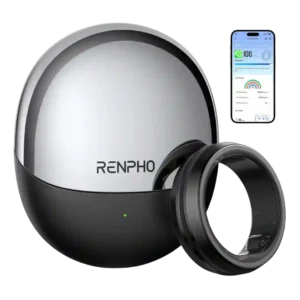
Stress tracking was consistently appreciated as a passive awareness tool, especially when tied to timelines, HRV, or prompts to slow down.
Pros: activity reminders, charging speed
Cons: swimming tracking, workout mode variety
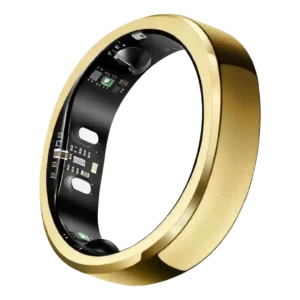
Stress tracking was viewed as useful for spotting physiological strain and daypart patterns, especially when tied to HRV and baseline trends.
Pros: pairing reliability, charging speed
Cons: alarm function, Strava compatibility
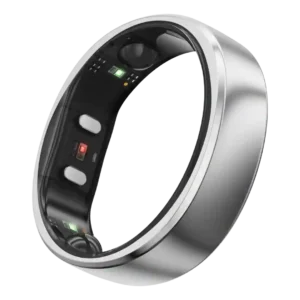
Stress tracking was generally useful and interesting for spotting patterns, though one reviewer saw false stress during fast walking.
Pros: subscription value, weight
Cons: Strava compatibility, third-party app compatibility
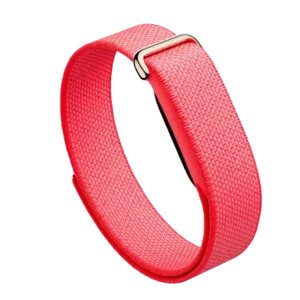
Stress-related insights can be useful when tied to sleep and routine changes, but the evidence is limited.
Pros: weight, step counting accuracy
Cons: cadence tracking, elevation tracking
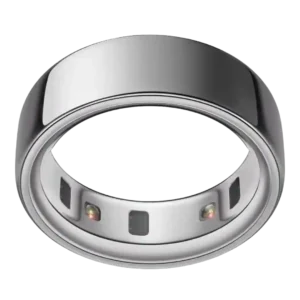
Stress tracking helped several reviewers identify patterns and recover better, but others found the stress score confusing or not always accurate.
Pros: GPS accuracy, swimming tracking
Cons: alarm function, calorie tracking usefulness
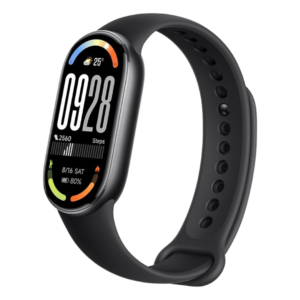
Stress tracking was treated as a useful wellness extra, but reviewers mostly framed it as a basic feature rather than a deeply validated metric.
Pros: Bluetooth reliability, weight
Cons: readiness score, GPS accuracy
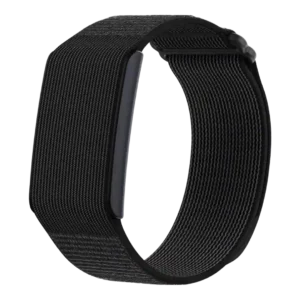
Stress tracking evidence is positive but limited, with one review grouping it among reliably monitored metrics and another finding it better when worn on the bicep.
Pros: weight, calorie tracking usefulness
Cons: app alerts, button controls
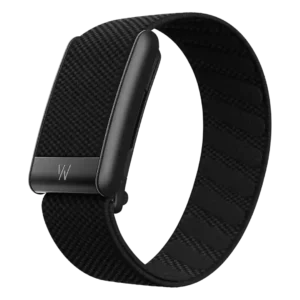
Stress tracking was useful for understanding body load and matched some reviewers’ lived experience, but one reviewer found it less informative than sleep and recovery.
Pros: activity reminders, goal tracking
Cons: music controls, smartphone notifications
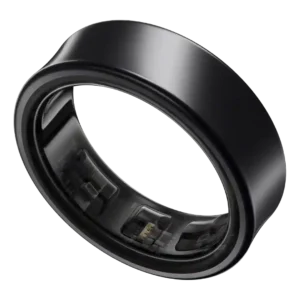
Stress tracking was useful for broad accountability in some reviews, but one reviewer found it poor at separating cardio strain from stress.
Pros: weight, charging convenience
Cons: sleep apnea monitoring, calorie tracking usefulness
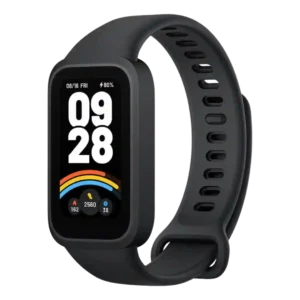
Stress tracking was considered welcome, clear, or handy, but reviewers also cautioned that it should not be treated as perfectly accurate.
Pros: alarm function, data syncing reliability
Cons: connected GPS reliability, GPS accuracy
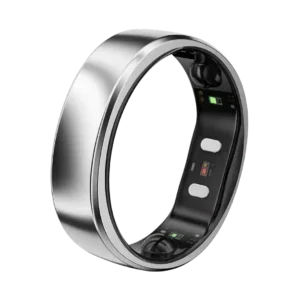
Stress tracking received mixed reactions: some liked the gentler presentation, while others felt the ring confused normal activity with stress.
Pros: pairing reliability, subscription value
Cons: smartphone notifications, workout mode variety
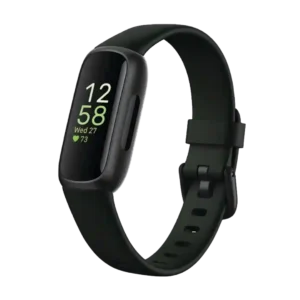
Stress tracking split reviewers: some found the score useful and actionable, while others said the Stress Management data lacked meaning or needed refinement.
Pros: fitness coaching, Strava compatibility
Cons: music controls, third-party app compatibility
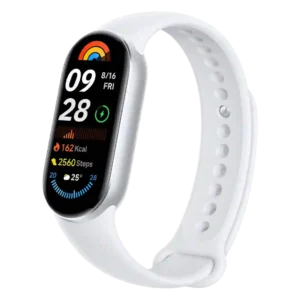
Stress tracking drew mixed reactions, from useful or handy for relaxation to one reviewer saying the stress reader did not inspire confidence.
Pros: subscription value, cadence tracking
Cons: fit, GPS accuracy
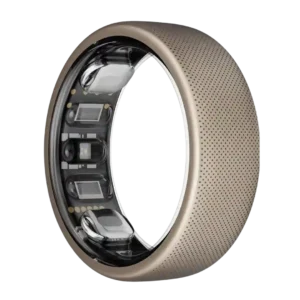
Stress tracking was divisive: some reviewers found emotional-response detection accurate or useful, while others found it confusing, unhelpful, or poorly aligned.
Pros: distance tracking accuracy, pairing reliability
Cons: automatic workout detection, activity reminders
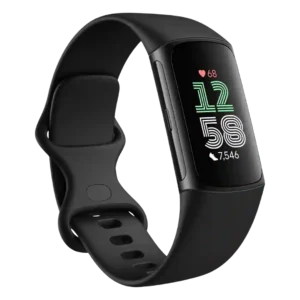
Stress tracking was divisive: some reviewers valued stress-management insights, while others found EDA scans awkward, unclear, or of limited usefulness.
Pros: Strava compatibility, workout mode variety
Cons: elevation tracking, data syncing reliability
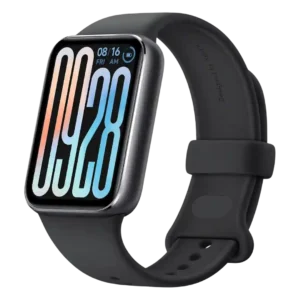
Stress tracking was treated as useful but limited, with concerns about reliability, battery cost, and its dependence on inferred sensor data.
Pros: workout mode variety, durability
Cons: activity reminders, calorie tracking usefulness
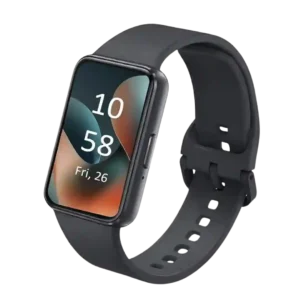
Stress tracking was one of the weaker health metrics, with reviewers saying it misread calm or stressful moments.
Pros: cadence tracking, find my phone feature
Cons: data syncing reliability, sleep apnea monitoring