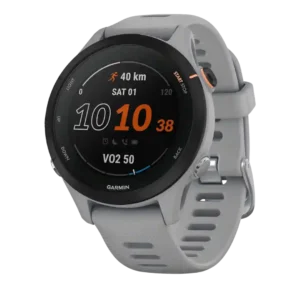
Size options were praised because the smaller S model makes serious Garmin training tools accessible to more wrist sizes.
Pros: step counting accuracy, fit
Cons: blood oxygen tracking, charging convenience
Size options were praised because the smaller S model makes serious Garmin training tools accessible to more wrist sizes.
Pros: step counting accuracy, fit
Cons: blood oxygen tracking, charging convenience
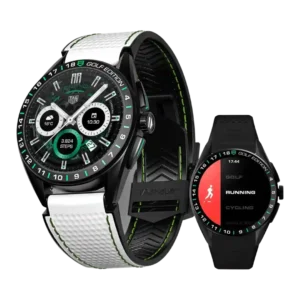
Size options are widely praised because the 42mm and 45mm versions broaden fit and style choices.
Pros: contactless payments, pairing reliability
Cons: LTE connectivity, call handling
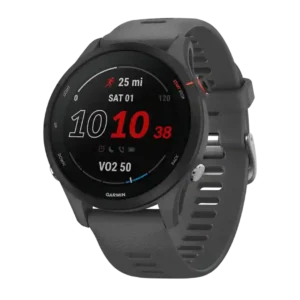
Size options were welcomed, especially the smaller 255S and same-price choice between sizes.
Pros: durability, cross-platform compatibility
Cons: stress tracking, app ecosystem
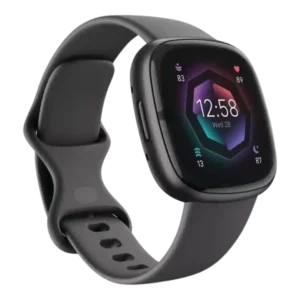
Size options evidence is limited; one reviewer thought the single size was a good compromise that fit many wrists.
Pros: pairing reliability, durability
Cons: music controls, Wi-Fi connectivity
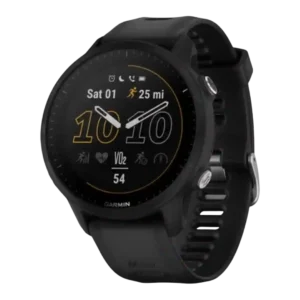
Size options were mixed because reviewers liked the light wrist feel but noted the single larger case may not suit everyone.
Pros: outdoor visibility, charging speed
Cons: LTE connectivity, call handling
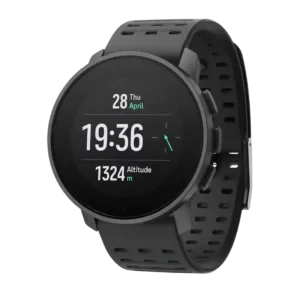
Size options were context-dependent: compactness pleased some reviewers, but others wanted a larger display or felt the 43 mm case looked small.
Pros: step counting accuracy, durability
Cons: voice assistant quality, contactless payments
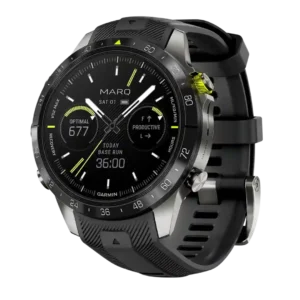
Size options were a weakness because reviewers wanted smaller choices and noted the single 46mm case could be too much watch.
Pros: pairing reliability, reliability
Cons: size options, call handling
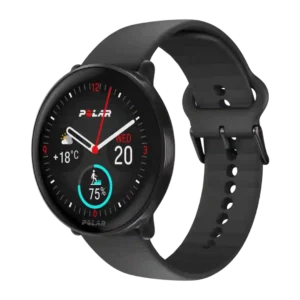
Size options were criticized in limited evidence because the watch only comes in one size.
Pros: brightness, charging speed
Cons: call handling, third-party app support