#1
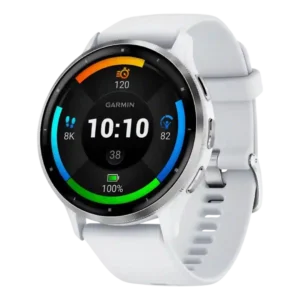
Sleep tracking is broadly praised for detailed sleep reports, nap detection, and useful coaching, though a few reviewers noted stage-estimation limits or occasional false sleep detection.
Pros: health tracking accuracy, software smoothness
Cons: LTE connectivity, mapping and navigation
#2
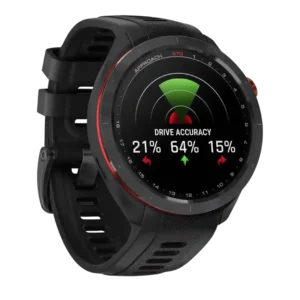
Sleep tracking is generally treated as interesting or strong, though one reviewer questioned how beneficial its daily sleep-quality warnings are.
Pros: recovery insights, GPS accuracy
Cons: software smoothness, fitness tracking accuracy
#3
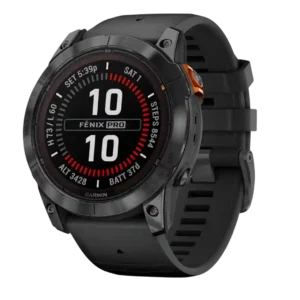
Sleep tracking accuracy was mixed, with praise for sleep-time accuracy and usefulness but one report of false nap detection.
Pros: GPS accuracy, app ecosystem
Cons: ECG functionality, calorie tracking usefulness
#4
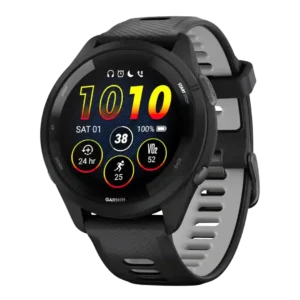
Sleep tracking drew mixed-to-positive feedback: several reviewers liked the sleep summaries, while one found sleep stages and scores inconsistent across Garmin watches.
Pros: step counting accuracy, third-party app support
Cons: ECG functionality, LTE connectivity
#5
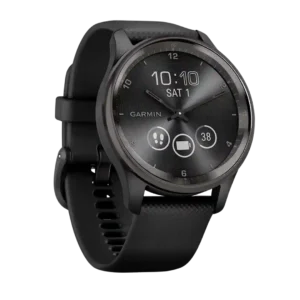
Sleep tracking received generally favorable comments for sleep and wake times or overall sleep time, but reviewers also flagged stage accuracy, occasional overcounting, and comparison discrepancies.
Pros: activity auto-detection, build quality
Cons: blood oxygen tracking, Bluetooth connectivity
#6
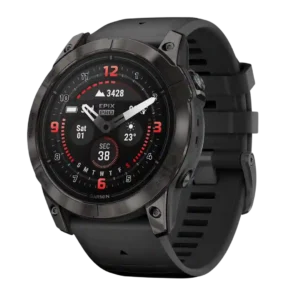
Sleep tracking accuracy is mixed: several reviewers trusted it more than before, while others saw overestimation or imperfect long-term capture.
Pros: GPS accuracy, charging speed
Cons: ECG functionality, voice assistant quality
#7
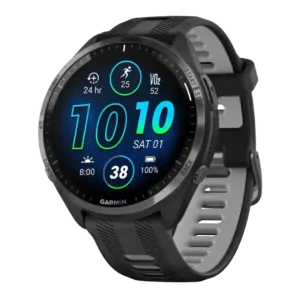
Sleep tracking was mixed: several reviewers found it excellent or improved, while others criticized sleep phases or felt results were off.
Pros: water resistance, workout tracking variety
Cons: LTE connectivity, ECG functionality
#8
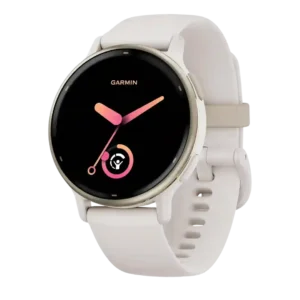
Sleep tracking was highly mixed: some reviewers found sleep and nap tracking accurate, while others reported stage or duration problems.
Pros: fitness tracking accuracy, wellness insights
Cons: software smoothness, ECG functionality