Best for AC charging speed
EcoFlow Delta 3 Plus Review
5.0 feature score
Highest scored product for this feature based on supporting review evidence.
Highest scored product for this feature based on supporting review evidence.
Balances feature score, supporting reviews, and overall product strength.
Has the broadest review evidence for this feature.
Strongest overall product among items with scored evidence for this feature.
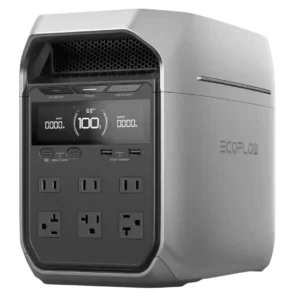
Wall charging consistently finishes in about 55–75 minutes, and the rate can be reduced when quieter operation or battery care matters more.
Pros: rated output, peak output
Cons: 30-amp output, parallel operation support
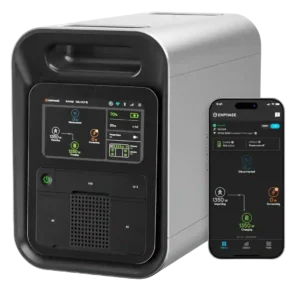
Wall charging is a standout strength, with a full recharge consistently described as taking roughly 75 minutes or just over an hour.
Pros: rated output, output stability
Cons: runtime at full load, RV outlet
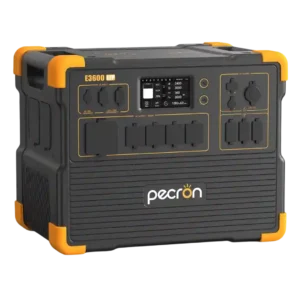
AC charging is consistently fast, with standard charging around two hours and the optional 30-amp cable cutting that substantially.
Pros: power output, rated output
Cons: output stability, voltage regulation
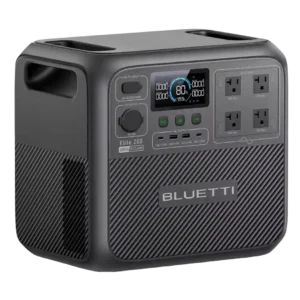
Wall charging is a standout strength, with reviewers repeatedly reaching roughly 80% in about an hour and full capacity soon after.
Pros: output stability, pure sine wave output
Cons: specification accuracy, startup reliability
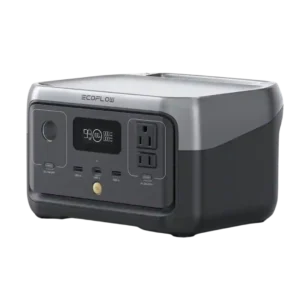
A roughly 58-60 minute wall recharge is the clearest consensus strength and changes how easily the unit can be topped up between trips.
Pros: surge capacity, output stability
Cons: dual-input charging, whole-home integration
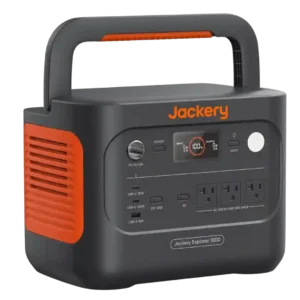
Wall charging is a standout strength: standard mode is already quick, while the app-enabled emergency mode can refill the battery in about an hour.
Pros: rated output, peak output
Cons: standby power loss, specification accuracy
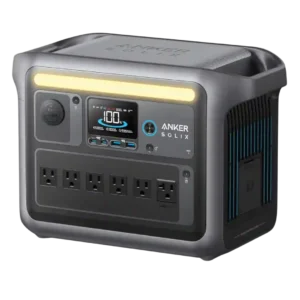
Wall charging is one of the clearest strengths, with many tests reaching full charge in roughly an hour. Ultra-fast mode is convenient, though it often brings louder fans.
Pros: power output, rated output
Cons: dual-input charging, cable storage
One-hour wall charging is a standout strength and repeatedly matches real-world testing.
Pros: noise level, idle noise
Cons: self-discharge rate, air travel suitability
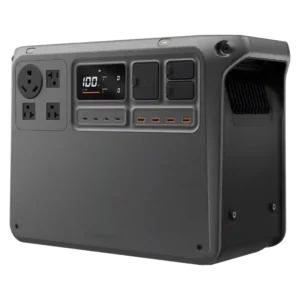
Wall charging is a standout strength, commonly reaching 80% in under an hour and full capacity in roughly 90 minutes.
Pros: rated output, peak output
Cons: startup reliability, full-load noise
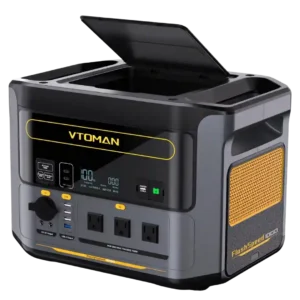
Wall charging is one of the clearest strengths: most tests reached full in roughly 70–75 minutes, with only one longer result around 95 minutes.
Pros: inverter quality, power quality
Cons: Wi-Fi connectivity, weather resistance
Turbo AC charging typically refills the battery in under two hours, and several tests matched or beat the advertised speed. Quieter charging modes trade speed for lower fan noise.
Pros: power output, rated output
Cons: USB-A ports, 12-volt outlet
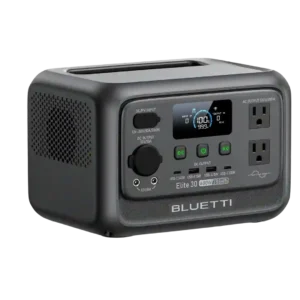
Wall charging is usually a major strength, with Turbo mode reaching roughly 80% in about 40–50 minutes and a full charge near an hour in several tests. Standard mode is...
Pros: rated output, output stability
Cons: over-voltage protection, cold-weather performance
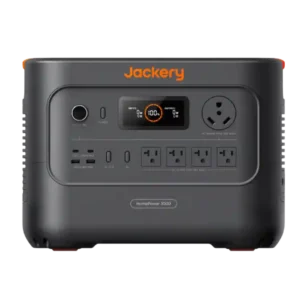
Most accounts put a full AC recharge around 1.7–1.8 hours, excellent for restoring power between outages; one test reported a slower but still acceptable result.
Pros: power output, rated output
Cons: battery expandability, car charging speed
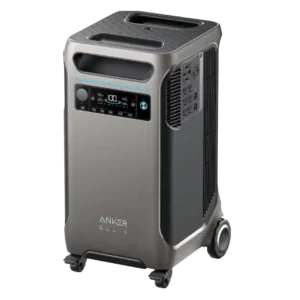
Warm units typically recharge from empty in roughly two to three hours, with several tests landing near the low end of that range. A few customers reported abnormally slow charging...
Pros: rated output, output stability
Cons: car charging speed, USB-A ports
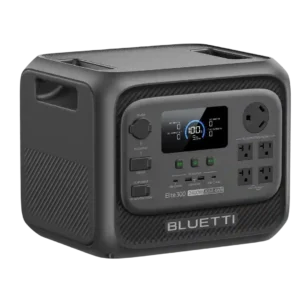
Wall charging is fast for a 3kWh battery, usually finishing in roughly 1.5 to 2.75 hours depending on mode and test conditions. One test found it slower than expected, but...
Pros: surge capacity, voltage regulation
Cons: water resistance, ventilation requirements
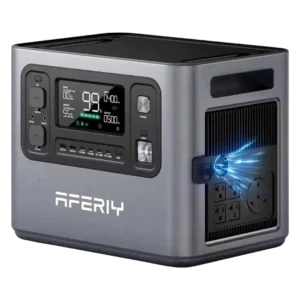
AC charging is consistently fast, typically reaching most of a charge in about an hour and a full charge in roughly 90 minutes to two hours. A few tests ran...
Pros: rated output, peak output
Cons: app connectivity, voltage regulation
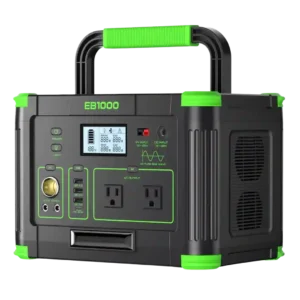
Wall charging ranges from a few hours in favorable reports to roughly seven hours in expert testing, leaving it noticeably slower than newer fast-charging competitors.
Pros: rated output, output stability
Cons: battery expandability, startup reliability
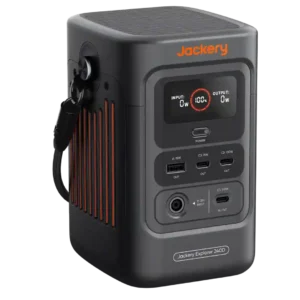
Wall-charging results vary sharply by model and adapter. Direct 240D coverage is fast with high-power or dual input, while older Explorer 240 tests took five to eight hours.
Pros: power output, rated output
Cons: AC outlet count, repairability