Best for power output
Anker Solix C1000
5.0 feature score
Highest scored product for this feature based on supporting review evidence.
Highest scored product for this feature based on supporting review evidence.
Balances feature score, supporting reviews, and overall product strength.
Has the broadest review evidence for this feature.
Strongest overall product among items with scored evidence for this feature.
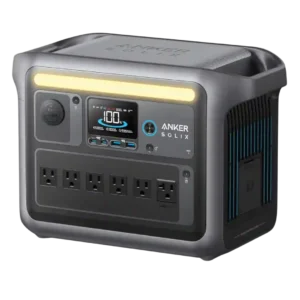
Reviewers repeatedly praise the 1,800W inverter for delivering more power than expected from such a small station.
Pros: power output, rated output
Cons: dual-input charging, cable storage
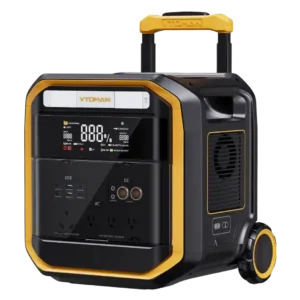
The 3,600W inverter is the product’s defining strength, comfortably supporting multiple high-wattage appliances and equipment that smaller stations cannot handle.
Pros: power output, surge capacity
Cons: specification accuracy, peak output
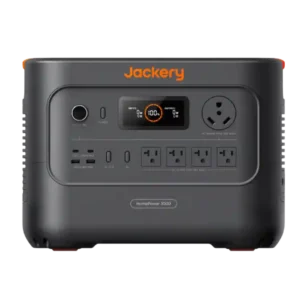
The 3,600W inverter is a standout strength, powering demanding household appliances and production gear without feeling constrained by the compact chassis.
Pros: power output, rated output
Cons: battery expandability, car charging speed
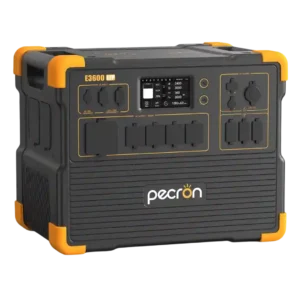
The 3,600-watt inverter is repeatedly praised for powering serious appliances and tools at a budget price.
Pros: power output, rated output
Cons: output stability, voltage regulation
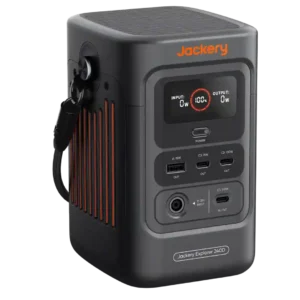
The 200W total DC output is unusually strong for the size. It supports demanding personal electronics but not AC appliances.
Pros: power output, rated output
Cons: AC outlet count, repairability
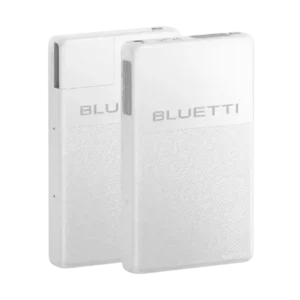
AC output was a clear strength, delivering the rated load with clean, stable performance.
Pros: power output, rated output
Cons: USB-A ports, 12-volt outlet
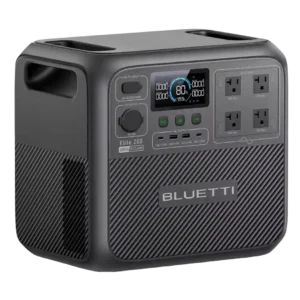
The 2,600W continuous output delivers unusually serious appliance and tool capability from such a compact station.
Pros: output stability, pure sine wave output
Cons: specification accuracy, startup reliability
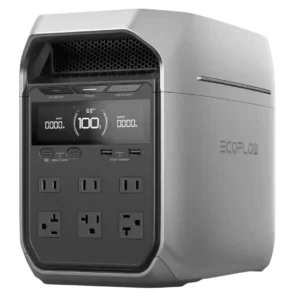
The 1,800W inverter is repeatedly praised for running refrigerators, heaters, kitchen appliances, tools, and office equipment without strain. It is best viewed as strong mid-range power rather than whole-home capacity.
Pros: rated output, peak output
Cons: 30-amp output, parallel operation support
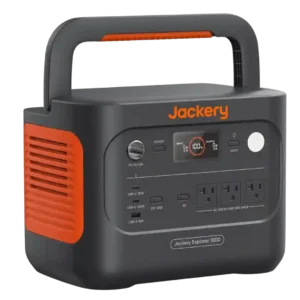
The 1,500W inverter comfortably runs most camping gear, office equipment, and household essentials, extending well beyond basic device charging.
Pros: rated output, peak output
Cons: standby power loss, specification accuracy
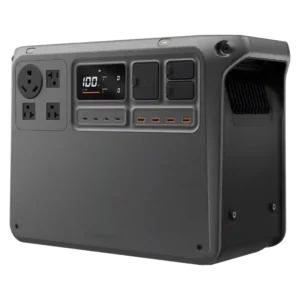
The 3,000W continuous output repeatedly handled refrigerators, kitchen appliances, power tools, production gear, and RV loads with impressive ease.
Pros: rated output, peak output
Cons: startup reliability, full-load noise
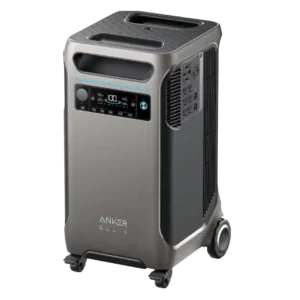
The 6,000W split-phase inverter is consistently praised and repeatedly validated with major appliances, tools, HVAC, and home circuits. It is the product’s defining advantage.
Pros: rated output, output stability
Cons: car charging speed, USB-A ports
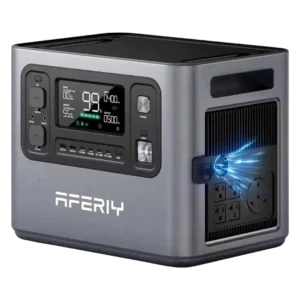
The 2,800W continuous output is the defining strength, providing enough headroom for serious appliances, tools, RV loads, and selected backup circuits.
Pros: rated output, peak output
Cons: app connectivity, voltage regulation
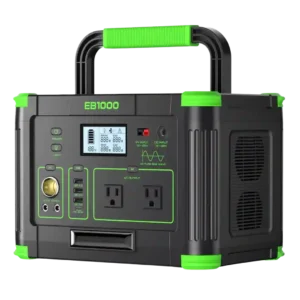
The 1000W output handles everyday electronics, tools, refrigerators, projectors, and many camping loads confidently. It falls short only when buyers expect more power than this size class can provide.
Pros: rated output, output stability
Cons: battery expandability, startup reliability
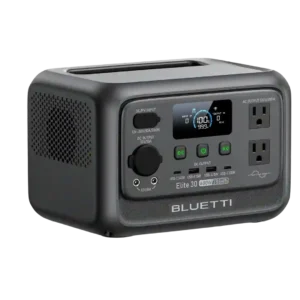
The 600W inverter is unusually capable for a 288Wh station and comfortably runs computers, Starlink, fans, lights, and many small appliances. Heavy kitchen equipment and large motors remain outside its...
Pros: rated output, output stability
Cons: over-voltage protection, cold-weather performance
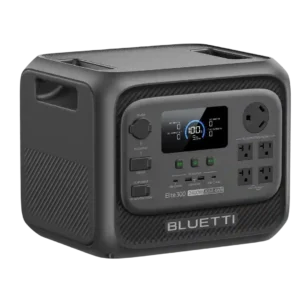
The 2,400W inverter is strong enough for most household, RV, office, and workshop loads, though it trails some 3kWh rivals and cannot replace unlimited shore or whole-home power.
Pros: surge capacity, voltage regulation
Cons: water resistance, ventilation requirements
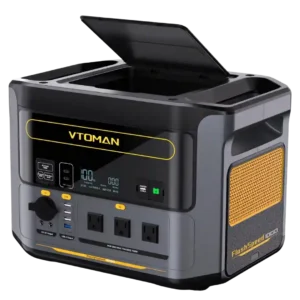
The 1,000W continuous output covers most electronics and many appliances, but buyers with sustained loads above that level need a larger model.
Pros: inverter quality, power quality
Cons: Wi-Fi connectivity, weather resistance
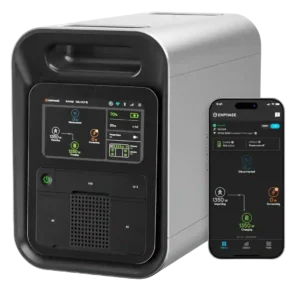
The 1,500 W continuous inverter handles everyday essentials and its rated load, but it is underpowered for whole-home backup or sustained heavy equipment.
Pros: rated output, output stability
Cons: runtime at full load, RV outlet
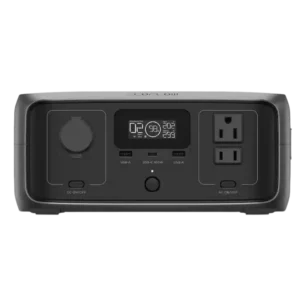
The 300W output is excellent for electronics and small appliances, not heaters, large refrigerators, or other sustained high-wattage loads.
Pros: noise level, idle noise
Cons: self-discharge rate, air travel suitability
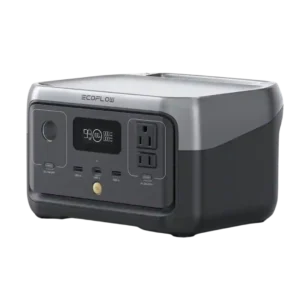
The 300W class output is useful for electronics and small appliances, but buyers repeatedly found it underpowered for broader backup needs.
Pros: surge capacity, output stability
Cons: dual-input charging, whole-home integration