Best for home backup capability
Grecell T-1000
5.0 feature score
Highest scored product for this feature based on supporting review evidence.
Highest scored product for this feature based on supporting review evidence.
Balances feature score, supporting reviews, and overall product strength.
Has the broadest review evidence for this feature.
Strongest overall product among items with scored evidence for this feature.
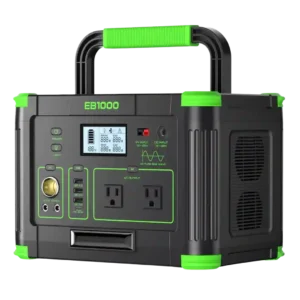
Home-backup performance is one of the strongest themes, with successful use during hurricanes, tornado outages, winter cuts, and everyday grid failures for lights, communications, refrigeration, CPAP, and work.
Pros: rated output, output stability
Cons: battery expandability, startup reliability
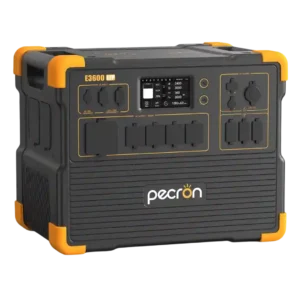
The E3600 performs very well as emergency and partial-home backup, powering essential circuits for hours or even a full day.
Pros: power output, rated output
Cons: output stability, voltage regulation
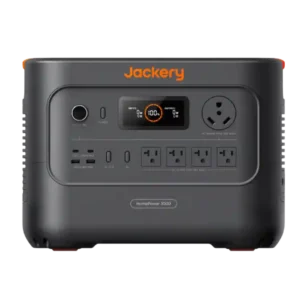
Home backup is a major strength, with enough output for demanding appliances and enough capacity to carry essential circuits through shorter outages.
Pros: power output, rated output
Cons: battery expandability, car charging speed
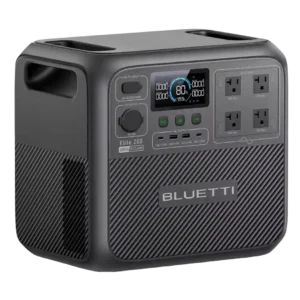
It is highly effective for essential backup, keeping refrigerators, networking, computers, pumps, and selected household circuits running during outages.
Pros: output stability, pure sine wave output
Cons: specification accuracy, startup reliability
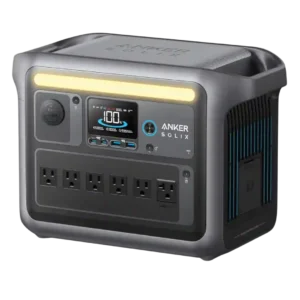
The C1000 is highly effective for short outages involving refrigerators, routers, lights, medical gear, and workstations. It is a targeted essentials backup, not a whole-home solution for days.
Pros: power output, rated output
Cons: dual-input charging, cable storage
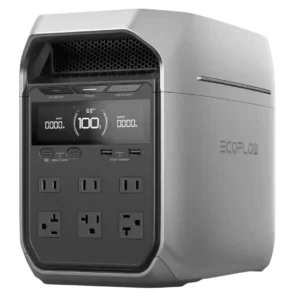
The station is highly effective for refrigerators, internet gear, lights, TVs, CPAP machines, and office equipment during outages. It is not a substitute for a large split-phase whole-home system.
Pros: rated output, peak output
Cons: 30-amp output, parallel operation support
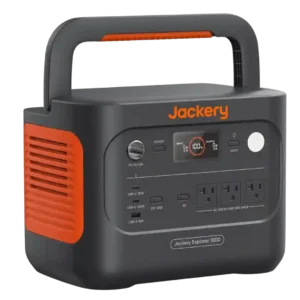
As an essentials backup, it is excellent for refrigeration, networking, lights, medical devices, and short outages without generator noise or fuel.
Pros: rated output, peak output
Cons: standby power loss, specification accuracy
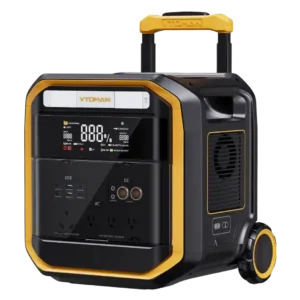
The capacity and 3,600W output make it a credible short-term home backup source for refrigeration, heating, networking, tools, and other essentials.
Pros: power output, surge capacity
Cons: specification accuracy, peak output
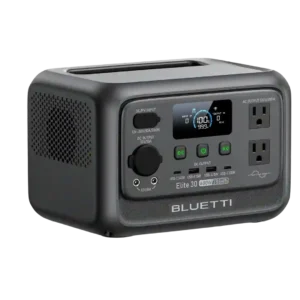
It is excellent for localized backup—routers, modems, CPAP machines, computers, lights, and phones. It is not a refrigerator-first or whole-home solution.
Pros: rated output, output stability
Cons: over-voltage protection, cold-weather performance
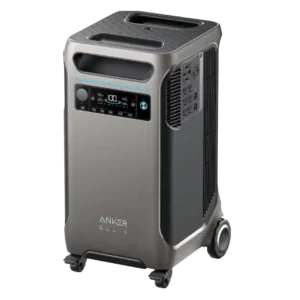
This is where the F3800 earns its strongest praise: it reliably keeps refrigerators, medical devices, lighting, internet, pumps, and even selected whole-home circuits operating. Base capacity is best for essentials...
Pros: rated output, output stability
Cons: car charging speed, USB-A ports
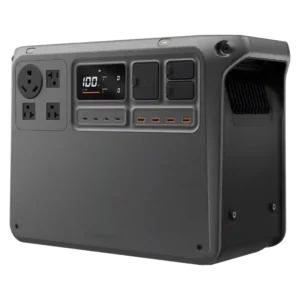
It proved highly capable for refrigerators, networking gear, computers, lights, and other essentials during outages.
Pros: rated output, peak output
Cons: startup reliability, full-load noise
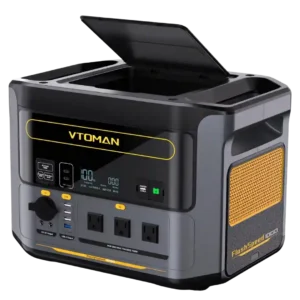
It is well suited to short outages, keeping routers, computers, lights, refrigerators, and other essentials operating for several hours.
Pros: inverter quality, power quality
Cons: Wi-Fi connectivity, weather resistance
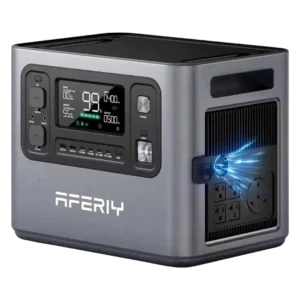
The P280 is well suited to short outages, keeping refrigeration, internet, lights, and selected appliances running. Expansion batteries make longer backup periods far more practical.
Pros: rated output, peak output
Cons: app connectivity, voltage regulation
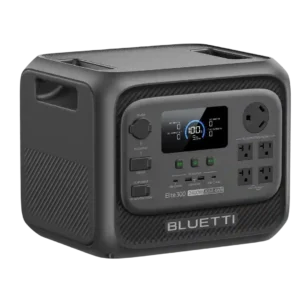
It is highly effective for selected essentials such as refrigerators, routers, lights, computers, and kitchen appliances during short or medium outages.
Pros: surge capacity, voltage regulation
Cons: water resistance, ventilation requirements
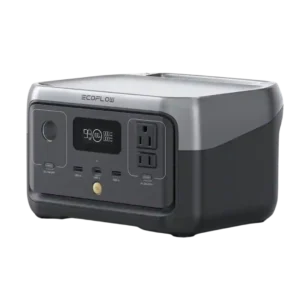
It is effective for routers, lights, phones, and other essentials during short outages, but the small battery is not a substitute for whole-home or long-duration backup.
Pros: surge capacity, output stability
Cons: dual-input charging, whole-home integration
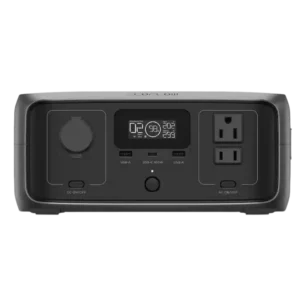
The River 3 is excellent for localized backup of routers, lights, computers, and medical accessories, not whole-home power.
Pros: noise level, idle noise
Cons: self-discharge rate, air travel suitability
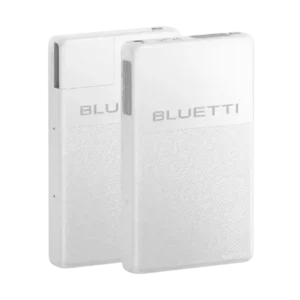
It works well as targeted backup for a refrigerator, freezer, sump pump, aquarium, or medical device. It is most practical for renters and homes that do not need whole-house coverage.
Pros: power output, rated output
Cons: USB-A ports, 12-volt outlet
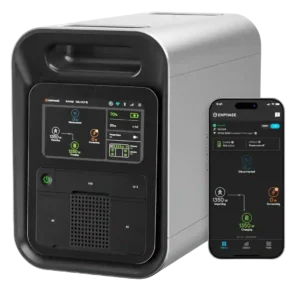
It works well for refrigerators, routers, lights, and work equipment during short outages. It is not a critical-load-panel or whole-house solution.
Pros: rated output, output stability
Cons: runtime at full load, RV outlet
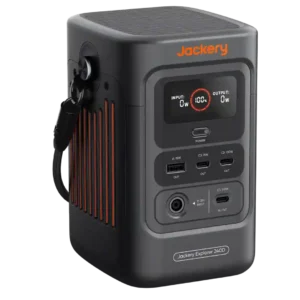
The 240D is useful during short outages for phones, laptops, lights, cameras, and connectivity gear. It is not a substitute for appliance or whole-home backup.
Pros: power output, rated output
Cons: AC outlet count, repairability