Best for battery capacity
Jackery Explorer 3000 v2
5.0 feature score
Highest scored product for this feature based on supporting review evidence.
Highest scored product for this feature based on supporting review evidence.
Balances feature score, supporting reviews, and overall product strength.
Has the broadest review evidence for this feature.
Strongest overall product among items with scored evidence for this feature.
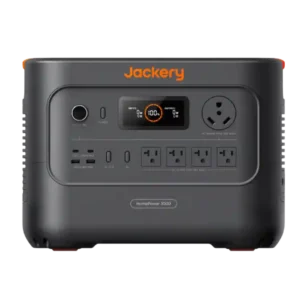
Capacity is one of the clearest strengths, providing enough stored energy for serious home backup, off-grid work, and long equipment sessions.
Pros: power output, rated output
Cons: battery expandability, car charging speed
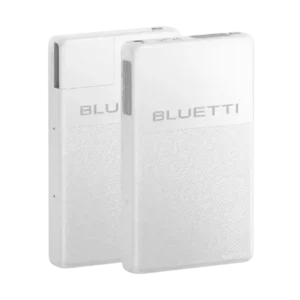
The 2,016Wh base capacity is substantial for such a thin appliance-style design and typically covers about a day or more of fridge use.
Pros: power output, rated output
Cons: USB-A ports, 12-volt outlet
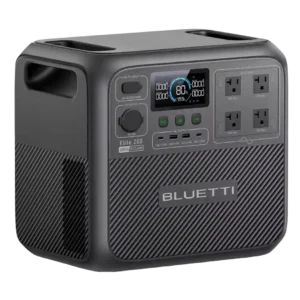
The roughly 2kWh capacity supports long appliance runtimes, multi-day device charging, and meaningful emergency backup without becoming a huge cabinet.
Pros: output stability, pure sine wave output
Cons: specification accuracy, startup reliability
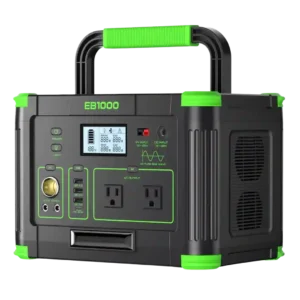
The 999Wh battery offers a useful middle ground between portability and endurance, with enough capacity for overnight medical devices, camping equipment, and outage essentials.
Pros: rated output, output stability
Cons: battery expandability, startup reliability
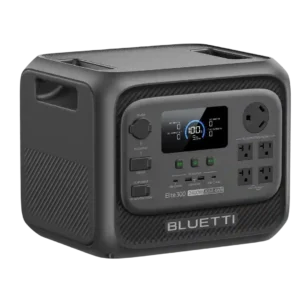
The 3,014Wh battery is the product's defining strength, delivering unusually deep reserves in a body closer to many 2kWh stations.
Pros: surge capacity, voltage regulation
Cons: water resistance, ventilation requirements
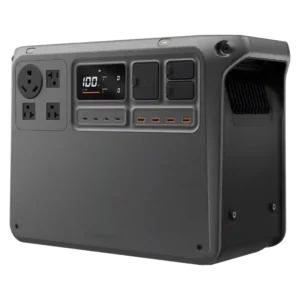
The 2,048Wh battery offers substantial useful energy in a relatively compact body and supports multi-hour or multi-day use depending on load.
Pros: rated output, peak output
Cons: startup reliability, full-load noise
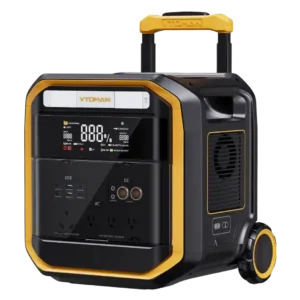
The roughly 3.1kWh pack is consistently described as substantial, giving the station enough reserve for multiple devices, long low-draw runtimes, and serious backup work.
Pros: power output, surge capacity
Cons: specification accuracy, peak output
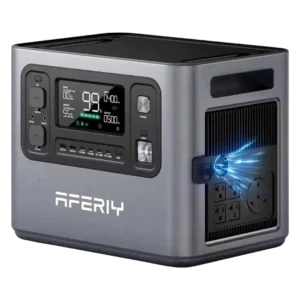
The 2,048Wh base battery is considered ample for shorter outages, RV use, and several hours of demanding household loads.
Pros: rated output, peak output
Cons: app connectivity, voltage regulation
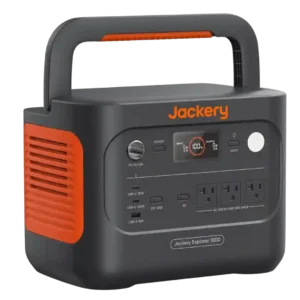
Around 1kWh gives useful endurance for fridges, laptops, lights, networking gear, and camping essentials, though sustained high-draw loads drain it quickly.
Pros: rated output, peak output
Cons: standby power loss, specification accuracy
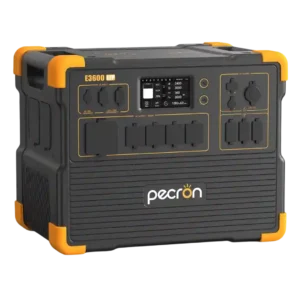
The 3,072Wh battery offers substantial storage for backup and off-grid use, though full-cabin users may still want expansion packs.
Pros: power output, rated output
Cons: output stability, voltage regulation
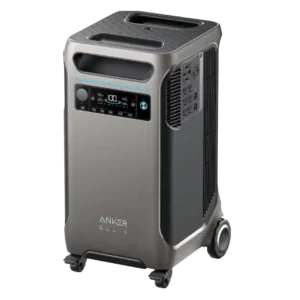
The 3.84kWh base battery is substantial for refrigerators, lights, electronics, and shorter outages. Some buyers still find it too small for unrestricted whole-home use.
Pros: rated output, output stability
Cons: car charging speed, USB-A ports
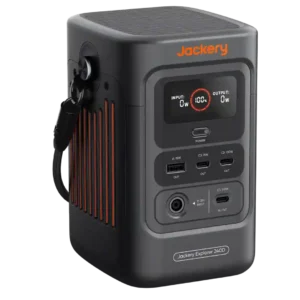
The 256Wh capacity is generous for phones, laptops, cameras, drones, and short outings, but modest for multi-day use. It works best as device backup rather than appliance backup.
Pros: power output, rated output
Cons: AC outlet count, repairability
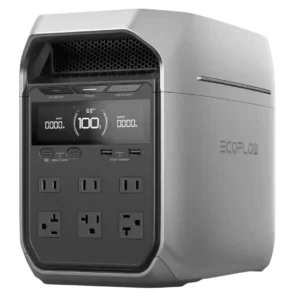
The 1,024Wh base battery is well matched to camping, networking, and short outages, though some users want more storage for refrigerators or longer off-grid use.
Pros: rated output, peak output
Cons: 30-amp output, parallel operation support
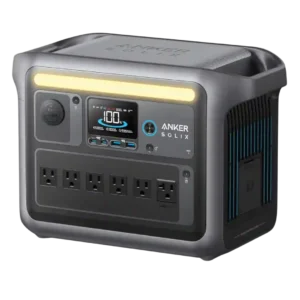
The roughly 1kWh pack is a good match for weekends, workstations, and short outages. It is not large enough for unrestricted whole-home backup or long high-draw use.
Pros: power output, rated output
Cons: dual-input charging, cable storage
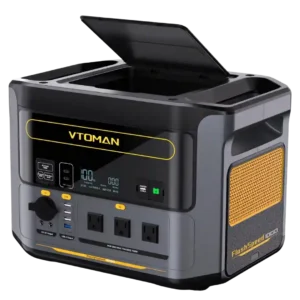
The 828Wh base battery is enough for camping electronics and short backup jobs, but several reviewers found it modest for the unit’s size and weight.
Pros: inverter quality, power quality
Cons: Wi-Fi connectivity, weather resistance
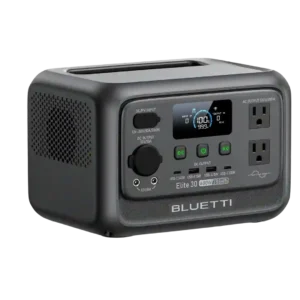
The 288Wh battery is well matched to phones, laptops, routers, CPAP machines, lights, and overnight camping loads. It feels small for heaters, kettles, household refrigerators, or multi-day off-grid use.
Pros: rated output, output stability
Cons: over-voltage protection, cold-weather performance
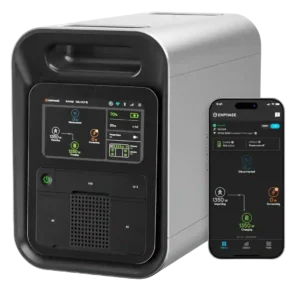
The 1.5 kWh capacity is useful for essentials, but several testers consider it modest for the price and weight.
Pros: rated output, output stability
Cons: runtime at full load, RV outlet
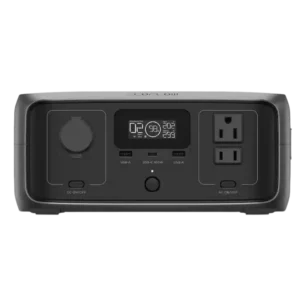
The 245Wh battery is well matched to phones, laptops, routers, lights, fans, and brief appliance use. It is plainly too small for long high-draw backup.
Pros: noise level, idle noise
Cons: self-discharge rate, air travel suitability
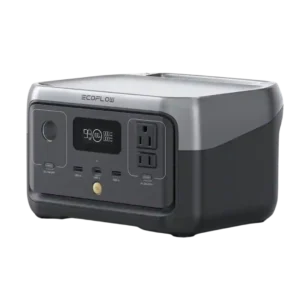
The 256Wh battery is well matched to light weekend use and mobile electronics, but it is too small for overnight refrigeration or serious home backup.
Pros: surge capacity, output stability
Cons: dual-input charging, whole-home integration