Best for Button control usability
Apple AirPods Max 2
4.9 feature score
Highest scored product for this feature based on supporting review evidence.
Highest scored product for this feature based on supporting review evidence.
Balances feature score, supporting reviews, and overall product strength.
Has the broadest review evidence for this feature.
Strongest overall product among items with scored evidence for this feature.
Showing Over-Ear Headphones only. Switch back to all Headphones & Earbuds anytime.

Review evidence is strongly positive for button control usability, with reviewers describing it as a standout strength.
Pros: Premium feel, Award recognition
Cons: aptX, LDAC

The Digital Crown and dedicated mode button are repeatedly described as intuitive and among the best control schemes.
Pros: Hinge durability, Transparency mode quality
Cons: aptX, LDAC
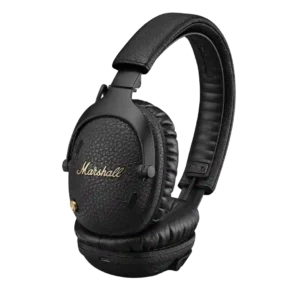
The multi-directional control knob and dedicated buttons are widely praised as intuitive, tactile, and easier to use than touch controls.
Pros: Battery, Clamping force comfort
Cons: aptX, LDAC
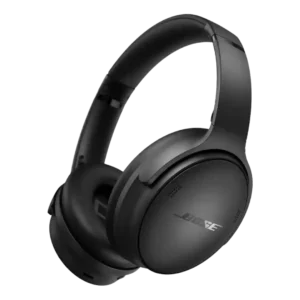
Physical buttons are widely praised as tactile, reliable, and easier than touch controls, especially for travel and cold-weather use.
Pros: Volume output, Weight comfort
Cons: aptX, LDAC
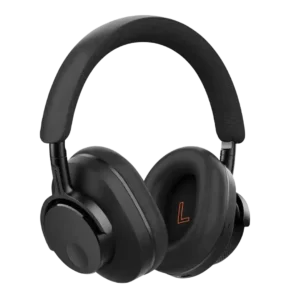
Physical button controls are consistently praised for being responsive and reliable, with clear mappings for playback, volume, ANC modes and assistant access.
Pros: Battery, Replaceable battery
Cons: LDAC, Water/sweat resistance rating

Physical controls are a strength, with tactile buttons and switches that are generally easier to trust than touch panels.
Pros: Build quality, Instrument separation
Cons: LDAC, Touch control responsiveness
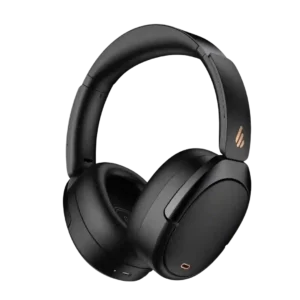
The physical controls are described as very responsive in daily use.
Pros: Microphone quality for calls, Comfort during long use
Cons: aptX, Water/sweat resistance rating
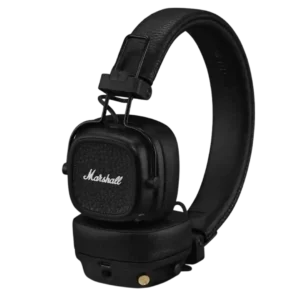
Physical button controls were a major strength, especially the joystick-style brass knob for playback, volume, calls, and power.
Pros: Battery, Connectivity options
Cons: Active noise cancellation, Transparency mode quality

Inline controls are consistently described as easy, tactile, and intuitive for playback, track skipping, and everyday use.
Pros: Charging, Design and Aesthetics
Cons: Active noise cancellation effectiveness, Maximum volume clarity

Physical buttons are praised as straightforward, tactile, and easier than uncertain touch gestures.
Pros: Bluetooth version, Battery
Cons: Water/sweat resistance rating, Wind noise handling
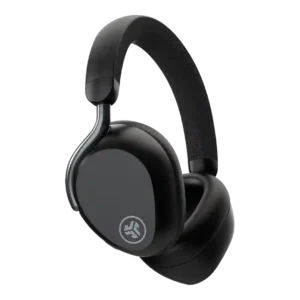
The physical-button layout is simple but well thought out, and reviewers generally found the press actions easy to learn and customize.
Pros: USB-C, Award recognition
Cons: Water/sweat resistance rating, Sidetone adjustment quality
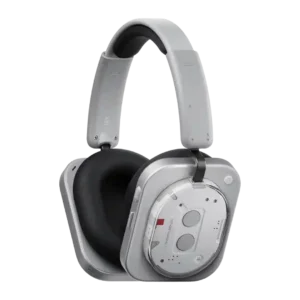
Physical controls (roller + paddle + buttons + power switch) are a major highlight for tactility, but a few reviews mention learning curve, finicky behavior, or coarse volume steps.
Pros: LDAC, Equalizer customization
Cons: Replaceable battery, Sustainability materials
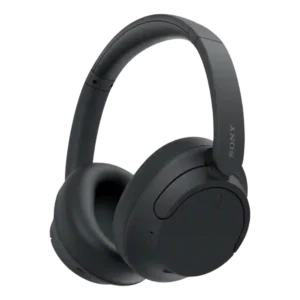
Physical buttons are broadly seen as reliable and easy to use. Multiple reviewers note the buttons can feel similar, causing occasional mis-presses until you learn them.
Pros: USB-C, Weight comfort
Cons: aptX, Water/sweat resistance rating
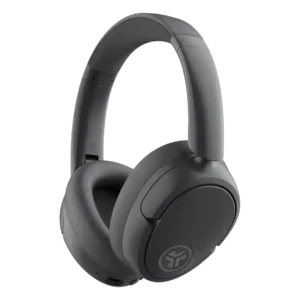
Button controls are a highlight: large, tactile, rubberized buttons are easy to find, and many functions can be customized in the app (though some buttons require firmer presses).
Pros: Battery, Cable quality
Cons: aptX, LDAC
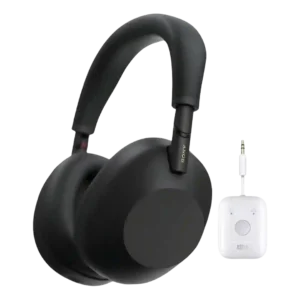
Sony’s two-button layout is praised for being easy to distinguish by feel (especially the redesigned power button), though some users still wish for more physical controls overall.
Pros: Active noise cancellation effectiveness, Weight comfort
Cons: Water/sweat resistance rating, Replaceable battery
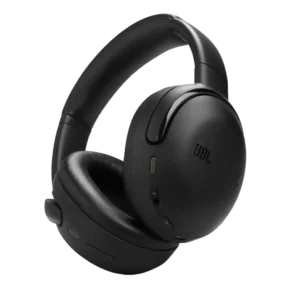
Physical controls are generally easy to find and useful, especially the dedicated volume and pairing controls.
Pros: Battery, Connectivity options
Cons: Water/sweat resistance rating, Replaceable earpads
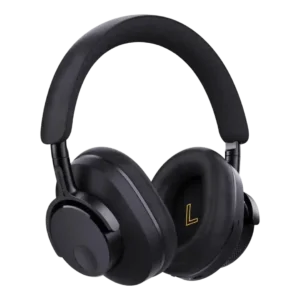
Physical buttons are appreciated for reliability and tactile feedback, but some reviewers find certain buttons small or not optimally placed.
Pros: Replaceable earpads, Replaceable battery
Cons: Water/sweat resistance rating, Touch control responsiveness
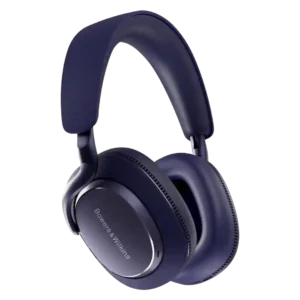
Physical buttons are a plus for many, with tactile, clicky controls that work with gloves. A few reviews call the buttons small or the control layout limited compared to feature-heavy...
Pros: aptX, Multipoint connectivity reliability
Cons: Replaceable battery, LDAC
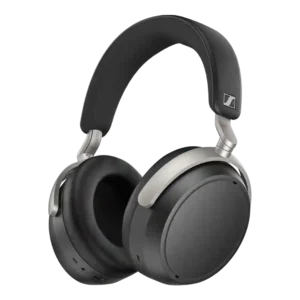
Physical controls are minimal and straightforward, with most interaction handled by touch. Some reviewers wish the lone button were mapped to a different shortcut.
Pros: Battery, Equalizer customization
Cons: Xbox compatibility, Water/sweat resistance rating
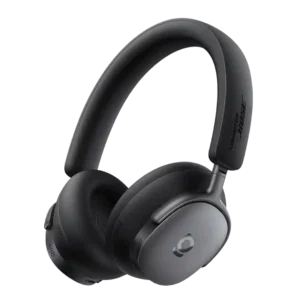
Physical buttons are generally well liked for being easy to find and clicky, but a few users find the track-skip mapping or volume stepping unintuitive.
Pros: Battery, Charging
Cons: Sensors, Wired connection sound quality
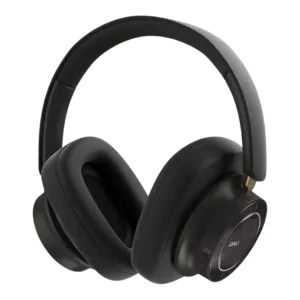
Buttons are often praised for responsiveness and tactile feedback, but a few reviewers mention accidental activation, especially when adjusting volume or leaning against a seat while traveling.
Pros: Maximum volume clarity, Replaceable earpads
Cons: App, Equalizer customization
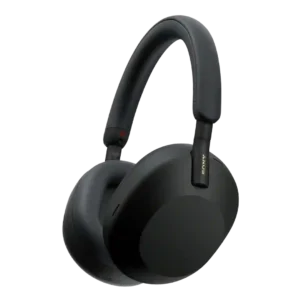
Physical buttons for power and ANC or ambient toggling are simple and easy to use alongside touch controls.
Pros: Active noise cancellation effectiveness, Weight comfort
Cons: aptX, Water/sweat resistance rating
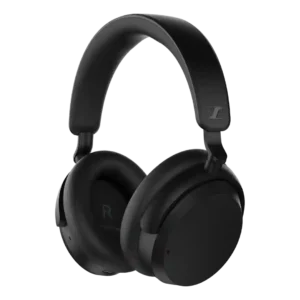
Physical buttons are generally considered reliable and easy once learned, though a few reviewers find them small, plasticky, or confusing compared with touch controls.
Pros: Audio-video sync accuracy, USB-C
Cons: Water/sweat resistance rating, Carry case quality
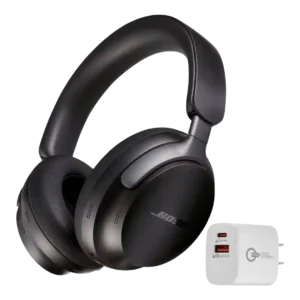
Controls mix physical buttons with a touch strip; many like the simple layout, but some dislike multi-press functions and loud button clicks.
Pros: Volume output, Comfort during long use
Cons: Water/sweat resistance rating, USB-C

Controls are described as mostly intuitive with good tactile response and glove-friendly usability, though one reviewer mentions slight rattling that feels less premium.
Pros: Weight comfort, Audio-video sync accuracy
Cons: Active noise cancellation effectiveness, Noise cancellation adjustability
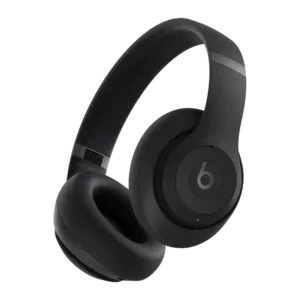
Physical controls are widely considered intuitive and reliable, especially for playback and volume. Common downsides are that clicks can be loud, some buttons feel clunky, and the power or mode...
Pros: Design and Aesthetics, Multi-platform compatibility
Cons: aptX, LDAC
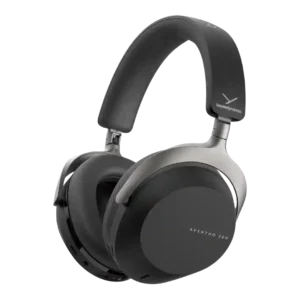
Physical buttons get mixed feedback: some find them small, mushy, or hard to distinguish by feel, while others report they work fine once learned.
Pros: aptX, Battery
Cons: Frequency response accuracy, Clamping force comfort
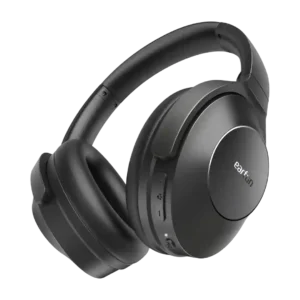
Physical controls are mostly easy to find and use, but not everyone liked the feel; some reviewers called the buttons cheap even as others found them tactile and intuitive.
Pros: Bluetooth connectivity stability, Comfort during long use
Cons: Included accessories, Cable quality
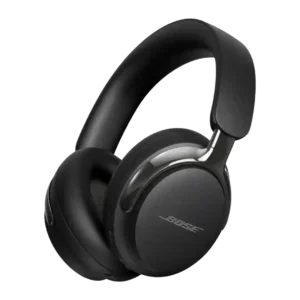
Physical buttons are serviceable but frequently criticized for doing too many functions (pairing/power, multi-press combos) and offering limited customization.
Pros: Android compatibility, Multi-platform compatibility
Cons: Water/sweat resistance rating, Dongle
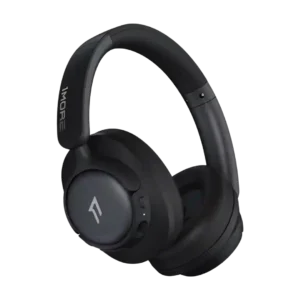
Physical controls work, but they are not especially intuitive. The biggest complaint is the reversed track-skip behavior on the volume rocker, even though button feel itself is usually decent.
Pros: Battery, Charging
Cons: Carry case quality, Sensors
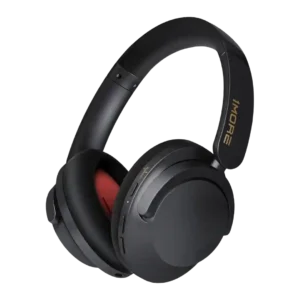
Physical buttons are generally easy to locate and clicky, but some feel plasticky or wobbly; mode chimes/voice prompts and long-press power behavior are common usability complaints.
Pros: Battery, USB-C
Cons: aptX, Water/sweat resistance rating
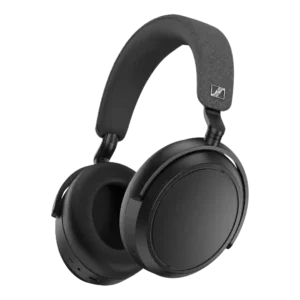
The single physical power and pairing control is sometimes criticized as finicky or confusing compared to simpler button-driven systems.
Pros: Battery, aptX
Cons: LDAC, Water/sweat resistance rating