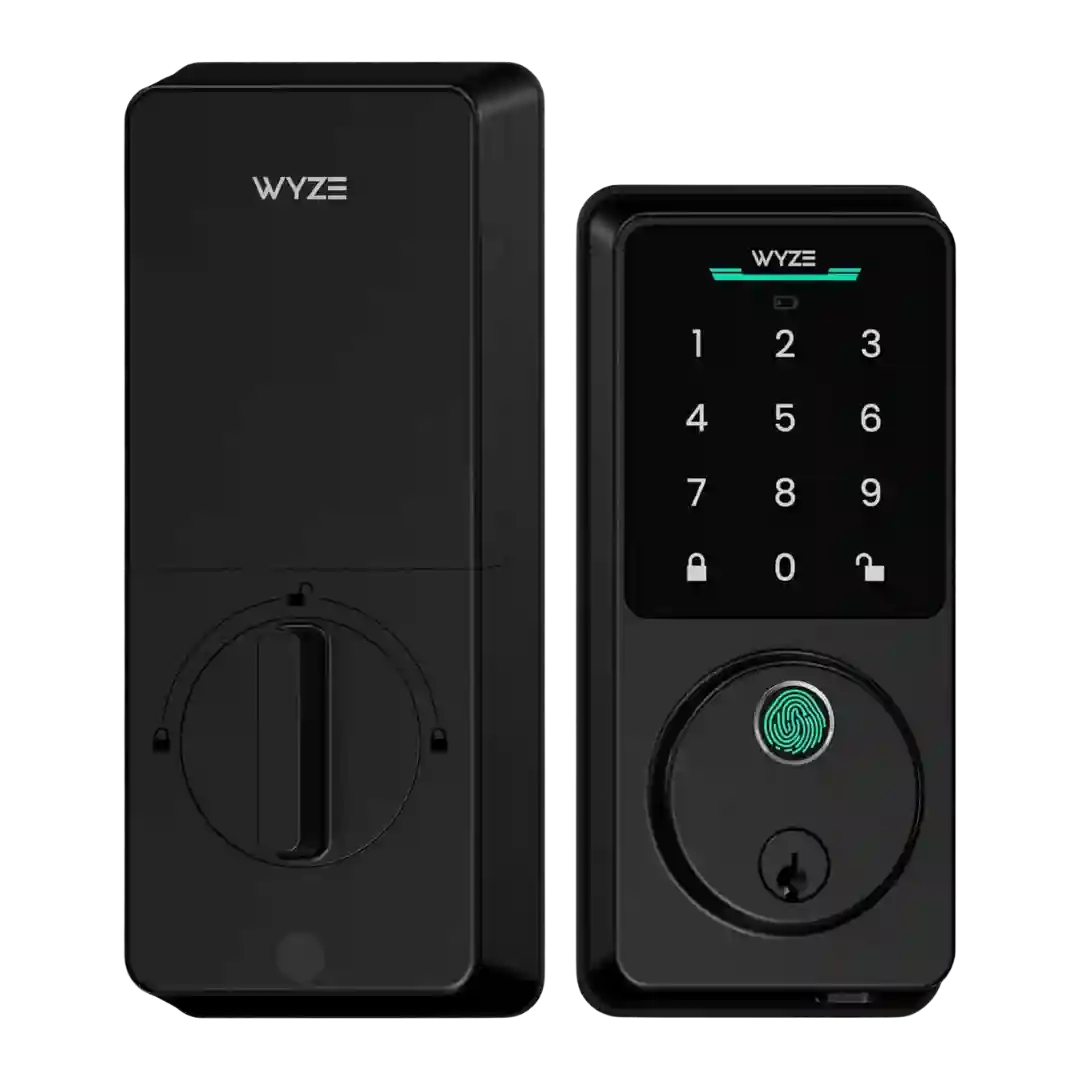
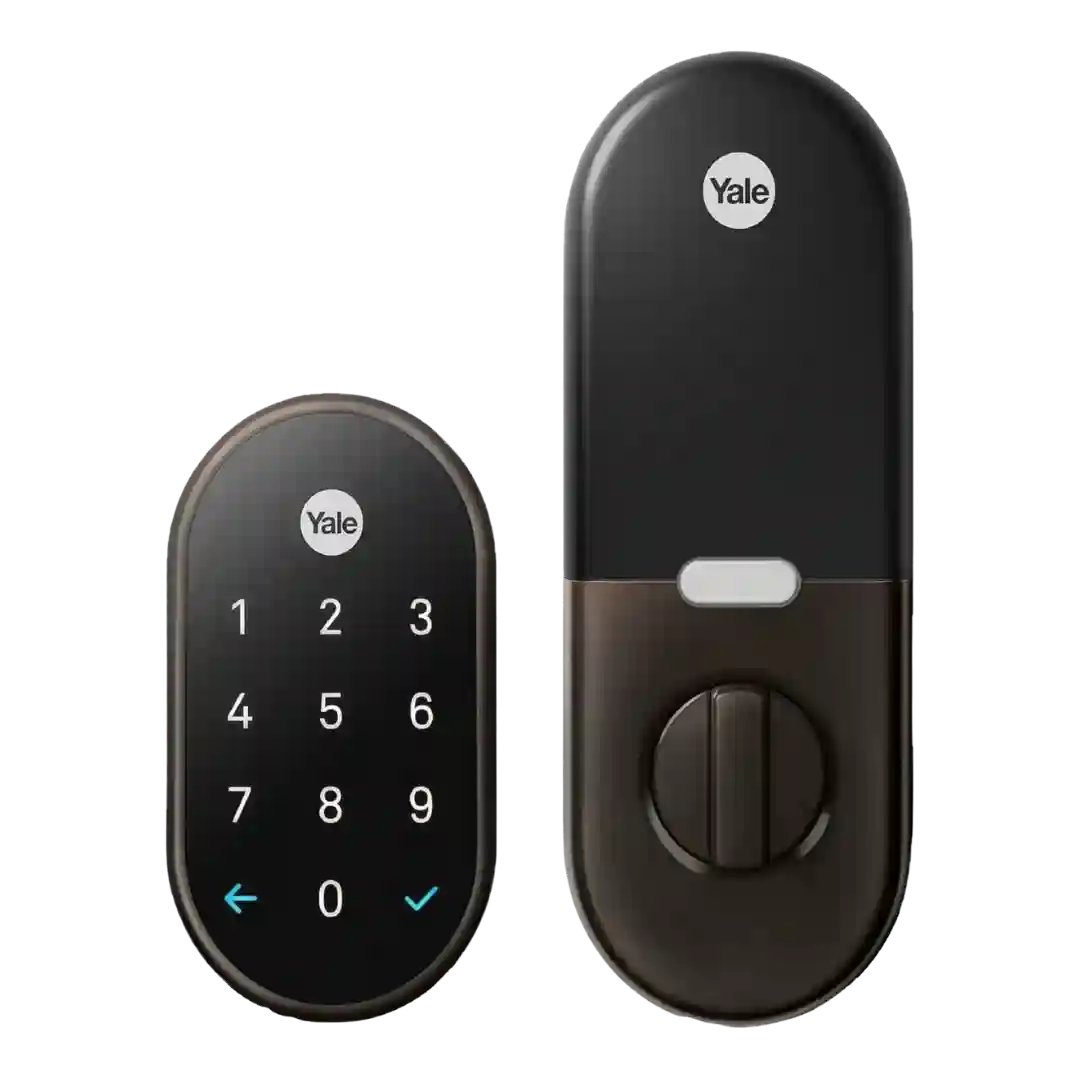
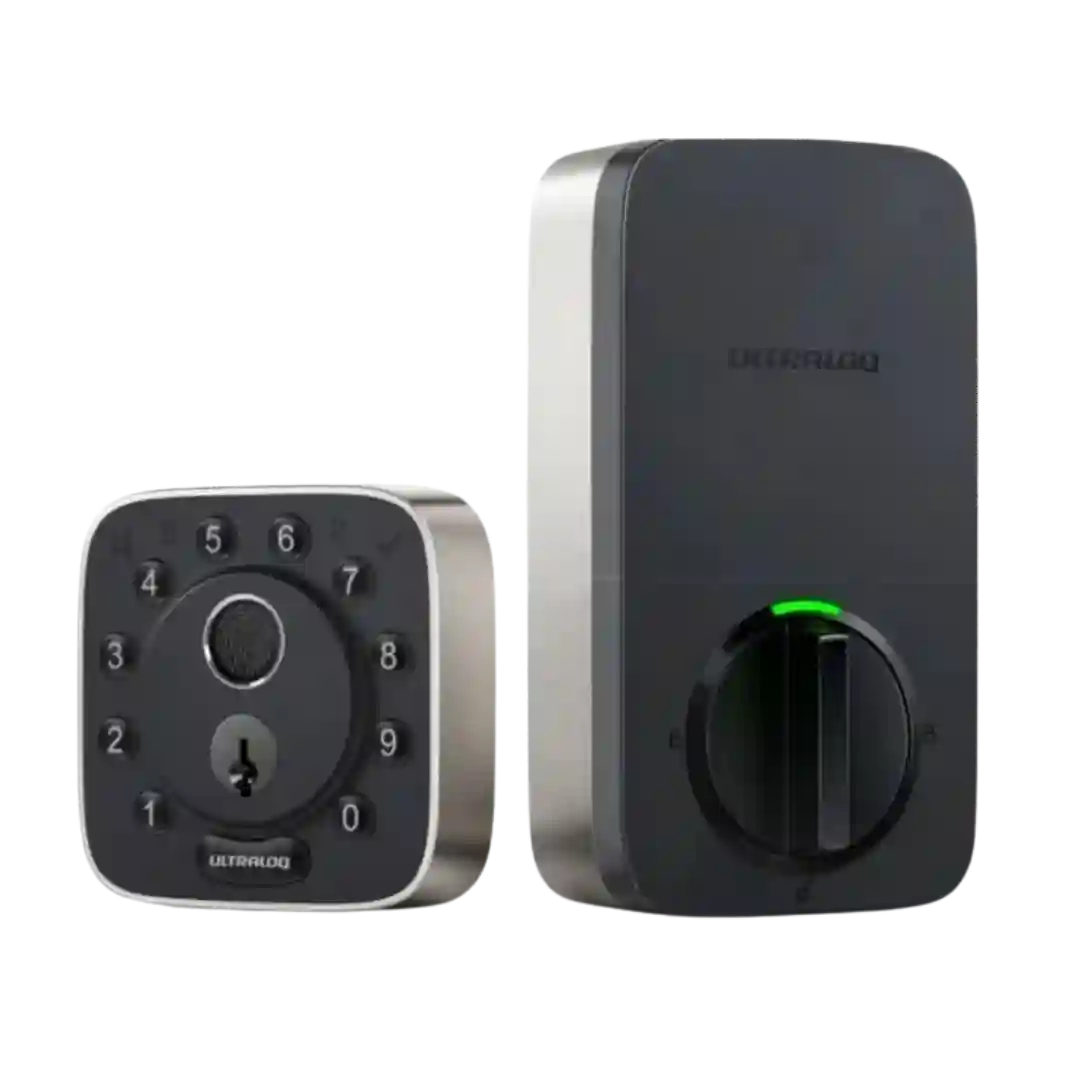
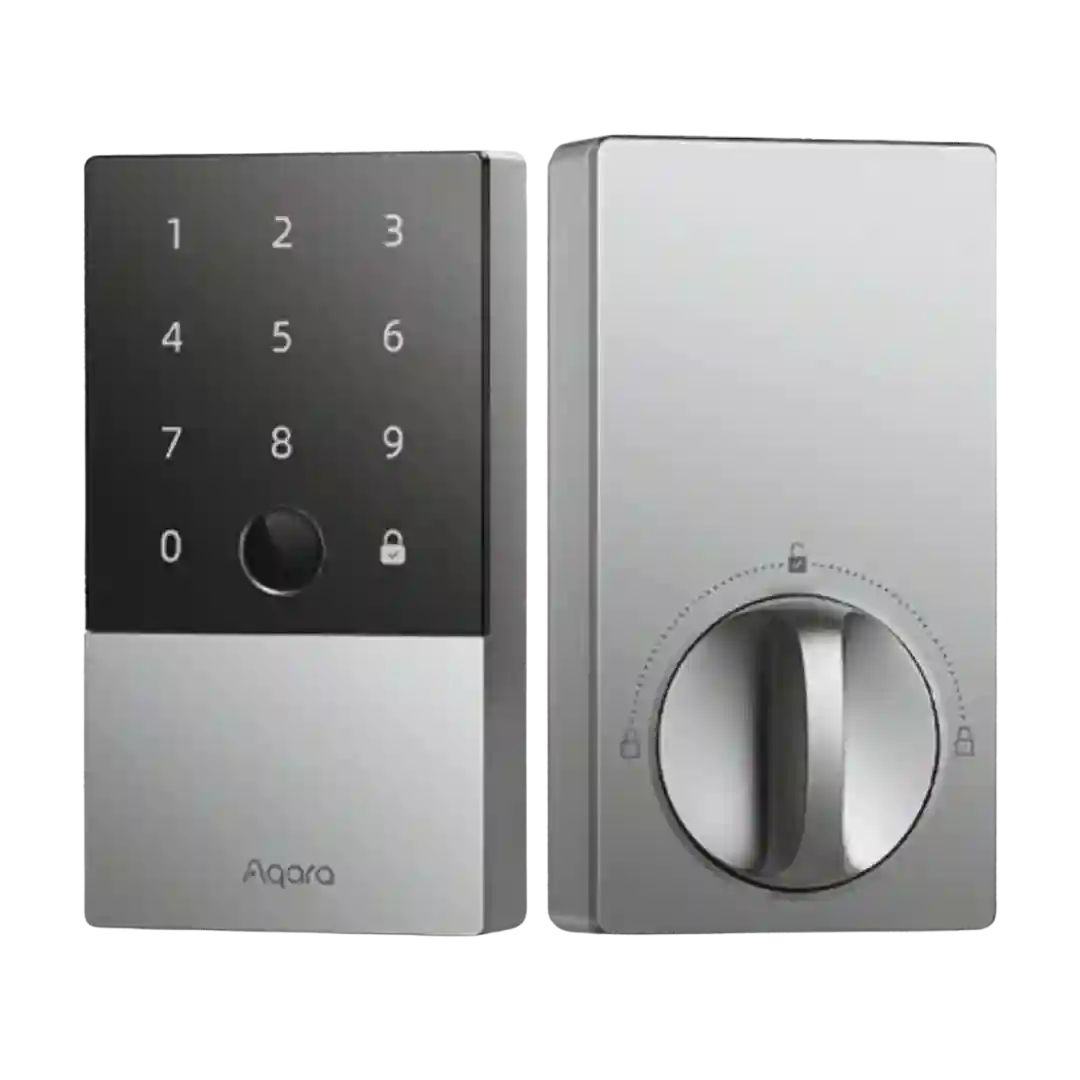
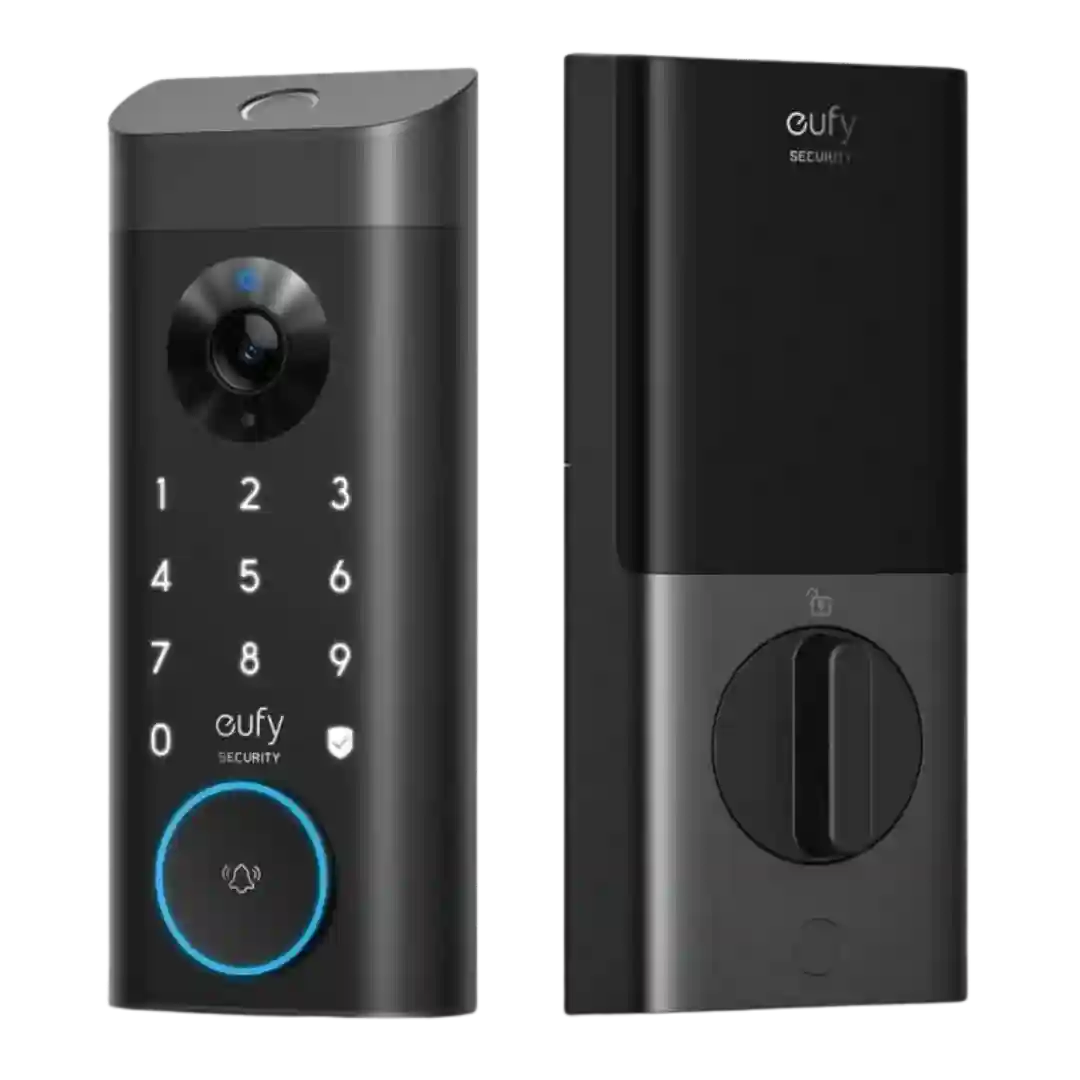
Geofencing-style automations are highlighted in app demos, including routines that lock when leaving and unlock when arriving, positioned as a standout convenience feature.
Nest Home/Away features are frequently mentioned as a way to trigger or gate auto-locking based on presence. Reviewers appreciate the concept, but it does not provide true auto-unlock when approaching.
Geofencing-based behavior is available and can work well, but reviewers disagree on reliability and speed. Some appreciate the convenience, while others find it slow or prefer not to share location continuously.
Geofencing and location-based automation options are available primarily through app automations and platform routines. They can be powerful but may be labeled beta and require always-on location permissions.
Geofencing behavior is mixed: some reviewers report a better experience than prior generations, while others call it unreliable or dependent on leaving a set radius before it will trigger properly. It can be helpful when tuned, but it is not the most universally dependable feature.
Geofencing behavior depends on phone location and how far you travel before returning; it can feel magical when it works, but some users find it finicky for short trips or unreliable in real-world use. Multiple reviews also wish for a true lock-when-leaving option.
Geofencing underpins the arrival/leave automation and is viewed as helpful by some, but its success depends on the approach path, phone behavior, and Bluetooth handoff, leading to mixed real-world consistency.
Geofencing underpins auto-unlock and some touch behaviors, typically using a ~200-meter home boundary. It can work, but many reviewers note extra constraints and prefer Home Key for faster, less error-prone entry.
Geofencing is commonly described as beta/inconsistent: some testers report sporadic triggers, missed arrivals, or reliability that depends heavily on location conditions. When it works, it’s convenient, but most sources recommend keeping a stronger backup entry method.
Geofencing is mentioned as present in some materials and apps, but reviewers say it is limited, often used for changing modes/settings rather than true automatic lock/unlock behavior.
Geofencing-based behaviors usually rely on a fixed or coarse radius (often described as about 200 meters), which works for typical comings-and-goings but can fail for short trips or multi-entry homes and may feel inflexible to tune.
Geofencing is mostly discussed as a negative point for older smart locks, with reviewers favoring UWB because it avoids the unreliable behavior they experienced from Bluetooth/geofence auto-unlock systems.
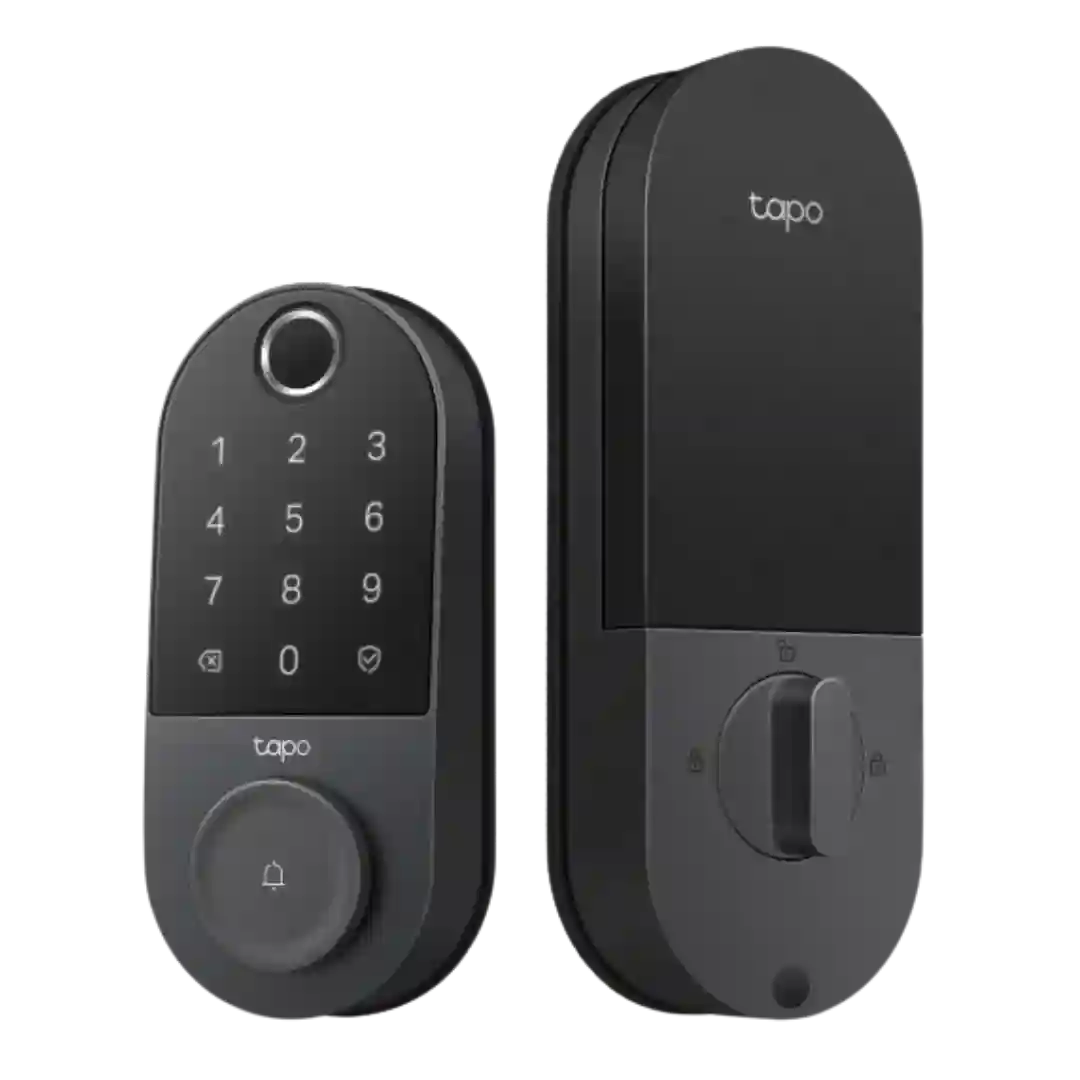
True location-based geofencing is not clearly established for the DL110 in these reviews; one related Tapo lock review explicitly notes a lack of geofencing, while DL110 coverage focuses more on Bluetooth proximity behaviors than map-based geofences.
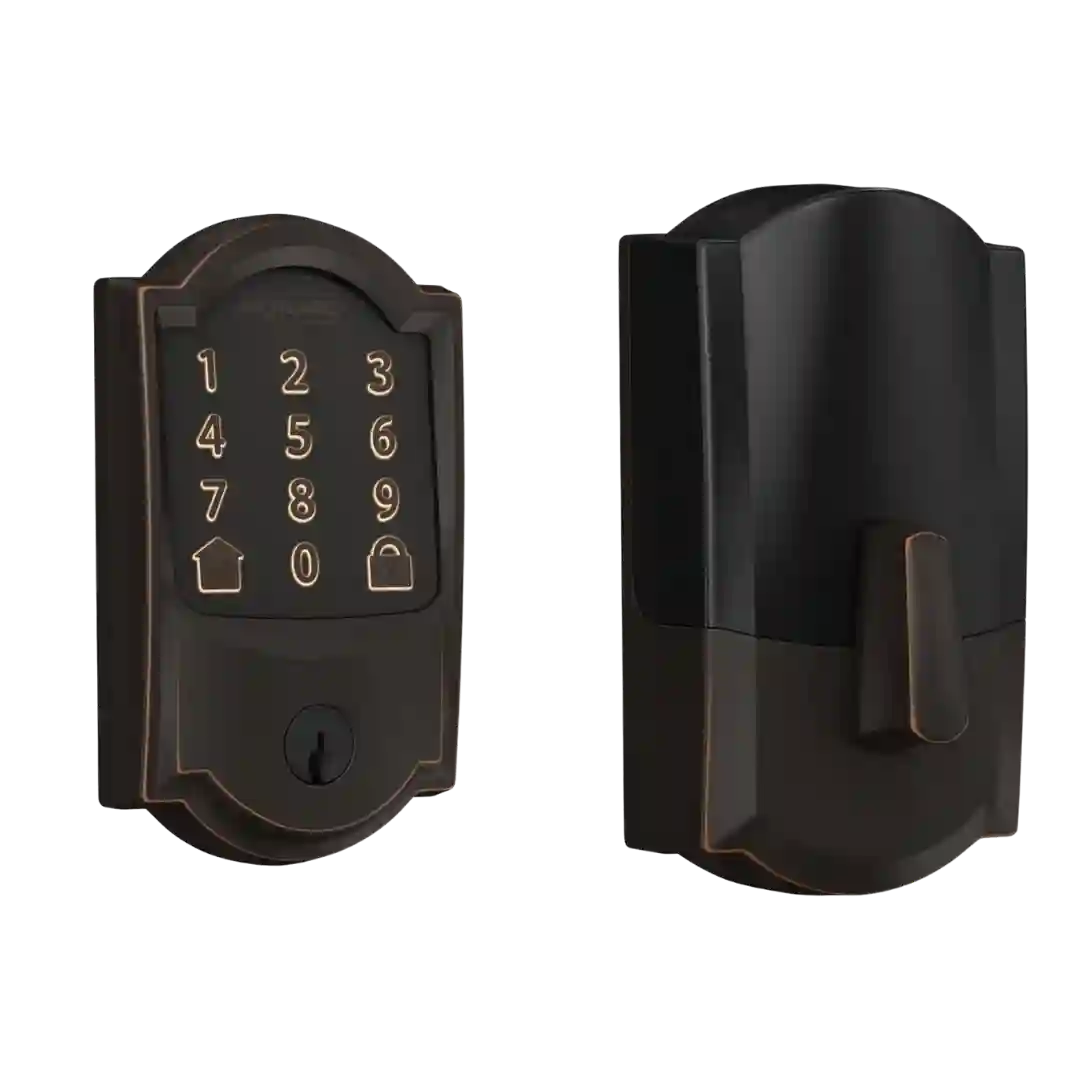
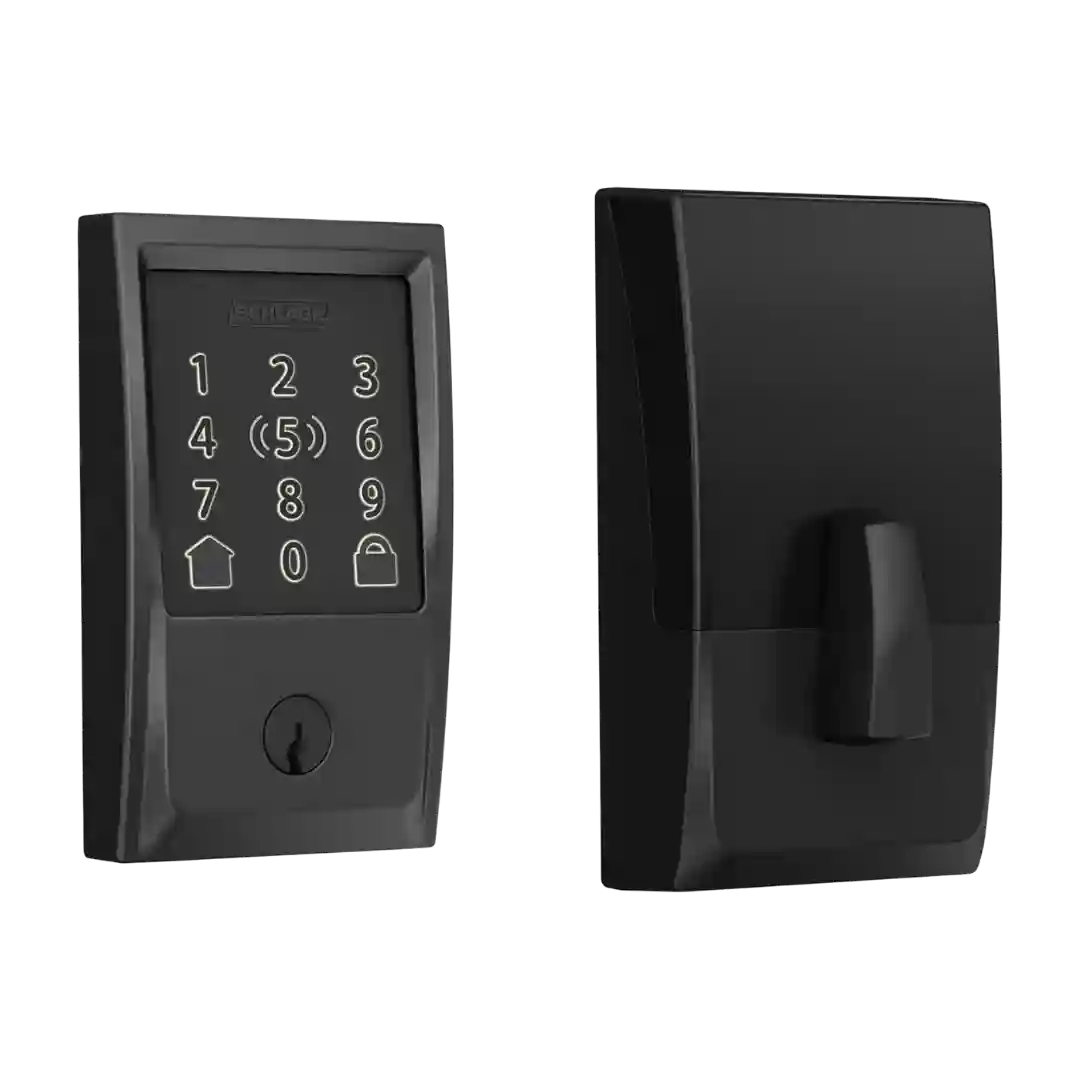
Multiple reviews explicitly call out the lack of geofencing features on this model, so proximity-based automation is not part of the Encode experience.
Geofencing is commonly called out as missing. Reviewers who want proximity-based automation rely on Apple Home automations or other platforms, but treat the lack of built-in geofencing as a gap.
Native geofencing is repeatedly called out as absent. Users wanting proximity-based unlocking generally need to rely on external automation via Alexa or Google Assistant rather than the lock app.