Best for handedness options
ASUS ROG Harpe Ace Aim Lab
4.0 feature score
Highest scored product for this feature based on supporting review evidence.
Highest scored product for this feature based on supporting review evidence.
Balances feature score, supporting reviews, and overall product strength.
Has the broadest review evidence for this feature.
Strongest overall product among items with scored evidence for this feature.
Showing ASUS only. Switch back to all brands anytime.
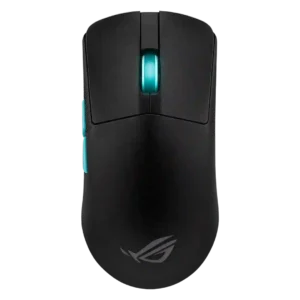
Handedness is broadly supported by the symmetrical/ambidextrous shape, but side-button placement makes it less equally convenient for left-handed use.
Pros: weight, DPI range
Cons: MMO gaming suitability, software stability
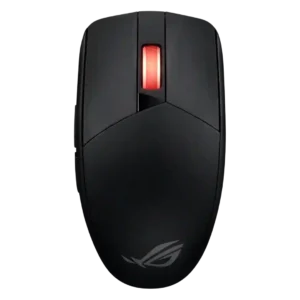
The body shape is symmetrical, but side buttons on the left make it functionally better for right-handed users.
Pros: click latency, sensor performance
Cons: palm grip comfort, skate durability
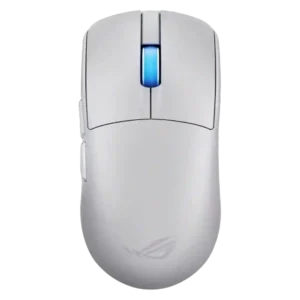
Handedness is mixed: some reviews call the shape ambidextrous or left-hander usable, while others note left-side buttons make it more right-handed.
Pros: polling rate, click latency
Cons: onboard memory, tilt gesture controls
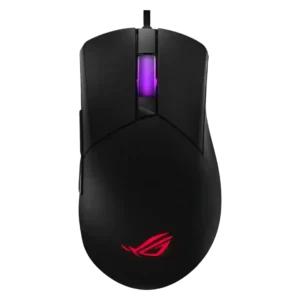
Handedness is a limitation because the evidence repeatedly frames the mouse as right-handed or non-ambidextrous.
Pros: MMO gaming suitability, software stability
Cons: handedness options
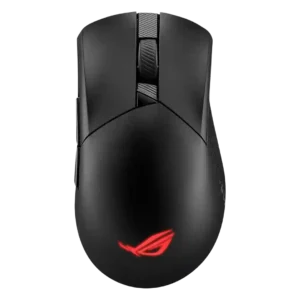
Handedness is a limitation: the mouse is repeatedly described as right-handed, with left-handed users told to look elsewhere.
Pros: click latency, connection stability
Cons: tilt gesture controls, software stability
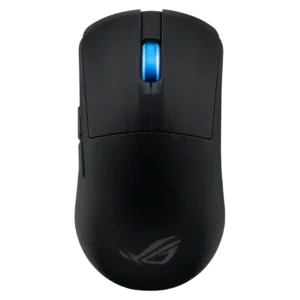
Handedness was a clear limitation: reviewers repeatedly noted side buttons on the left and right-hand-favoring design despite some symmetrical or ambidextrous shaping.
Pros: cable flexibility, weight
Cons: debounce customization, handedness options
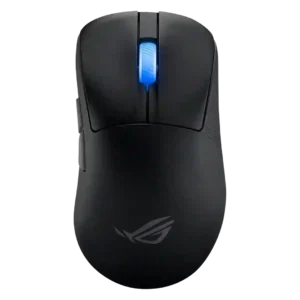
Handedness is a clear limitation because the shape is right-handed, with left-handed and ambidextrous users directed elsewhere.
Pros: DPI range, weight
Cons: debounce customization, handedness options
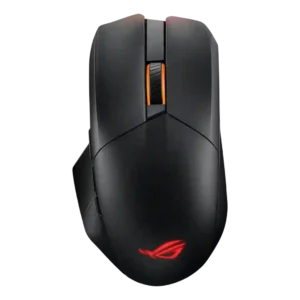
Handedness is a clear limitation because multiple reviewers described the mouse as right-handed or not ambidextrous.
Pros: polling rate, charging convenience
Cons: software stability, firmware reliability