Best for handedness options
Corsair M75 Wireless
4.7 feature score
Highest scored product for this feature based on supporting review evidence.
Highest scored product for this feature based on supporting review evidence.
Balances feature score, supporting reviews, and overall product strength.
Has the broadest review evidence for this feature.
Strongest overall product among items with scored evidence for this feature.
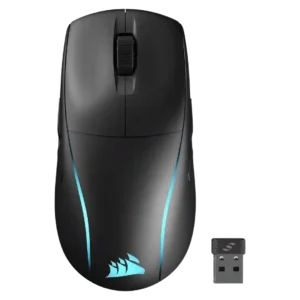
Handedness options were a core strength, with reviewers repeatedly praising true ambidextrous support and left-handed usefulness.
Pros: handedness options, Accuracy and tracking precision
Cons: tilt gesture controls, software stability
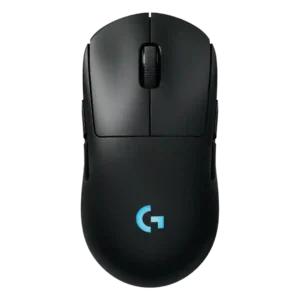
Handedness options are one of the strongest points, with repeated praise for the ambidextrous shape and swappable side buttons.
Pros: palm grip comfort, handedness options
Cons: Bluetooth support, MMO gaming suitability
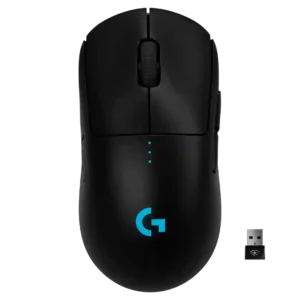
Handedness options were consistently praised because the mouse is truly ambidextrous with swappable side buttons.
Pros: polling rate, motion consistency
Cons: MOBA gaming suitability, durability over time
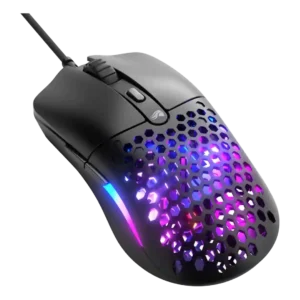
Handedness evidence was cautiously positive: the symmetrical shape helps left-handed use, although the mouse is still primarily right-handed.
Pros: value for money, click latency
Cons: water and dust resistance, cable flexibility
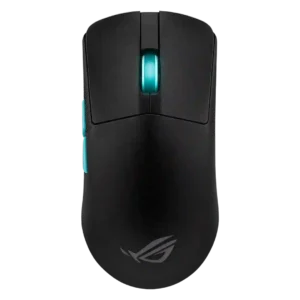
Handedness support was useful but imperfect, since the symmetrical body helps left-handers while left-side thumb buttons remain right-hand-biased.
Pros: button responsiveness, cable flexibility
Cons: firmware reliability, MMO gaming suitability
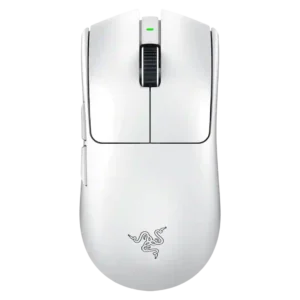
Handedness was mixed: the symmetrical shell helped left-handed use, but left-side-only thumb buttons limited true ambidextrous comfort.
Pros: click latency, balance and weight distribution
Cons: 2.4GHz connectivity, software stability
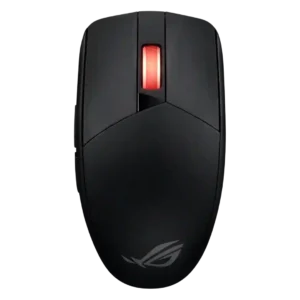
Handedness options are mixed because the symmetrical shell can work left-handed, but side buttons mainly favor right-handed use.
Pros: motion consistency, Accuracy and tracking precision
Cons: cable flexibility, palm grip comfort
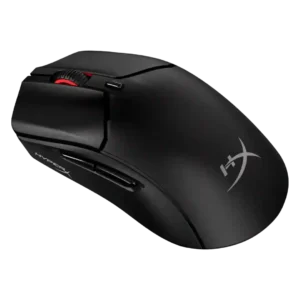
Handedness options were mixed: reviewers liked the symmetrical leftie-friendly shell, but side buttons only on the left limited true left-handed use.
Pros: long-session comfort, balance and weight distribution
Cons: software stability, firmware reliability
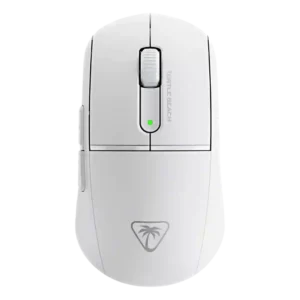
Handedness evidence was mixed: the shell is symmetrical, but right-side button absence makes it more right-hand oriented.
Pros: weight, balance and weight distribution
Cons: water and dust resistance, RGB features
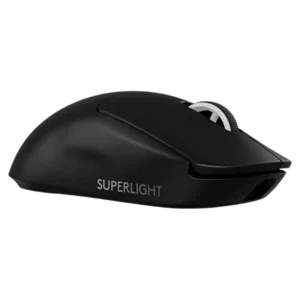
Handedness support was mixed because the symmetrical shape helps lefties, but the side buttons remain left-side only.
Pros: macro support, fingertip grip comfort
Cons: weight tuning, cable flexibility
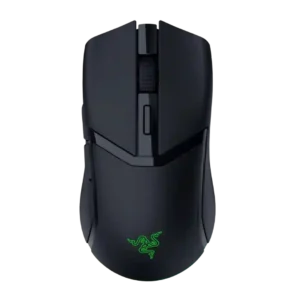
Handedness options were limited by right-side button placement despite an ambidextrous-style shell.
Pros: 2.4GHz connectivity, surface compatibility
Cons: click noise, software stability
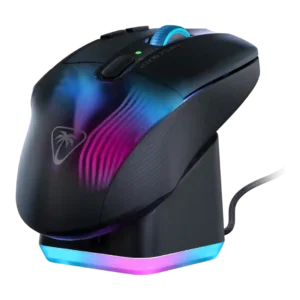
Handedness evidence was limited, but one review framed comfort as conditional on being right-handed.
Pros: click latency, motion consistency
Cons: firmware reliability, weight tuning
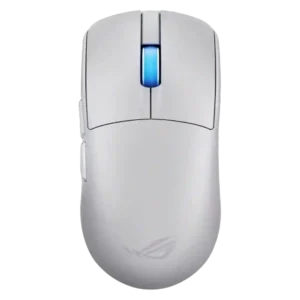
Handedness evidence was mixed: one left-handed reviewer liked it, while others noted the side-button layout favors right-handed users.
Pros: acceleration control, wireless latency
Cons: onboard memory, MMO gaming suitability
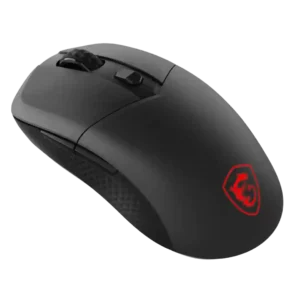
The shell shape works for either hand, but the left-side thumb buttons make it only partially ambidextrous. Left-handed users may struggle to access those controls comfortably.
Pros: Accuracy and tracking precision, click latency
Cons: software stability, profile switching
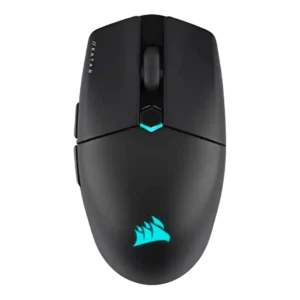
Handedness options were mixed: the shape can feel ambidextrous, but side-button placement and some reviewer comments limit true left-handed appeal.
Pros: software stability, click latency
Cons: MMO gaming suitability, palm grip comfort
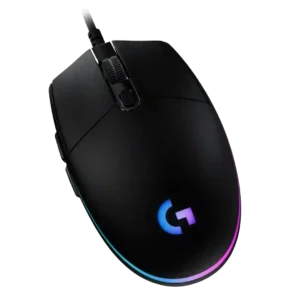
Handedness evidence is mixed because the shell is symmetrical or usable left-handed, but side buttons make it functionally more right-handed.
Pros: acceleration control, dock compatibility
Cons: portability, onboard memory
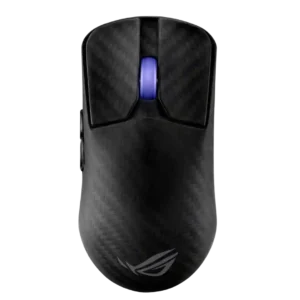
Handedness was mixed because the shell is symmetrical, but side-button placement limits true left-handed usability.
Pros: Accuracy and tracking precision, sensor performance
Cons: software stability, value for money
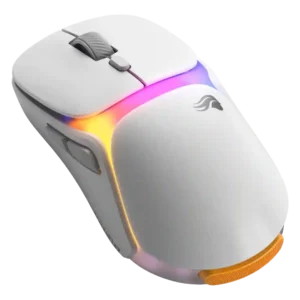
Handedness support was limited: the symmetrical body helped left-handed use, but side-button practicality remained a caveat.
Pros: battery life, programmable buttons
Cons: software stability, firmware reliability
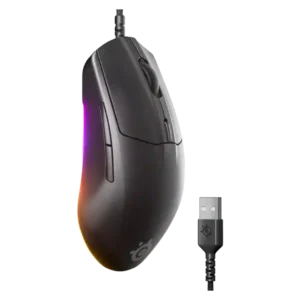
Handedness support was mixed because the shape is symmetrical but one review said it is optimized for right-handed use.
Pros: connection stability, left and right click quality
Cons: palm grip comfort, profile switching
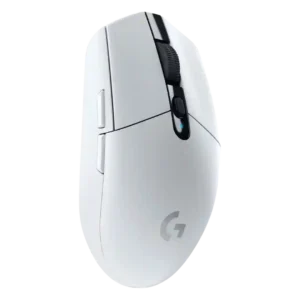
Handedness was mixed because the shell is symmetrical, but left-side thumb buttons make it less useful for left-handed users.
Pros: motion consistency, wireless latency
Cons: Bluetooth support, acceleration control
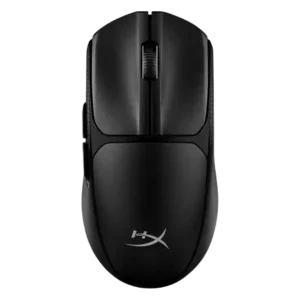
Handedness options were a recurring caveat because the symmetrical shell was undercut by left-side buttons; one review found left-handed use good, but others disagreed.
Pros: wireless latency, Accuracy and tracking precision
Cons: side button quality, materials quality
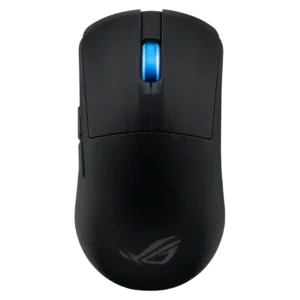
Handedness options were a weakness because multiple reviewers noted the right-hand-biased side-button layout and lack of true left-handed support.
Pros: cable flexibility, weight
Cons: software stability, handedness options
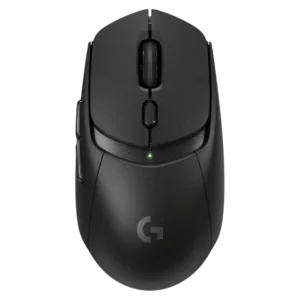
Handedness options were weak despite the symmetrical shell, because reviewers noted the left-side buttons make it right-hand favored.
Pros: click latency, onboard memory
Cons: lift-off distance, debounce customization
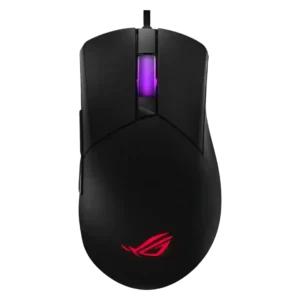
Handedness evidence was negative where a reviewer found the side buttons hard to hit with the left hand.
Pros: onboard memory, software stability
Cons: handedness options
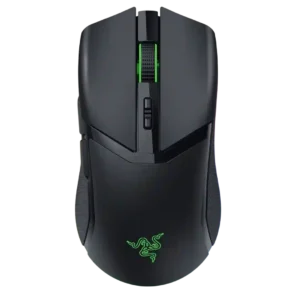
Handedness options were weak because the symmetrical shell still places side buttons only on one side, limiting true left-handed usability.
Pros: motion consistency, sensor performance
Cons: software stability, MMO gaming suitability
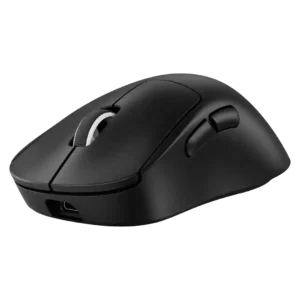
Handedness options were a drawback because the DEX is strongly right-handed and several reviewers warned left-handers away.
Pros: motion consistency, acceleration control
Cons: cable flexibility, cross-platform compatibility
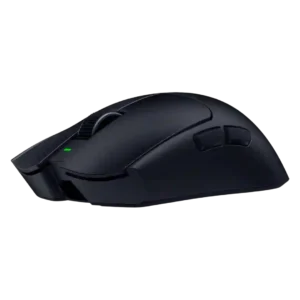
Handedness options were a repeated limitation because the mouse is effectively right-handed despite its symmetrical shell.
Pros: balance and weight distribution, build quality
Cons: dock compatibility, Bluetooth support
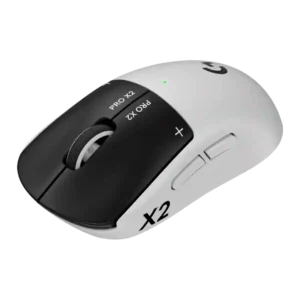
Handedness options are limited because side buttons favor right-handed users and southpaws are called out as disadvantaged.
Pros: left and right click quality, dock compatibility
Cons: Bluetooth support, cross-platform compatibility
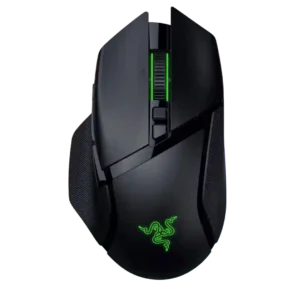
Handedness was a clear limitation because reviewers repeatedly described it as right-handed only.
Pros: lift-off distance, motion consistency
Cons: cross-platform compatibility, handedness options
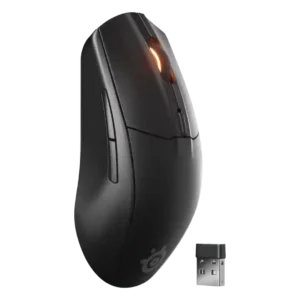
Reviewers criticized the lack of a true left-handed version, despite the mostly symmetrical shell.
Pros: build quality, ergonomic design
Cons: handedness options, RGB features
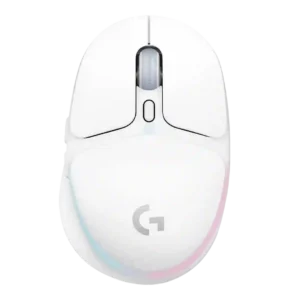
Handedness was a recurring weakness because the contoured shape clearly favors right-handed users, with no true left-handed version.
Pros: 2.4GHz connectivity, connection stability
Cons: cable flexibility, handedness options
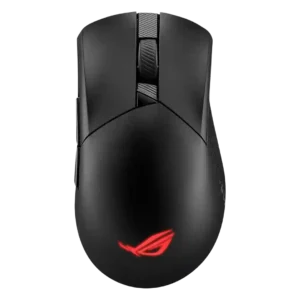
Handedness options were a consistent limitation because the mouse is clearly right-handed and not suited to left-handed users.
Pros: motion consistency, surface compatibility
Cons: handedness options, software stability
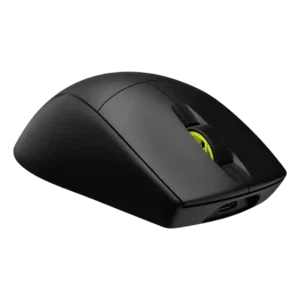
Handedness options are a weakness because reviewers repeatedly say the side-button layout makes it poor for left-handed use.
Pros: click latency, fingertip grip comfort
Cons: firmware reliability, skate durability
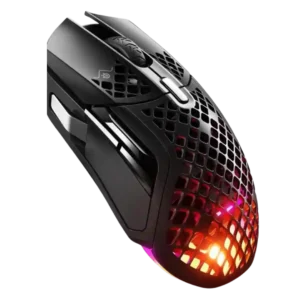
Handedness was a weakness because reviewers treated the design as right-handed and not ambidextrous.
Pros: motion consistency, connection stability
Cons: weight tuning, fingertip grip comfort
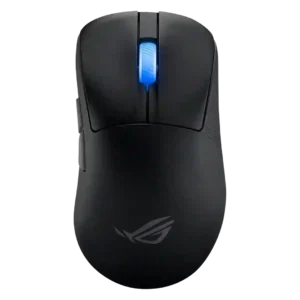
Handedness scored low because reviewers repeatedly noted the right-handed ergonomic shape and lack of a left-handed option.
Pros: connection stability, weight
Cons: handedness options, software usability
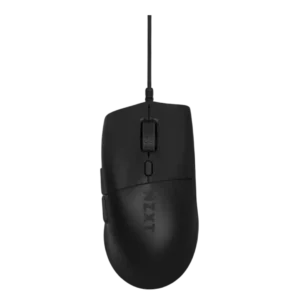
Handedness options scored poorly because reviewers emphasized that the Ergo shape is only for right-handed users.
Pros: FPS gaming suitability, weight
Cons: fingertip grip comfort, handedness options
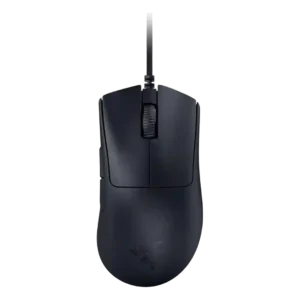
Handedness options were a limitation because reviewers repeatedly emphasized the right-handed-only shape.
Pros: Accuracy and tracking precision, sensor performance
Cons: handedness options, tilt gesture controls
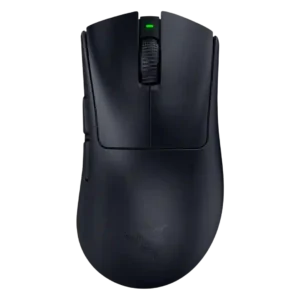
Handedness was a clear limitation because reviewers noted the mouse is strictly right-handed.
Pros: Accuracy and tracking precision, sensor performance
Cons: onboard memory, handedness options
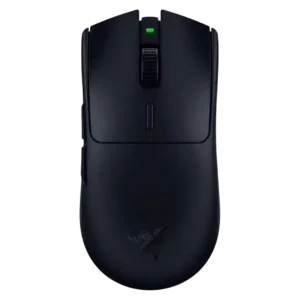
Handedness was a negative where discussed because the design is effectively right-handed and could be a problem for left-handed players.
Pros: motion consistency, wireless latency
Cons: handedness options, onboard memory
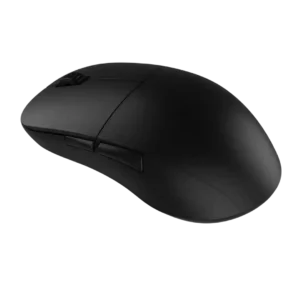
Handedness is limited: one reviewer explicitly noted the side-button placement and shape make it a right-handed mouse rather than truly ambidextrous.
Pros: drag click support, claw grip comfort
Cons: handedness options, Bluetooth support
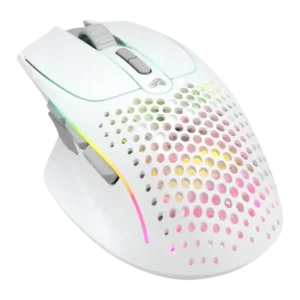
Handedness was a limitation because the right-handed design leaves left-handed users out.
Pros: skate durability, cross-platform compatibility
Cons: handedness options, click noise
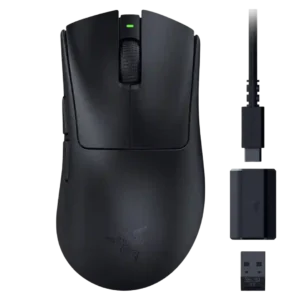
Handedness options were limited because the shape favors right-handed users, making it unsuitable for left-handed gamers.
Pros: click latency, motion consistency
Cons: handedness options, Bluetooth support
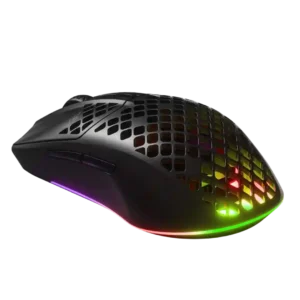
Handedness was a drawback because the ambidextrous-style shell still is not truly left-handed friendly.
Pros: Accuracy and tracking precision, surface compatibility
Cons: firmware reliability, palm grip comfort
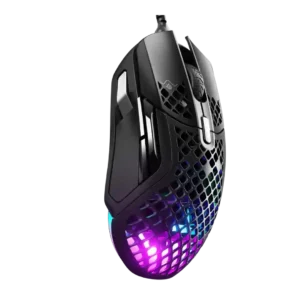
Handedness options were criticized because the design was described as right-hand-only.
Pros: glide smoothness, click latency
Cons: handedness options, DPI range
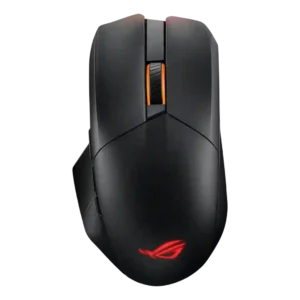
Handedness was a clear limitation because reviewers noted the mouse favors right-handed users and can be uncomfortable for lefties.
Pros: premium feel, Accuracy and tracking precision
Cons: software stability, FPS gaming suitability
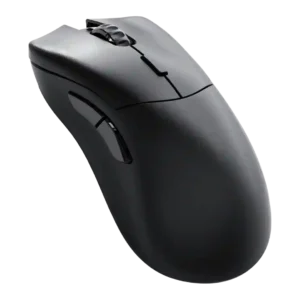
Handedness options were negative because reviewers repeatedly called out the right-handed-only design and lack of a left-handed variant.
Pros: click latency, switch durability
Cons: Bluetooth support, handedness options
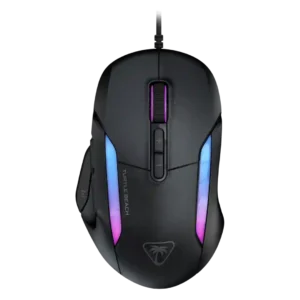
Handedness options were a clear weakness because reviewers noted the mouse is not ambidextrous and is unsuitable for left-handed mouse users.
Pros: click latency, motion consistency
Cons: handedness options, portability
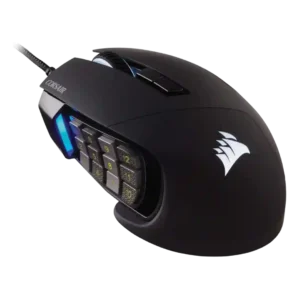
Handedness was consistently negative for left-handed users because the design is right-hand only.
Pros: button responsiveness, long-session comfort
Cons: handedness options, switch durability
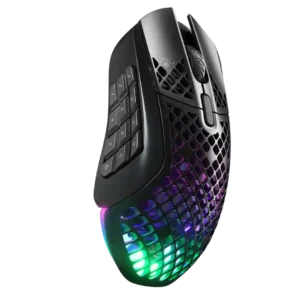
Handedness options were criticized because the side-button grid makes the mouse poor for left-handers or ambidextrous use.
Pros: motion consistency, surface compatibility
Cons: onboard memory, handedness options
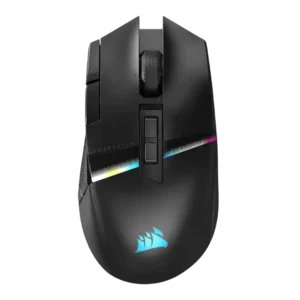
Handedness is a clear limitation: the mouse is framed as unsuitable for left-handed gamers.
Pros: long-session comfort, sensor performance
Cons: handedness options, software stability