Best for Inter-speaker connectivity
Marshall Bromley 450
5.0 feature score
Highest scored product for this feature based on supporting review evidence.
Highest scored product for this feature based on supporting review evidence.
Balances feature score, supporting reviews, and overall product strength.
Has the broadest review evidence for this feature.
Strongest overall product among items with scored evidence for this feature.
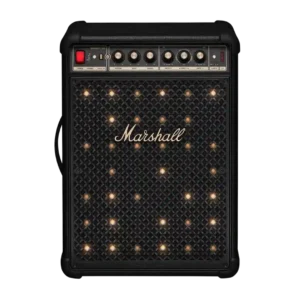
The speaker can expand beyond one unit through Auracast or wired daisy-chaining, and hands-on pairing was easy. Multiple-speaker setups add noticeably more scale and immersion.
Pros: Stereo imaging accuracy, Multi-speaker pairing reliability
Cons: Remote control usability, Bluetooth codec support
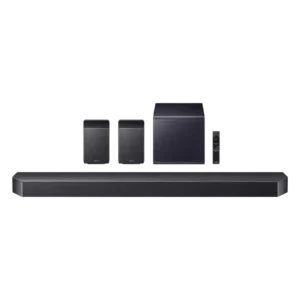
Inter-speaker wireless communication is praised for retaining connections without manual input.
Pros: Multi-speaker pairing reliability, Gaming HDMI passthrough
Cons: Google, Cabinet construction / bracing

Two units can be paired with Google TV Streamer for stereo playback, giving buyers a straightforward route to a wider television soundstage.
Pros: Wi-Fi streaming reliability, Inter-speaker connectivity
Cons: Wired input, Frequency response balance
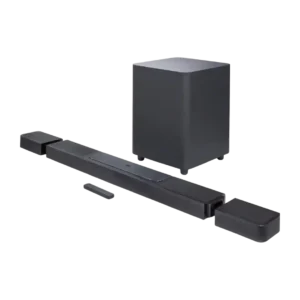
The strongest inter-speaker connectivity evidence was positive, with one reviewer saying the surrounds worked reliably even at distance.
Pros: Inter-speaker connectivity, Audio format support
Cons: optical, Gaming HDMI passthrough

Inter-speaker connectivity was praised for fast TWS connection in testing.
Pros: Stereo imaging accuracy, Setup simplicity
Cons: Wired input, Backwards compatibility
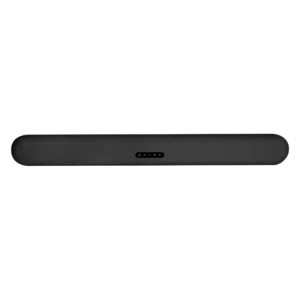
Inter-speaker connectivity was praised for wireless bonding, PULSE speaker/sub pairing, and expansion into a more complete surround setup.
Pros: Distortion at high volume, Voice clarity
Cons: Spotify Connect reliability, Chromecast compatibility
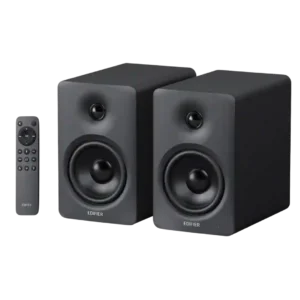
The generously long speaker-to-speaker cable allows proper stereo spacing across desks, shelves, and TV stands.
Pros: HDMI ARC, Low-volume performance
Cons: AirPlay compatibility, Wi-Fi streaming reliability

FlexConnect’s speaker coordination is highly impressive when the system is functioning, maintaining convincing placement even with unconventional layouts. Early software made grouping unreliable for some reviewers, but the underlying spatial...
Pros: Chromecast compatibility, Spotify Connect reliability
Cons: Rear speaker cable length, Gaming HDMI passthrough
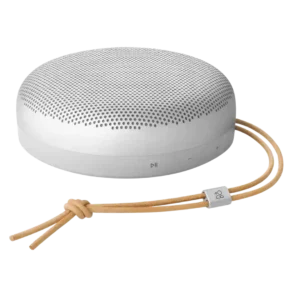
Inter-speaker connectivity was praised where tested, especially for quick stereo setup and pairing with another A1.
Pros: Multi-speaker pairing reliability, Handle or strap quality
Cons: Wi-Fi streaming reliability, AirPlay compatibility

Inter-speaker connectivity was praised as easy and impactful when adding or connecting Sonos components.
Pros: Multi-speaker pairing reliability, Spotify Connect reliability
Cons: Gaming HDMI passthrough, Video passthrough support

AirTouch is a standout feature, making two-speaker stereo pairing almost instant, while Auracast supports larger JBL groups. True stereo requires two Go 5 units, and older PartyBoost products are not...
Pros: Google, Latency with TV (lip sync)
Cons: Charging cable inclusion, Chromecast compatibility
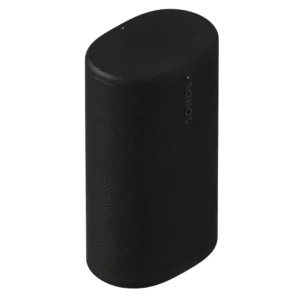
Integration with other Sonos speakers is usually excellent and is a major reason to buy the Play. Most owners report easy linking and seamless multi-room use, though a minority experienced...
Pros: Dialogue clarity (for TV/soundbar use), Multi-speaker pairing reliability
Cons: Surround sound simulation, Protective case inclusion
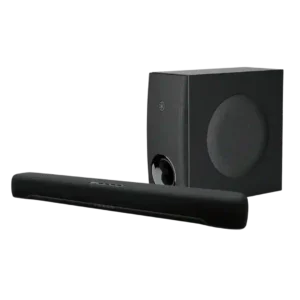
The wireless subwoofer pairing is praised as instant or issue-free.
Pros: Inter-speaker connectivity, Stereo imaging accuracy
Cons: Status indicators, Distortion at high volume
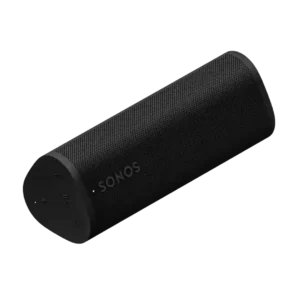
Inter-speaker connectivity was a major strength, with praise for Sonos grouping, Sound Swap, AirPlay-style extension and seamless ecosystem integration.
Pros: Voice assistant responsiveness, Wi-Fi streaming reliability
Cons: Wired input, Float capability
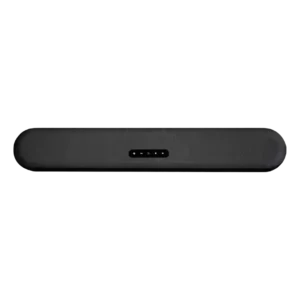
Multiroom and inter-speaker integration are major strengths. Reviewers repeatedly praise BluOS whole-home audio and smooth grouping with compatible gear.
Pros: Distortion at high volume, Loudness / maximum volume
Cons: Chromecast compatibility, Google

Two Muos can create true stereo, while Auracast expands playback to multiple compatible speakers. The feature is compelling for offices, bedrooms, and parties, though buying several units becomes expensive.
Pros: Dialogue clarity (for TV/soundbar use), Multi-speaker pairing reliability
Cons: Power bank function, Float capability

Inter-speaker connectivity was a major strength when two units were used, improving excitement, depth, and stereo presentation.
Pros: Stereo imaging accuracy, Bluetooth range
Cons: Low-volume performance, Water resistance rating
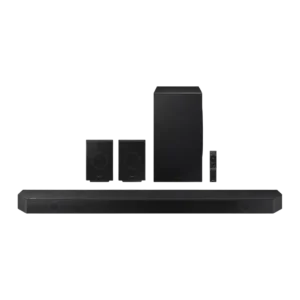
Inter-speaker connectivity was reliable in review use, with no dropouts, flawless connection, easy power-only satellite use, and automatic sync comments.
Pros: Soundstage height, Surround sound simulation
Cons: Chromecast compatibility, Google
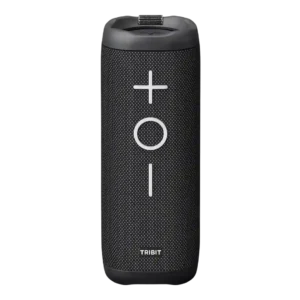
Inter-speaker connectivity was praised for stereo pairing and the stronger output it enables.
Pros: Cohesive presentation, Stereo imaging accuracy
Cons: Surround sound simulation, App reliability
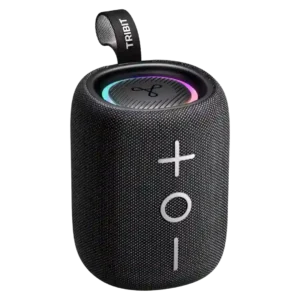
Inter-speaker connectivity was a major positive where tested, with stereo pairing described as incredible, flawless, easy, or useful for wider coverage.
Pros: Multi-speaker pairing reliability, Drop resistance durability
Cons: Multipoint connectivity, Smart features

Inter-speaker connectivity was a Sonos strength, with reviewers praising easy syncing, grouping, and wireless expansion.
Pros: Multi-speaker pairing reliability, Voice recognition accuracy
Cons: Bluetooth connectivity, Video passthrough support
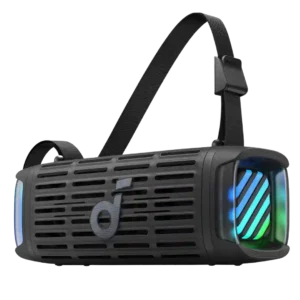
Inter-speaker connectivity was useful for stereo pairing or louder playback, and reviewers liked the fuller, more open result from paired units.
Pros: Price / value for money, On-device controls
Cons: Power bank function, Wired input
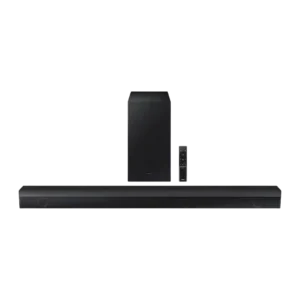
Optional rear speaker compatibility was viewed as useful upgrade potential, including a path toward a fuller surround setup.
Pros: Bluetooth connection stability, Value for money
Cons: Smart assistant integration (Alexa, Video passthrough support
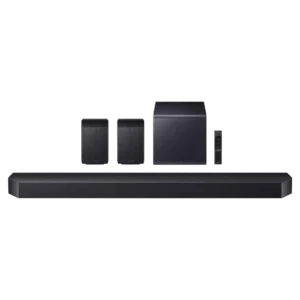
Once paired, the core bar, subwoofer, and rear speakers generally communicate reliably, with several testers reporting no dropouts.
Pros: Loudness / maximum volume, Stereo imaging accuracy
Cons: Smart assistant integration (Alexa, Status indicators
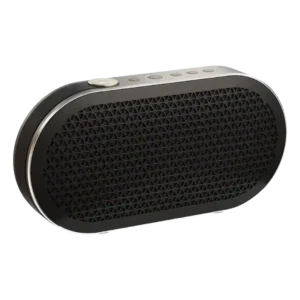
Stereo pairing is seen as useful enough to fill a large room when two units are used, although the cost of buying two remains a caveat elsewhere.
Pros: Wired input, Latency with TV (lip sync)
Cons: Dust resistance rating, Water resistance rating
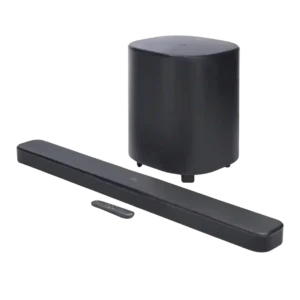
Inter-speaker connectivity was praised in one review for letting audio continue on another compatible speaker around the home.
Pros: Spotify Connect reliability, Setup simplicity
Cons: On-device controls, HDMI 2.1 gaming
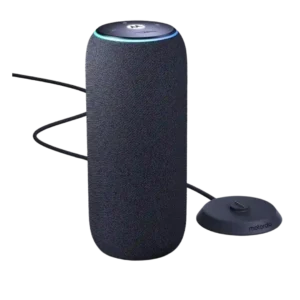
Inter-speaker UWB behavior is praised for automatic channel handling when two units are used, although this depends on owning multiple speakers and compatible hardware.
Pros: Setup simplicity, Design and aesthetics
Cons: Status indicators, Backwards compatibility
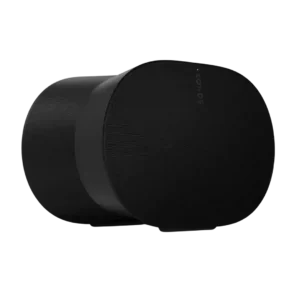
Inter-speaker connectivity was praised for blending the Era 300 into an existing Sonos multiroom system.
Pros: Control button responsiveness, Smart features
Cons: Chromecast compatibility, Google
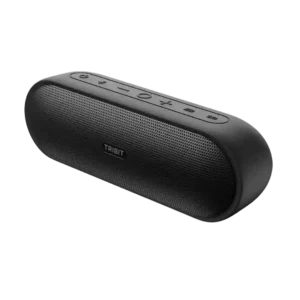
Inter-speaker connectivity is a standout, with reviewers praising stereo/party pairing, TWS compatibility and the improved experience from using two speakers.
Pros: Latency with TV (lip sync), Price / value for money
Cons: Dust resistance rating, Bluetooth codec support
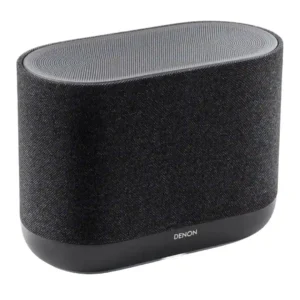
HEOS system building is a recurring strength, with support for multi-room groups, stereo pairs, and broader Denon/Marantz setups. Grouping and expansion come across as dependable and easy.
Pros: Dialogue clarity (for TV/soundbar use), Setup simplicity
Cons: Battery life (if portable), Water resistance rating

Inter-speaker connectivity is generally praised for instant or synchronized pairing, though broader compatibility is handled separately as a weakness.
Pros: Dust resistance rating, Low-volume performance
Cons: Speakerphone quality, Backwards compatibility
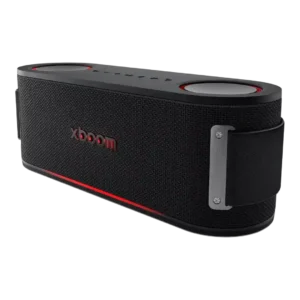
Inter-speaker connectivity was praised as useful for greater volume or immersion when linking compatible Xboom speakers.
Pros: Dynamic headroom, Drop resistance durability
Cons: Privacy and data, Wired input

Inter-speaker connectivity is strong for newer Auracast-compatible speakers and stereo pairing, but the broader ecosystem is limited by backwards compatibility issues.
Pros: Latency with TV (lip sync), Setup simplicity
Cons: Smart assistant integration (Alexa, Speakerphone quality

Inter-speaker connectivity was praised for stereo pairing, louder playback, and added detail when using two Wonderboom speakers.
Pros: Google, Dust resistance rating
Cons: Wired input, Remote control usability

Inter-speaker connectivity is useful and often easy with Auracast, though reviewers note limited receive behavior, exact-model stereo requirements, or less mature operation than older PartyBoost.
Pros: Google, Dust resistance rating
Cons: Backwards compatibility, Stereo imaging accuracy

Pairing two Move 2 units was described as the route to a more convincing stereo setup.
Pros: Latency with TV (lip sync), Wi-Fi streaming reliability
Cons: Chromecast compatibility, Google

Inter-speaker connectivity was viewed positively where discussed, with stereo pairing and Soundcore lineup linking considered useful.
Pros: Setup simplicity, Water resistance rating
Cons: Smart assistant integration (Alexa, Microphone
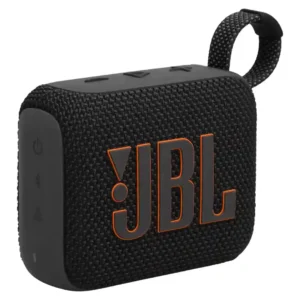
Auracast adds useful flexibility for linking compatible JBL speakers, and two Go 4 units can form a true stereo pair. Cross-model groups remain mono, and setup is usually easier through...
Pros: Voice clarity, Multipoint connectivity
Cons: Cohesive presentation, Soundstage height
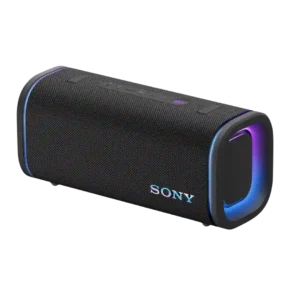
Party Connect and stereo pairing are valuable party features, but they keep users inside Sony’s ecosystem and add compatibility caveats.
Pros: Latency with TV (lip sync), Multi-speaker pairing reliability
Cons: Energy efficiency, Amplifier power requirements

Inter-speaker connectivity was viewed as useful for expansion and stereo pairing, though most praise was about flexibility rather than extensive testing.
Pros: Latency with TV (lip sync), Setup simplicity
Cons: Multi-speaker pairing reliability, Audio format support
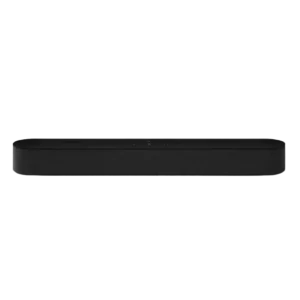
Inter-speaker connectivity was praised as easy within the Sonos ecosystem, though surround results could depend on source format and setup.
Pros: Dynamic headroom, On-device controls
Cons: Video passthrough support, Bluetooth connectivity

Inter-speaker connectivity is useful for growing a compatible JBL setup, though this evidence centers on newer Auracast speakers.
Pros: Setup simplicity, Bluetooth connection stability
Cons: Wired input, Power bank function

The included inter-speaker cable/spacing flexibility was praised for enabling a wider soundstage.
Pros: HDMI ARC, Stereo imaging accuracy
Cons: Surround sound simulation, Bluetooth codec support

Inter-speaker connectivity ranged from seamless and stable to limited or clunky depending on whether reviewers used Auracast, PartyBoost, or app-based pairing.
Pros: Bluetooth range, App reliability
Cons: Bluetooth codec support, Omnidirectional sound
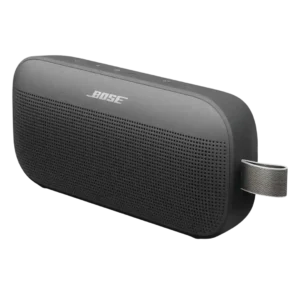
Inter-speaker connectivity was praised when it worked, but one reviewer noted the two-speaker limit as a drawback.
Pros: Bluetooth connection stability, Dust resistance rating
Cons: Wired input, Power bank function
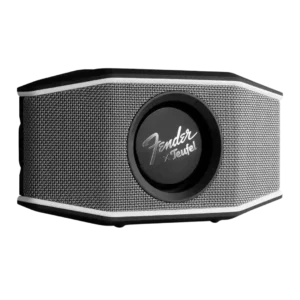
Inter-speaker connectivity is useful but not frictionless: PCMag disliked the non-one-button setup, while another review praised the immersive multi-speaker potential.
Pros: Dust resistance rating, Cohesive presentation
Cons: Speakerphone quality, Microphone

Inter-speaker connectivity is useful through Auracast, but limitations include JBL-only support, mono behavior with some links, and identical-unit needs for stereo.
Pros: Setup simplicity, Latency with TV (lip sync)
Cons: Speakerphone quality, Microphone
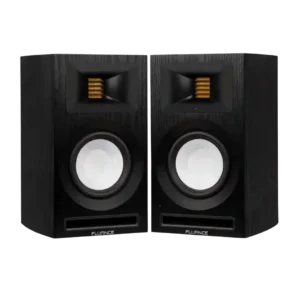
Inter-speaker setup evidence was mixed: standard wire and channel swapping were useful, but raw-wire handling drew criticism.
Pros: Setup simplicity, Bluetooth connection stability
Cons: optical, Smart features
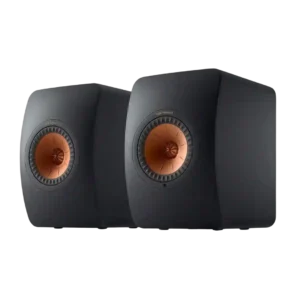
Inter-speaker connection evidence is mixed, ranging from rock-solid pairing to dropouts or brief left/right startup mismatch.
Pros: AirPlay compatibility, Chromecast compatibility
Cons: Spotify Connect reliability, Status indicators
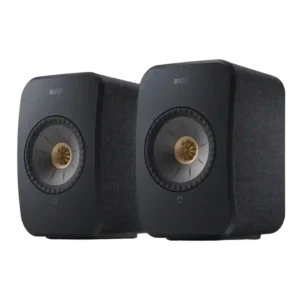
Inter-speaker connectivity was mixed: wired links can improve sound or simplify LT power, but some reviewers disliked losing wireless inter-speaker freedom.
Pros: Soundstage height, Amplifier power requirements
Cons: On-device controls, Surround sound simulation