Best for Multipoint connectivity reliability
JLab Epic Lux Lab Edition Wireless Headphones
4.8 feature score
Highest scored product for this feature based on supporting review evidence.
Highest scored product for this feature based on supporting review evidence.
Balances feature score, supporting reviews, and overall product strength.
Has the broadest review evidence for this feature.
Strongest overall product among items with scored evidence for this feature.
Showing Over-Ear Headphones only. Switch back to all Headphones & Earbuds anytime.

Multipoint works well in practice and is repeatedly described as seamless and reliable when switching between two devices.
Pros: USB-C, Award recognition
Cons: Water/sweat resistance rating, Sidetone adjustment quality

Review evidence is strongly positive for multipoint connectivity reliability, with reviewers describing it as a standout strength.
Pros: Premium feel, Award recognition
Cons: aptX, LDAC

Multipoint is frequently praised as quick and seamless, with fast take-over when switching between phone and computer playback.
Pros: aptX, Multipoint connectivity reliability
Cons: Replaceable battery, LDAC
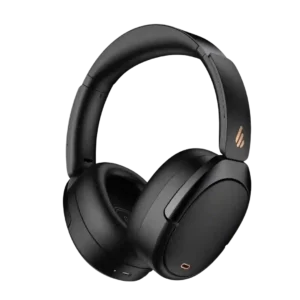
Multipoint lets the user switch between two devices with ease.
Pros: Microphone quality for calls, Comfort during long use
Cons: aptX, Water/sweat resistance rating

Multipoint pairing is repeatedly reported to work smoothly and switch between two devices reliably.
Pros: Replaceable earpads, Replaceable battery
Cons: Water/sweat resistance rating, Touch control responsiveness
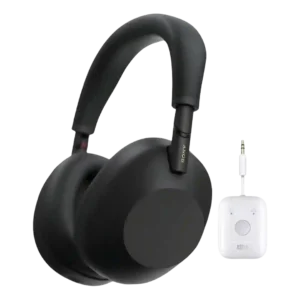
Multipoint is commonly reported as reliable for two-device use, and reviewers like the flexibility of mixing Apple and non-Apple devices.
Pros: Active noise cancellation effectiveness, Weight comfort
Cons: Water/sweat resistance rating, Replaceable battery
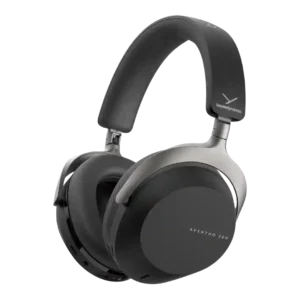
Multipoint generally works reliably, but usability varies: some note the app does not show connected devices or make switching as effortless as certain rivals.
Pros: aptX, Battery
Cons: Frequency response accuracy, Clamping force comfort
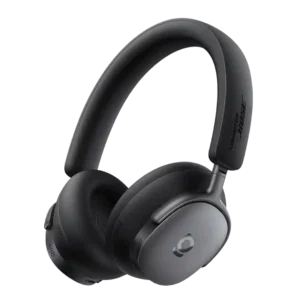
Multipoint is commonly supported and works well for switching between devices, with few complaints about reliability.
Pros: Battery, Charging
Cons: Sensors, Wired connection sound quality

Multipoint is frequently praised as seamless and convenient, with quick device switching; minor edge-case glitches are mentioned but are not the dominant experience.
Pros: Battery, Cable quality
Cons: aptX, LDAC
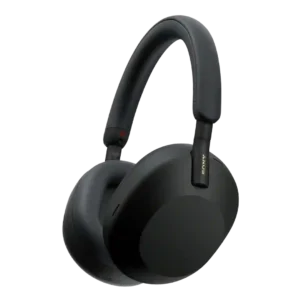
Multipoint pairing is commonly praised for easy switching between two devices, but some note feature tradeoffs depending on settings and codec choices.
Pros: Active noise cancellation effectiveness, Weight comfort
Cons: aptX, Water/sweat resistance rating
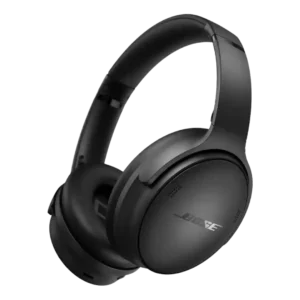
Multipoint is supported and often praised for smooth device switching, though at least one review notes it may be toggled or managed in the app.
Pros: Volume output, Weight comfort
Cons: aptX, LDAC
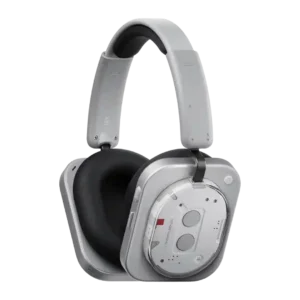
Multipoint is commonly cited as supported and functional, enabling quick switching between two devices; reliability feedback is mostly positive.
Pros: LDAC, Equalizer customization
Cons: Replaceable battery, Sustainability materials

Multipoint is widely mentioned as present and useful, including dual-device connection support, though one review notes no Auracast.
Pros: Bluetooth version, Battery
Cons: Water/sweat resistance rating, Wind noise handling
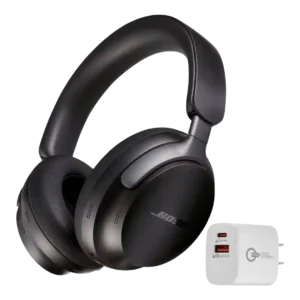
Multipoint is supported and usually reliable, enabling easy switching between phone and laptop; switching behavior can be manual depending on use.
Pros: Volume output, Comfort during long use
Cons: Water/sweat resistance rating, USB-C

Not true multipoint in the typical sense, but Apple-device switching is repeatedly praised; non-Apple switching can require manual steps.
Pros: Hinge durability, Transparency mode quality
Cons: aptX, LDAC
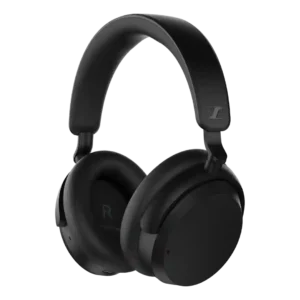
Multipoint pairing is a frequent highlight, with multiple reviewers reporting smooth switching between two devices once set up.
Pros: Audio-video sync accuracy, USB-C
Cons: Water/sweat resistance rating, Carry case quality
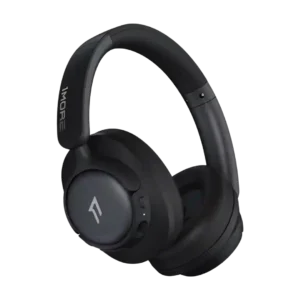
Multipoint works well when used. Reviewers who tested dual-device pairing generally described switching as fast and seamless.
Pros: Battery, Charging
Cons: Carry case quality, Sensors
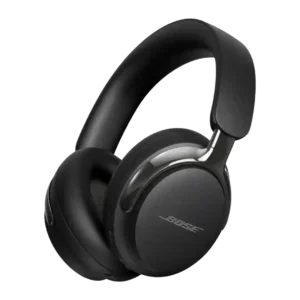
Multipoint is widely praised as seamless for two devices with smooth switching; a couple edge cases (e.g., juggling TV/phone or certain setups) can be finicky.
Pros: Android compatibility, Multi-platform compatibility
Cons: Water/sweat resistance rating, Dongle
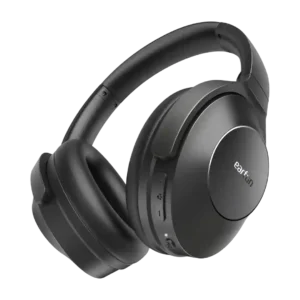
Multipoint is widely praised as easy and reliable once enabled, with smooth switching between phones, tablets, and laptops aside from occasional app-side quirks.
Pros: Bluetooth connectivity stability, Comfort during long use
Cons: Included accessories, Cable quality

Multipoint is widely reported to work well for two devices, though some wish for a device-management list and note occasional confusion when mixing wired and Bluetooth sources.
Pros: Battery, Clamping force comfort
Cons: aptX, LDAC

Multipoint support is repeatedly called out as a practical perk, letting users stay connected to two devices and switch smoothly.
Pros: Weight comfort, Audio-video sync accuracy
Cons: Active noise cancellation effectiveness, Noise cancellation adjustability
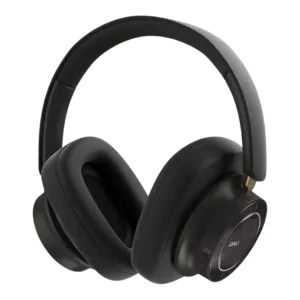
Multipoint is noted as supported and convenient for staying connected to two devices, though it is not heavily stress-tested across all sources.
Pros: Maximum volume clarity, Replaceable earpads
Cons: App, Equalizer customization

Multipoint is supported and often works well, though several reviewers mention occasional switching quirks that keep it from feeling completely polished.
Pros: Build quality, Instrument separation
Cons: LDAC, Touch control responsiveness
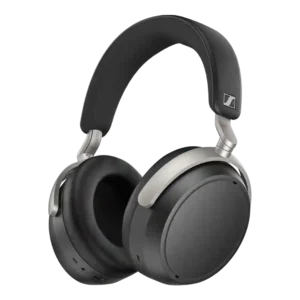
Multipoint use (two devices) is supported and often works well, but there are limitations when mixing the dongle with other connections and occasional reports of source confusion.
Pros: Battery, Equalizer customization
Cons: Xbox compatibility, Water/sweat resistance rating

Multipoint is repeatedly mentioned as a key convenience feature and usually works well, though some report occasional switching wobbles that resolve on a second try or after enabling it in-app.
Pros: USB-C, Weight comfort
Cons: aptX, Water/sweat resistance rating
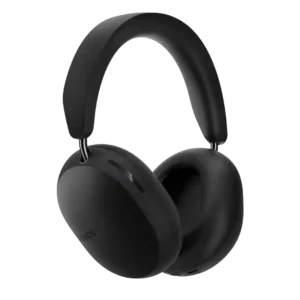
Multipoint is commonly praised for convenience and generally works well for hopping between phone and laptop. One review reports clunky or inconsistent behavior, so it is not universally flawless.
Pros: USB-C, Replaceable earpads
Cons: Water/sweat resistance rating, Cable quality
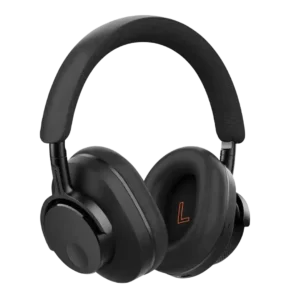
Multipoint is widely reported to work, but switching behavior is sometimes manual (for example, pausing on one device before playing on another) and auto-switching is not always present.
Pros: Battery, Replaceable battery
Cons: LDAC, Water/sweat resistance rating
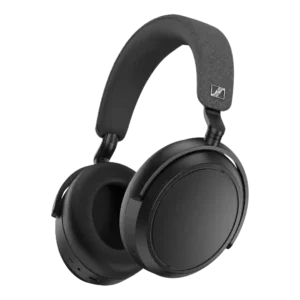
Multipoint is supported and often convenient, but at least one lab test reports occasional glitches when other known devices are nearby, even though switching can be quick once connected.
Pros: Battery, aptX
Cons: LDAC, Water/sweat resistance rating
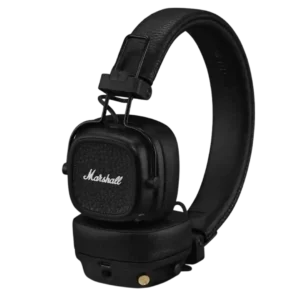
Multipoint was supported and usually described as useful, though one review noted playback needs to be paused on one device before switching.
Pros: Battery, Connectivity options
Cons: Active noise cancellation, Transparency mode quality

Multipoint/dual-device use is supported and helpful when it works, but reviewers describe it as hidden or experimental and sometimes buggy depending on device/app/firmware.
Pros: Battery, USB-C
Cons: aptX, Water/sweat resistance rating
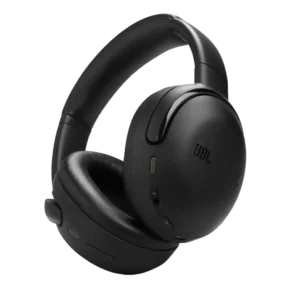
Multipoint is present, but reliability is not spotless; one review explicitly notes stuttering.
Pros: Battery, Connectivity options
Cons: Water/sweat resistance rating, Replaceable earpads
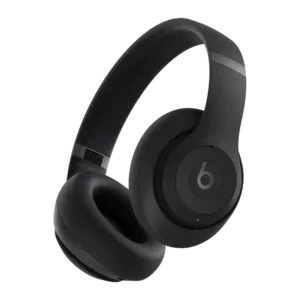
Most reviews do not find universal multipoint support across any two devices; instead, multi-device behavior is often limited to Android or specific ecosystem switching. Several note Apple users generally have...
Pros: Design and Aesthetics, Multi-platform compatibility
Cons: aptX, LDAC