Best for Odor control
Ecovacs Deebot X9 Pro Omni Robot Vacuum and Mop
4.8 feature score
Highest scored product for this feature based on supporting review evidence.
Highest scored product for this feature based on supporting review evidence.
Balances feature score, supporting reviews, and overall product strength.
Has the broadest review evidence for this feature.
Strongest overall product among items with scored evidence for this feature.
Showing Robotic Vacuums only. Switch back to all Vacuums anytime.
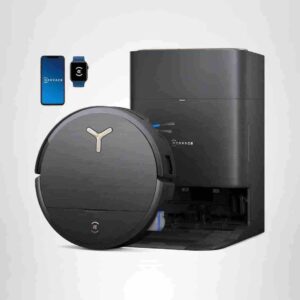
Hot-air drying and regular mop washing are repeatedly credited with preventing the damp, mildew-like smell that some robot mops develop. A few owners still clean the dirty-water tank regularly to...
Pros: Dried-On Stain Removal, Odor control
Cons: Ongoing ownership costs (bags, filters
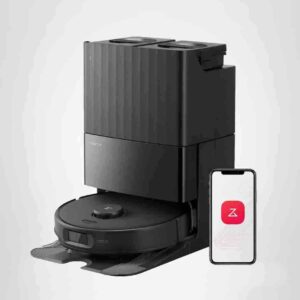
Hot-water washing plus hot/warm air drying helps keep mop pads fresh, and at least one real-home review explicitly reports no lingering smells after repeated runs.
Pros: Odor control, Hair‑Wrap / Tangle Resistance
Cons: Adaptive chassis lift, Headlight &

Hot-water pad washing and hot-air drying are repeatedly credited with helping prevent musty mop odors. This is a commonly praised quality-of-life benefit versus cheaper docks that leave pads damp.
Pros: Hair Pickup — Hard Floors, Price &
Cons: Adaptive chassis lift, Dried-On Stain Removal
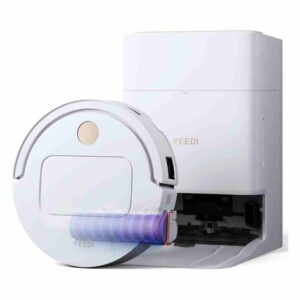
Odor control is a consistent strength thanks to hot-air drying and separation of dirty water after mopping. Multiple reviews mention reduced mildew/musty smell risk because the dock dries the mop/roller...
Pros: Suction &, Airflow
Cons: Stuck resistance, Solution / Liquid system

Hot-air mop drying (and frequent pad washing) helps prevent mildew and “smelly mop” issues, which reviewers see as a hygiene advantage over simpler docks.
Pros: Edge‑Following Accuracy (Robot), Price &
Cons: Solution / Liquid system
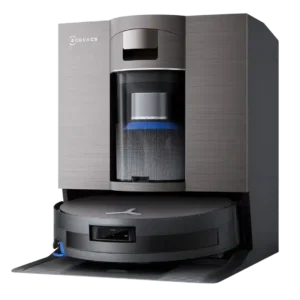
Odor control is generally positive, with reviewers noting little smell and hot-water mop cleaning intended to reduce odors.
Pros: Hair Pickup — Carpets, Runtime
Cons: Stair Cleaning, Bag-full indicator
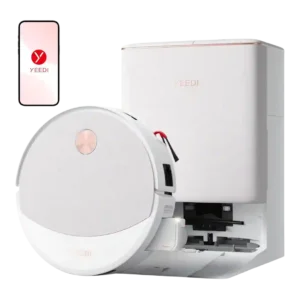
Odor control is positive because drying and dirty-water handling are repeatedly tied to preventing musty smells, odors, and buildup.
Pros: Battery and Charging, Assembly and Setup
Cons: Stair Cleaning, Carpet — High-Pile Pickup
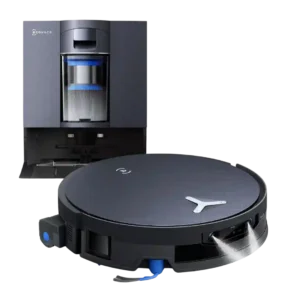
Odor control evidence comes from hot-air drying and reviewers' comments that drying helps avoid wet-mop smells.
Pros: Assembly and Setup, Stuck resistance
Cons: Suitability for small spaces, Build quality and durability
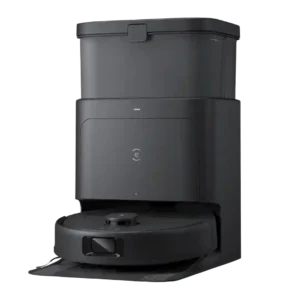
Heated mop drying helps prevent damp-pad smells, a useful long-term hygiene benefit.
Pros: Pet-Ready Features, Edge and Baseboard Cleaning (Hard Floors)
Cons: Onboard tool storage, Noise level
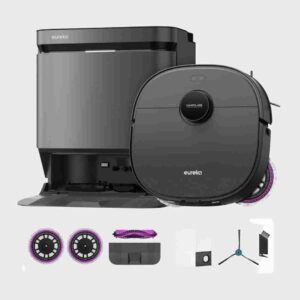
Odor control is a highlight tied to hot-water washing and heated pad drying in the dock. Reviewers report fewer mildew or mop-pad smells compared with robots that do not dry...
Pros: Heating element, Hair‑Wrap / Tangle Resistance
Cons: Low-profile design, Solution / Liquid system
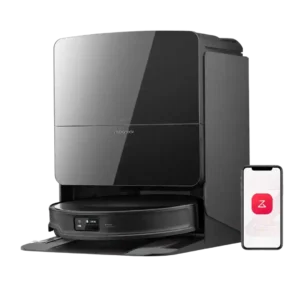
Heated mop drying helps with freshness and reduces the risk of lingering damp odors or mildew.
Pros: Comparative performance, Hard Floor — Fine Dust Pickup
Cons: Stuck resistance, Carpet — Low-Pile Pickup
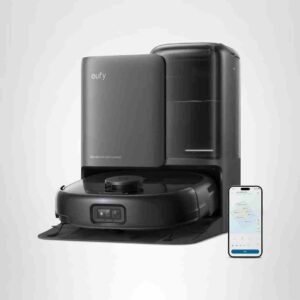
Heated-air drying and regular mop-wash cycles help keep odors down; reviewers generally report a clean-smelling roller and less musty dock experience.
Pros: Self-cleaning cycle, Wool carpet compatibility
Cons: Automatic standby switch, Cord management
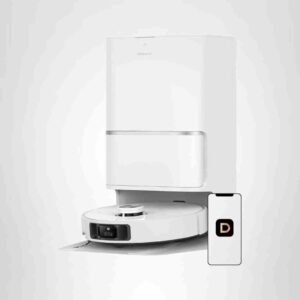
Dock-based mop drying is repeatedly credited with helping reduce odors and keeping mop pads from getting “stinky” between runs.
Pros: Suction &, Airflow
Cons: Streaking / Residue, Support &
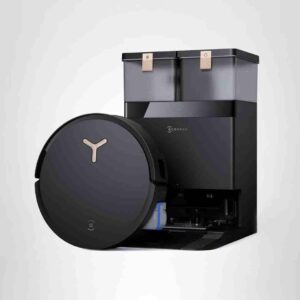
Odor control is generally good thanks to hot-air drying and regular roller washing, which helps keep the mop from getting musty between runs.
Pros: Hair‑Wrap / Tangle Resistance, Ease of use
Cons: Dirty water sensor, Bin &
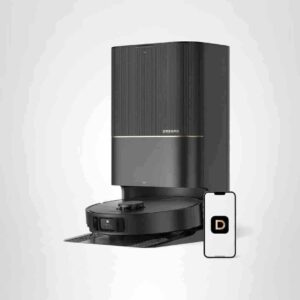
Odor control is generally praised because the dock both hot-washes and hot-dries the mop pads, reducing musty smells. This is repeatedly mentioned as helpful for keeping the system from getting...
Pros: Carpet — Medium-Pile Pickup, Hard Floor — Large Debris Intake
Cons: Aesthetic design &, finish
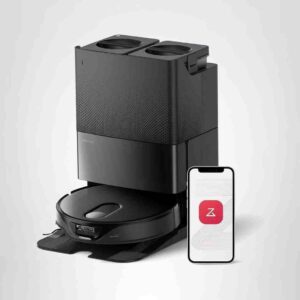
Warm‑air drying and hot‑water washing help reduce mop odor/bacteria buildup.
Pros: Low-profile design, Overall durability/longevity
Cons: Clogging &, debris prevention
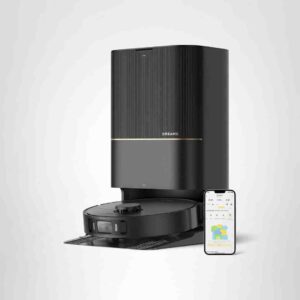
Hot-water washing and hot-air drying are repeatedly credited with helping prevent mildew and odors. Emptying dirty water promptly remains important for odor control in real homes.
Pros: Hard Floor — Fine Dust Pickup, Hard Floor — Large Debris Intake
Cons: Support &, Reliability
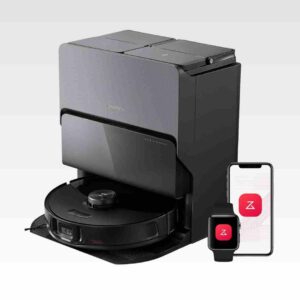
Hot-water washing and hot-air drying help keep odors down, but reviewers warn that letting dirty water sit too long can create a sewage-like smell common to this category.
Pros: Build quality &, durability
Cons: Hair‑Wrap / Tangle Resistance, Price &
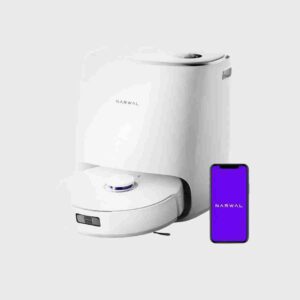
Odor control is generally good thanks to mop drying and dirty-water handling; several reviewers report minimal lingering smell after mopping cycles.
Pros: Hair‑Wrap / Tangle Resistance, Build quality &
Cons: Stuck resistance, Bag-full indicator
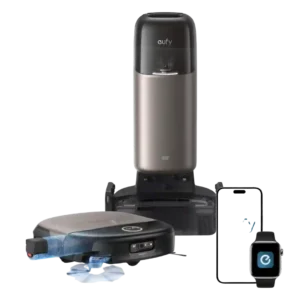
Odor control is polarizing: the dock sanitation and fragrance can help, but some reviewers found the scent too weak to matter.
Pros: Clogging and debris prevention, Floor shine after cleaning
Cons: Edge‑Following Accuracy (Robot), Noise level
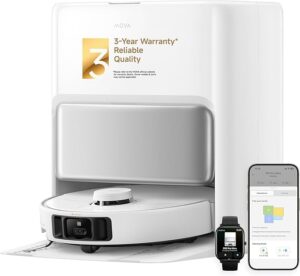
Hot-water mop washing and hot-air drying are repeatedly cited as helping reduce odor and musty pad smells. One reviewer notes the lack of ozone or electrolyzed-water features found on some...
Pros: Hair‑Wrap / Tangle Resistance, Aesthetic design &
Cons: Adaptive chassis lift, Crevice / Groove Pickup (Hard Floors)
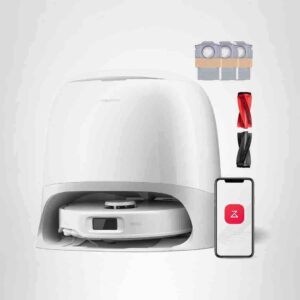
Hot-air drying at the dock is repeatedly credited with reducing mop-pad odor and mold risk. Some reviewers still note dirty-water tank smell can be unpleasant if neglected, and suggest regular...
Pros: Hair‑Wrap / Tangle Resistance, Dirty water sensor
Cons: Accessories &, Tools
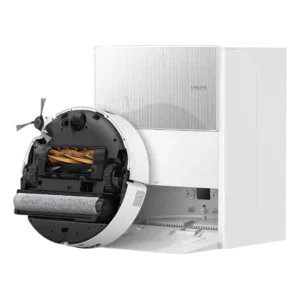
Odor control was supported by hot-air drying, detergent tanks, pet solution, and reduced musty smells.
Pros: Floor Drying Time, Sanitizing performance
Cons: Suitability for small spaces, Hair-removal channel issues
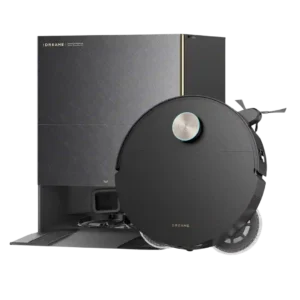
Odor control is supported through pet odor solution and dock design, including comments that the robot or bag can avoid smells.
Pros: Accessories and Tools, Storage footprint and upright-stand stability
Cons: Heating element, Maneuverability and Handling
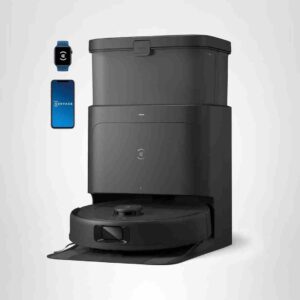
Hot-air pad drying and regular dock hygiene help control damp smells, and some testers report no odors even when dirty water was left for short periods. Long-term odor risk still...
Pros: Floor Drying Time, Hair‑Wrap / Tangle Resistance
Cons: Accessories &, Tools
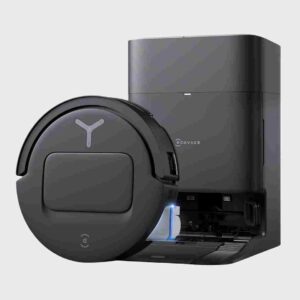
Hot-air drying and frequent mop washing are credited with reducing mop odors over time. Reviewers who have dealt with smelly rollers note that drying meaningfully helps.
Pros: Hair Pickup — Hard Floors, Hard Floor — Large Debris Intake
Cons: Area Rug Handling, Stuck resistance
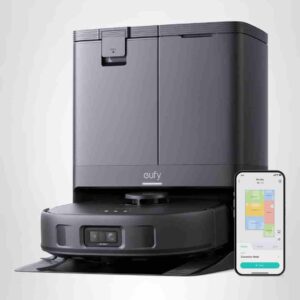
Warm/hot-air mop drying is repeatedly credited with helping prevent musty odors, but reviewers still recommend rinsing the dirty water tank regularly to avoid smells.
Pros: Streaking / Residue, Dried-On Stain Removal
Cons: Stair Cleaning, Storage footprint &
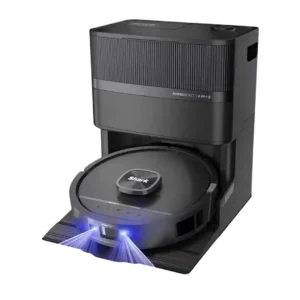
Odor control is supported by deodorizer features and heat drying that reviewers associate with reducing smells or mildew.
Pros: Ongoing ownership costs (bags, filters
Cons: Value-for-money, Build quality and durability
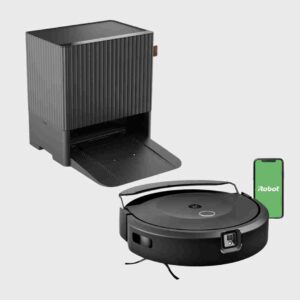
Odor control is mentioned favorably when the dock and bin are maintained regularly, with fewer complaints when filters and pads are kept clean.
Pros: Ease of use, Controls &
Cons: Build quality &, durability
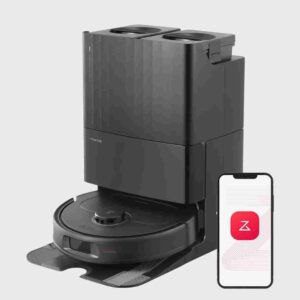
Odor control is helped by hot-air drying and routine dock maintenance; some owners add mild disinfecting/cleaning aids to the dirty tank to further reduce smells.
Pros: Comparative performance, Area Rug Handling
Cons: Headlight &, LED lights
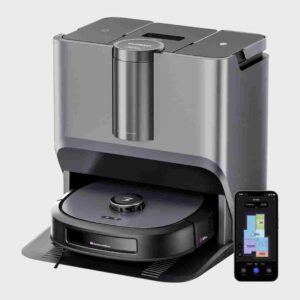
Odor control benefits mainly come from hot-air drying and airflow at the dock after mopping, which reviewers say helps keep the mop from staying damp and smelly.
Pros: Dried-On Stain Removal, Floor Drying Time
Cons: Carpet — Medium-Pile Pickup, Carpet — High-Pile Pickup
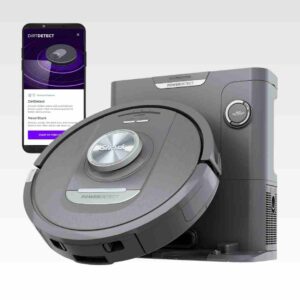
Odor control is generally seen as a nice-to-have feature in the base, with some users enjoying the scent and others preferring to disable or remove the odor component.
Pros: Crevice / Groove Pickup (Hard Floors), Bin &
Cons: Software-update support / feature longevity, Privacy controls
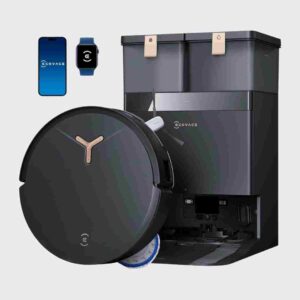
Odor control is helped by hot-air drying and frequent pad washing, but neglecting dirty-water tank rinsing or allowing base water pooling can lead to smells or mildew.
Pros: Dried-On Stain Removal, Hair Pickup — Carpets
Cons: Support &, Reliability
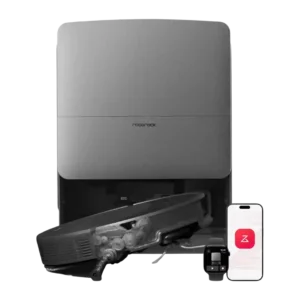
Odor control is supported by warm-air drying and dust-bag drying, plus pet-solution discussion, but not extensively odor-tested.
Pros: Under-Furniture Pickup, Tool-change simplicity
Cons: Support and Reliability, Automatic shutoff for obstructions
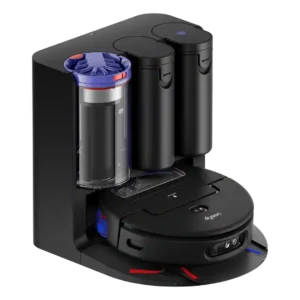
Odor control is helped by hot-water roller cleaning and drying, but users still need to empty dirty water during heavy use.
Pros: Hair Pickup — Carpets, Adaptive chassis lift
Cons: Stair Cleaning, Mechanical arm object-moving feature
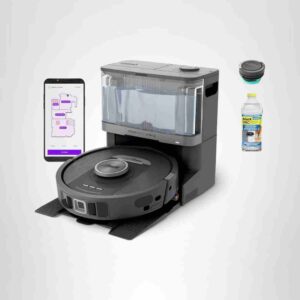
The odor-neutralizing cartridge is mentioned as a useful quality-of-life feature, especially in pet homes, though its impact is subjective.
Pros: Hard Floor — Large Debris Intake, Water tank
Cons: Battery &, Charging
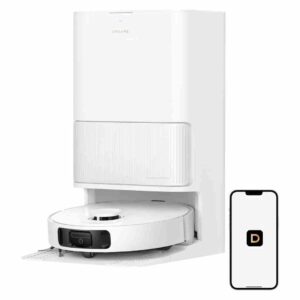
Hot washing and hot-air drying help limit mop-pad odor, but at least one reviewer wishes the dock also had an additional odor-mitigation feature (e.g., ozone-style treatment) for dirty tanks.
Pros: Hair‑Wrap / Tangle Resistance, Carpet — Medium-Pile Pickup
Cons: Dirty water sensor, Scratch resistance
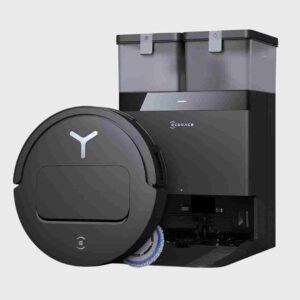
Dock drying helps reduce mop odor, with some users reporting little smell after weeks; however, dirty water tanks can still get stinky and may need cleaning habits or deodorizing tricks.
Pros: Low-profile design, Aesthetic design &
Cons: Support &, Reliability
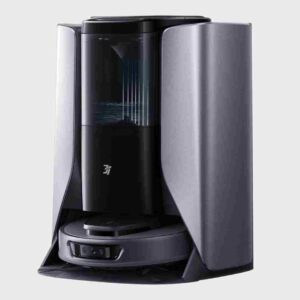
Odor experiences vary: some notice a smell from the cleaning solution or station during cycles, while others report neutral results aided by deodorizing modules.
Pros: Clogging &, debris prevention
Cons: Energy efficiency (kWh), Weight
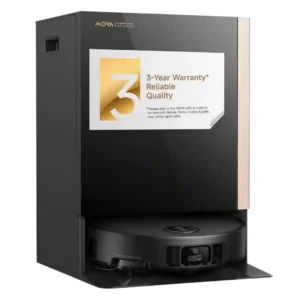
Odor control is mixed: one review reports no lingering pad odor, while another notes missing water treatment for dirty tanks.
Pros: Sanitizing performance, Versatility
Cons: Steam Cleaning, Weight
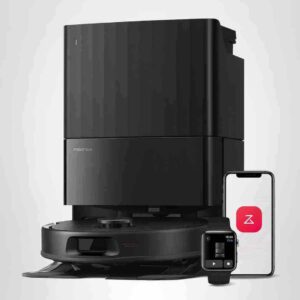
Odor risk centers on the dirty water tank and slow pad drying: several reviewers recommend emptying and rinsing the dirty tank frequently (some even add disinfectant) to prevent foul smells....
Pros: Privacy controls, Stair Cleaning
Cons: Odor control, Hair Pickup — Carpets
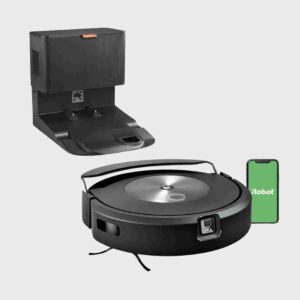
Odor is mostly contained while the dock is closed, but some users notice a dusty smell when opening the base to swap the bag, similar to other bagged vacuums.
Pros: Mop lifting system, Hard Floor — Fine Dust Pickup
Cons: Support &, Reliability
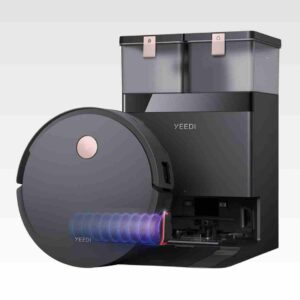
Odor experiences are mixed: hot-air drying is intended to reduce musty smells, but a few reviewers noticed a temporary plastic or warm-material smell during early use.
Pros: Hair Pickup — Carpets, Pet-Ready Features
Cons: Odor control, Solution / Liquid system
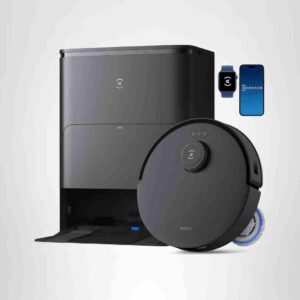
Odor control is generally helped by hot-water washing and hot-air drying, but fragrant or concentrated spills can still leave lingering smells in the pads until they are manually cleaned.
Pros: Maintenance requirements, Hard Floor — Large Debris Intake
Cons: Storage footprint &, upright-stand stability

Odor control considerations come up mainly around mopping: without a self-wash/dry dock, users note you must clean/dry the mop pad to avoid smells after runs.
Pros: Price &, Value
Cons: Docking &, Auto-Empty Reliability (Robot)
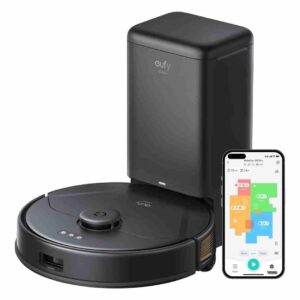
Odor issues can arise if the damp mop pad is left on between runs; rinsing and drying the pad prevents smells.
Pros: Build quality &, durability
Cons: Stair Cleaning, Mop lifting system
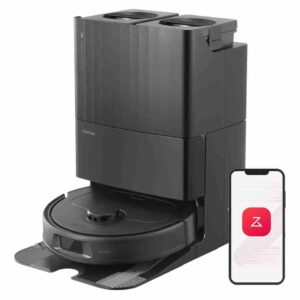
Odor control depends on good drying: when the dock drying cycle runs normally, odors are minimized, but one reviewer reported mop pads could smell if the robot got stuck and...
Pros: Privacy controls, Mop lifting system
Cons: Dirty water sensor, Solution / Liquid system
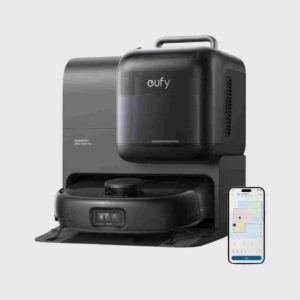
Odor control feedback is mixed: most do not flag it as an issue, but at least one review reports unpleasant odors during dock vacuuming/emptying and concern about trapped water in...
Pros: Dried-On Stain Removal, Edge &
Cons: Hair-removal channel issues, Odor control
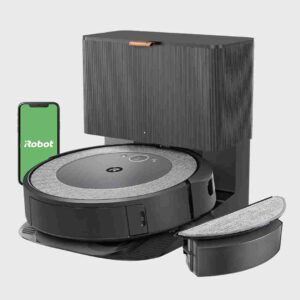
Dry debris generally stays contained in the bagged base, but a reported wet-bin emptying mishap led to lingering odor for one owner.
Pros: Packaging quality, Cord management
Cons: Mop lifting system, Emptying &