Best for Spatial audio
Cherry XTRFY H3 Wireless Gaming Headset
4.8 feature score
Highest scored product for this feature based on supporting review evidence.
Highest scored product for this feature based on supporting review evidence.
Balances feature score, supporting reviews, and overall product strength.
Has the broadest review evidence for this feature.
Strongest overall product among items with scored evidence for this feature.
Showing Headsets only. Switch back to all Headphones & Earbuds anytime.
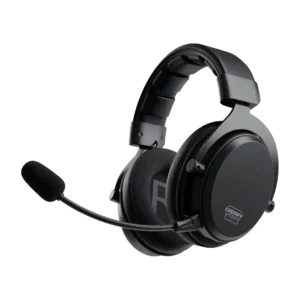
Spatial audio support was praised in the most detailed positive review, where it noticeably improved immersion and directional awareness in games.
Pros: Battery, Volume output
Cons: Multipoint connectivity reliability, Codec support
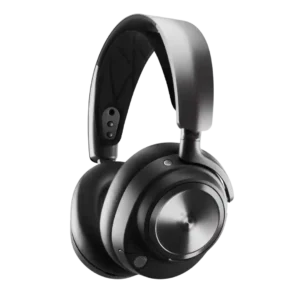
Spatial audio is frequently praised for convincing directionality and improved immersion, with support for common platform surround options and Sonar processing on PC. Competitive players like the imaging, while some...
Pros: Replaceable battery, Simultaneous wireless + Bluetooth audio
Cons: aptX, LDAC
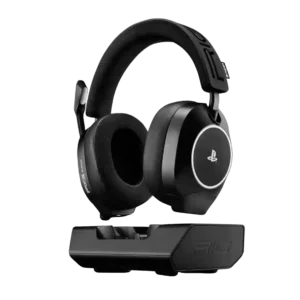
Spatial audio is a major strength, with Dolby Atmos or Tempest 3D support repeatedly tied to stronger directionality and immersion.
Pros: Earpad replacement ease, Wireless latency
Cons: Active noise cancellation, Carry case quality
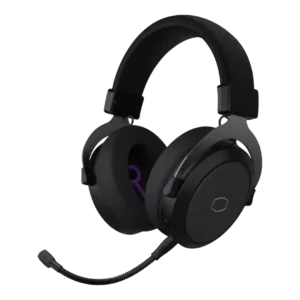
Spatial or virtual surround performance is a real highlight, adding convincing depth and directionality in games.
Pros: Microphone noise reduction, Microphone quality for calls
Cons: Active noise cancellation effectiveness, Bluetooth connectivity stability
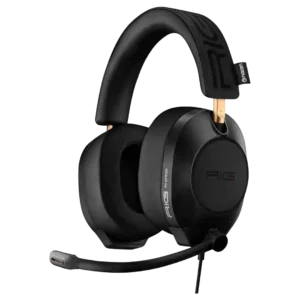
Spatial audio support is strong through Dolby Atmos and related positional rendering, with some platform dependence.
Pros: Audio-video sync accuracy, Battery
Cons: Active noise cancellation, Bluetooth
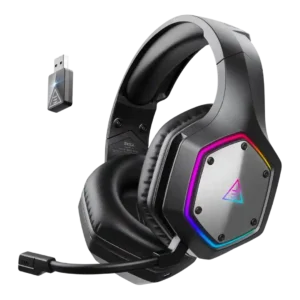
Spatial audio is a frequent gaming positive, especially when 7.1 or surround mode is enabled, though it is more of a gaming effect than audiophile tuning.
Pros: Connectivity versatility, USB-C
Cons: Active noise cancellation, Bluetooth
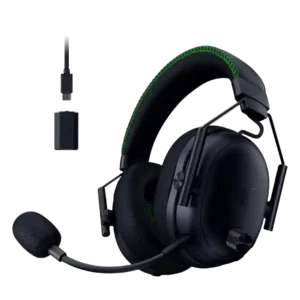
Spatial audio is a core strength for immersion and positional cues, though some reviewers prefer stereo for competitive precision.
Pros: Wireless latency, Positional audio accuracy
Cons: RGB lighting customization, Integrated microphone
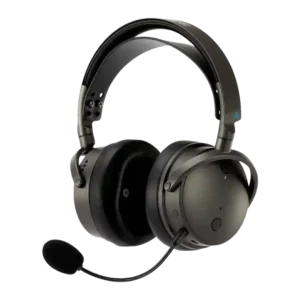
Spatial audio support was praised through PS5 Tempest 3D and Xbox/Dolby Atmos features, especially for immersion.
Pros: Battery, Charging
Cons: Active noise cancellation, Touch control responsiveness
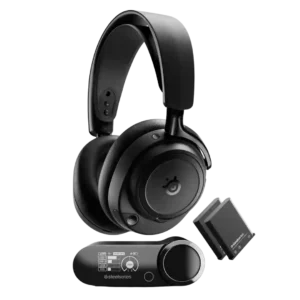
Spatial audio is generally strong, especially for immersive or cinematic gaming, though one comparison notes sharper esports alternatives.
Pros: Audio-video sync accuracy, Hinge durability
Cons: aptX, Smudge resistance
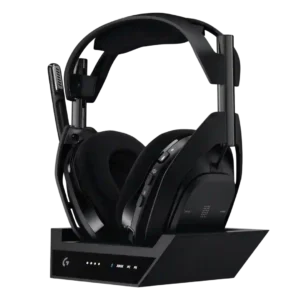
Spatial audio support (notably Dolby Atmos on PC/Xbox and platform-specific 3D processing on PS5) is a key strength, though some note consistency varies across platforms.
Pros: Maximum volume clarity, Volume output
Cons: Active noise cancellation effectiveness, Wired connection sound quality
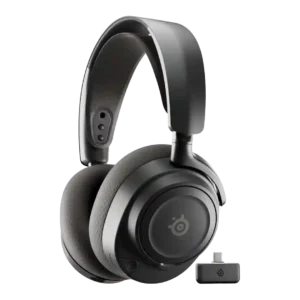
Spatial audio support was considered useful for immersion, though a few reviewers preferred stereo or custom tuning for competitive play.
Pros: Wireless latency, Multi-platform compatibility
Cons: Active noise cancellation, Water/sweat resistance rating
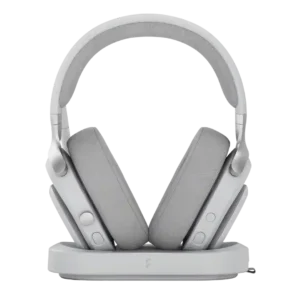
Spatial rendering and positional accuracy are praised in multiple gaming-focused reviews, with several noting easier footstep and direction tracking in shooters.
Pros: Design and Aesthetics, Equalizer customization
Cons: Active noise cancellation effectiveness, Multipoint connectivity reliability
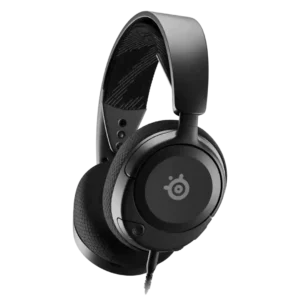
Spatial audio is a meaningful strength when paired with PS5, Windows, Xbox, or Sonar surround features.
Pros: Multi-platform compatibility, Earpad replacement ease
Cons: Active noise cancellation, Bluetooth
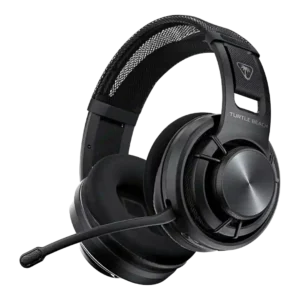
PC-focused spatial features (often Waves 3D) can add useful directionality, though results vary by game and some listeners prefer it off for the cleanest, most natural presentation.
Pros: Comfort during long use, Weight comfort
Cons: Active noise cancellation effectiveness, Noise isolation (passive)
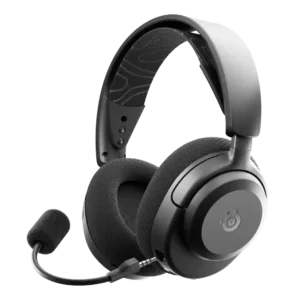
Spatial/positional audio support and tuned presets help competitive play, making footsteps and directional cues easier to place, though overall immersion still trails top-tier headsets.
Pros: Maximum volume clarity, Audio-video sync accuracy
Cons: Active noise cancellation effectiveness, Simultaneous wireless + Bluetooth audio
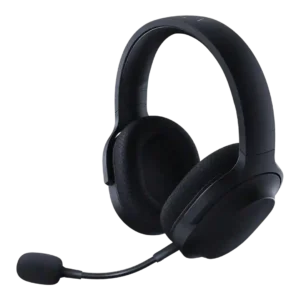
Spatial audio is useful for directionality on supported platforms, but reviews also note it is app-dependent and less precise than higher-end THX implementations.
Pros: Multi-platform compatibility, Connectivity versatility
Cons: Water/sweat resistance rating, aptX
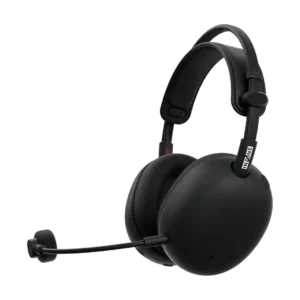
Spatial features include virtual surround and Sony 360-style personalization options, plus PS5 3D audio support in some setups. Benefits are mixed: some enjoy wider immersion, while others find the ear-photo...
Pros: Weight comfort, Ear cup swivel/rotation range
Cons: Xbox compatibility, Replaceable battery
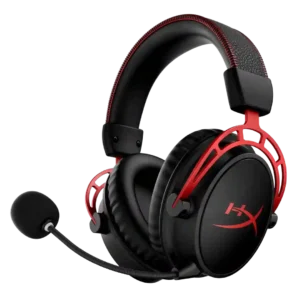
Spatial audio depends on model and platform: wired lacks built-in surround, while Wireless DTS/spatial processing can work well on PC.
Pros: Battery, Detachable cable convenience
Cons: Active noise cancellation, Bluetooth
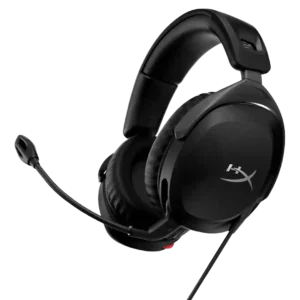
Spatial audio is widely discussed and often praised, but a few reviewers could not enable it or disliked DTS processing.
Pros: Wireless latency, Xbox compatibility
Cons: RGB lighting customization, Detachable cable convenience
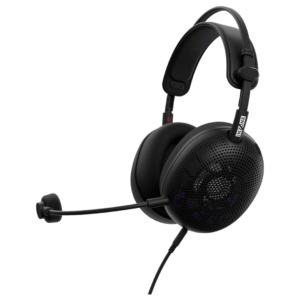
Spatial audio was mixed: built-in spaciousness impressed, but Sony’s 360/software spatial modes divided reviewers.
Pros: Battery, Weight comfort
Cons: Water/sweat resistance rating, Active noise cancellation
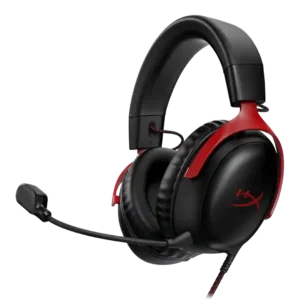
Spatial audio receives mixed reactions: some find it precise or immersive, while others find DTS subtle, PC-limited, or damaging to sound quality.
Pros: Microphone quality for calls, Hinge durability
Cons: Active noise cancellation, Detachable cable convenience
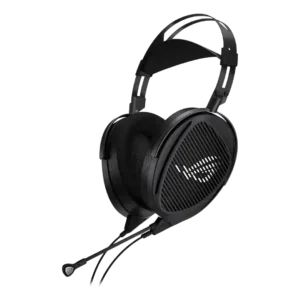
Reviews explicitly note the lack of virtual surround or other spatial-audio processing features.
Pros: Instrument separation, Software/setup simplicity
Cons: Noise isolation (passive), Active noise cancellation