Best for Spatial audio
Fractal Design Scape Headset
5.0 feature score
Highest scored product for this feature based on supporting review evidence.
Highest scored product for this feature based on supporting review evidence.
Balances feature score, supporting reviews, and overall product strength.
Has the broadest review evidence for this feature.
Strongest overall product among items with scored evidence for this feature.
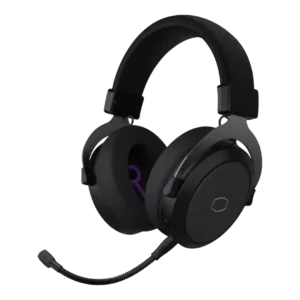
Spatial audio is one of the clearest strengths and is described as making games sound fantastic.
Pros: Microphone noise reduction, Spatial audio
Cons: App, Equalizer customization
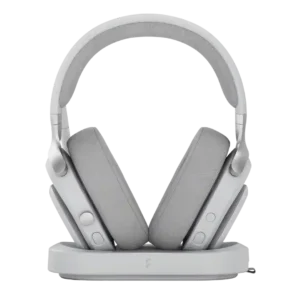
Spatial audio was praised for making footsteps and gunshots easier to locate in competitive games.
Pros: Spatial audio, Software/setup simplicity
Cons: Xbox compatibility, Sidetone adjustment quality
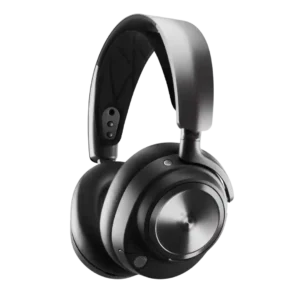
Spatial audio earns strong praise for immersion, directional effects, and expanded game environments.
Pros: Charging, Spatial audio
Cons: Hinge durability, Smudge resistance
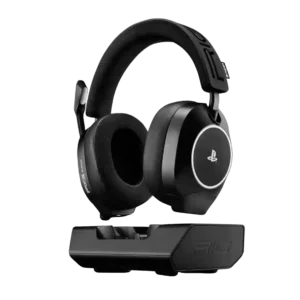
Spatial audio was a standout, with Dolby Atmos and 3D audio comments tied to clearer cues, immersion, and dramatic in-game directionality.
Pros: Spatial audio, Positional audio accuracy
Cons: Carry case quality, Detachable microphone convenience
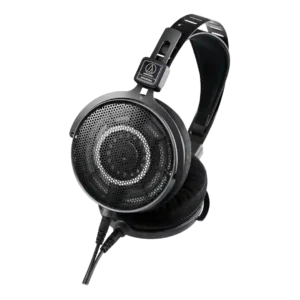
Spatial performance is praised for impressive imaging and positional cues, including mixing placement and gaming directionality.
Pros: Software/setup simplicity, Weight comfort
Cons: Travel friendliness, Sound leakage
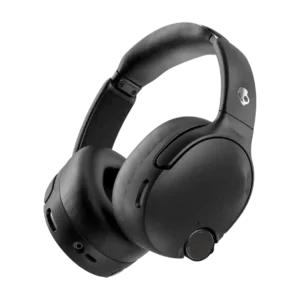
TrueSpatial is more than a novelty: reviewers heard a wider, speaker-like presentation and convincing head tracking. It works especially well for movies, stationary listening, and immersive music playback.
Pros: Treble clarity, Instrument separation
Cons: Codec support, Headband adjustability
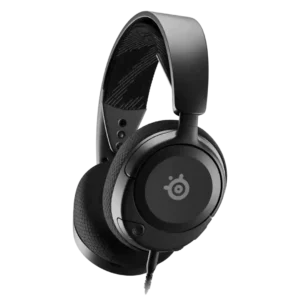
Spatial audio receives strong praise when supported by PS5 Tempest, Microsoft Spatial Sound, virtual surround, or Sonar.
Pros: Earpad replacement ease, Weight comfort
Cons: Sidetone adjustment quality, USB-C

Spatial audio was one of the most praised software features, especially for movies, supported Apple content, Dolby Atmos, and head-tracked experiences.
Pros: Hinge durability, Ecosystem integration
Cons: aptX, LDAC
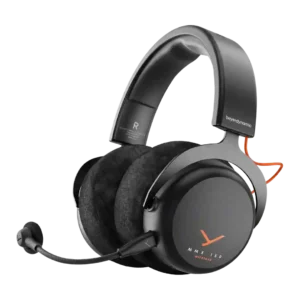
Spatial presentation is praised in gaming, including PS5 3D audio, immersive soundscapes, and strong spatial awareness.
Pros: Battery, Audio-video sync accuracy
Cons: Xbox compatibility, Volume output
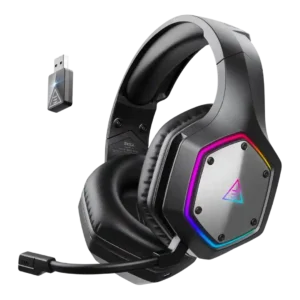
Surround/spatial audio was one of the strongest areas, with reviewers describing immersive, dimensional, or out-of-head gaming effects.
Pros: Audio-video sync accuracy, Wireless latency
Cons: Midrange clarity, Ear cup swivel/rotation range
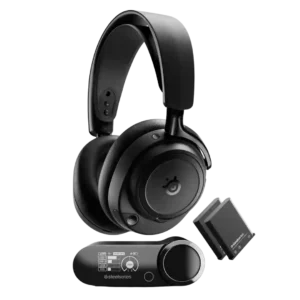
Spatial audio is generally praised for immersion, depth, and open-world presentation, though the tuning is more cinematic than strictly esports-focused.
Pros: Maximum volume clarity, Multipoint connectivity reliability
Cons: Portability/foldability, USB-C
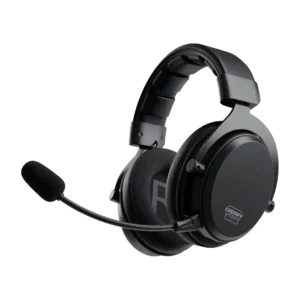
Spatial and immersive presentation was a recurring strength, especially for gaming and directional awareness.
Pros: Volume output, Audio-video sync accuracy
Cons: Xbox compatibility, Equalizer customization
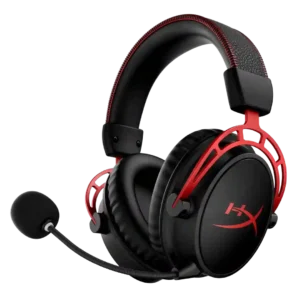
Spatial audio is praised on PC or when supported, especially for immersion and opponent tracking, but it often depends on software or platform.
Pros: Maximum volume clarity, Earpad replacement ease
Cons: Bluetooth, Xbox compatibility
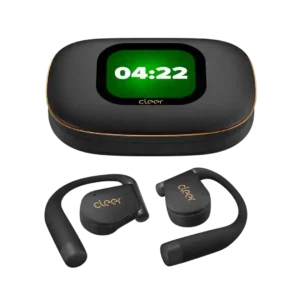
Spatial audio is a major differentiator, producing convincing depth and positional effects for movies and games. Music reactions are more mixed, with some reviewers preferring standard stereo or questioning the...
Pros: Instrument separation, Multipoint connectivity reliability
Cons: Noise isolation (passive)
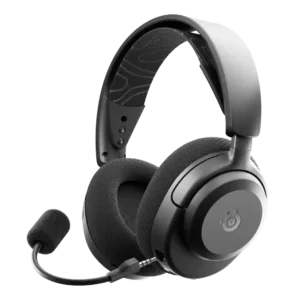
Spatial audio was praised for gaming immersion and directionality, especially through Sonar or console spatial systems.
Pros: Charging, Weight comfort
Cons: Sound leakage, Cable quality

Spatial audio earns strong praise for surround-like movie playback, immersive staging, and best-in-class implementation, though one reviewer personally dislikes it.
Pros: Audio-video sync accuracy, Transparency mode quality
Cons: aptX, LDAC

Spatial audio was often strong for movies and immersive use, though at least one reviewer found it distracting for music.
Pros: Button control usability, Design and Aesthetics
Cons: Water/sweat resistance rating, Included accessories
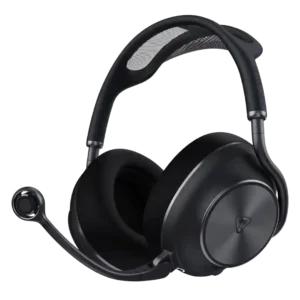
Dolby Atmos adds enjoyable height, distance, and environmental detail in supported games and movies. Competitive players may prefer native game audio because virtualization can add reverb or soften precise cues.
Pros: Codec support, Packaging quality
Cons: Multipoint connectivity reliability, Replaceable ear plates
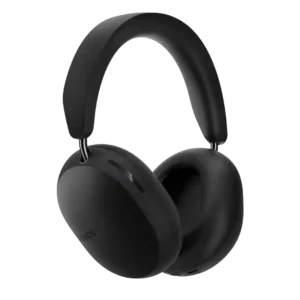
Spatial audio was a key strength for movies and TV, though some reviewers found head tracking or accuracy less useful for music.
Pros: Weight comfort, Ear cup swivel/rotation range
Cons: Cable quality, ANC sound impact on audio
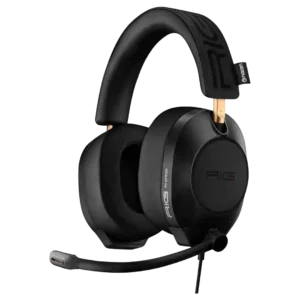
Spatial audio was positively received through Dolby Atmos or related support, though the evidence frames it as an enhancement rather than mandatory.
Pros: Audio-video sync accuracy, Battery
Cons: Bluetooth, Active noise cancellation
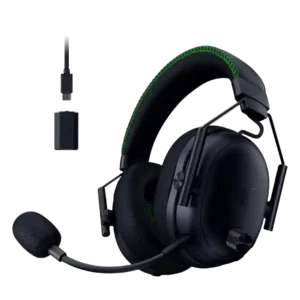
Spatial audio was usually positive for immersion and positional depth, though some reviewers preferred stereo for competitive play or found ANC narrowed the presentation.
Pros: Audio-video sync accuracy, Multi-platform compatibility
Cons: Cable quality, Preset EQ profile quality
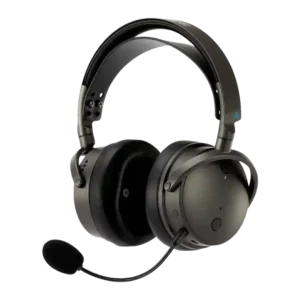
Spatial audio is usually a useful immersion bonus, especially on PS5 Tempest or Dolby, but some reviewers avoid it for competitive play.
Pros: Instrument separation, Maximum volume clarity
Cons: Hinge durability, Carry case quality
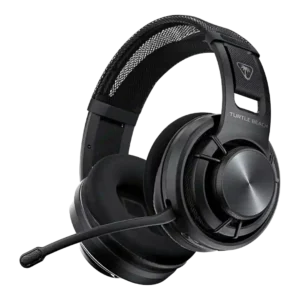
Spatial audio is strong overall, especially on PC with Waves 3D, though not every reviewer found it more precise than alternatives.
Pros: Weight comfort, Cable quality
Cons: Active noise cancellation, Noise isolation (passive)
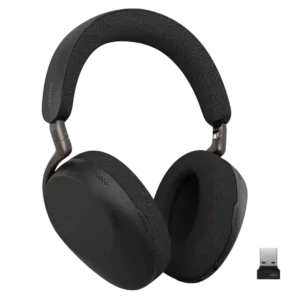
Spatial processing is often useful for making calls feel more natural and adding media depth. One listener found the music upmixing too boomy, so its value depends on content.
Pros: Frequency response accuracy, Clamping force comfort
Cons: Volume output, aptX

Spatial audio was a clear strength, especially for home theater use, though one review found the Cinema effect less compelling than Music mode.
Pros: Audio-video sync accuracy, Clamping force comfort
Cons: Transparency mode quality, Sustainability and repairability
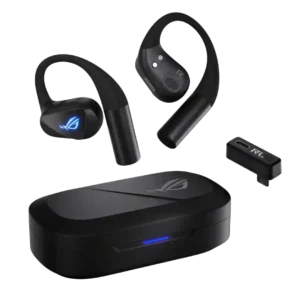
Positional performance is strong for games, especially footsteps and directional cues. A few tests find rear localization or Dolby Atmos rendering less convincing.
Pros: Transparency mode quality, Touch control responsiveness
Cons: Noise isolation (passive), Packaging condition
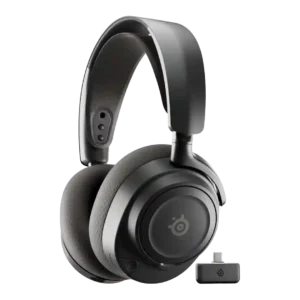
Spatial audio was generally useful for immersion and positional effects, though one reviewer preferred avoiding it for competitive play.
Pros: Connectivity versatility, Multi-platform compatibility
Cons: Transparency mode quality, Active noise cancellation
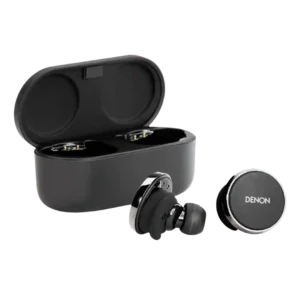
Spatial audio is polarized, ranging from underwhelming in one review to immersive, excellent, and wide in several others.
Pros: Audio-video sync accuracy, Multi-platform compatibility
Cons: LDAC, Weight comfort
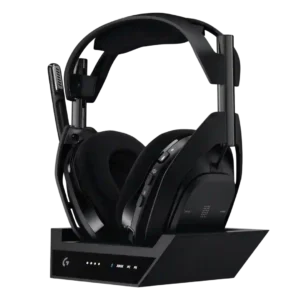
Spatial audio is usually praised for immersion and positioning, though one reviewer notes platform inconsistency because built-in surround is absent.
Pros: Positional audio accuracy, Soundstage width
Cons: Active noise cancellation, Hinge durability
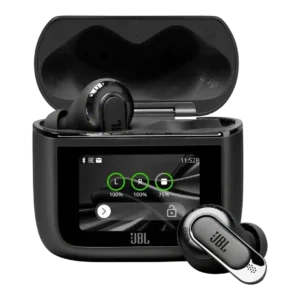
Spatial audio drew mixed-to-positive reactions, with several reviewers loving head tracking while others found it inconsistent or track-dependent.
Pros: Codec support, Dongle
Cons: Sound leakage, Find My
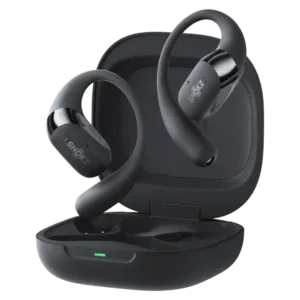
Spatial/Dolby audio was usually praised for richer, wider, more immersive sound, but some reviewers preferred it for video or podcasts over music and one found it gimmicky.
Pros: Clamping force comfort, Battery
Cons: Active noise cancellation, Noise isolation (passive)
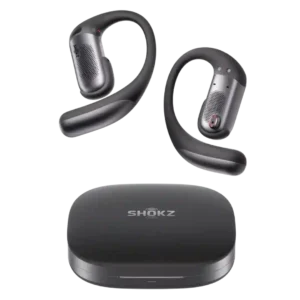
Dolby Atmos adds convincing width, height, and immersion, especially for movies and supported music. Head tracking works smoothly for many but feels distracting or gimmicky to others.
Pros: Voice assistant integration, Android compatibility
Cons: Maximum volume clarity, Packaging condition
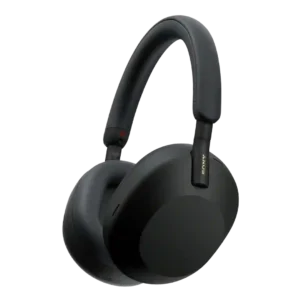
Spatial audio was useful and sometimes immersive, but compatibility and service limitations kept it from being universal.
Pros: Sound leakage, Noise isolation (passive)
Cons: Water/sweat resistance rating, Hinge durability
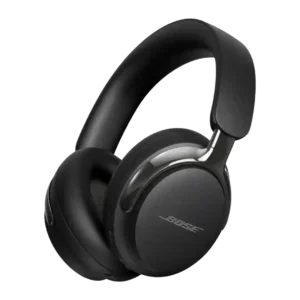
Spatial and cinema modes are divisive: movie use receives praise, while music-focused immersive modes are less consistently liked.
Pros: Award recognition, ANC sound impact on audio
Cons: Water/sweat resistance rating, LE Audio readiness
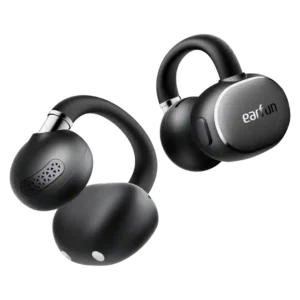
Theater Mode can create a wider, more immersive presentation for movies and games. For music, it often changes tonality, adds reverb, or sounds unnatural.
Pros: Weight comfort, Hinge durability
Cons: Active noise cancellation, Sensors
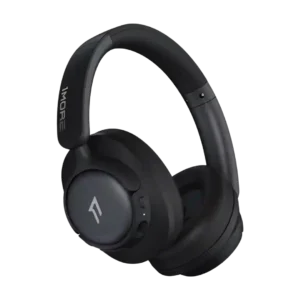
Spatial audio was mostly seen as a pleasant width or immersion booster, with caveats that it is not flagship-level or can sound artificial.
Pros: Battery, ANC sound impact on audio
Cons: 3.5mm analog input availability, Treble clarity
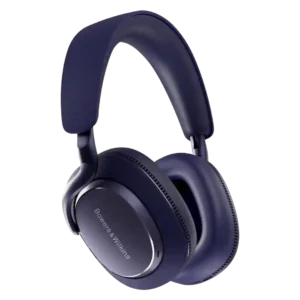
Spatial audio is not yet proven in reviews, but Audioholics is genuinely interested in B&W's planned implementation.
Pros: Frequency response accuracy, Multipoint connectivity reliability
Cons: LDAC, Wear detection performance
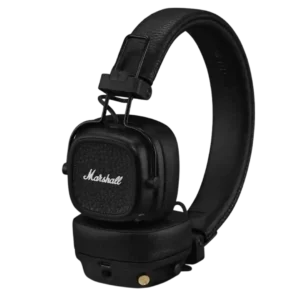
One review said Dolby Atmos playback still had kick despite the lack of noise cancelling.
Pros: Ear cup swivel/rotation range, Multi-platform compatibility
Cons: aptX, Water/sweat resistance rating

Spatial audio had limited evidence, but one reviewer said Android spatial audio produced a more spacious sound.
Pros: Android compatibility, Software/setup simplicity
Cons: Active noise cancellation, Noise isolation (passive)
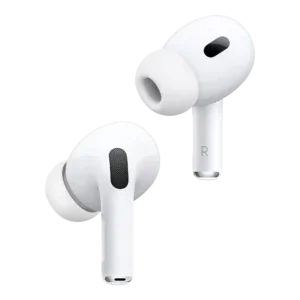
Spatial audio was polarizing: several reviewers loved the immersion, while others called it gimmicky or frustrating to personalize.
Pros: Weight comfort, Charging
Cons: Smudge resistance, Android compatibility
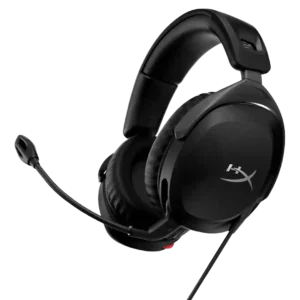
Spatial audio was one of the most polarizing features, with some reviewers praising DTS for immersion and positioning while others found it gimmicky or actively worse.
Pros: Multi-platform compatibility, Dongle
Cons: Replaceable earpads, Preset EQ profile quality
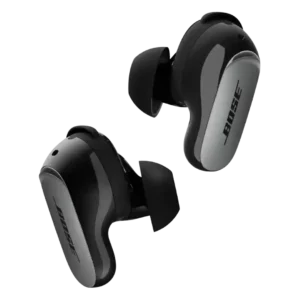
Spatial audio is divisive: some reviewers find it natural, cool, or useful, while others prefer standard stereo or dislike the processing.
Pros: Active noise cancellation, Volume output
Cons: Preset EQ profile quality, Equalizer customization
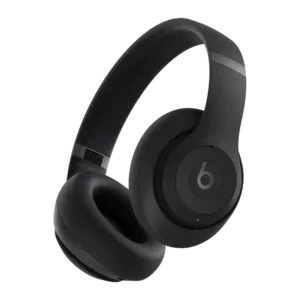
Spatial audio worked well for Apple movies and supported immersion, but at least one reviewer still found it gimmicky or unappealing.
Pros: Audio-video sync accuracy, Android compatibility
Cons: Water/sweat resistance rating, Auto-play/wear detection
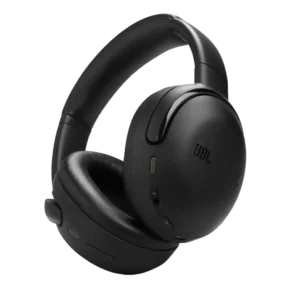
Spatial audio was divisive: some reviewers loved the movie immersion, while others found it echoey, disappointing, or merely decent.
Pros: Immersive audio quality, ANC background noise level
Cons: Replaceable pads/headband, Replaceable earpads
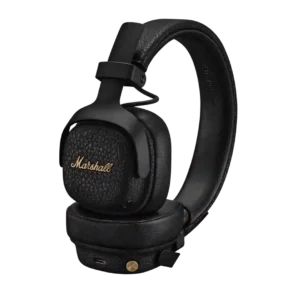
Soundstage mode can add convincing room-like depth and immersion, and several reviewers kept it enabled. Others find it subtle, bass-reducing, artificial, or inferior to true spatial audio.
Pros: Multipoint connectivity reliability, Codec support
Cons: aptX, Smart Pause performance
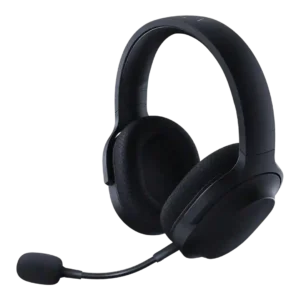
Spatial audio was useful for directionality and immersion in supported setups, though some reviewers found it less precise, app-dependent, or not worth the hassle.
Pros: Cable quality, Hinge durability
Cons: aptX, Active noise cancellation
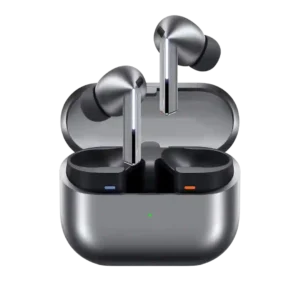
Spatial audio was mixed: some reviewers found it immersive or useful, while others called it hit-or-miss, compressed, or only occasionally worthwhile.
Pros: Integrated microphone, Frequency response accuracy
Cons: LDAC, Ear tip size options
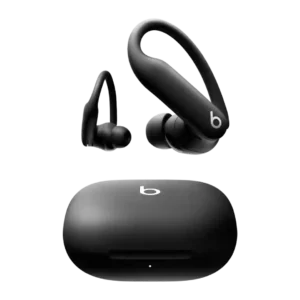
Spatial audio was mixed: several reviewers liked the feature and head tracking, while one found it harsh for music.
Pros: Audio-video sync accuracy, Smudge resistance
Cons: Multipoint connectivity reliability, Equalizer customization
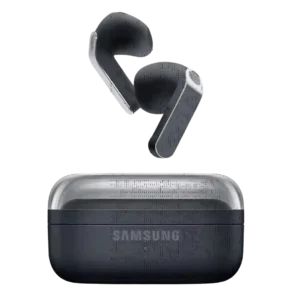
Spatial audio divides opinion. One user calls it genuinely cool, while another avoids it because upmixing can warp music, making its value highly preference-dependent.
Pros: Audio-video sync accuracy, Integrated microphone
Cons: Warranty and support service, Ear tip size options
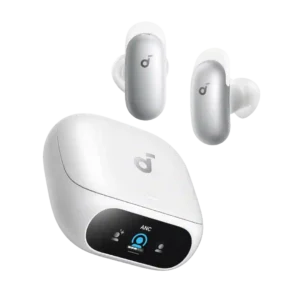
Spatial audio is a nice extra rather than a core reason to buy. Reviewers mention Dolby Atmos and head tracking positively, but one owner finds it only okay.
Pros: Maximum volume clarity, Noise isolation (passive)
Cons: Apple H2 chip support, Treble clarity