Best for polling rate
SteelSeries Aerox 9 Wireless
4.8 feature score
Highest scored product for this feature based on supporting review evidence.
Highest scored product for this feature based on supporting review evidence.
Balances feature score, supporting reviews, and overall product strength.
Has the broadest review evidence for this feature.
Strongest overall product among items with scored evidence for this feature.
Showing SteelSeries only. Switch back to all brands anytime.
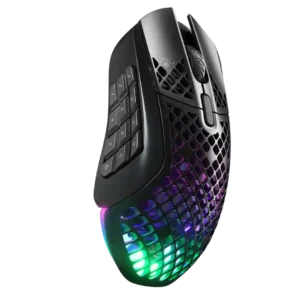
The 1000Hz polling-rate implementation was described as flawless or issue-free by the reviewers who discussed it.
Pros: motion consistency, surface compatibility
Cons: onboard memory, handedness options
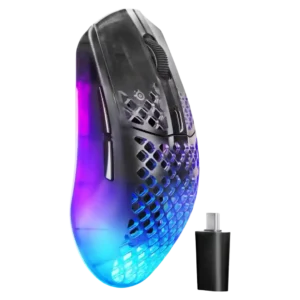
The 4K polling rate was widely treated as a major performance upgrade, especially for competitive play, though a few reviewers called it a nice-to-have for casual use.
Pros: click latency, motion consistency
Cons: palm grip comfort, fingertip grip comfort
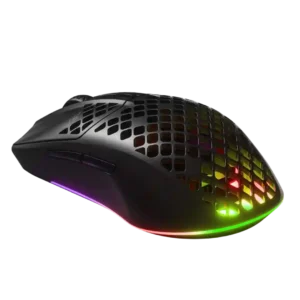
Polling-rate control was treated as important and useful, especially for high-refresh-rate or gaming use.
Pros: Accuracy and tracking precision, surface compatibility
Cons: firmware reliability, palm grip comfort
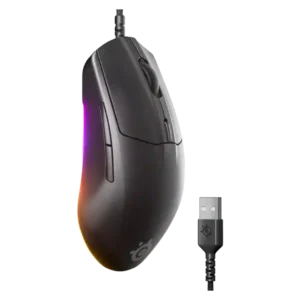
Polling-rate feedback was mixed but generally adequate: 1,000Hz was called standard or delay-free, while PCMag called it low but acceptable.
Pros: connection stability, left and right click quality
Cons: palm grip comfort, profile switching
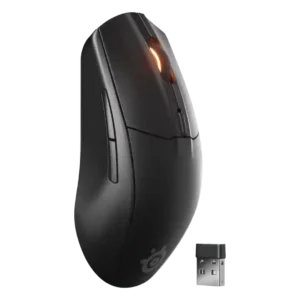
The 1,000Hz cap was considered perfectly fine for most casual players, though below the 4,000Hz or 8,000Hz modes found in pricier mice.
Pros: build quality, ergonomic design
Cons: handedness options, RGB features
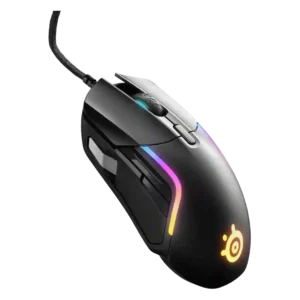
Polling-rate feedback was limited and mixed: one reviewer valued the adjustable feedback, while another treated the polling rate as a comparative weakness.
Pros: switch durability, surface compatibility
Cons: weight tuning, portability
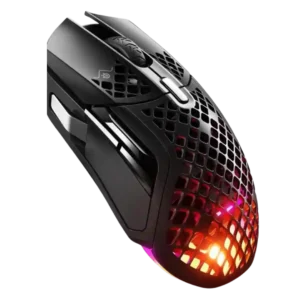
Polling rate feedback was split: 1000Hz was praised, while Bluetooth or efficiency modes dropping to 125Hz were criticized.
Pros: motion consistency, connection stability
Cons: weight tuning, fingertip grip comfort