Best for polling rate
Logitech G Pro Wireless
5.0 feature score
Highest scored product for this feature based on supporting review evidence.
Highest scored product for this feature based on supporting review evidence.
Balances feature score, supporting reviews, and overall product strength.
Has the broadest review evidence for this feature.
Strongest overall product among items with scored evidence for this feature.
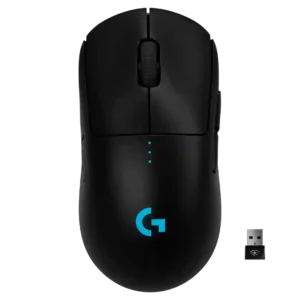
Polling/report-rate evidence was positive where reviewers connected 1ms reporting with smooth, responsive cursor behavior.
Pros: polling rate, motion consistency
Cons: MOBA gaming suitability, durability over time
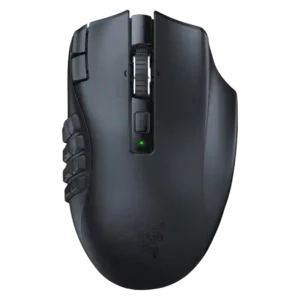
Measured polling was excellent, with stable 1000Hz operation and minimal jitter in the detailed latency test.
Pros: Accuracy and tracking precision, sensor performance
Cons: handedness options, fingertip grip comfort
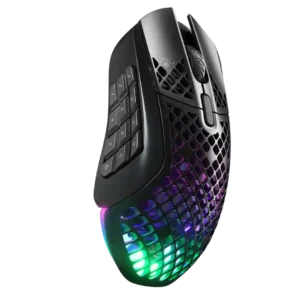
The 1000Hz polling-rate implementation was described as flawless or issue-free by the reviewers who discussed it.
Pros: motion consistency, surface compatibility
Cons: onboard memory, handedness options
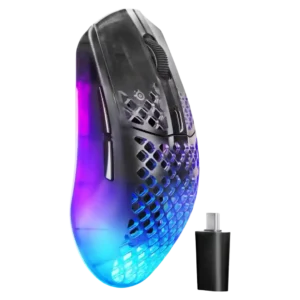
The 4K polling rate was widely treated as a major performance upgrade, especially for competitive play, though a few reviewers called it a nice-to-have for casual use.
Pros: click latency, motion consistency
Cons: palm grip comfort, fingertip grip comfort
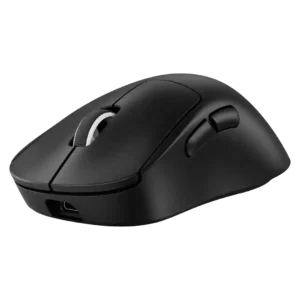
The 8K wireless polling rate impressed reviewers for speed and smoothness, though several called it overkill or battery-hungry outside competitive play.
Pros: motion consistency, acceleration control
Cons: cable flexibility, cross-platform compatibility
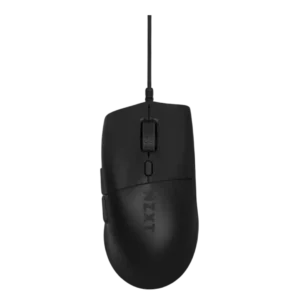
Reviewers liked the high polling-rate capability and fast response, with one caveat that observed polling could drop under slower movement without causing in-game issues.
Pros: FPS gaming suitability, weight
Cons: fingertip grip comfort, handedness options
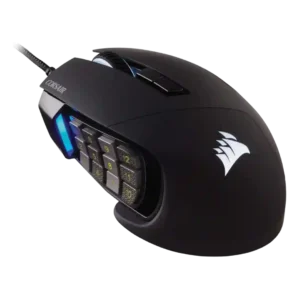
Polling-rate evidence was positive, with reviewers calling 1,000Hz responsive and suitable for gaming.
Pros: button responsiveness, long-session comfort
Cons: handedness options, switch durability
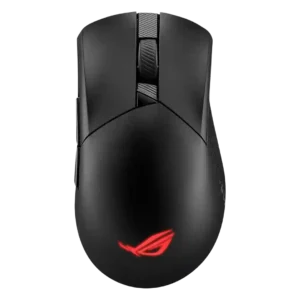
Polling rate evidence was positive overall, with one benchmark exceeding 1,000Hz and another reviewer saying 1,000Hz felt sufficient for quick response.
Pros: motion consistency, surface compatibility
Cons: handedness options, software stability
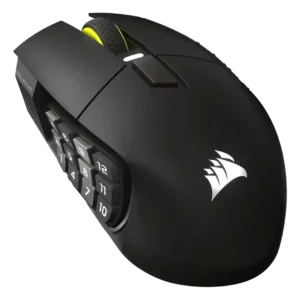
Polling rate was treated as sufficient for the product category, with reviewers saying 1000Hz is enough for MMO-focused use.
Pros: click latency, macro support
Cons: firmware reliability, tilt gesture controls
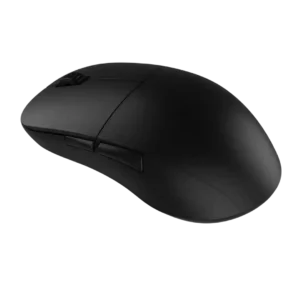
Polling-rate evidence was positive where mentioned, with reviewers calling the 1,000Hz rate responsive or stable.
Pros: drag click support, claw grip comfort
Cons: handedness options, Bluetooth support
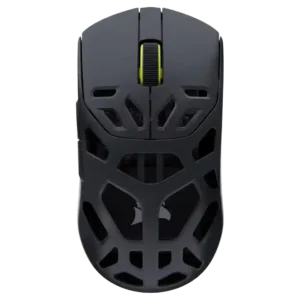
The 8,000Hz polling rate was usually praised for sharper response, though one reviewer said most people will not notice a meaningful gameplay change and another saw minor instability outside play.
Pros: Accuracy and tracking precision, click latency
Cons: cable flexibility, ecosystem integration
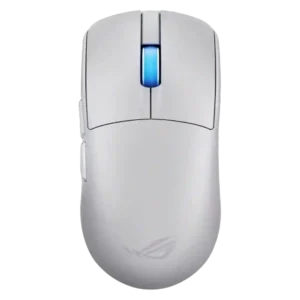
8K polling was praised as a serious competitive feature, though several reviewers said gains can be subtle and battery cost rises at high rates.
Pros: acceleration control, wireless latency
Cons: onboard memory, MMO gaming suitability
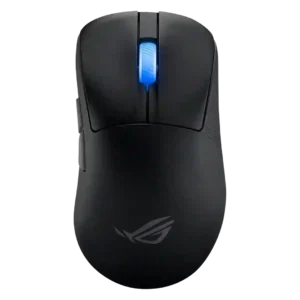
Polling rate support was widely praised, especially 4K wireless and included booster access, with some debate over 8K usefulness.
Pros: connection stability, weight
Cons: handedness options, software usability
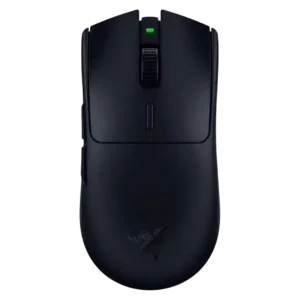
Polling was generally viewed positively: 1,000Hz was enough for most, while 4K/8K support was valuable but battery-hungry or dongle-dependent.
Pros: motion consistency, wireless latency
Cons: handedness options, onboard memory
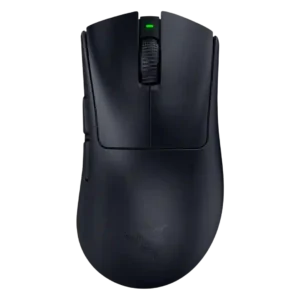
8,000Hz polling was viewed as cutting-edge and useful for esports, but several reviewers said many casual players may barely notice it and it hurts battery life.
Pros: Accuracy and tracking precision, sensor performance
Cons: onboard memory, handedness options
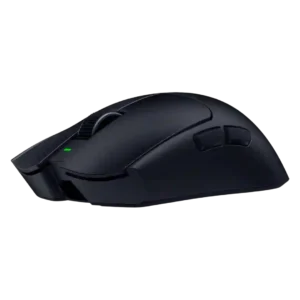
8,000Hz polling earned praise from competitive-focused reviewers, while others found the difference subtle or unnecessary for most players.
Pros: balance and weight distribution, build quality
Cons: dock compatibility, Bluetooth support
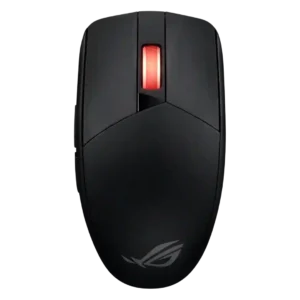
Polling-rate evidence is positive overall: 1000Hz is praised as high performance, while Bluetooth polling is described as lower but still usable.
Pros: motion consistency, Accuracy and tracking precision
Cons: cable flexibility, palm grip comfort
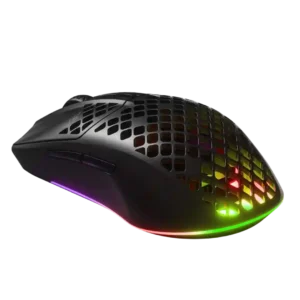
Polling-rate control was treated as important and useful, especially for high-refresh-rate or gaming use.
Pros: Accuracy and tracking precision, surface compatibility
Cons: firmware reliability, palm grip comfort
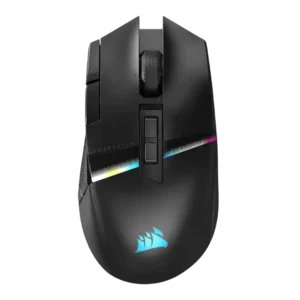
The 2,000Hz polling capability is praised as high-spec and useful for competitive play, though one reviewer felt the latency difference would often be hard to notice.
Pros: long-session comfort, sensor performance
Cons: handedness options, software stability
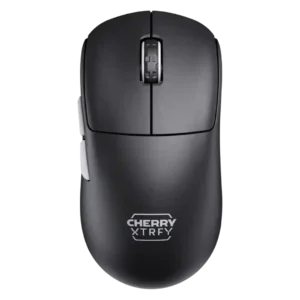
The 8K polling rate impressed some reviewers with smooth responsiveness, while others found little detectable difference and noted battery tradeoffs.
Pros: 2.4GHz connectivity, long-session comfort
Cons: programmable buttons, button customization
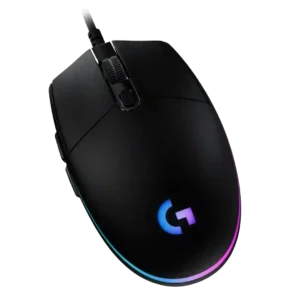
Polling-rate evidence is positive but limited: reviewers describe fast reporting or standard 1000Hz behavior that keeps input delay low.
Pros: acceleration control, dock compatibility
Cons: portability, onboard memory
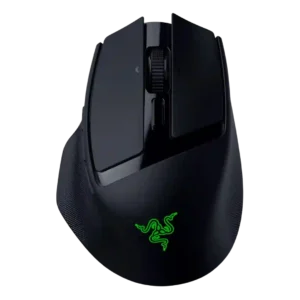
Polling was praised in 2.4GHz mode, but Bluetooth’s lower polling and latency limits made performance mode choice important.
Pros: ecosystem integration, sensor performance
Cons: AI Prompt Master, durability over time
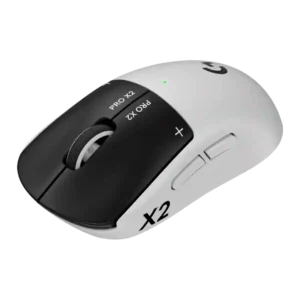
Polling rate is viewed as a pro-level strength, especially wireless 8K, although not every reviewer sees huge practical gains.
Pros: left and right click quality, dock compatibility
Cons: Bluetooth support, cross-platform compatibility
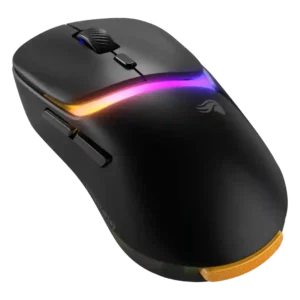
Polling-rate support was useful and flexible, though 8K polling was criticized for draining battery quickly.
Pros: glide smoothness, sensor performance
Cons: grip texture, firmware reliability
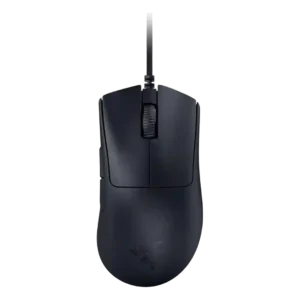
Polling-rate feedback was positive overall, but mixed in practice: reviewers liked 8,000Hz support while some saw little benefit or stuttering.
Pros: Accuracy and tracking precision, sensor performance
Cons: handedness options, tilt gesture controls
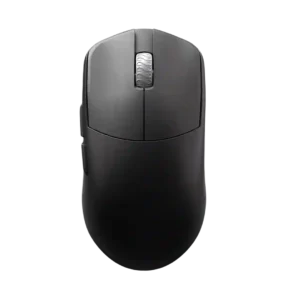
Polling-rate support is valued, especially 8K wireless, though reviewers note 8K may not be useful to everyone and can trade off against battery life.
Pros: DPI range, balance and weight distribution
Cons: charging convenience, click noise
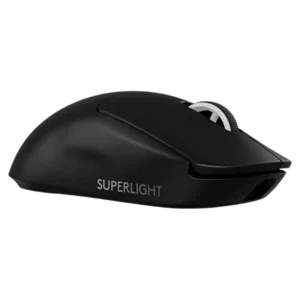
Polling-rate opinions were mixed: several reviewers felt clear responsiveness gains, while others saw 2,000Hz as fine but not industry-leading.
Pros: macro support, fingertip grip comfort
Cons: weight tuning, cable flexibility
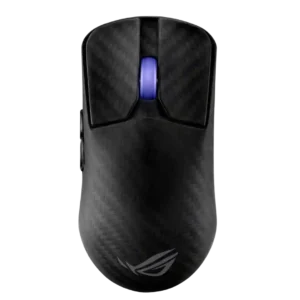
Polling rate was a headline strength, but reviewers often questioned the practical value of 8K versus its battery cost.
Pros: Accuracy and tracking precision, sensor performance
Cons: software stability, value for money
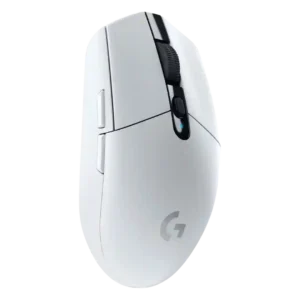
Polling-rate opinions were mostly positive for 500-1000Hz use, though reviewers saw higher modern rates as mostly unnecessary for average players.
Pros: motion consistency, wireless latency
Cons: Bluetooth support, acceleration control
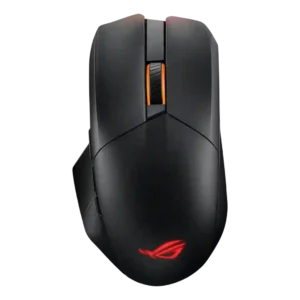
Wired 8,000Hz polling impressed several reviewers, but others found the difference noticeable only modestly or hard to feel.
Pros: premium feel, Accuracy and tracking precision
Cons: software stability, FPS gaming suitability
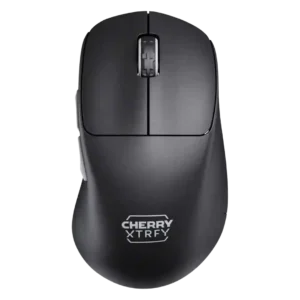
The polling rate was generally seen as responsive and smooth, though IGN found the jump beyond 1000Hz hard to notice and tied it to battery drain.
Pros: 2.4GHz connectivity, long-session comfort
Cons: debounce customization, fingertip grip comfort
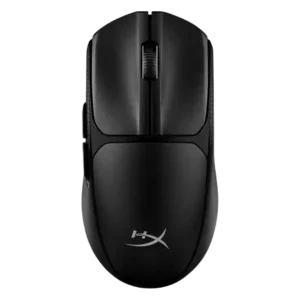
The 1000Hz polling rate was viewed as sufficient or industry-standard, with one reviewer saying higher rates would add little benefit.
Pros: wireless latency, Accuracy and tracking precision
Cons: side button quality, materials quality
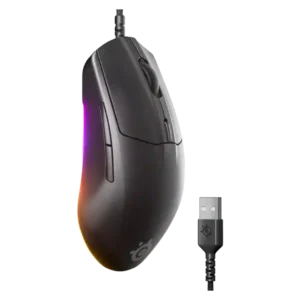
Polling-rate feedback was mixed but generally adequate: 1,000Hz was called standard or delay-free, while PCMag called it low but acceptable.
Pros: connection stability, left and right click quality
Cons: palm grip comfort, profile switching
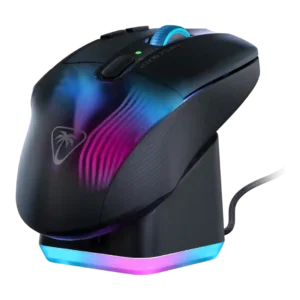
Polling-rate comments were positive but limited, tying the 1,000Hz option to smooth movement and expected gaming performance.
Pros: click latency, motion consistency
Cons: firmware reliability, weight tuning
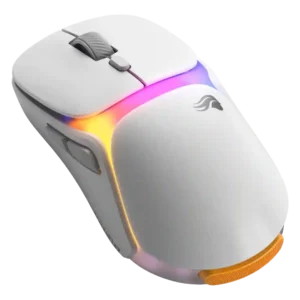
The high polling rate was treated as a performance-focused feature most useful for high-refresh competitive play.
Pros: battery life, programmable buttons
Cons: software stability, firmware reliability
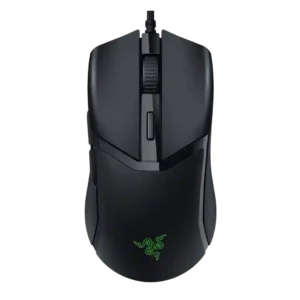
Polling rate was viewed as suitable for most gamers rather than elite or unusually high-end.
Pros: Accuracy and tracking precision, motion consistency
Cons: click noise, onboard memory
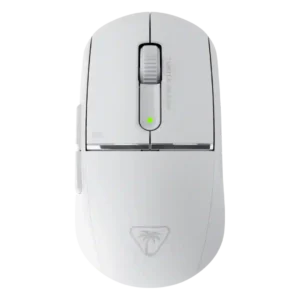
Polling-rate impressions were mixed: the 8K headline impressed some reviewers, while others called the benefit subtle or mostly box-ticking.
Pros: wireless latency, surface compatibility
Cons: RGB features, firmware reliability
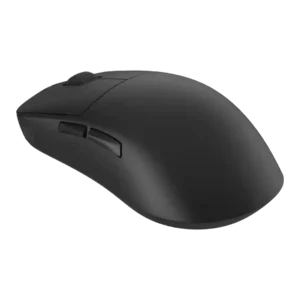
Polling-rate evidence is mostly positive for competitive specs, but multiple reviewers say ultra-high polling is not always noticeable to normal players.
Pros: durability over time, sensor performance
Cons: MMO gaming suitability, surface compatibility
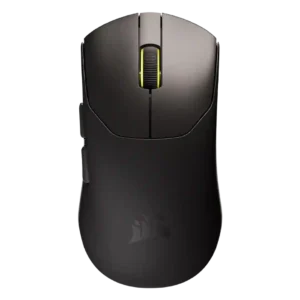
The 8K polling rate impressed some reviewers and supported fast play, but several saw it as overkill, battery-hungry, or less stable at higher wireless rates.
Pros: connection stability, weight
Cons: click latency, cable flexibility
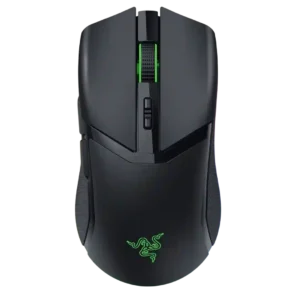
Polling support was useful and sometimes praised for reducing lag, but reviewers noted higher rates require extra accessories and that the stock 1,000Hz rate trails some competitors.
Pros: motion consistency, sensor performance
Cons: software stability, MMO gaming suitability
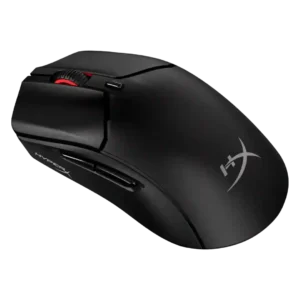
Polling-rate feedback is mixed: wired reviewers liked 8,000Hz responsiveness, while wireless reviewers accepted 1,000Hz but noted it trails higher-end options.
Pros: long-session comfort, balance and weight distribution
Cons: software stability, firmware reliability
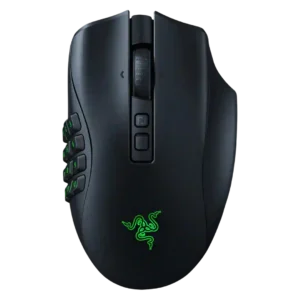
The 1,000Hz polling rate was usually seen as enough for most users, though lack of higher polling disappointed some.
Pros: sensor performance, click latency
Cons: software stability, Bluetooth support
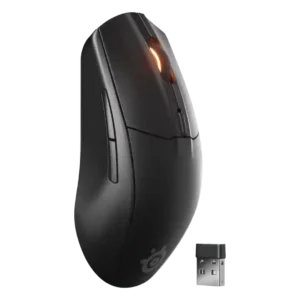
The 1,000Hz cap was considered perfectly fine for most casual players, though below the 4,000Hz or 8,000Hz modes found in pricier mice.
Pros: build quality, ergonomic design
Cons: handedness options, RGB features
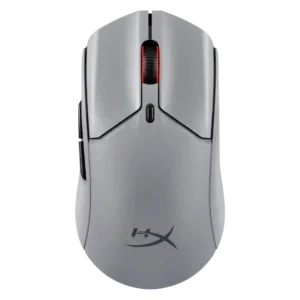
Polling-rate impressions were mixed: 4K felt smoother and valuable for pro/FPS play, but several reviewers said the benefit is subtle or not worth the battery tradeoff for most users.
Pros: motion consistency, wireless latency
Cons: palm grip comfort, software stability
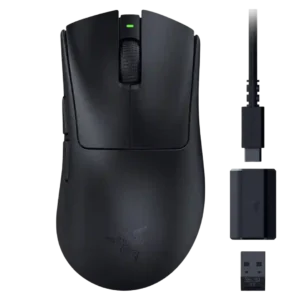
Polling-rate evidence was mixed-positive: 1,000Hz was widely considered enough, while the separate HyperPolling dongle was a repeated caveat.
Pros: click latency, motion consistency
Cons: handedness options, Bluetooth support
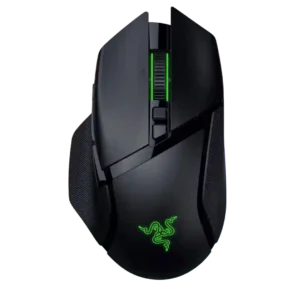
Polling rate feedback was mixed: high rates were valued, but accessories and battery penalties limited their practical appeal.
Pros: lift-off distance, motion consistency
Cons: cross-platform compatibility, handedness options
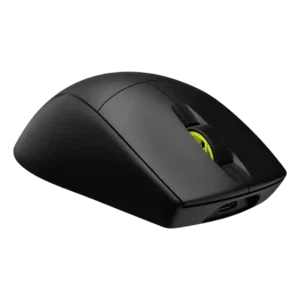
Polling-rate impressions are mixed: several reviewers like or verify the 2,000Hz option, while others say it is hard to notice or failed their tests.
Pros: click latency, fingertip grip comfort
Cons: firmware reliability, skate durability
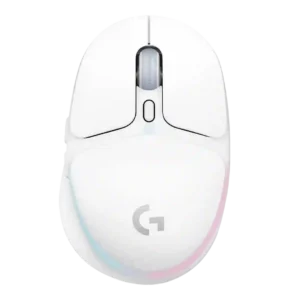
Polling rate was strong over the dongle at 1,000Hz but criticized when consistency varied or Bluetooth limited the report rate.
Pros: 2.4GHz connectivity, connection stability
Cons: cable flexibility, handedness options
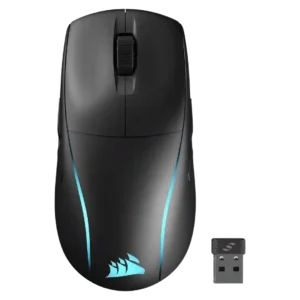
Polling rate was viewed as adequate for most gamers, but several reviewers criticized it for lagging behind 4,000Hz and 8,000Hz rivals.
Pros: handedness options, Accuracy and tracking precision
Cons: tilt gesture controls, software stability
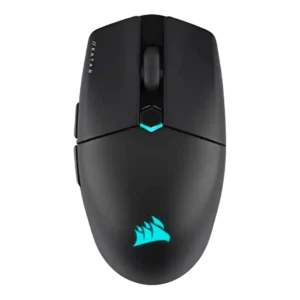
The 2,000Hz polling rate was valued for competitive specs, but several reviewers said the real-world difference would be hard to notice.
Pros: software stability, click latency
Cons: MMO gaming suitability, palm grip comfort