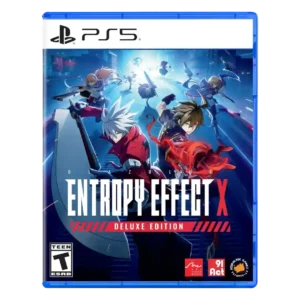
Multiplayer design is praised in one review because separate co-op builds can complement each other during runs.
Pros: movement feel, skill tree depth
Cons: menu usability, HUD clarity
Multiplayer design is praised in one review because separate co-op builds can complement each other during runs.
Pros: movement feel, skill tree depth
Cons: menu usability, HUD clarity

Multiplayer design is generally positive, especially online modes, leagues, robust options, and win-focused competition.
Pros: open-world design, replay value
Cons: dialogue quality, writing quality
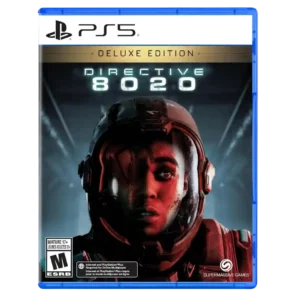
Multiplayer design was received positively, especially the improved Movie Night mode and the idea of working together under impostor pressure.
Pros: user interface design, graphics quality
Cons: combat system, animation quality
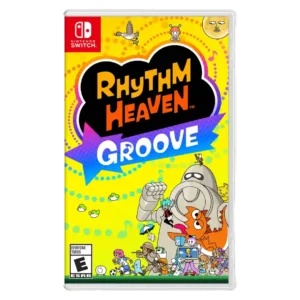
Multiplayer design is repeatedly highlighted as quick, quirky, tense, chaotic, and well suited to party play, especially the cake-grabbing competitive mode.
Pros: couch co-op quality, accessibility options
Cons: platform-specific feature support, performance optimization
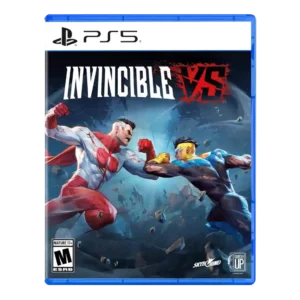
Multiplayer design was mostly praised for tag tactics, team composition, and defensive tools, but one beta reviewer disliked the tag-guessing system.
Pros: immersion, frame rate stability
Cons: user interface design, bug frequency
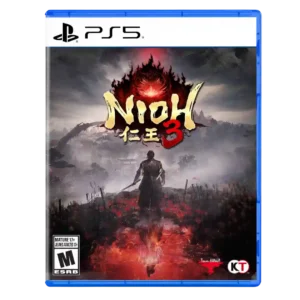
Multiplayer design received limited positive evidence for remaining a strong suit.
Pros: pacing, visual effects quality
Cons: tutorial quality, character roster
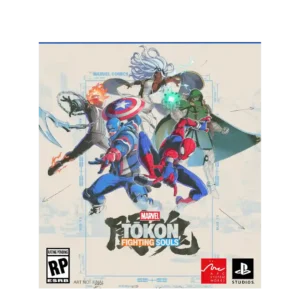
The 4v4/tag structure is the most debated design point: some praise all-out team play, while others question tagging incentives and clunky swaps.
Pros: emotional impact, frame rate stability
Cons: server reliability, tutorial quality
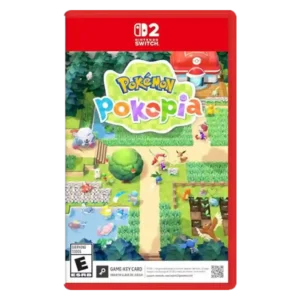
Multiplayer design had strong ideas like shared islands and group building, but some reviewers saw limitations or early roughness.
Pros: protagonist appeal, faithfulness to franchise
Cons: map and navigation design, aiming precision
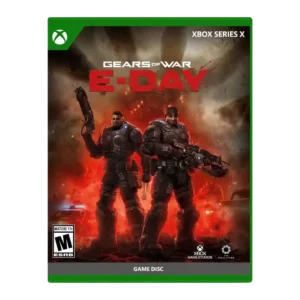
Multiplayer design is promising but risky: classic 4v4 and new traversal excite some reviewers while movement changes could alienate others.
Pros: emotional impact, art direction
Cons: value for money, platform-specific feature support
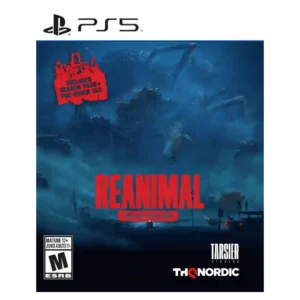
Multiplayer design is limited by the lack of drop-in/drop-out support, though playing both solo and co-op remains worthwhile.
Pros: onboarding experience, environmental detail
Cons: family friendliness, movement feel
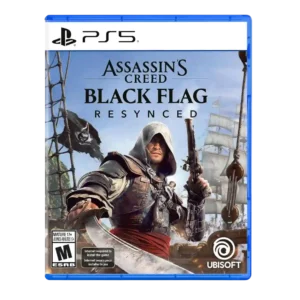
Multiplayer design is a weak point because the mode is absent; reviewers ranged from disappointed to not considering it a major loss.
Pros: core gameplay loop, visual effects quality
Cons: monetization fairness, microtransaction impact
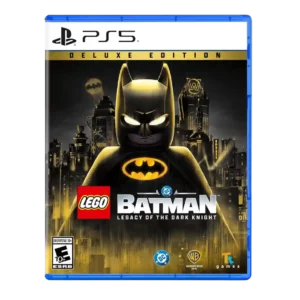
Multiplayer design is mixed to negative because local multiplayer sounds fun, but lack of online co-op is repeatedly called out.
Pros: pacing, core gameplay loop
Cons: companion AI, map and navigation design
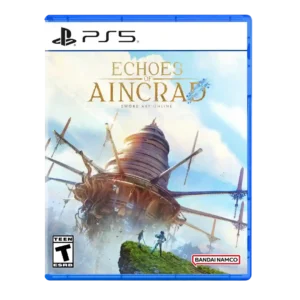
Multiplayer design was criticized because the single-player quest structure seemed like it would benefit from online co-op.
Pros: environmental detail, art direction
Cons: world interactivity, loot system
Multiplayer design was a weakness because reviewers missed PvP or multiplayer dungeon-style options.
Pros: art direction, environmental detail
Cons: multiplayer design, accessibility options