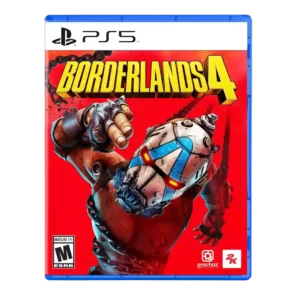
Multiplayer design has limited but strong positive evidence for frictionless shared play design.
Pros: sandbox freedom, art direction
Cons: polish, save system reliability
Multiplayer design has limited but strong positive evidence for frictionless shared play design.
Pros: sandbox freedom, art direction
Cons: polish, save system reliability
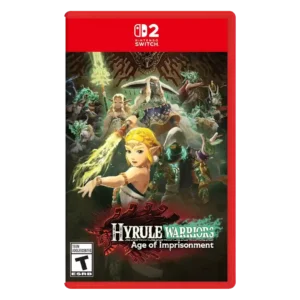
Multiplayer design was positive where local split-screen support was tested, though related evidence also notes 30 fps compromises.
Pros: animation quality, multiplayer design
Cons: save system reliability, companion AI
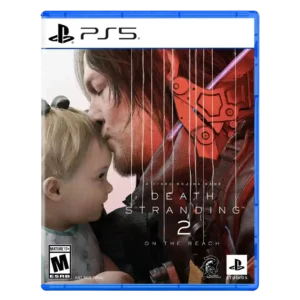
Asynchronous multiplayer is one of the clearest strengths, making players feel connected through structures, roads, likes, and shared effort.
Pros: animation quality, facial animations
Cons: quest design, AI behavior
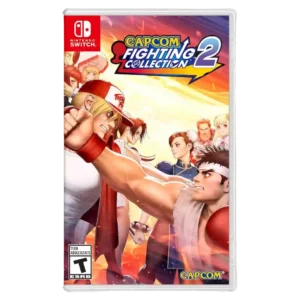
Multiplayer design is a major strength, especially online/local play, lobbies, and chaotic Power Stone-style group play.
Pros: emotional impact, sound design
Cons: cross-play support, boss design
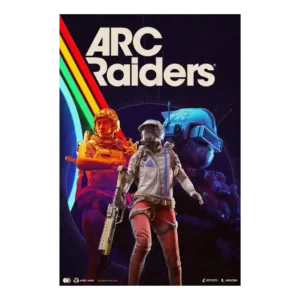
Reviewers consistently emphasized that Arc Raiders’ PvPvE structure creates unpredictable, social, and often hopeful multiplayer moments.
Pros: frame rate stability, platform-specific feature support
Cons: voice acting, writing quality
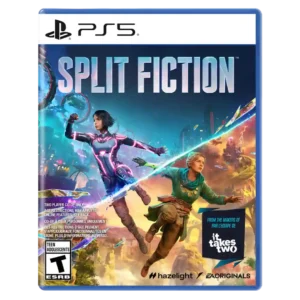
Multiplayer design was praised for fitting the exclusively co-op approach and supporting differing skill levels.
Pros: puzzle design, level design
Cons: exploration quality, side character depth
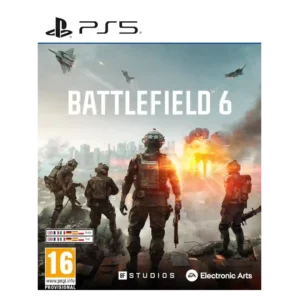
multiplayer design was the strongest consensus positive, praised as layered, chaotic, and highly replayable.
Pros: haptic feedback integration, performance optimization
Cons: pacing, microtransaction impact
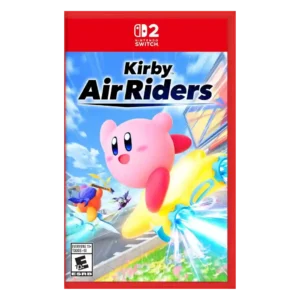
Multiplayer was usually praised as the game's happy place, especially with groups, though Stadium splitting and missing Grand Prix-style structure drew complaints.
Pros: flying mechanics, exploration quality
Cons: AI behavior, boss design
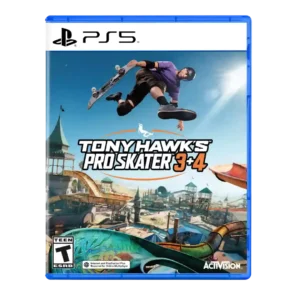
Multiplayer design was generally praised for returning modes, HAWK mode, Graffiti, and arcade competition, with some playlist and choice caveats.
Pros: core gameplay loop, controls responsiveness
Cons: crash stability, cross-save support
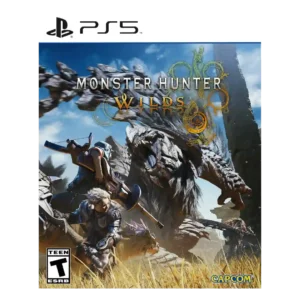
Multiplayer design was broadly positive, especially once connected, though some reviewers noted restrictions and setup friction.
Pros: art direction, cross-play support
Cons: dialogue quality, monetization fairness

Multiplayer design is considered solid overall, with ranked, casual, room matches, and online basics, though it depends on players gelling with the systems.
Pros: emotional impact, animation quality
Cons: enemy variety, server reliability

Multiplayer design appears intentionally support-oriented, with the available two-player mode fitting parent-child play best.
Pros: gameplay mechanics, world interactivity
Cons: economy and resource balance, enemy variety
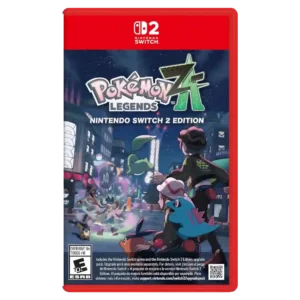
Multiplayer design received positive evidence after a patch made battle rewards more directly useful.
Pros: crash stability, gameplay mechanics
Cons: AI behavior, monetization fairness
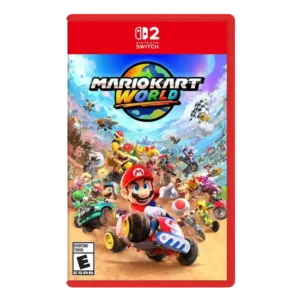
Multiplayer design was split: local play and friend sessions were praised, but online grouping, public Knockout Tour with friends, and mode limitations drew criticism.
Pros: animation quality, sound design
Cons: difficulty balance, AI behavior
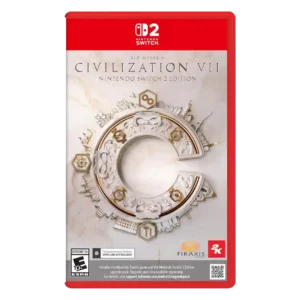
Multiplayer worked smoothly for one reviewer and had useful age/session ideas, but others noted launch feature limits or platform restrictions.
Pros: animation quality, controls responsiveness
Cons: matchmaking quality, user interface design
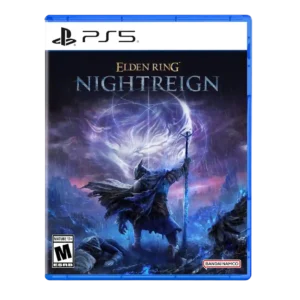
Multiplayer design was ambitious but divisive, thriving with coordinated teams and struggling with strangers or limited communication.
Pros: emotional impact, visual effects quality
Cons: crash stability, cross-play support
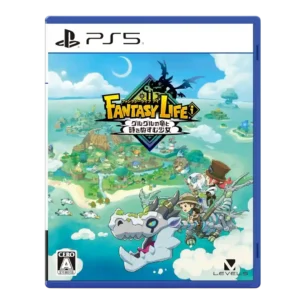
Multiplayer is the clearest recurring weakness: some fun is acknowledged, but reviewers cite limits, time gates, and afterthought design.
Pros: load times, crash stability
Cons: originality, voice acting
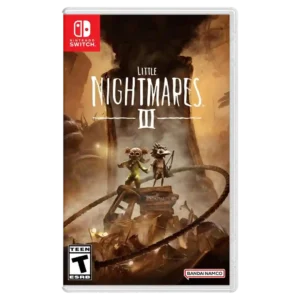
Multiplayer design was criticized for online-only limits, no drop-in switching, and difficult co-op setup despite the feature’s prominence.
Pros: load times, haptic feedback integration
Cons: save system reliability, aiming precision