Best for multiplayer design
It Takes Two
5.0 feature score
Highest scored product for this feature based on supporting review evidence.
Highest scored product for this feature based on supporting review evidence.
Balances feature score, supporting reviews, and overall product strength.
Has the broadest review evidence for this feature.
Strongest overall product among items with scored evidence for this feature.
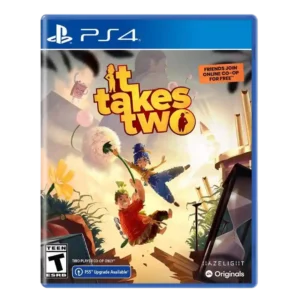
Multiplayer design is praised as fully built around two players, with local, online, and cooperative structure central to the experience.
Pros: core gameplay loop, movement feel
Cons: character development, dialogue quality
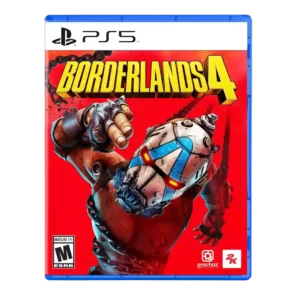
Multiplayer design has limited but strong positive evidence for frictionless shared play design.
Pros: sandbox freedom, art direction
Cons: polish, save system reliability
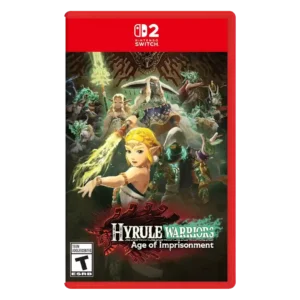
Multiplayer design was positive where local split-screen support was tested, though related evidence also notes 30 fps compromises.
Pros: animation quality, multiplayer design
Cons: save system reliability, companion AI
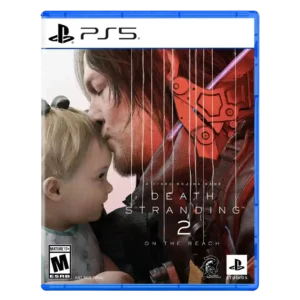
Asynchronous multiplayer is one of the clearest strengths, making players feel connected through structures, roads, likes, and shared effort.
Pros: animation quality, facial animations
Cons: quest design, AI behavior
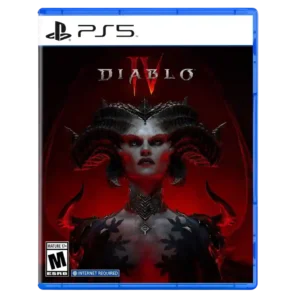
Multiplayer design was praised for cross-platform flexibility, online integration, and group play freshness.
Pros: lore depth, art direction
Cons: mission variety, protagonist appeal
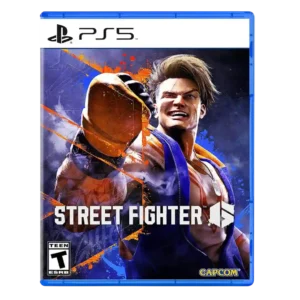
Multiplayer design was praised for Battle Hub, ranked/casual paths, and flexible ways to fight without forcing the social lobby.
Pros: movement feel, art direction
Cons: platforming precision, writing quality
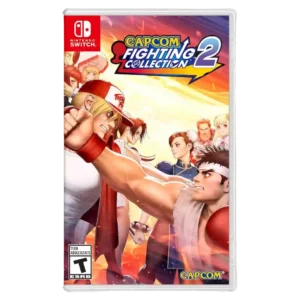
Multiplayer design is a major strength, especially online/local play, lobbies, and chaotic Power Stone-style group play.
Pros: emotional impact, sound design
Cons: cross-play support, boss design
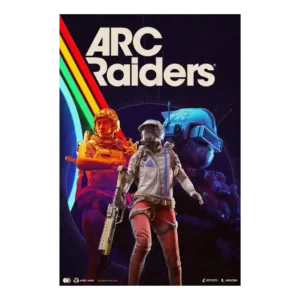
Reviewers consistently emphasized that Arc Raiders’ PvPvE structure creates unpredictable, social, and often hopeful multiplayer moments.
Pros: frame rate stability, platform-specific feature support
Cons: voice acting, writing quality

Multiplayer design is broadly positive, with better grouping, seamless linking, and revamped online modes.
Pros: controls responsiveness, movement feel
Cons: tutorial quality, animation quality
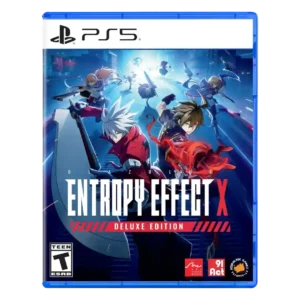
Multiplayer design is praised in one review because separate co-op builds can complement each other during runs.
Pros: movement feel, skill tree depth
Cons: menu usability, HUD clarity
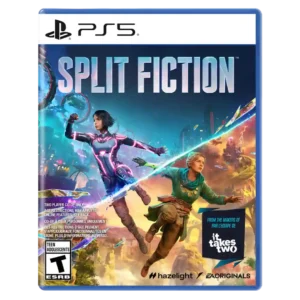
Multiplayer design was praised for fitting the exclusively co-op approach and supporting differing skill levels.
Pros: puzzle design, level design
Cons: exploration quality, side character depth
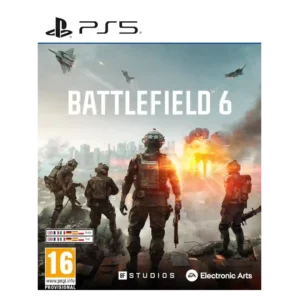
multiplayer design was the strongest consensus positive, praised as layered, chaotic, and highly replayable.
Pros: haptic feedback integration, performance optimization
Cons: pacing, microtransaction impact

Multiplayer design is generally positive, especially online modes, leagues, robust options, and win-focused competition.
Pros: open-world design, replay value
Cons: dialogue quality, writing quality
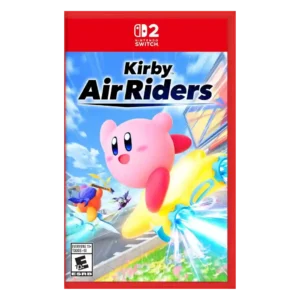
Multiplayer was usually praised as the game's happy place, especially with groups, though Stadium splitting and missing Grand Prix-style structure drew complaints.
Pros: flying mechanics, exploration quality
Cons: AI behavior, boss design

Multiplayer design is generally strong in mode variety, ranked/casual options, party matches, and local play, but online infrastructure hurts access.
Pros: movement feel, world-building
Cons: save system reliability, mission variety
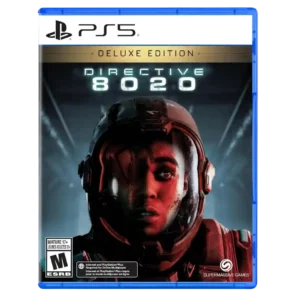
Multiplayer design was received positively, especially the improved Movie Night mode and the idea of working together under impostor pressure.
Pros: user interface design, graphics quality
Cons: combat system, animation quality
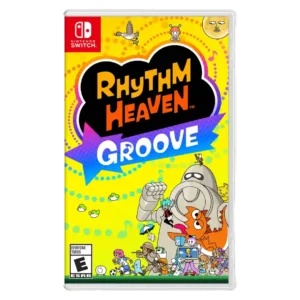
Multiplayer design is repeatedly highlighted as quick, quirky, tense, chaotic, and well suited to party play, especially the cake-grabbing competitive mode.
Pros: couch co-op quality, accessibility options
Cons: platform-specific feature support, performance optimization
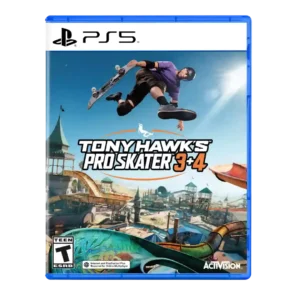
Multiplayer design was generally praised for returning modes, HAWK mode, Graffiti, and arcade competition, with some playlist and choice caveats.
Pros: core gameplay loop, controls responsiveness
Cons: crash stability, cross-save support
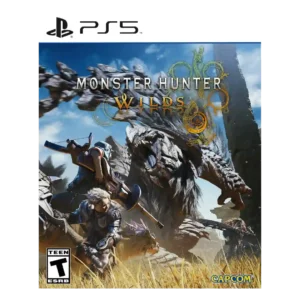
Multiplayer design was broadly positive, especially once connected, though some reviewers noted restrictions and setup friction.
Pros: art direction, cross-play support
Cons: dialogue quality, monetization fairness
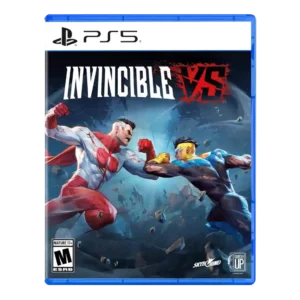
Multiplayer design was mostly praised for tag tactics, team composition, and defensive tools, but one beta reviewer disliked the tag-guessing system.
Pros: immersion, frame rate stability
Cons: user interface design, bug frequency
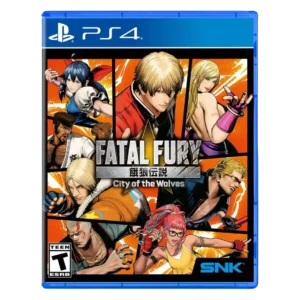
Multiplayer design is considered solid overall, with ranked, casual, room matches, and online basics, though it depends on players gelling with the systems.
Pros: emotional impact, animation quality
Cons: enemy variety, server reliability
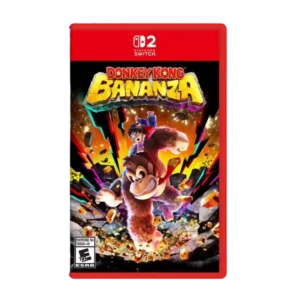
Multiplayer design appears intentionally support-oriented, with the available two-player mode fitting parent-child play best.
Pros: gameplay mechanics, world interactivity
Cons: economy and resource balance, enemy variety
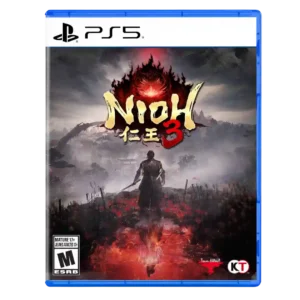
Multiplayer design received limited positive evidence for remaining a strong suit.
Pros: pacing, visual effects quality
Cons: tutorial quality, character roster
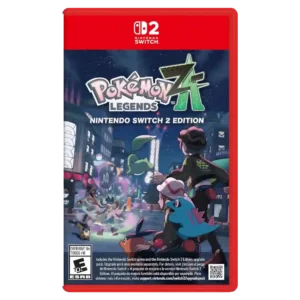
Multiplayer design received positive evidence after a patch made battle rewards more directly useful.
Pros: crash stability, gameplay mechanics
Cons: AI behavior, monetization fairness
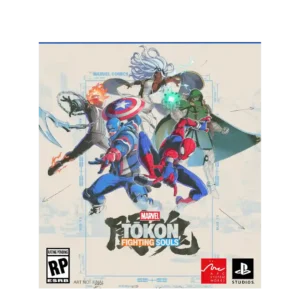
The 4v4/tag structure is the most debated design point: some praise all-out team play, while others question tagging incentives and clunky swaps.
Pros: emotional impact, frame rate stability
Cons: server reliability, tutorial quality
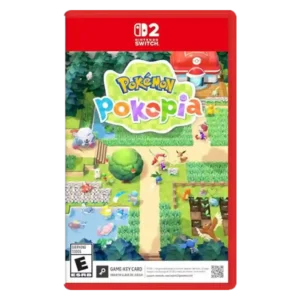
Multiplayer design had strong ideas like shared islands and group building, but some reviewers saw limitations or early roughness.
Pros: protagonist appeal, faithfulness to franchise
Cons: map and navigation design, aiming precision
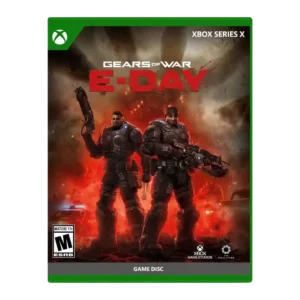
Multiplayer design is promising but risky: classic 4v4 and new traversal excite some reviewers while movement changes could alienate others.
Pros: emotional impact, art direction
Cons: value for money, platform-specific feature support
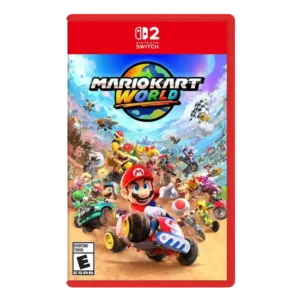
Multiplayer design was split: local play and friend sessions were praised, but online grouping, public Knockout Tour with friends, and mode limitations drew criticism.
Pros: animation quality, sound design
Cons: difficulty balance, AI behavior
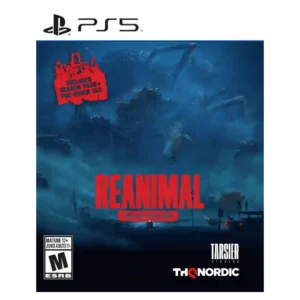
Multiplayer design is limited by the lack of drop-in/drop-out support, though playing both solo and co-op remains worthwhile.
Pros: onboarding experience, environmental detail
Cons: family friendliness, movement feel
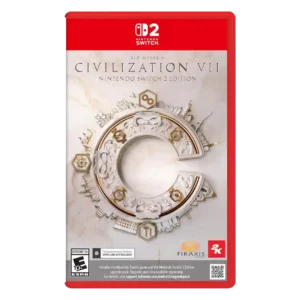
Multiplayer worked smoothly for one reviewer and had useful age/session ideas, but others noted launch feature limits or platform restrictions.
Pros: animation quality, controls responsiveness
Cons: matchmaking quality, user interface design
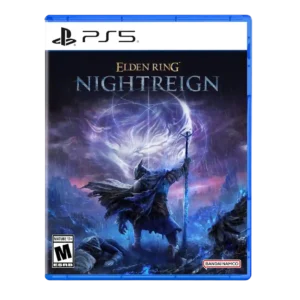
Multiplayer design was ambitious but divisive, thriving with coordinated teams and struggling with strangers or limited communication.
Pros: emotional impact, visual effects quality
Cons: crash stability, cross-play support
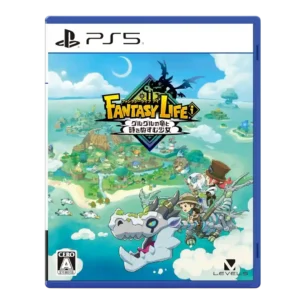
Multiplayer is the clearest recurring weakness: some fun is acknowledged, but reviewers cite limits, time gates, and afterthought design.
Pros: load times, crash stability
Cons: originality, voice acting
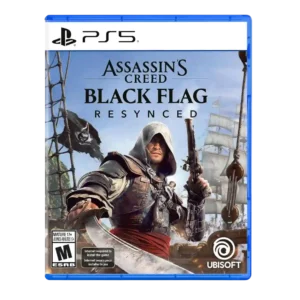
Multiplayer design is a weak point because the mode is absent; reviewers ranged from disappointed to not considering it a major loss.
Pros: core gameplay loop, visual effects quality
Cons: monetization fairness, microtransaction impact
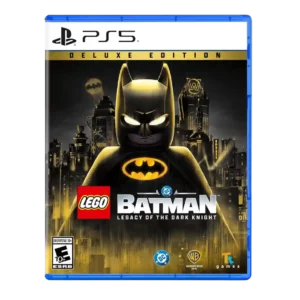
Multiplayer design is mixed to negative because local multiplayer sounds fun, but lack of online co-op is repeatedly called out.
Pros: pacing, core gameplay loop
Cons: companion AI, map and navigation design
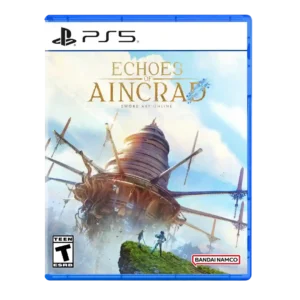
Multiplayer design was criticized because the single-player quest structure seemed like it would benefit from online co-op.
Pros: environmental detail, art direction
Cons: world interactivity, loot system
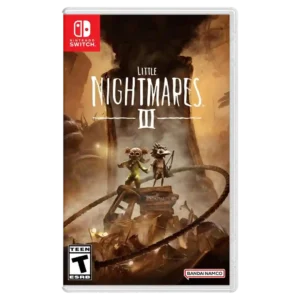
Multiplayer design was criticized for online-only limits, no drop-in switching, and difficult co-op setup despite the feature’s prominence.
Pros: load times, haptic feedback integration
Cons: save system reliability, aiming precision
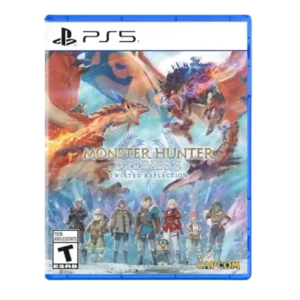
Multiplayer design was a weakness because reviewers missed PvP or multiplayer dungeon-style options.
Pros: art direction, environmental detail
Cons: multiplayer design, accessibility options