
The arcana card system is described as more dynamic than the previous upgrade mirror and better tied to build strategy.
Pros: skill tree depth, dialogue quality
Cons: emotional impact, economy and resource balance
The arcana card system is described as more dynamic than the previous upgrade mirror and better tied to build strategy.
Pros: skill tree depth, dialogue quality
Cons: emotional impact, economy and resource balance
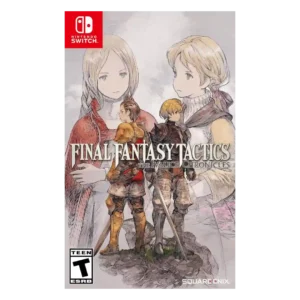
Skill tree and job depth were major strengths, repeatedly praised for flexibility, experimentation, and meaningful builds.
Pros: emotional impact, polish
Cons: bug frequency, crash stability

Skill trees and character building were praised as concise but deep, enabling strong identities without overwhelming every reviewer.
Pros: monetization fairness, microtransaction impact
Cons: platforming precision, menu usability
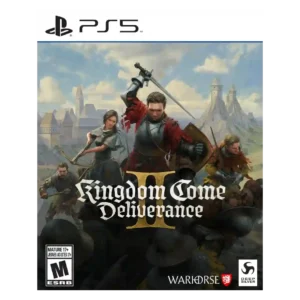
Reviewers liked the depth and usefulness of perks, weapon techniques, and skill trees, especially when they enabled meaningful playstyle specialization.
Pros: soundtrack quality, fun factor
Cons: checkpoint system, family friendliness

Skill tree depth is a major strength, with reviewers repeatedly praising broader trees, build variety, and meaningful character experimentation.
Pros: sandbox freedom, art direction
Cons: polish, save system reliability

Skill depth is praised where charms, loadouts, weapon skills, and spirit attacks allow specialized builds and granular tuning.
Pros: movement feel, environmental detail
Cons: puzzle design, age appropriateness
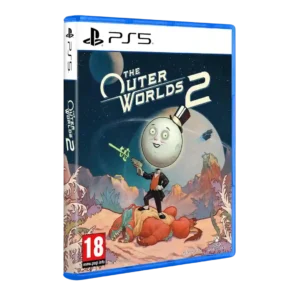
Skill depth was praised for meaningful specialization, tough choices, and builds that affected both dialogue and combat.
Pros: world-building, mission design
Cons: mission variety, enemy variety

Skill-tree and APAS-style systems are praised for rewarding playstyle choices and allowing situational re-specs.
Pros: animation quality, facial animations
Cons: quest design, AI behavior
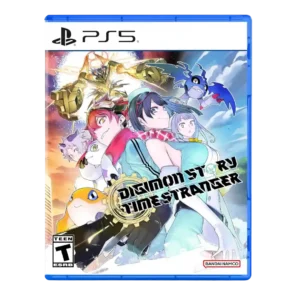
Agent skill trees were well received as useful, understandable systems that add meaningful progression and personality-based bonuses.
Pros: atmosphere, world-building
Cons: HUD clarity, fast travel convenience

training paths were viewed as a useful layer of class depth.
Pros: haptic feedback integration, performance optimization
Cons: pacing, microtransaction impact

Skill trees are usually praised for depth and experimentation, though some reviewers say build variety remains narrower than expected.
Pros: core gameplay loop, controls responsiveness
Cons: mission design, learning curve

Skill trees are seen as a worthwhile improvement that gives each Life more progression and reduces old-franchise tedium.
Pros: load times, crash stability
Cons: originality, voice acting

Skill tree depth was useful and sometimes surprisingly thoughtful, but at least one reviewer found several Bananza-form upgrades weak.
Pros: gameplay mechanics, world interactivity
Cons: economy and resource balance, enemy variety

Skill trees were praised for flexibility but criticized by others as simple, shallow, or uneven across archetypes.
Pros: tutorial quality, level design
Cons: stealth mechanics, endgame content
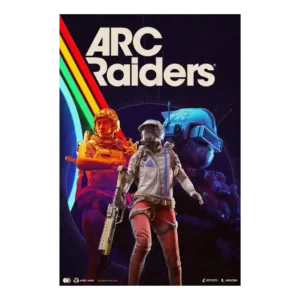
The skill tree has meaningful branches and upgrades, but some reviewers found filler perks or stamina taxes dull.
Pros: frame rate stability, platform-specific feature support
Cons: voice acting, writing quality
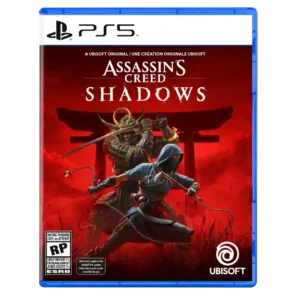
Skill trees are more impactful for some reviewers, but others disliked percentage-based, incremental unlocks.
Pros: environmental detail, cross-save support
Cons: writing quality, enemy variety
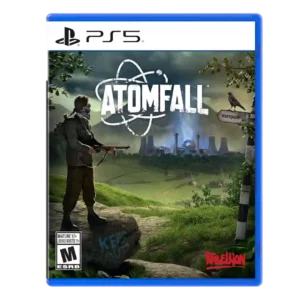
The skill tree was usually considered streamlined but shallow, with several reviewers calling perks boring, generic, hard to discover, or unnecessary.
Pros: art direction, frame rate stability
Cons: boss design, camera behavior

The skill tree was criticized as underwhelming and not meaningfully changing Hazel's abilities.
Pros: atmosphere, voice acting
Cons: world interactivity, camera behavior