#1
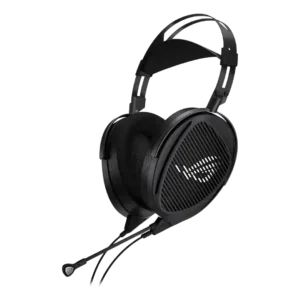
Channel matching and overall response consistency are repeatedly praised. The velour pads provide the more linear midrange, while the stock presentation stays close to a neutral studio-style target.
Pros: Maximum volume clarity, Frequency response accuracy
Cons: Active noise cancellation, Bluetooth
#2

The core tuning is disciplined, balanced, and natural, favoring smoothness and accuracy over exaggerated warmth.
Pros: Sound quality, Midrange clarity
Cons: Software/setup simplicity, Portability/foldability
#3
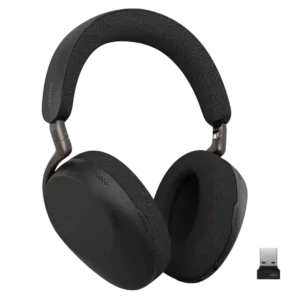
One music-focused test described the presentation as true-to-life and full of character, with complex mixes staying composed.
Pros: Frequency response accuracy, Clamping force comfort
Cons: Volume output, aptX
#4
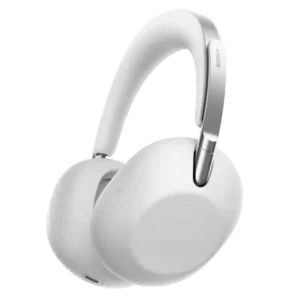
Most listeners hear a refined, balanced tuning with clearer mids and less muddiness than the XM6. One detailed assessment found the response uneven across genres.
Pros: Microphone noise reduction, Multipoint connectivity reliability
Cons: Water/sweat resistance rating, Gaming performance
#5
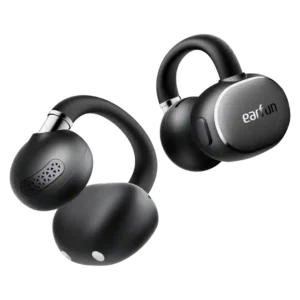
Several listeners describe the tuning as balanced and natural, especially through the mids. Driver position and ear shape can shift the treble substantially, so individual EQ may be necessary.
Pros: Weight comfort, Hinge durability
Cons: Active noise cancellation, Sensors
#6
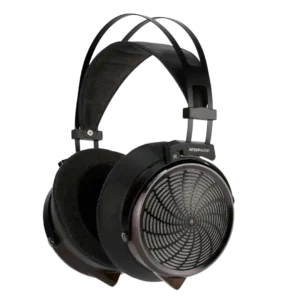
The response is controlled and broadly balanced, with no exaggerated bass shelf or sharp showroom-style treble boost. Its warmer lower midrange keeps it from being strictly neutral.
Pros: Overall satisfaction, Glasses and hat compatibility
Cons: Travel friendliness, Sound leakage
#7
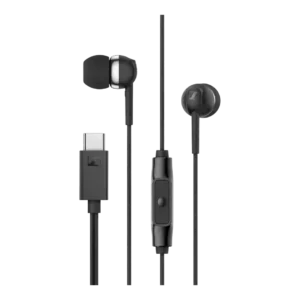
The tonal balance was broadly praised as full-range and accurate, but Tom’s Guide still noted the lowest frequencies were less refined.
Pros: Comfort during long use, USB-C
Cons: Microphone noise reduction, Water/sweat resistance rating
#8
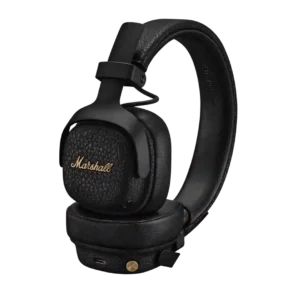
The tuning is broadly balanced and cohesive, but one reviewer found the dynamic range compressed. It favors an enjoyable presentation over strict analytical neutrality.
Pros: Multipoint connectivity reliability, Codec support
Cons: aptX, Smart Pause performance
#9
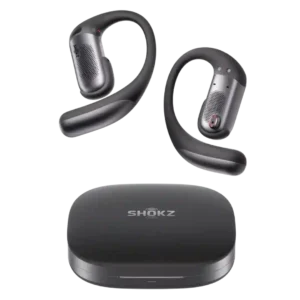
The overall balance was described as lively and fairly even, though the open fit still limits deep bass extension.
Pros: Voice assistant integration, Android compatibility
Cons: Maximum volume clarity, Packaging condition
#10
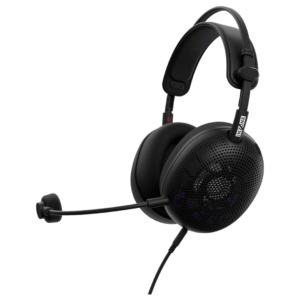
SoundGuys' review and video both said the tuning followed its preference curve closely, with some sub-bass and upper-treble dips.
Pros: Weight comfort, Battery
Cons: Noise isolation (passive), Sound leakage
#11
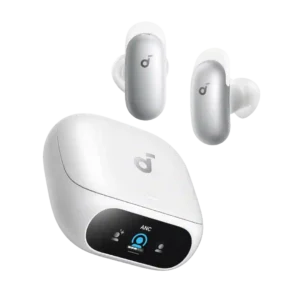
Accuracy is not the default sound profile’s strongest suit. The buds can sound fast and detailed, but some listeners say the tuning is more exciting than neutral.
Pros: Maximum volume clarity, Noise isolation (passive)
Cons: Apple H2 chip support, Treble clarity
#12
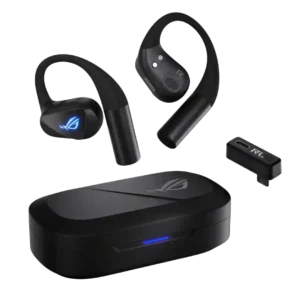
Default tuning was described as reasonably clean and usable, though one reviewer still preferred the flatter EQ setting.
Pros: Transparency mode quality, Touch control responsiveness
Cons: Noise isolation (passive), Packaging condition
#13

The tuning favors energy over neutrality, with elevated bass and sometimes recessed mids. It becomes more balanced and natural with the Studio preset or a custom EQ.
Pros: Maximum volume clarity, Charging
Cons: 3.5mm analog input availability, Cable quality
#14
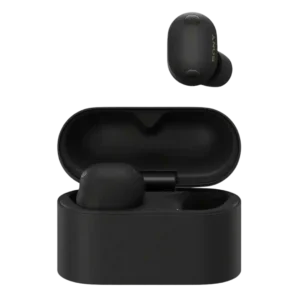
Frequency accuracy was mostly good but not flawless, with praise for balance and lab curve tracking alongside caveats about ANC-related bass emphasis and missing nuance.
Pros: Maximum volume clarity, Audio-video sync accuracy
Cons: Sidetone adjustment quality, Software/setup simplicity
#15
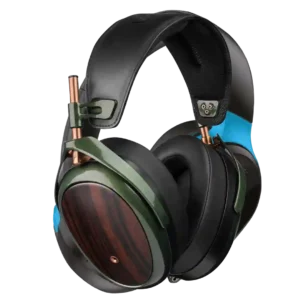
The tonal balance is the most disputed part of the Strada. Some hear natural neutrality or gentle warmth, while others describe a U- or W-shaped response with lean lower mids...
Pros: Hinge durability, Durability over time
Cons: Ear cup swivel/rotation range, Portability/foldability
#16
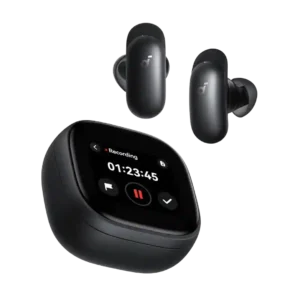
The measured tuning leans heavily above the preferred bass target, especially around the low end. That makes the sound fun for some, but less accurate for neutral listeners.
Pros: Microphone noise reduction, Stability
Cons: Lossless audio support, Spatial audio
#17

Frequency response was considered consumer-friendly rather than flat, with one reviewer wishing the tuning were closer to neutral.
Pros: Smart Pause performance, Wear detection performance
Cons: Water/sweat resistance rating, Wind noise handling
#18
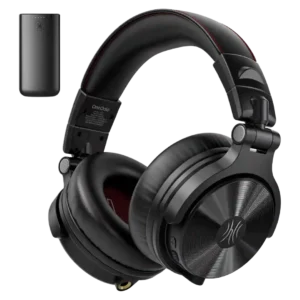
Frequency response was one of the biggest tradeoffs: reviewers noted useful DJ impact and detail but also emphasized non-flat tuning, low-end gaps, bright boosts and poor reference accuracy.
Pros: Battery, Detachable cable convenience
Cons: Active noise cancellation, Transparency mode quality
#19
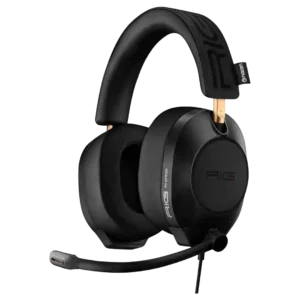
Frequency response was not neutral: reviewers noted unusual tuning, bass emphasis, and reduced upper mids/treble that could help games but hurt some vocals.
Pros: Audio-video sync accuracy, Battery
Cons: Bluetooth, Active noise cancellation
#20
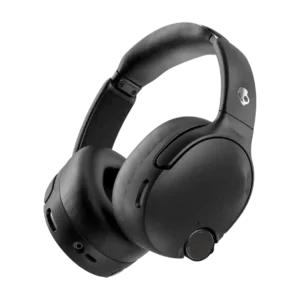
The tuning is more balanced than past Crushers but still not reference-flat. Listeners seeking studio neutrality may find the elevated bass and upper-mid energy too colored.
Pros: Treble clarity, Instrument separation
Cons: Codec support, Headband adjustability
#21
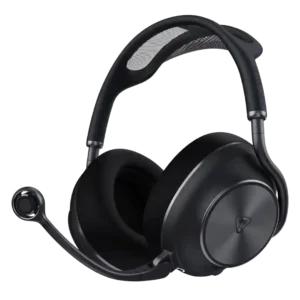
The default signature is intentionally V-shaped rather than neutral, emphasizing bass and upper treble while keeping most mids audible. Listeners seeking studio accuracy will need EQ and may still notice...
Pros: Codec support, Packaging quality
Cons: Multipoint connectivity reliability, Replaceable ear plates
#22
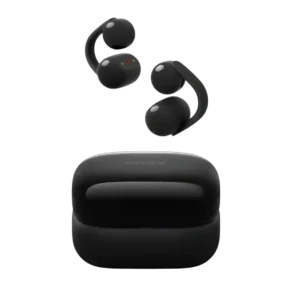
Frequency response accuracy is limited by open-ear physics, with lab notes showing low-end rolloff around the bass region.
Pros: Transparency mode quality, Maximum volume clarity
Cons: Active noise cancellation, Spatial audio