
Busy arrangements remain organized, giving guitars, percussion, bass, and smaller details their own space.
Pros: Sound quality, Midrange clarity
Cons: Software/setup simplicity, Portability/foldability
Busy arrangements remain organized, giving guitars, percussion, bass, and smaller details their own space.
Pros: Sound quality, Midrange clarity
Cons: Software/setup simplicity, Portability/foldability
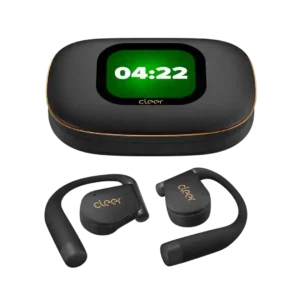
Reviewers who discussed imaging found it easy to locate instruments and effects, with precise stereo placement and clear directional cues.
Pros: Instrument separation, Multipoint connectivity reliability
Cons: Noise isolation (passive)
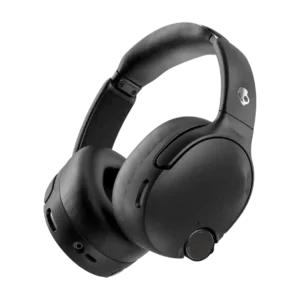
Improved separation makes smaller instrumental details easier to pick out. Reviewers heard a cleaner, less congested presentation than on earlier Skullcandy headphones.
Pros: Treble clarity, Instrument separation
Cons: Codec support, Headband adjustability
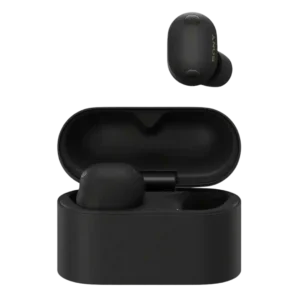
Instrument separation was a clear strength, with reviewers hearing dense mixes, individual elements, and well-placed instruments more clearly.
Pros: Maximum volume clarity, Audio-video sync accuracy
Cons: Sidetone adjustment quality, Software/setup simplicity
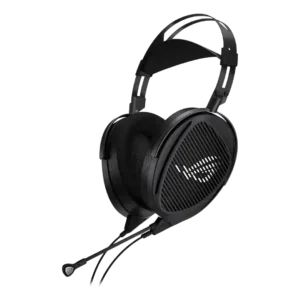
Layering, detail retrieval, and frequency separation are major strengths. Busy game scenes, instruments, dialogue, and subtle environmental sounds remain easy to distinguish.
Pros: Maximum volume clarity, Frequency response accuracy
Cons: Active noise cancellation, Bluetooth
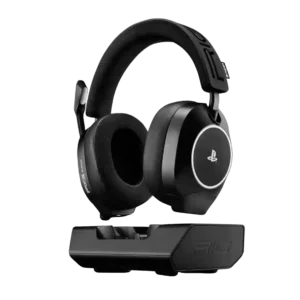
Reviewers heard strong separation and detail, especially in chaotic game audio where cheaper headsets can become muddy.
Pros: Spatial audio, Positional audio accuracy
Cons: Carry case quality, Detachable microphone convenience
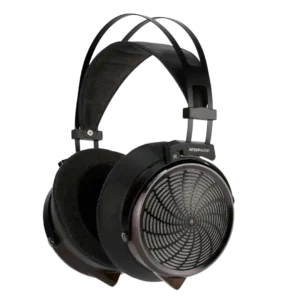
Dense arrangements remain organized, with individual instruments easy to distinguish without sounding artificially disconnected. Fast passages and layered mixes are handled especially well.
Pros: Overall satisfaction, Glasses and hat compatibility
Cons: Travel friendliness, Sound leakage
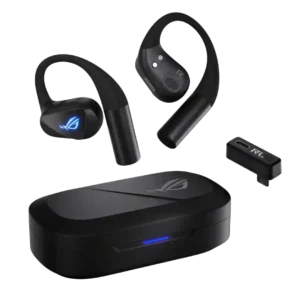
Game-audio separation is consistently strong. Reviewers can distinguish footsteps, dialogue, and competing sounds clearly enough for competitive play.
Pros: Transparency mode quality, Touch control responsiveness
Cons: Noise isolation (passive), Packaging condition
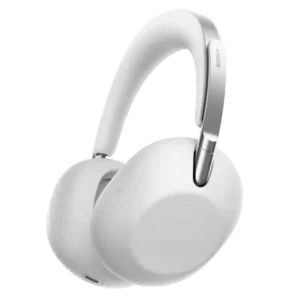
Instrument separation is repeatedly praised, with vocals and individual parts occupying clear positions across the wide stage. Dense arrangements can expose some tuning limitations.
Pros: Microphone noise reduction, Multipoint connectivity reliability
Cons: Water/sweat resistance rating, Gaming performance

Instrument separation was a notable strength, with reviewers saying instruments were easy to place or pick apart in the mix.
Pros: Smart Pause performance, Wear detection performance
Cons: Water/sweat resistance rating, Wind noise handling
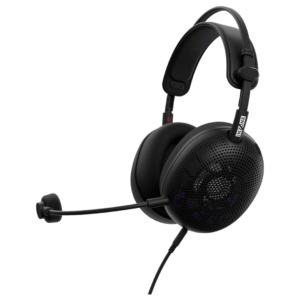
Instrument separation was often strong, especially for music, but one reviewer found dense battle scenes required more effort to parse.
Pros: Weight comfort, Battery
Cons: Noise isolation (passive), Sound leakage
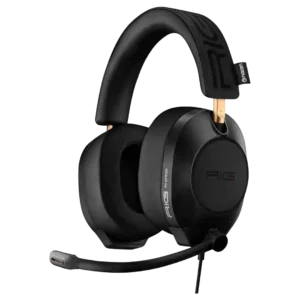
Layered audio was praised in one review, which described a rich soundscape with separated layers when using the DAC.
Pros: Audio-video sync accuracy, Battery
Cons: Bluetooth, Active noise cancellation
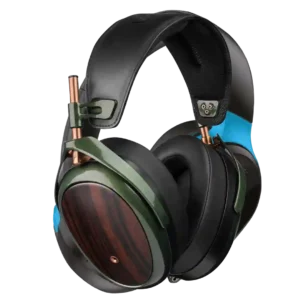
Layering and separation are clear strengths, giving instruments distinct space even in busy arrangements. A few listeners hear less depth or coherence when the treble dominates.
Pros: Hinge durability, Durability over time
Cons: Ear cup swivel/rotation range, Portability/foldability
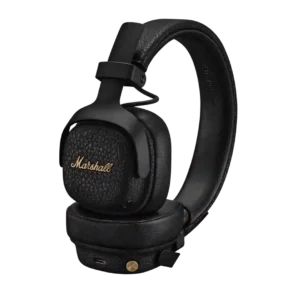
Instrument separation is consistently good, especially over wired playback. It is clear enough for complex music, though not at top audiophile level.
Pros: Multipoint connectivity reliability, Codec support
Cons: aptX, Smart Pause performance
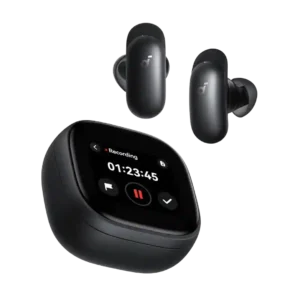
Instrument separation is a bright spot when the tuning works well, with listeners picking out vocals, guitars, and subtle instrument detail. It helps the earbuds feel clearer than their bassy...
Pros: Microphone noise reduction, Stability
Cons: Lossless audio support, Spatial audio
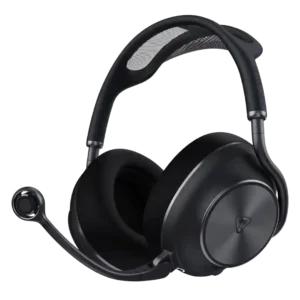
The dual drivers usually keep layered effects, music, and ambience distinct, even in busy shooters. Separation can become less convincing in chaotic battle-royale mixes or beside strong open-back and planar...
Pros: Codec support, Packaging quality
Cons: Multipoint connectivity reliability, Replaceable ear plates
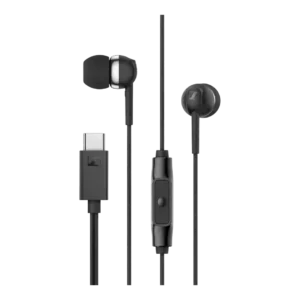
Instrument and vocal separation were praised, with layers avoiding muddiness and words not bleeding together.
Pros: Comfort during long use, USB-C
Cons: Microphone noise reduction, Water/sweat resistance rating
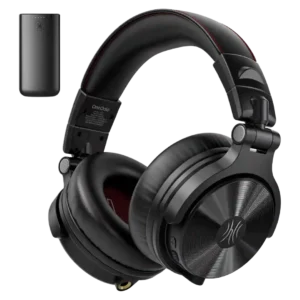
Separation was a strength in the more positive reviews, with praise for clarity and micro-detail, though one reviewer noted separation can suffer in dense bass-heavy tracks.
Pros: Battery, Detachable cable convenience
Cons: Active noise cancellation, Transparency mode quality
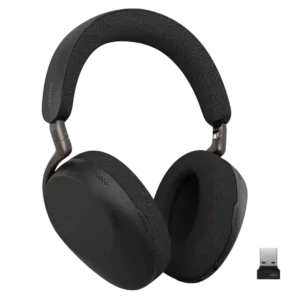
Separation is mostly good, keeping vocals and instruments intelligible even in busier tracks. It still falls short of the precision some premium music-focused headphones deliver.
Pros: Frequency response accuracy, Clamping force comfort
Cons: Volume output, aptX
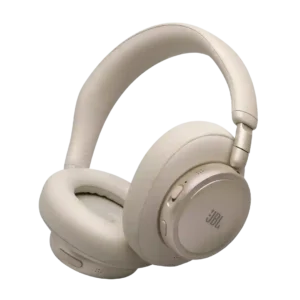
Separation is usually clear and layered, particularly with LDAC or wired playback. Dense, bass-heavy mixes can still collapse into congestion when the default tuning overwhelms the mids.
Pros: Maximum volume clarity, Charging
Cons: 3.5mm analog input availability, Cable quality
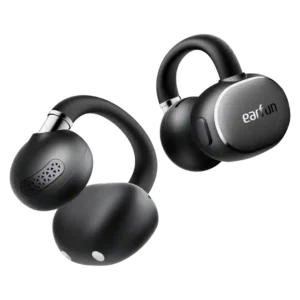
Most detailed tests found good spacing between instruments for an open clip. Dense arrangements can compress or lose individual layers at higher volume.
Pros: Weight comfort, Hinge durability
Cons: Active noise cancellation, Sensors
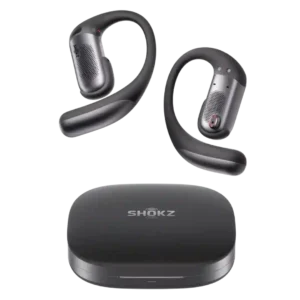
Layered tracks are easy to pick apart, making individual parts and textures more distinct than expected from open earbuds.
Pros: Voice assistant integration, Android compatibility
Cons: Maximum volume clarity, Packaging condition
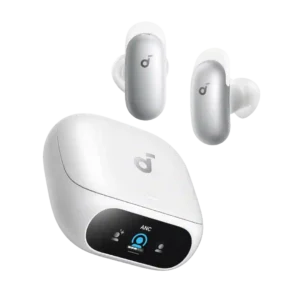
Spatial separation gets limited but positive mention. One reviewer says AI or spatial processing noticeably boosts perceived clarity and separation.
Pros: Maximum volume clarity, Noise isolation (passive)
Cons: Apple H2 chip support, Treble clarity
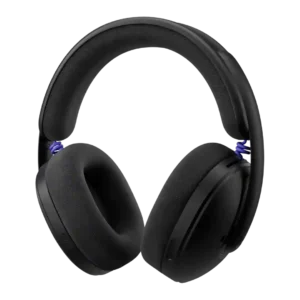
Detail separation was mixed, with one reviewer hearing new small details, another praising clean soundscapes, and another finding subtle details mushy.
Pros: Wireless latency, Weight comfort
Cons: Microphone noise reduction, Multipoint connectivity reliability

Instrument separation is mixed, with some good separation but weaker separation at higher volumes.
Pros: Audio-video sync accuracy, Battery
Cons: Carry case quality, Maximum volume clarity
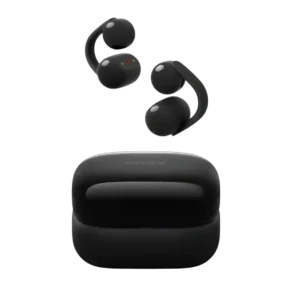
Instrument separation suffers on dense material, with reviewers saying cheaper rivals separate better or busy tracks lose clarity.
Pros: Transparency mode quality, Maximum volume clarity
Cons: Active noise cancellation, Spatial audio

Layered guitars and rhythm sections can collapse into a cloudy mix. The headphones struggle to keep instruments distinct when tracks become dense.
Pros: Weight comfort, Water/sweat resistance rating
Cons: Microphone noise reduction, Equalizer customization