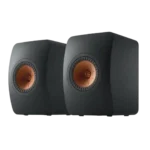
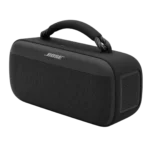
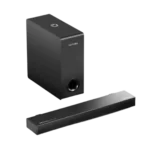
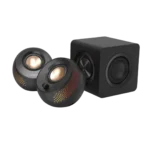
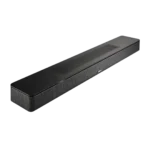
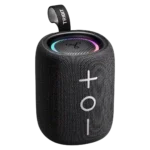
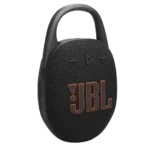
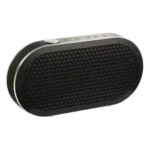
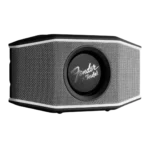
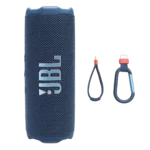
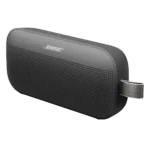
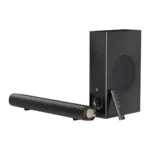
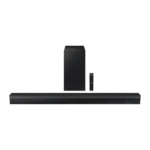
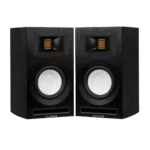
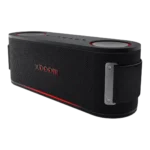
Choose the LSX II for compact wireless speakers with standout imaging and flexible streaming. Skip if you need deep bass or large-room volume...
Pros: Wired input availability, Latency with TV (lip sync), Setup simplicity, Design and aesthetics, Stereo imaging accuracy, Cohesive presentation, Audio format support
Cons: On-device controls, Remote control usability
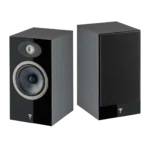
Choose the Theva No.1 for spacious, refined sound and easy amplifier matching. Skip it if you want deep bass without a sub or...
Pros: Stereo imaging accuracy, Dynamic headroom, Loudness / maximum volume, Value for money, Cohesive presentation, Home theater integration, Amplifier power requirements
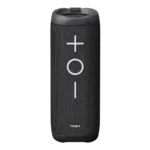
Choose the StormBox 2 if you want strong battery life, big output, and very good value under $100. Skip it if you want...
Pros: On-device controls, Value for money, Bluetooth connection stability, Inter-speaker connectivity, Bluetooth range, Battery life (if portable), Wired input availability
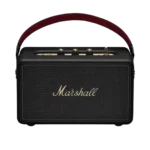
Choose the Kilburn III for room-filling, warm 360-style sound and marathon 50-hour battery in a premium retro design; Skip it if you need...
Pros: Battery life (if portable), Design and aesthetics, Control button responsiveness, Distortion at high volume, On-device controls, Loudness / maximum volume, Handle or strap...
Cons: Speakerphone quality, Multi-speaker pairing reliability, Smart features, Bluetooth codec support, Weight convenience, Water resistance rating
Choose it for very loud, bass-forward party sound, rugged portability, and useful extras like AUX and phone charging. Skip it if you want...
Pros: Dust resistance rating, Water resistance rating, Loudness / maximum volume, Bluetooth codec support, Multipoint connectivity, Inter-speaker connectivity, Google
Choose it for loud, bass-heavy outdoor parties and flexible EQ. Skip it if you need long battery life, dustproofing, or a more refined,...
Pros: Bluetooth range, Water resistance rating, Float capability, Loudness / maximum volume, Dynamic headroom, Setup simplicity, Price / value for money
Choose it for compact, bass-forward desktop sound and broad connectivity. Skip it if you need airy treble or a cleaner, adapter-free setup.
Pros: Distortion at high volume, Wired input availability, Microphone input quality, Loudness / maximum volume, Voice clarity, Design and aesthetics, Latency with TV (lip...
Cons: Bluetooth codec support, Audio format support, Inter-speaker connectivity, Amplifier power requirements, App reliability
Choose it for premium design and refined sound. Skip it if you need outdoor ruggedness or strong value, especially at higher U.S. pricing.
Pros: Battery life (if portable), Detail retrieval, Cabinet construction / bracing, Design and aesthetics, Cohesive presentation, Voice clarity, Latency with TV (lip sync)
Cons: Dust resistance rating, Water resistance rating, USB-C charging, Smart features, EQ customization, Distortion at high volume, Weight convenience
Choose it for standout amp-inspired styling, rugged portability, and unusually strong battery life. Skip it if you need app-based EQ or more consistently...
Pros: Dust resistance rating, Water resistance rating, Setup simplicity, Bluetooth connection stability, Multipoint connectivity, Weight convenience, Battery life (if portable)
Cons: Speakerphone quality, App reliability, EQ customization, Bluetooth codec support, Wired input availability, Bluetooth range, Dialogue clarity (for TV/soundbar use)
Choose the JBL Flip 7 for rugged, loud sound in a packable size and handy USB-C audio. Skip if you need long real-world...
Pros: Dust resistance rating, Water resistance rating, Bluetooth connection stability, Loudness / maximum volume, Google, Status indicators, Cohesive presentation
Cons: Speakerphone quality, Power bank function, Backwards compatibility, Soundstage height, Stereo imaging accuracy, Latency with TV (lip sync), Bluetooth codec support
Choose the JBL Charge 6 for rugged, loud sound with long playtime and handy USB-C charging. Skip it if you need true stereo...
Pros: Dust resistance rating, Water resistance rating, Drop resistance durability, USB-C charging, Loudness / maximum volume, Power bank function, Smart features
Cons: Wi-Fi streaming reliability, Smart assistant integration (Alexa, Speakerphone quality, Backwards compatibility, Stereo imaging accuracy, Omnidirectional sound, Bluetooth codec support
Choose Sonos Move 2 for premium, room-filling portable sound that also fits a Wi-Fi/AirPlay multi-room home; Skip it if you need lightweight grab-and-go...
Choose the JBL Grip for can-sized portability, IP68 toughness, and surprisingly big volume; Skip if you want deeper bass or extras like speakerphone/AUX,...
Pros: Water resistance rating, Dust resistance rating, Weight convenience, Drop resistance durability, Setup simplicity, Loudness / maximum volume, Inter-speaker connectivity
Cons: Smart assistant integration (Alexa, Wired input availability, Speakerphone quality, Power bank function, Float capability, Backwards compatibility, Omnidirectional sound
Choose it for premium build, attractive styling, and punchy sound; Skip it if you want true travel-friendly portability or an app-packed feature set.
Pros: Stereo imaging accuracy, Setup simplicity, Design and aesthetics, Charging time, Cohesive presentation, Dynamic headroom, USB-C charging
Cons: Water resistance rating, EQ customization, Smart features, Status indicators, Low-volume performance, Weight convenience, Distortion at high volume
Choose the LG xboom Bounce Core if you want a loud, rugged party speaker with long battery life and fun lighting; Skip if...
Pros: Drop resistance durability, Water resistance rating, Dust resistance rating, Loudness / maximum volume, Multipoint connectivity, Battery life (if portable), Status indicators
Cons: Google, Wired input availability, Privacy & data, Weight convenience, Distortion at high volume, Bluetooth codec support, Detail retrieval