Best for optical
Creative Sound Blaster GS5
5.0 feature score
Highest scored product for this feature based on supporting review evidence.
Highest scored product for this feature based on supporting review evidence.
Balances feature score, supporting reviews, and overall product strength.
Has the broadest review evidence for this feature.
Strongest overall product among items with scored evidence for this feature.

Optical input is repeatedly praised because it makes TV and console use simple, low-latency, and more practical than Bluetooth alone.
Pros: Bluetooth range, optical
Cons: Home theater integration, Headphone output quality
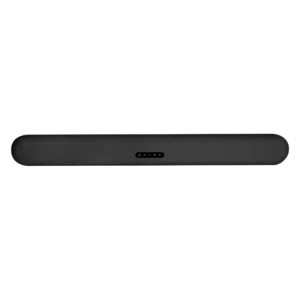
Optical input was only scored where a reviewer tied optical and RCA inputs to simpler TV integration.
Pros: Distortion at high volume, Voice clarity
Cons: Spotify Connect reliability, Chromecast compatibility
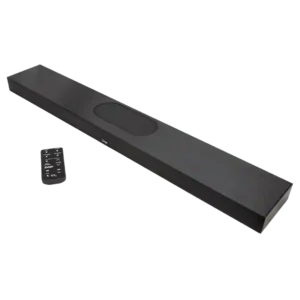
One Samsung owner found the optical connection unexpectedly useful because it still allowed TV-remote control after HDMI control failed.
Pros: Stereo imaging accuracy, Subwoofer
Cons: Wi-Fi streaming reliability, Dolby Atmos height effects
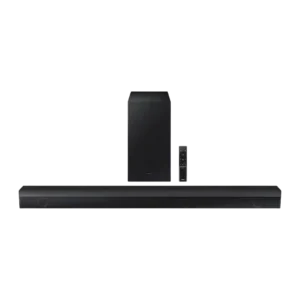
One owner recommended the wired optical connection as the best connectivity option for their setup.
Pros: Bluetooth connection stability, Value for money
Cons: Smart assistant integration (Alexa, Video passthrough support
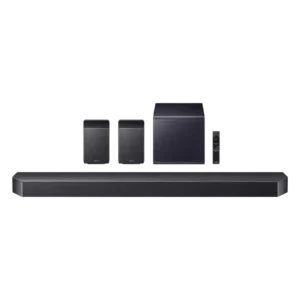
The optical input receives a positive latency assessment in the available evidence.
Pros: Multi-speaker pairing reliability, Gaming HDMI passthrough
Cons: Google, Cabinet construction / bracing
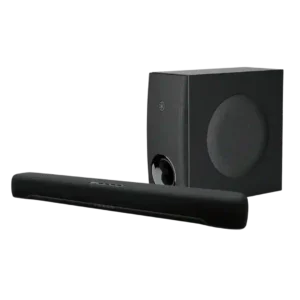
Optical connectivity earns positive comments for working easily and giving useful setup flexibility.
Pros: Inter-speaker connectivity, Stereo imaging accuracy
Cons: Status indicators, Distortion at high volume
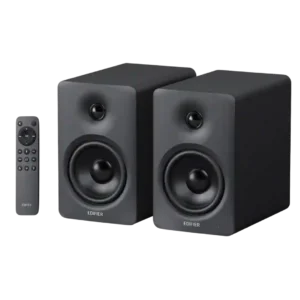
The optical input is handy for televisions, media players, and older digital sources. It sounds good, though it does not support the same automatic wake behavior as HDMI.
Pros: HDMI ARC, Low-volume performance
Cons: AirPlay compatibility, Wi-Fi streaming reliability

The optical input earned positive practical feedback when used with older gear.
Pros: HDMI ARC, Stereo imaging accuracy
Cons: Surround sound simulation, Bluetooth codec support
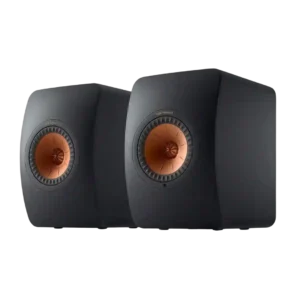
Optical input receives positive evidence as a fallback that worked fine when HDMI had issues.
Pros: AirPlay compatibility, Chromecast compatibility
Cons: Spotify Connect reliability, Status indicators
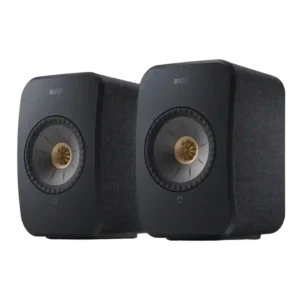
The optical input produced pleasing results in the one direct listening test that evaluated it.
Pros: Soundstage height, Amplifier power requirements
Cons: On-device controls, Surround sound simulation
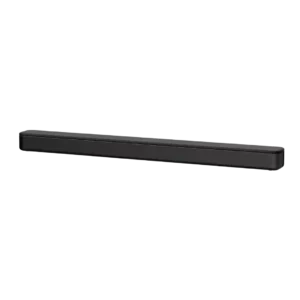
One reviewer liked optical because it can free up an HDMI port.
Pros: Distortion at high volume, Setup simplicity
Cons: Dolby Atmos height effects, On-device controls
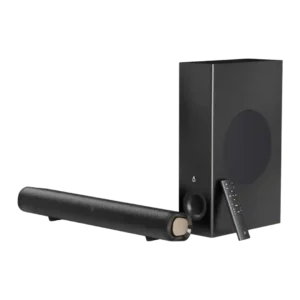
Optical input worked as a practical workaround for one reviewer after HDMI ARC volume control caused problems, but it also changed remote-control behavior.
Pros: Setup simplicity, Weight convenience
Cons: Smart features, Rear speaker cable length
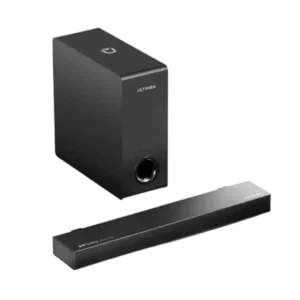
Optical input sounded similar to HDMI ARC to one reviewer, though ARC kept the advantage for TV remote volume control.
Pros: Setup simplicity, Value for money
Cons: Design and build quality, Low-volume performance
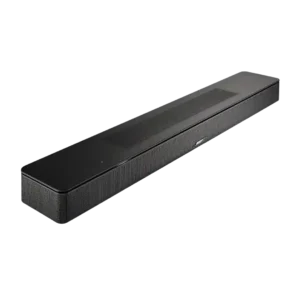
Optical input is usable for older TVs, but one reviewer treats the non-Atmos experience as a lesser compromise.
Pros: Chromecast compatibility, Spotify Connect reliability
Cons: Google, Privacy and data
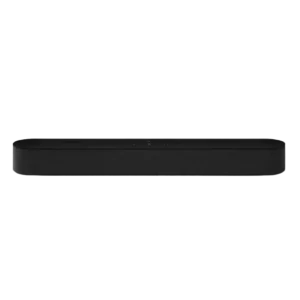
Optical support was treated as a useful fallback, but one reviewer clearly disliked optical setup and called the connector fragile.
Pros: Dynamic headroom, On-device controls
Cons: Video passthrough support, Bluetooth connectivity

Optical support was treated as a fallback with a major tradeoff because it limits Dolby Atmos usefulness.
Pros: Multi-speaker pairing reliability, Spotify Connect reliability
Cons: Gaming HDMI passthrough, Video passthrough support

Optical input is useful for older TVs, but reviewers noted it blocks Dolby Atmos playback, making it a fallback rather than the best connection.
Pros: Multi-speaker pairing reliability, Voice recognition accuracy
Cons: Bluetooth connectivity, Video passthrough support
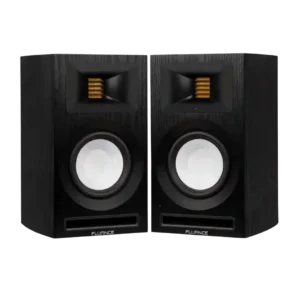
The missing optical input was one of the most repeated connectivity complaints, especially for older TVs, PCs, and comparison with related models.
Pros: Setup simplicity, Bluetooth connection stability
Cons: optical, Smart features
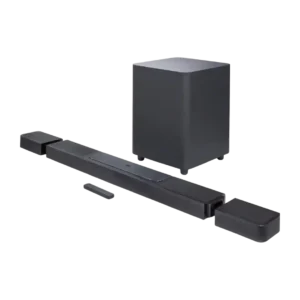
Optical input was treated as a fallback, with reviewers warning that it gives a lesser surround experience than eARC.
Pros: Inter-speaker connectivity, Audio format support
Cons: optical, Gaming HDMI passthrough
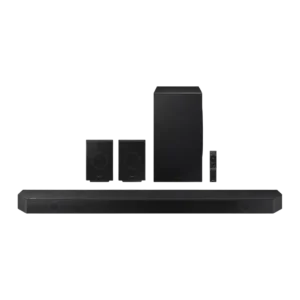
Optical input was treated as a fallback because it lacks Dolby Atmos and was framed as a compromised connection compared with eARC.
Pros: Soundstage height, Surround sound simulation
Cons: Chromecast compatibility, Google
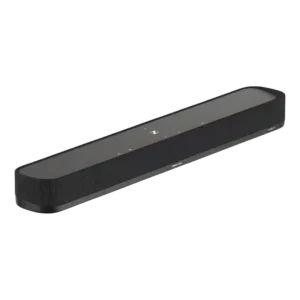
Legacy optical connectivity is a miss. Reviewers call out the absence of optical or coaxial input as a tradeoff for older TVs and simpler wired setups.
Pros: On-device controls, Dynamic headroom
Cons: Multi-speaker pairing reliability, Inter-speaker connectivity

LG omits optical input entirely. That is understandable for an Atmos-focused bar, but it removes a familiar fallback connection.
Pros: Chromecast compatibility, Spotify Connect reliability
Cons: Rear speaker cable length, Gaming HDMI passthrough
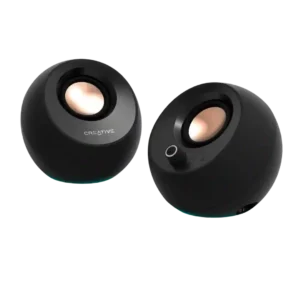
There is no optical connection, so buyers must rely on USB, aux, or Bluetooth. That is acceptable for most computers but limits compatibility with some TVs and audio setups.
Pros: Battery life (if portable), Detail retrieval
Cons: optical, Audio format support