Best for heart rate accuracy
Polar Verity Sense
4.6 feature score
Highest scored product for this feature based on supporting review evidence.
Highest scored product for this feature based on supporting review evidence.
Balances feature score, supporting reviews, and overall product strength.
Has the broadest review evidence for this feature.
Strongest overall product among items with scored evidence for this feature.
Showing Wearable Tech only. Switch back to all Activity & Fitness Trackers anytime.
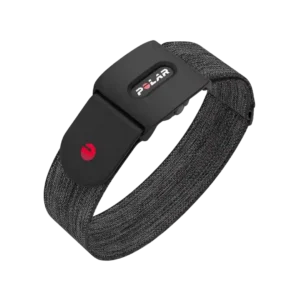
Heart-rate accuracy is the strongest consensus point: reviewers repeatedly found readings close to chest straps or better than wrist sensors, with caveats around brief lag, lifting, and some movement types.
Pros: charging speed, subscription value
Cons: size options, data syncing reliability
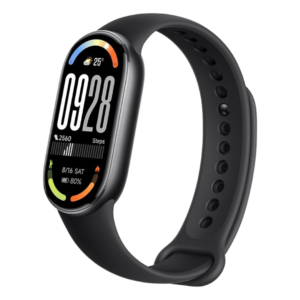
Heart-rate accuracy was one of the strongest measurement areas, with several reviewers comparing it favorably to chest straps or reference devices, though peak intensity could still drift.
Pros: Bluetooth reliability, weight
Cons: readiness score, GPS accuracy
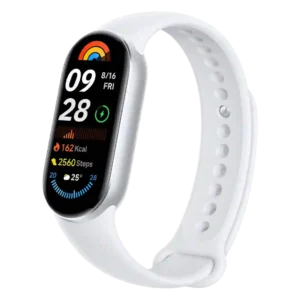
Heart-rate accuracy was one of the most discussed attributes, ranging from excellent and close to references in several reviews to unconvinced or merely okay in tougher tests.
Pros: subscription value, cadence tracking
Cons: fit, GPS accuracy
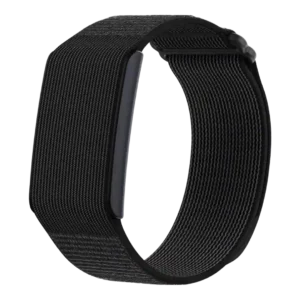
Heart rate accuracy is the product’s most consistently praised tracking area, especially for workouts and bicep use, though a few reviews still found wrist or high-intensity errors.
Pros: weight, calorie tracking usefulness
Cons: app alerts, button controls
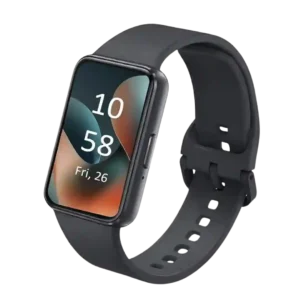
Heart-rate accuracy was one of the better-tracked areas, often close to reference devices, though intense intervals could expose lag or variance.
Pros: cadence tracking, find my phone feature
Cons: data syncing reliability, sleep apnea monitoring
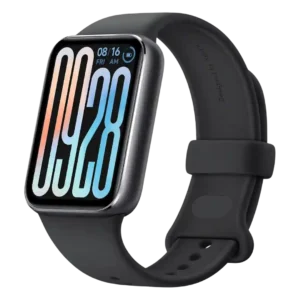
Heart-rate accuracy drew mixed evidence: several reviewers found it reliable or close to comparison devices, while others saw spotty workout data and poor scientific-test results.
Pros: workout mode variety, durability
Cons: activity reminders, calorie tracking usefulness
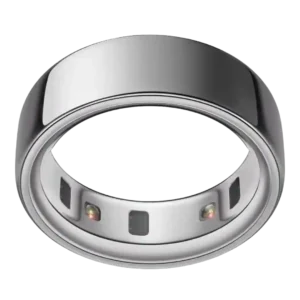
Heart-rate accuracy was strongest for rest and general use, but reviewers saw mixed workout results and limited improvement in some tests.
Pros: GPS accuracy, swimming tracking
Cons: alarm function, calorie tracking usefulness
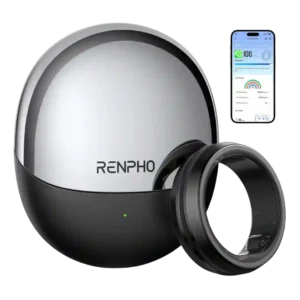
Heart rate accuracy split reviewers: some saw solid rest or device-comparison results, while intense interval training was described as unreliable.
Pros: activity reminders, charging speed
Cons: swimming tracking, workout mode variety
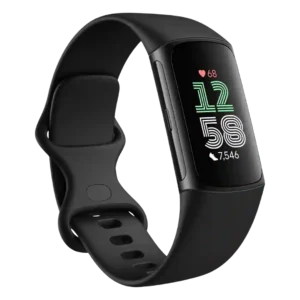
Heart rate accuracy was one of the most-tested areas: reviewers often found it good for casual or steady exercise, but lag, high readings, and hard-interval issues kept it from elite-watch...
Pros: Strava compatibility, workout mode variety
Cons: elevation tracking, data syncing reliability
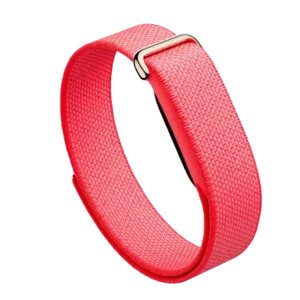
Heart-rate accuracy is mixed: steady or moderate sessions often look good, but intervals, rowing, lifting, swimming, and peak efforts expose misses.
Pros: weight, step counting accuracy
Cons: cadence tracking, elevation tracking
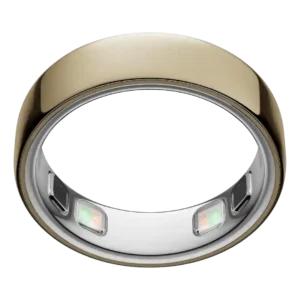
Heart rate accuracy was mixed: one workout test matched an Apple Watch, while another reviewer warned finger-based optical tracking can struggle during exercise.
Pros: pairing reliability, comfort
Cons: GPS accuracy, cadence tracking
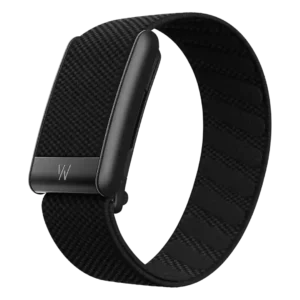
Heart-rate accuracy was the most mixed core metric: several reviewers praised it in general use or improved sensors, while others found wrist, MG or strength-session readings inconsistent.
Pros: activity reminders, goal tracking
Cons: music controls, smartphone notifications
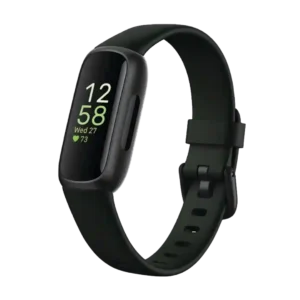
Heart-rate accuracy was the clearest technical tradeoff: some steady workouts looked close, but harder workouts, cycling, intervals, and exercise readings were often criticized.
Pros: fitness coaching, Strava compatibility
Cons: music controls, third-party app compatibility
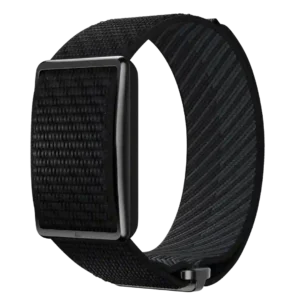
Heart-rate accuracy was the most split metric: some runs and steady sessions matched references well, while wrist use, intervals, weights, and high-intensity efforts produced misses or spikes.
Pros: subscription value, comfort
Cons: alarm function, goal tracking
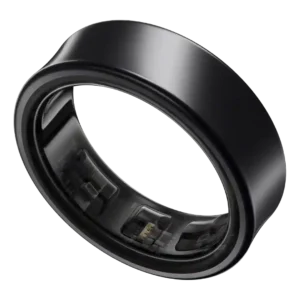
Heart rate accuracy was highly context-dependent: resting or simple checks often matched references, while workouts produced spikes, gaps, or poor cycling performance.
Pros: weight, charging convenience
Cons: sleep apnea monitoring, calorie tracking usefulness
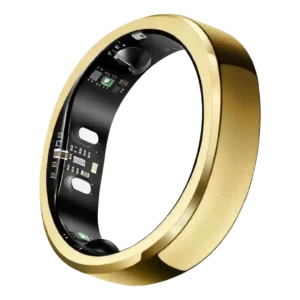
Heart-rate accuracy improved over Gen 2 and looked good at rest, but reviewers still found workout and high-intensity readings inconsistent.
Pros: pairing reliability, charging speed
Cons: alarm function, Strava compatibility
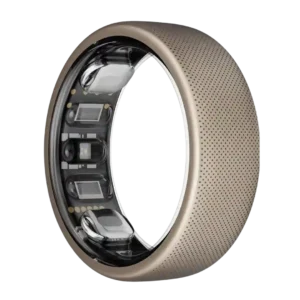
Heart-rate accuracy split sharply by use case: resting or running data could be strong, but several reviewers found intensive workouts, cycling, or spikes unreliable.
Pros: distance tracking accuracy, pairing reliability
Cons: automatic workout detection, activity reminders
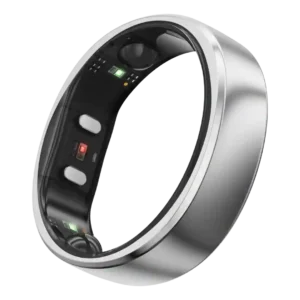
Heart rate accuracy was split: overnight or casual readings often looked close, but workout heart rate drew serious criticism for being too high, too low, or unreliable.
Pros: subscription value, weight
Cons: Strava compatibility, third-party app compatibility
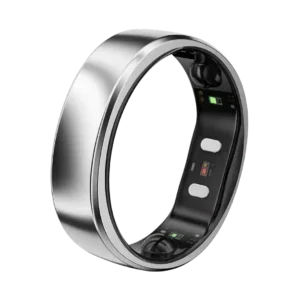
Heart-rate accuracy is split: resting and casual readings often looked acceptable, but workout and high-intensity readings drew repeated complaints.
Pros: pairing reliability, subscription value
Cons: smartphone notifications, workout mode variety
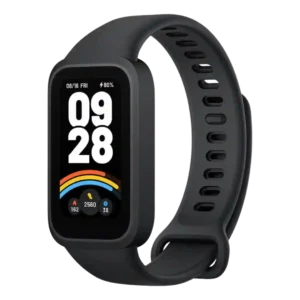
Heart rate accuracy was mixed to poor: easy workouts could be close, but several reviewers found unstable, high, or plainly inaccurate readings.
Pros: alarm function, data syncing reliability
Cons: connected GPS reliability, GPS accuracy