Best for sleep stage tracking
RingConn Gen 3
4.3 feature score
Highest scored product for this feature based on supporting review evidence.
Highest scored product for this feature based on supporting review evidence.
Balances feature score, supporting reviews, and overall product strength.
Has the broadest review evidence for this feature.
Strongest overall product among items with scored evidence for this feature.
Showing Wearable Tech only. Switch back to all Activity & Fitness Trackers anytime.
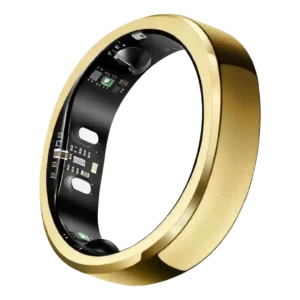
Sleep-stage tracking was generally praised for granular stage breakdowns and strong sleep summaries, though not every reviewer provided validation.
Pros: pairing reliability, charging speed
Cons: alarm function, Strava compatibility
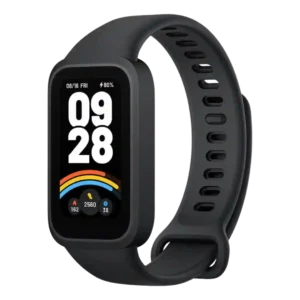
Sleep stage tracking was received well in the reviews that tested it, with useful REM, light, and deep-sleep breakdowns.
Pros: alarm function, data syncing reliability
Cons: connected GPS reliability, GPS accuracy
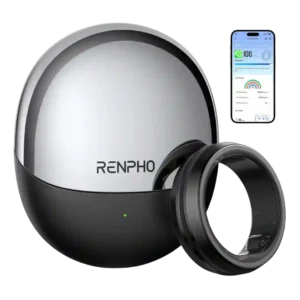
Sleep stage tracking was a common strength for casual insight, though reviewers cautioned that stage-level numbers should be treated as a guideline rather than laboratory truth.
Pros: activity reminders, charging speed
Cons: swimming tracking, workout mode variety
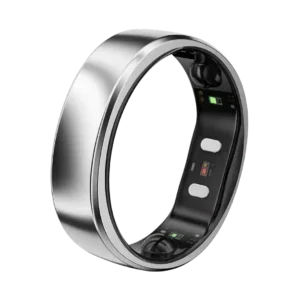
Sleep-stage tracking was considered useful and broadly similar to other devices, though some reviewers treated staging as only approximate.
Pros: pairing reliability, subscription value
Cons: smartphone notifications, workout mode variety
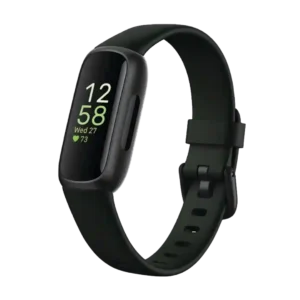
Sleep-stage tracking was helpful and comprehensive for app insights, though one reviewer explicitly cautioned that stage-level validity could not be confirmed.
Pros: fitness coaching, Strava compatibility
Cons: music controls, third-party app compatibility
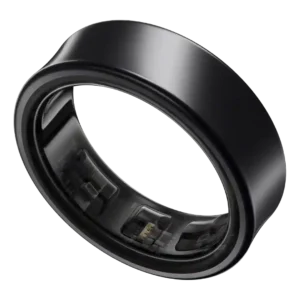
Sleep stage tracking was mixed: several reviewers saw close alignment with Oura or reference devices, while others found inconsistent staging or weak REM/deep-sleep results.
Pros: weight, charging convenience
Cons: sleep apnea monitoring, calorie tracking usefulness
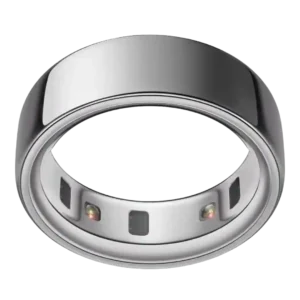
Sleep-stage tracking was viewed as useful but not definitive, with one reviewer seeing variation across devices and another calling it solid.
Pros: GPS accuracy, swimming tracking
Cons: alarm function, calorie tracking usefulness
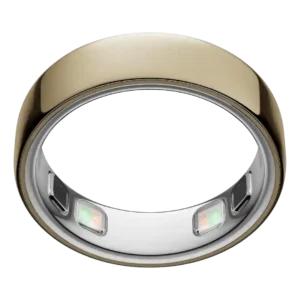
Sleep stage tracking was viewed as good but imperfect, with reviewers noting both strong algorithm performance and normal disagreement between rings.
Pros: pairing reliability, comfort
Cons: GPS accuracy, cadence tracking
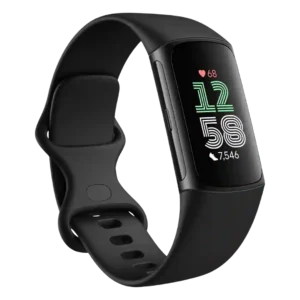
Sleep stage tracking was more mixed: some reviews found it useful or close to comparison devices, while others warned that stages were not exact or hard to fully trust.
Pros: Strava compatibility, workout mode variety
Cons: elevation tracking, data syncing reliability
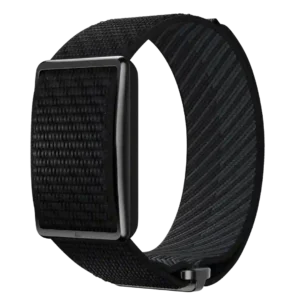
Sleep-stage tracking was seen as useful enough for trends by some reviewers, but others warned consumer sleep-stage precision should be treated cautiously.
Pros: subscription value, comfort
Cons: alarm function, goal tracking
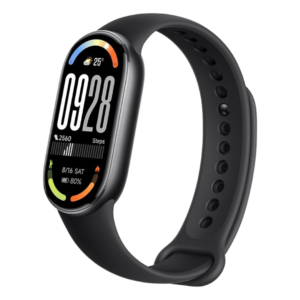
Sleep-stage tracking was the most debated sleep feature, praised for detail in some reviews but criticized by scientific testing and other reviewers for weak stage agreement.
Pros: Bluetooth reliability, weight
Cons: readiness score, GPS accuracy
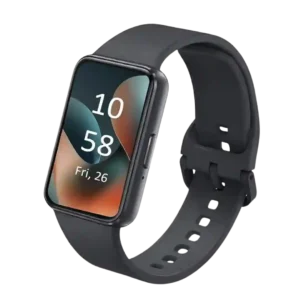
Sleep-stage tracking was useful in presentation but inconsistent in accuracy, with gaps or questionable awake-time estimates in some reviews.
Pros: cadence tracking, find my phone feature
Cons: data syncing reliability, sleep apnea monitoring
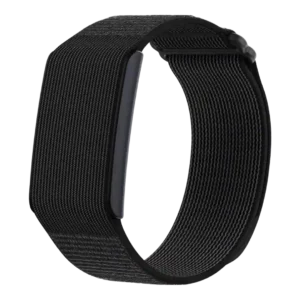
Sleep stage tracking is mixed: some reviewers found improved or impressively precise stage data, while others said REM or stage accuracy still lagged stronger competitors.
Pros: weight, calorie tracking usefulness
Cons: app alerts, button controls
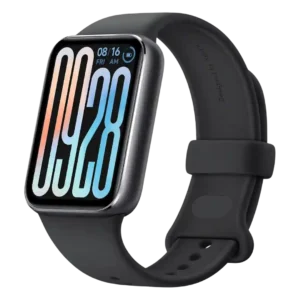
Sleep-stage tracking was the most disputed sleep feature: some reviews called it accurate, while others found light, REM, or stage detection unreliable.
Pros: workout mode variety, durability
Cons: activity reminders, calorie tracking usefulness
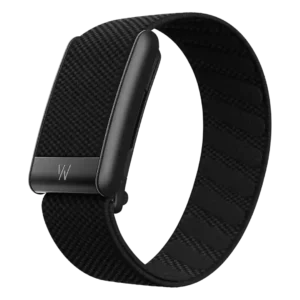
Sleep-stage evidence was mixed: one reviewer criticized wearable sleep-stage accuracy broadly, while another noted an updated sleep algorithm.
Pros: activity reminders, goal tracking
Cons: music controls, smartphone notifications
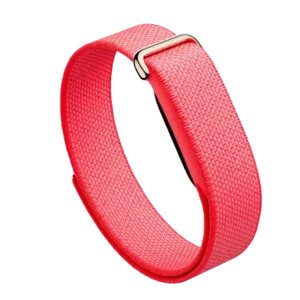
Sleep stage tracking is treated cautiously, with conflicting device comparisons and broader doubts about stage-analysis precision.
Pros: weight, step counting accuracy
Cons: cadence tracking, elevation tracking
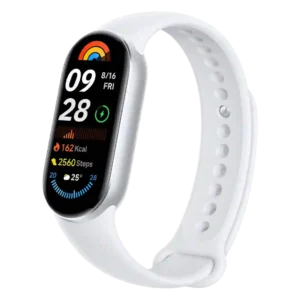
Sleep-stage tracking was inconsistent across reviews, with some useful or improved breakdowns but repeated complaints about deep sleep, REM, and stage reliability.
Pros: subscription value, cadence tracking
Cons: fit, GPS accuracy
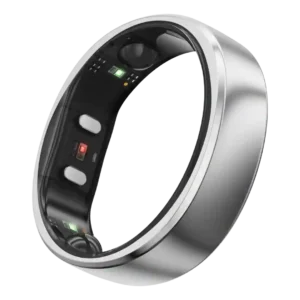
Sleep stage tracking was mixed to weak: some reviews found it close, while others reported wakefulness errors, stage disagreements, and poor REM agreement.
Pros: subscription value, weight
Cons: Strava compatibility, third-party app compatibility
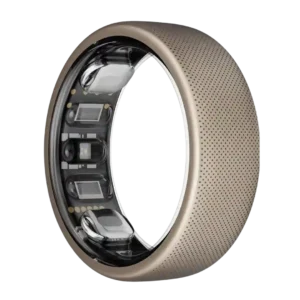
Sleep-stage tracking was less trusted than overall sleep tracking, with several reviewers warning that stages were overestimated, unreliable, or hard to trust.
Pros: distance tracking accuracy, pairing reliability
Cons: automatic workout detection, activity reminders