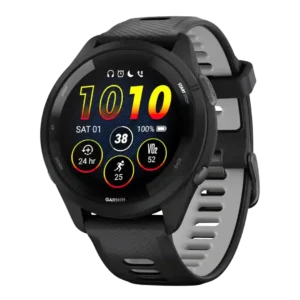
Third-party workout syncing was praised as very easy, especially for sending activities to external services.
Pros: step counting accuracy, third-party app support
Cons: ECG functionality, LTE connectivity
Showing Garmin only. Switch back to all brands anytime.
Third-party workout syncing was praised as very easy, especially for sending activities to external services.
Pros: step counting accuracy, third-party app support
Cons: ECG functionality, LTE connectivity
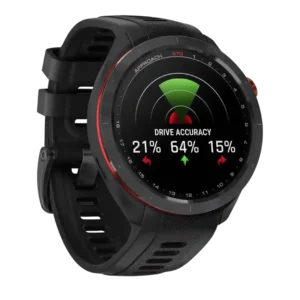
Third-party app support is positive but not seamless, with Spotify/Connect IQ setup described as smooth and straightforward rather than Apple-like.
Pros: recovery insights, GPS accuracy
Cons: software smoothness, fitness tracking accuracy
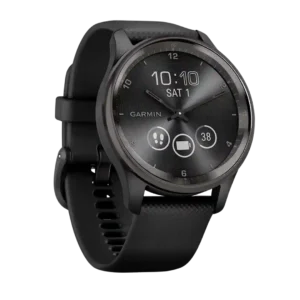
Third-party app support was positive where reviewed because workout data could flow to connected platforms such as Strava and MapMyFitness.
Pros: activity auto-detection, build quality
Cons: blood oxygen tracking, Bluetooth connectivity
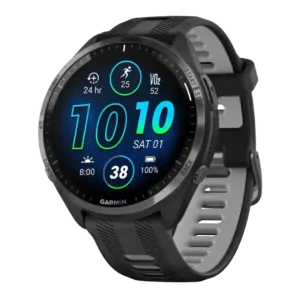
Third-party app support was mixed: Strava and Connect IQ are useful, but Garmin apps can feel clunky or less polished.
Pros: water resistance, workout tracking variety
Cons: LTE connectivity, ECG functionality
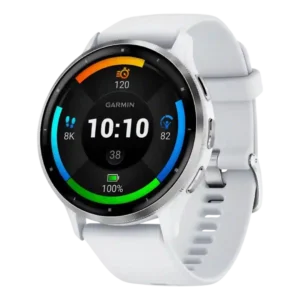
Third-party app support is limited compared with mainstream smartwatch platforms, though Garmin’s activity export and Connect IQ extras still add value.
Pros: health tracking accuracy, software smoothness
Cons: LTE connectivity, mapping and navigation
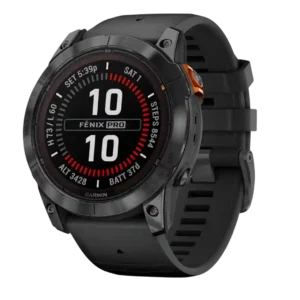
Third-party app support was mixed: Garmin’s store and watch-face options helped, but broader integrations and app depth drew criticism.
Pros: GPS accuracy, app ecosystem
Cons: ECG functionality, calorie tracking usefulness
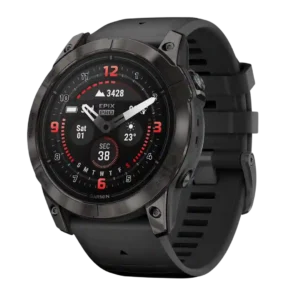
Third-party app support exists through Connect IQ, but reviewer evidence suggests the ecosystem lacks polish versus Apple Watch.
Pros: GPS accuracy, charging speed
Cons: ECG functionality, voice assistant quality
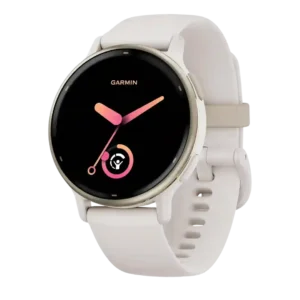
Third-party app support was a weakness compared with Apple/Google-style ecosystems.
Pros: fitness tracking accuracy, wellness insights
Cons: software smoothness, ECG functionality