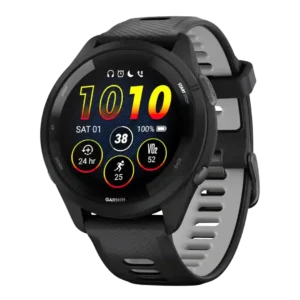
Third-party workout syncing was praised as very easy, especially for sending activities to external services.
Pros: step counting accuracy, third-party app support
Cons: ECG functionality, LTE connectivity
Third-party workout syncing was praised as very easy, especially for sending activities to external services.
Pros: step counting accuracy, third-party app support
Cons: ECG functionality, LTE connectivity

Third-party app support was strong in the scored reviews, especially through Google Play and well-integrated Wear OS apps.
Pros: voice assistant quality, music controls
Cons: blood oxygen tracking, cross-platform compatibility
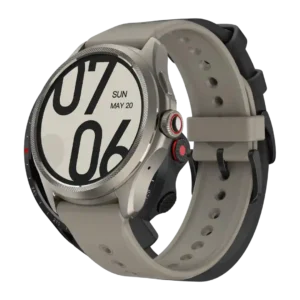
Third-party app support was consistently strong thanks to Play Store availability and broad watch-face or fitness-app options.
Pros: contactless payments, battery life
Cons: voice assistant quality, LTE connectivity

Third-party app support was strongly positive, with reviewers highlighting access to apps such as Google Maps, Spotify, WhatsApp, YouTube Music, and the Play Store.
Pros: pairing reliability, outdoor visibility
Cons: ECG functionality, running power support
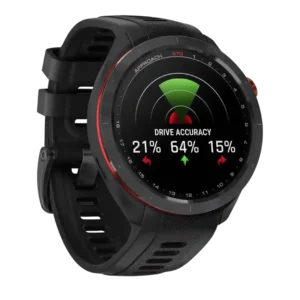
Third-party app support is positive but not seamless, with Spotify/Connect IQ setup described as smooth and straightforward rather than Apple-like.
Pros: recovery insights, GPS accuracy
Cons: software smoothness, fitness tracking accuracy
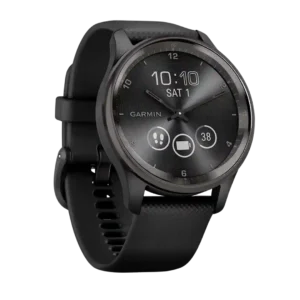
Third-party app support was positive where reviewed because workout data could flow to connected platforms such as Strava and MapMyFitness.
Pros: activity auto-detection, build quality
Cons: blood oxygen tracking, Bluetooth connectivity
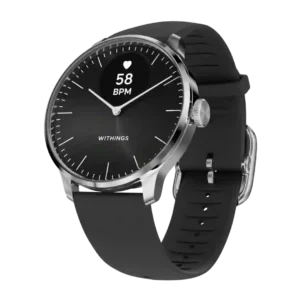
Third-party app support is positive in limited evidence, with syncing to Google Fit, Strava, and Samsung Health mentioned approvingly.
Pros: comfort, build quality
Cons: call handling, contactless payments
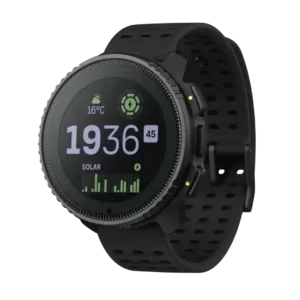
Third-party app support was praised as practical add-on functionality rather than cosmetic extras.
Pros: battery life, durability
Cons: resume later function, ECG functionality
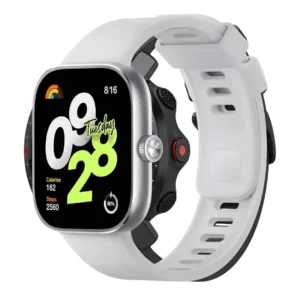
Third-party app support is a positive surprise, especially for sharing data with platforms such as Suunto, Apple Health, and Strava.
Pros: battery life, software smoothness
Cons: contactless payments, recovery insights
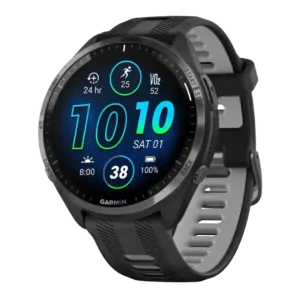
Third-party app support was mixed: Strava and Connect IQ are useful, but Garmin apps can feel clunky or less polished.
Pros: water resistance, workout tracking variety
Cons: LTE connectivity, ECG functionality
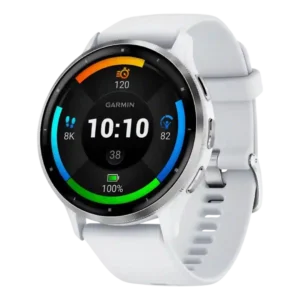
Third-party app support is limited compared with mainstream smartwatch platforms, though Garmin’s activity export and Connect IQ extras still add value.
Pros: health tracking accuracy, software smoothness
Cons: LTE connectivity, mapping and navigation
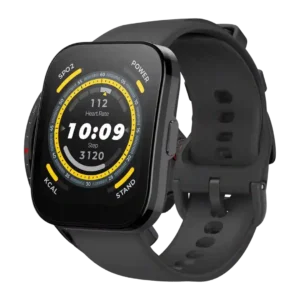
Third-party app support is inconsistent, with some appreciation for added apps but stronger criticism that the ecosystem is far behind premium stores and still limited.
Pros: comfort, touchscreen responsiveness
Cons: calorie tracking usefulness, onboard music storage
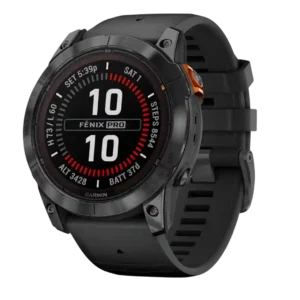
Third-party app support was mixed: Garmin’s store and watch-face options helped, but broader integrations and app depth drew criticism.
Pros: GPS accuracy, app ecosystem
Cons: ECG functionality, calorie tracking usefulness
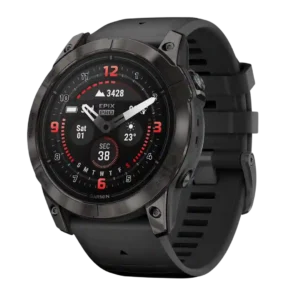
Third-party app support exists through Connect IQ, but reviewer evidence suggests the ecosystem lacks polish versus Apple Watch.
Pros: GPS accuracy, charging speed
Cons: ECG functionality, voice assistant quality
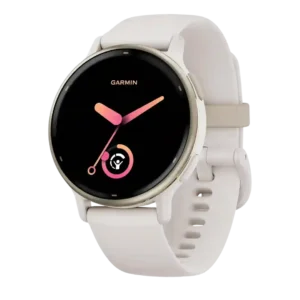
Third-party app support was a weakness compared with Apple/Google-style ecosystems.
Pros: fitness tracking accuracy, wellness insights
Cons: software smoothness, ECG functionality
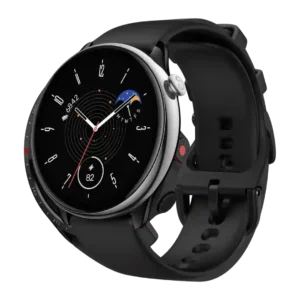
Third-party app support was repeatedly criticized as sparse or disappointing, even when reviewers could live with the limitation.
Pros: pairing reliability, workout tracking variety
Cons: contactless payments, onboard music storage
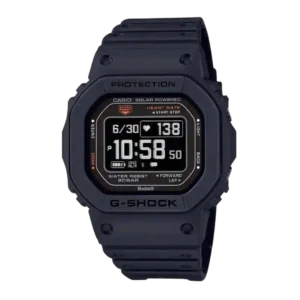
Third-party support is the most criticized connected feature, with repeated complaints about missing or limited integration and export options.
Pros: durability, outdoor visibility
Cons: app ecosystem, third-party app support
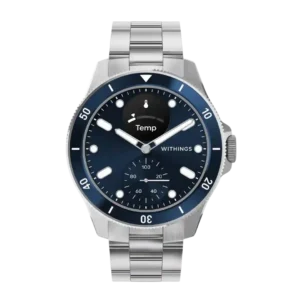
Third-party app support was a weakness, with reviewers telling app-focused buyers to look elsewhere or comparing it unfavorably with full smartwatches.
Pros: battery life, heart rate accuracy
Cons: third-party app support, GPS accuracy
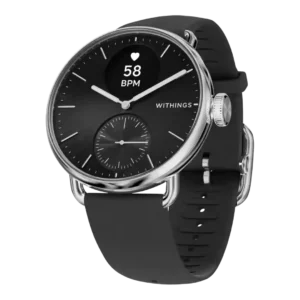
Third-party app support was essentially absent, a limitation reviewers emphasized when comparing the ScanWatch 2 to fuller smartwatches.
Pros: Bluetooth connectivity, pairing reliability
Cons: third-party app support, contactless payments
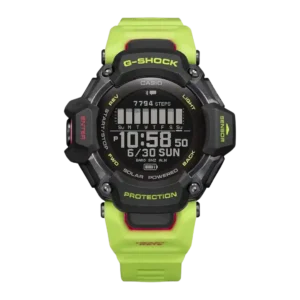
Third-party app support is one of the clearest weaknesses, especially the lack of Strava, Polar Flow, Apple Health, Google Fit, and export options.
Pros: brightness, charging convenience
Cons: ECG functionality, stress tracking