
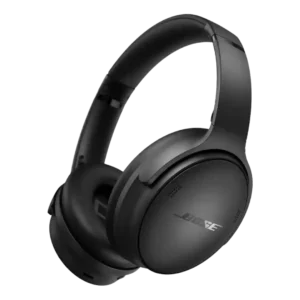
Review: Bose QuietComfort Bluetooth Headphones
Updated: 2 months ago
3.7
Based on methodology below
217
Insights analyzed
49
Grouped by key features
12
From expert reviews
Scores below reflect consolidated expert coverage across these features.
Bottom Line
Choose these for top-tier noise canceling and feather-light comfort with real buttons; Skip if you want hi-res codecs or longer-than-average battery life for the price.
Best for
Frequent travelers and commuters who want strong ANC, long-session comfort, and dependable physical controls in a foldable package.
Not for
Listeners who want hi-res Bluetooth codecs, more advanced app/EQ control, or a more neutral stock tuning without needing adjustments.
Verdict
Bose QuietComfort (2023) nails the core stuff: excellent active noise cancellation, a super comfortable fit that works for long sessions, and a travel-friendly fold-up design with a compact hard case. The physical buttons and simple controls are repeatedly praised, and transparency mode is often described as unusually natural. The tradeoff is that Bose keeps connectivity and tuning conservative: codec support is basic (AAC/SBC), EQ is limited, and some listeners find the stock bass and upper treble can need tweaking. There is also no wear-detection auto-pause. If you value comfort and ANC over bleeding-edge wireless features, it is an easy shortlist pick.
Pros
-
4.8based on 1 reviewVolume output: 4.8, based on 1 reviewVolume output is repeatedly described as very high, with listeners often using lower volume than usual because the headphones get loud quickly.
-
4.7based on 5 reviewsWeight comfort: 4.7, based on 5 reviewsReviewers consistently highlight the light weight as a major comfort advantage, helping reduce fatigue during long sessions.
-
4.7based on 10 reviewsComfort during long use: 4.7, based on 10 reviewsComfort is a headline strength, repeatedly described as pillow-like and easy to wear for hours, making them a favorite for travel and desk work.
-
4.7based on 3 reviewsEar cup padding quality: 4.7, based on 3 reviewsEarcup padding is frequently praised as plush and soft, contributing strongly to long-wear comfort.
-
4.6based on 8 reviewsPortability/foldability: 4.6, based on 8 reviewsFoldability and rotation are repeatedly called travel-friendly, especially compared with bulkier non-folding competitors and cases.
-
4.6based on 1 reviewMaximum volume clarity: 4.6, based on 1 reviewMaximum volume behavior is described as loud and largely clean, with at least one reviewer noting no obvious distortion at very high levels.
-
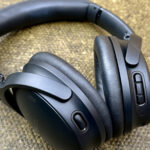
4.6based on 10 reviewsButton control usability: 4.6, based on 10 reviewsPhysical buttons are widely praised as tactile, reliable, and easier than touch controls, especially for travel and cold-weather use.
-
4.6based on 11 reviewsActive noise cancellation: 4.6, based on 11 reviewsMost reviews call the ANC excellent or near top-tier, especially for low-frequency rumble and commuting noise; a few note the Ultra can be a touch stronger or more consistent. ANC is adjustable with app modes and multiple levels; reviewers like the ability to dial it back or add wind-related control, though you generally cannot fully disable processing in the mode system.
-
4.6based on 2 reviewsSoftware/setup simplicity: 4.6, based on 2 reviewsSetup and daily use are frequently described as fuss-free, with simple pairing, clear controls, and an app that is easy to navigate.
-
4.5based on 10 reviewsCarry case quality: 4.5, based on 10 reviewsThe carrying case is commonly described as compact, protective, and well designed for travel; several mention cable storage as a practical bonus.
-
4.4based on 5 reviewsClamping force comfort: 4.4, based on 5 reviewsClamping force is generally described as secure but not tight, helping maintain a seal without pressure hotspots for most wearers.
-
4.4based on 5 reviewsUSB-C: 4.4, based on 5 reviewsUSB-C is present for charging; at least one review highlights the lack of USB-C audio passthrough as a limitation despite the port.
-
4.4based on 1 reviewHeadband adjustability: 4.4, based on 1 reviewHeadband adjustment range is described as generous and easy to fit across different head sizes, reinforcing the all-day comfort theme.
-
4.4based on 5 reviewsTransparency mode quality: 4.4, based on 5 reviewsTransparency or Aware mode is widely described as very natural and effective, with at least one reviewer calling it best-in-class; some note limited fine control of awareness without blending with ANC.
-
4.4based on 2 reviewsVoice assistant integration: 4.4, based on 2 reviewsVoice assistant access via button press is noted as convenient and works as expected for common assistants on paired devices.
-
4.3based on 4 reviewsMultipoint connectivity reliability: 4.3, based on 4 reviewsMultipoint is supported and often praised for smooth device switching, though at least one review notes it may be toggled or managed in the app.
-
4.2based on 3 reviewsDesign and Aesthetics: 4.2, based on 3 reviewsDesign is generally viewed as understated and unobtrusive, with color options often mentioned; premium styling is sometimes credited more to the Ultra variant.
-
4.2based on 3 reviewsDetachable microphone convenience: 4.2, based on 3 reviewsThe included wired cable with inline mic is highlighted as a useful convenience for calls or laptop use, even when not using Bluetooth.
-
4.2based on 5 reviewsBluetooth: 4.2, based on 5 reviewsBluetooth stability is generally described as reliable for everyday use, with no recurring dropout complaints in the provided reviews.
-
4.2based on 1 reviewReplaceable earpads: 4.2, based on 1 reviewEarpads are commonly treated as replaceable in practice, with at least one long-term owner discussing swapping to aftermarket pads and noting minor ANC impact.
-
4.2based on 2 reviewsSoundstage width: 4.2, based on 2 reviewsSoundstage is described as fairly spacious for ANC Bluetooth headphones, with some reviews crediting design choices for a wider presentation.
-
4.1based on 1 reviewNoise isolation (passive): 4.1, based on 1 reviewPassive isolation benefits from a strong seal and well-sized earcups; multiple reviews mention minimal leakage and good baseline isolation even before ANC.
-
4.1based on 3 reviewsCharging: 4.1, based on 3 reviewsCharging is generally straightforward via USB-C, with multiple mentions of quick-boost usefulness; full charge times are described as typical for the class.
-
4.1based on 2 reviewsAudio-video sync accuracy: 4.1, based on 2 reviewsMost reviewers report acceptable video sync for casual watching, but the limited codec stack means some users may notice lag depending on device and content.
-
4.1based on 2 reviewsInstrument separation: 4.1, based on 2 reviewsInstrument separation is generally described as good for the category, though not always framed as audiophile-grade compared to the best competitors.
-
4.0based on 7 reviewsApp: 4.0, based on 7 reviewsThe Bose app is typically described as clean and easy, enabling modes, EQ, and updates; one review criticizes the onboarding privacy prompt and the app being required for full control.
-
4.0based on 9 reviewsBass performance: 4.0, based on 9 reviewsBass is a defining trait: many describe strong, punchy, even head-shaking low end; critics say it can be overemphasized and may need EQ for balance.
-
4.0based on 9 reviewsSound quality: 4.0, based on 9 reviewsOverall sound quality is rated enjoyable by most, especially for modern genres, but a subset of reviewers strongly dislike the default tuning and point to limited EQ as the constraint. Wired listening is supported and commonly cited as useful for travel and low-latency needs; at least one reviewer notes passive operation when the battery is dead.
-
3.9based on 6 reviewsBuild quality: 3.9, based on 6 reviewsBuild quality is usually described as solid but mostly plastic; some reviewers want a more premium feel at the price, while others emphasize durability and dependable hinges.
-
3.9based on 3 reviewsDetachable cable convenience: 3.9, based on 3 reviewsDetachable cable use is praised for versatility, but one reviewer dislikes the nonstandard 2.5mm end on the included cable.
-
3.9based on 2 reviewsIncluded accessories: 3.9, based on 2 reviewsIncluded accessories are generally good for travel with case and cables; one review notes the absence of an airplane adapter.
-
3.8based on 2 reviewsPreset EQ profile quality: 3.8, based on 2 reviewsPreset EQ profiles are described as helpful and functional, though the overall EQ system is still viewed as less flexible than some competitors.
-
3.8based on 8 reviewsBattery: 3.8, based on 8 reviewsBattery life is usually framed as solid but not class-leading, landing around the mid-20-hour range in claims and tests; competitors can go much longer.
-
3.8based on 5 reviewsMicrophone quality for calls: 3.8, based on 5 reviewsCall quality is generally described as good to decent, with clear voice pickup in many scenarios; expectations should be moderate compared with dedicated boom-mic headsets.
-
3.6based on 3 reviewsMicrophone noise reduction: 3.6, based on 3 reviewsNoise reduction for calls is mixed: some reviews report effective background handling and wind improvements, while another notes noise rejection can be an issue in certain environments.
-
3.6based on 6 reviewsMidrange clarity: 3.6, based on 6 reviewsMidrange is often described as generally clear, but a few reviews say it can feel recessed or masked by the heavy bass until EQ is adjusted.
-
3.6based on 8 reviewsTreble clarity: 3.6, based on 8 reviewsTreble is polarizing: some praise crisp detail, while others mention a peaky or harsh region that can affect busy mixes and benefits from EQ.
-
3.5based on 1 reviewCable quality: 3.5, based on 1 reviewCable design is a minor gripe in at least one review due to the nonstandard 2.5mm headphone-side connector, even though the cable is included and functional.
Cons
-
3.3based on 10 reviewsEqualizer customization: 3.3, based on 10 reviewsEQ customization is usually described as limited (often a simple multi-band setup), but still helpful for reducing bass or smoothing treble; power users may want more granular control.
-
3.1based on 4 reviewsFrequency response accuracy: 3.1, based on 4 reviewsFrequency response accuracy is described as consumer-tuned rather than neutral, with boosted bass and some upper-range shaping that not everyone enjoys.
-
2.1based on 5 reviewsCodec support: 2.1, based on 5 reviewsCodec support is a consistent weakness: multiple reviews note only AAC and SBC, which limits future-proofing and high-res playback options.
-
1.5based on 3 reviewsSensors: 1.5, based on 3 reviewsWear-detection sensors are repeatedly called out as missing, leading to no auto-pause when removing the headphones.
-
1.2based on 1 reviewWater/sweat resistance rating: 1.2, based on 1 reviewSeveral reviews caution against workouts because there is no official water or sweat resistance rating.
-
1.0based on 3 reviewsLDAC: 1.0, based on 3 reviewsLDAC support is repeatedly cited as missing, especially in comparisons to Sony models that offer it.
-
1.0based on 2 reviewsaptX: 1.0, based on 2 reviewsaptX family support is cited as missing; several comparisons highlight that more premium or competing models offer advanced Qualcomm codec options.
-
1.0based on 2 reviewsSpatial audio: 1.0, based on 2 reviewsSpatial audio or immersive modes are consistently described as not included on this standard model, positioned as a key differentiator for the Ultra.
-
1.0based on 2 reviewsTouch control responsiveness: 1.0, based on 2 reviewsTouch controls are not a focus on this model; multiple comparisons frame the absence of touch gestures as intentional in favor of buttons.
FAQ
How strong is the noise canceling?
Across reviews it is consistently described as excellent, especially for low-frequency rumble like engines and transit, with adjustable levels and a wind-block option in the app.
Do they support hi-res codecs like LDAC or aptX?
No. Multiple reviewers note they stick to AAC and SBC, which is fine for many users but not ideal if you prioritize higher-res Bluetooth options.
Can I use them wired if the battery dies?
Yes. Several reviews mention wired use via the included cable, including passive listening even when the headphones are drained.
Do they auto-pause when you take them off?
No. Multiple reviewers call out the lack of wear-detection auto-pause as a missing convenience feature.
Is the sound bass-heavy?
Often yes. Many describe big, punchy bass out of the box; some love it, while others say the bass and upper treble can be a bit much and benefit from EQ.
Reviews we analyzed
Video Reviews




Article Reviews

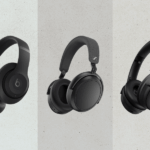
Best Over-Ear Headphones
#1
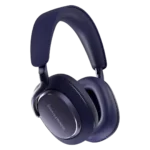
4.2
Choose the PX7 S3 for class-leading sound and premium comfort with strong-enough ANC; Skip if you want Sony/Bose-level noise canceling or a lighter,...
Pros: aptX, Multipoint connectivity reliability, Codec support, Volume output, Android compatibility, Maximum volume clarity, Design and Aesthetics
Cons: Replaceable battery, LDAC, Spatial audio, Portability/foldability, Preset EQ profile quality
#2
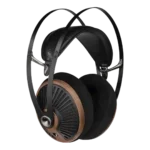
4.2
Choose the Meze 105 Silva for gorgeous, comfy open-back listening with strong imaging and a warm-yet-detailed tuning; Skip if you need isolation for...
Pros: Sustainability materials, Replaceable earpads, Design and Aesthetics, Headband adjustability, Hinge durability, Build quality, Volume output
Cons: Noise isolation (passive), Portability/foldability
#3
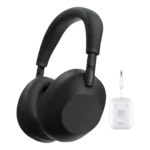
4.1
Choose the WH-1000XM6 if you want top-tier noise canceling with rich, tunable sound in a travel-friendly foldable case. Skip if you need wired...
Pros: Active noise cancellation effectiveness, Weight comfort, Carry case quality, Microphone noise reduction, USB-C, Charging, LDAC
Cons: Water/sweat resistance rating, Replaceable battery, aptX, Cable quality, Smudge resistance, Included accessories
#4
4.1
Choose these for travel-first flexibility, long battery life, and very strong ANC. Skip them if you want the most premium feel or perfectly...
Pros: Battery, Connectivity options, Included accessories, Features at launch, ANC background noise level, Instrument separation, Equalizer customization
Cons: Water/sweat resistance rating, Replaceable earpads, Maximum volume clarity, Smart Pause performance, Premium feel, Preset EQ profile quality, ANC effect on sound signature