Best for Microphone noise reduction
Shokz OpenFit 2
5.0 feature score
Highest scored product for this feature based on supporting review evidence.
Highest scored product for this feature based on supporting review evidence.
Balances feature score, supporting reviews, and overall product strength.
Has the broadest review evidence for this feature.
Strongest overall product among items with scored evidence for this feature.
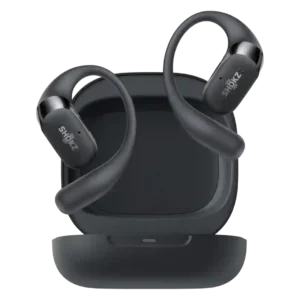
Microphone noise reduction receives strong praise for cutting background noise, including wind, noisy surroundings, and loud music nearby.
Pros: Microphone noise reduction, Bluetooth
Cons: Active noise cancellation, Codec support
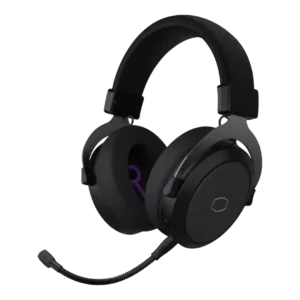
Microphone noise rejection is a strength because nearby background noise was not picked up.
Pros: Microphone noise reduction, Spatial audio
Cons: App, Equalizer customization
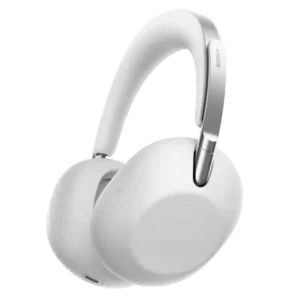
Voice-isolation processing rejects wind and background noise impressively, though aggressive suppression can slightly thin the voice.
Pros: Microphone noise reduction, Multipoint connectivity reliability
Cons: Water/sweat resistance rating, Gaming performance
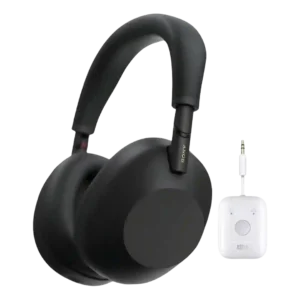
Microphone noise reduction was excellent in the evidence, especially against streets, wind, and ambient noise during calls.
Pros: Smart Pause performance, Award recognition
Cons: Cable quality, USB-C
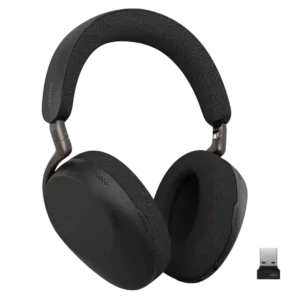
ClearVoice removes an impressive amount of office, café, street, fan, and household noise while keeping speech understandable. Only a small amount of background sound occasionally leaks through in tougher outdoor...
Pros: Frequency response accuracy, Clamping force comfort
Cons: Volume output, aptX
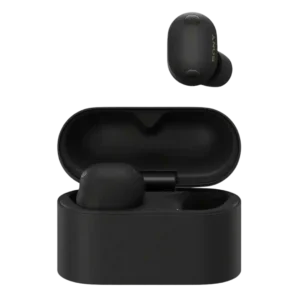
Microphone noise reduction was repeatedly praised for suppressing background noise, fans, traffic, and wind, though not every call test was perfect.
Pros: Maximum volume clarity, Audio-video sync accuracy
Cons: Sidetone adjustment quality, Software/setup simplicity
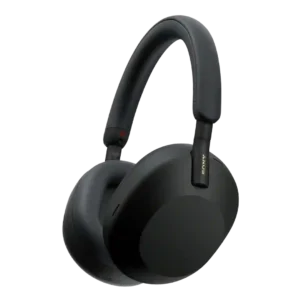
Microphone noise reduction was a clear strength, with reviewers praising voice isolation and background-noise suppression.
Pros: Sound leakage, Noise isolation (passive)
Cons: Water/sweat resistance rating, Hinge durability
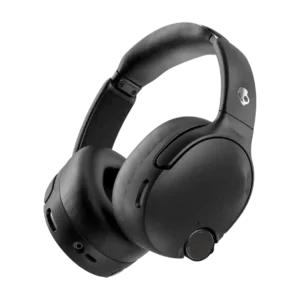
The microphone system handled real-world background noise well, including wind and roadside traffic. Callers reported clear speech with little obvious wind interference.
Pros: Treble clarity, Instrument separation
Cons: Codec support, Headband adjustability
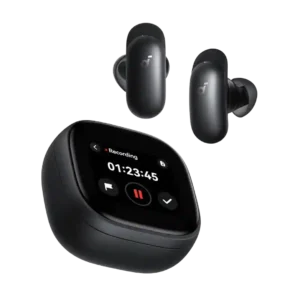
Microphone noise rejection is repeatedly described as exceptional, often hiding wind, traffic, tools, vacuums, water jets, or public noise from callers. A small minority still heard muffling in very noisy...
Pros: Microphone noise reduction, Stability
Cons: Lossless audio support, Spatial audio
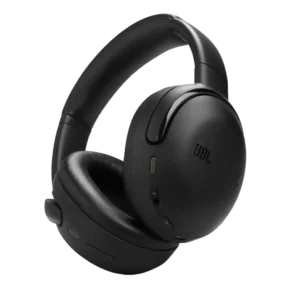
Microphone noise reduction was a major strength, with reviewers praising wind handling, echo reduction, and background-noise filtering.
Pros: Immersive audio quality, ANC background noise level
Cons: Replaceable pads/headband, Replaceable earpads
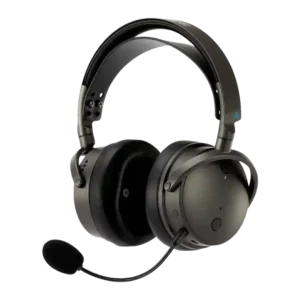
Microphone noise reduction is one of the most praised non-audio features, repeatedly removing keyboard, fan, vacuum, and ambient noise effectively.
Pros: Instrument separation, Maximum volume clarity
Cons: Hinge durability, Carry case quality
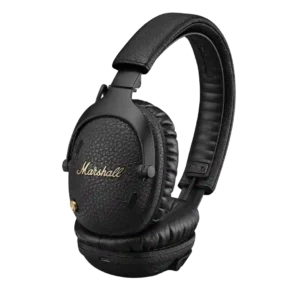
Microphone noise reduction was praised for handling simulated or real wind well, despite some vocal-clarity caveats elsewhere.
Pros: Volume output, Multipoint connectivity reliability
Cons: Water/sweat resistance rating, Codec support
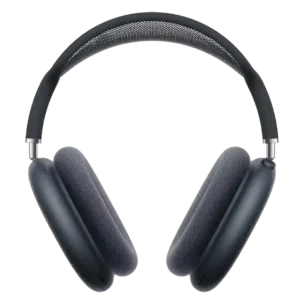
Voice Isolation and mic noise reduction performed well in many noisy call tests, although standard mode could lag behind.
Pros: Button control usability, Design and Aesthetics
Cons: Water/sweat resistance rating, Included accessories
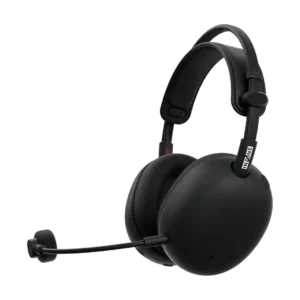
Microphone noise reduction works very well in many real-world tests, suppressing fans, breathing, construction noise, and other distractions while preserving speech. One noisy event exposed weaker filtering, so extreme environments...
Pros: Instrument separation, Maximum volume clarity
Cons: Packaging quality, Console compatibility limitations
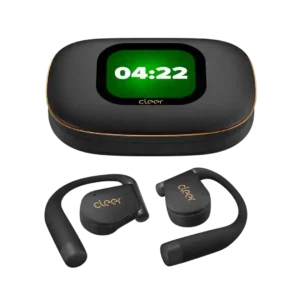
The microphone system usually suppresses wind, traffic, construction, and other background noise effectively while keeping speech understandable. Very loud surroundings can still intrude because the ears remain open.
Pros: Instrument separation, Multipoint connectivity reliability
Cons: Noise isolation (passive)
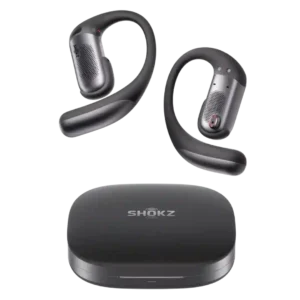
Background suppression often keeps chatter, appliances, and street noise away from the caller’s voice. Wind handling is inconsistent, with some excellent results and some complete breakdowns.
Pros: Voice assistant integration, Android compatibility
Cons: Maximum volume clarity, Packaging condition
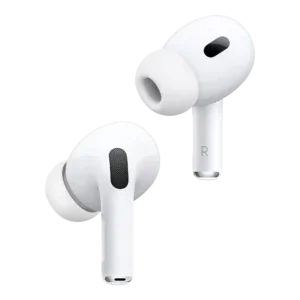
Microphone noise reduction was praised for suppressing background noise and keeping voices intelligible.
Pros: Weight comfort, Charging
Cons: Smudge resistance, Android compatibility
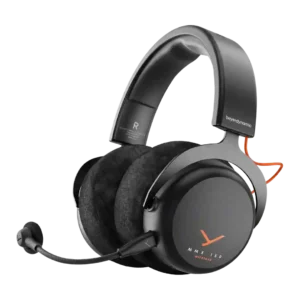
Mic noise reduction is repeatedly praised for suppressing typing, ambient sound, music, and surrounding noise while keeping the voice clear.
Pros: Battery, Audio-video sync accuracy
Cons: Xbox compatibility, Volume output
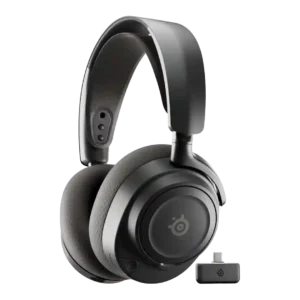
Noise reduction was praised when using ClearCast or Sonar processing, though baseline mic performance still varied.
Pros: Connectivity versatility, Multi-platform compatibility
Cons: Transparency mode quality, Active noise cancellation
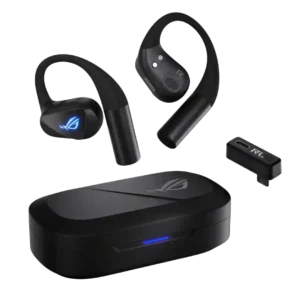
Noise suppression works well in many tests, keeping speech understandable while reducing fans, background media, and ambient chatter.
Pros: Transparency mode quality, Touch control responsiveness
Cons: Noise isolation (passive), Packaging condition
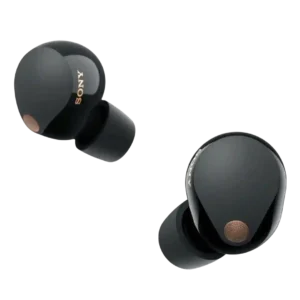
Microphone noise reduction and wind handling were often praised, but one lab-style test found the AI voice separation could fail in heavy noise.
Pros: Weight comfort, Noise isolation (passive)
Cons: aptX, Find My
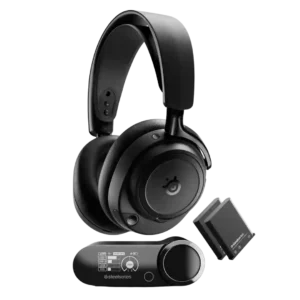
Microphone noise reduction is praised for suppressing hiss, vacuums, washing machines, and background noise, with only minor processing caveats.
Pros: Maximum volume clarity, Multipoint connectivity reliability
Cons: Portability/foldability, USB-C
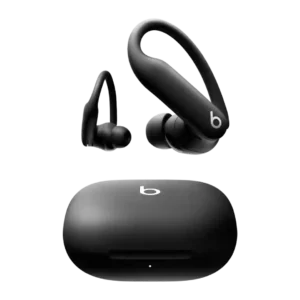
Microphone noise reduction was a strength in most supporting reviews, especially with background noise filtering on Apple devices.
Pros: Audio-video sync accuracy, Smudge resistance
Cons: Multipoint connectivity reliability, Equalizer customization
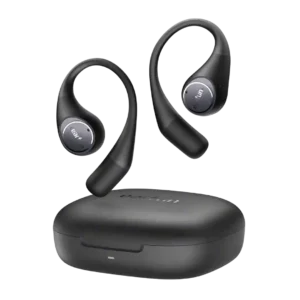
Microphone noise reduction scored strongly, with reviewers reporting reduced room, car, or environmental noise during calls.
Pros: Codec support, Water/sweat resistance rating
Cons: Noise isolation (passive), Design and Aesthetics
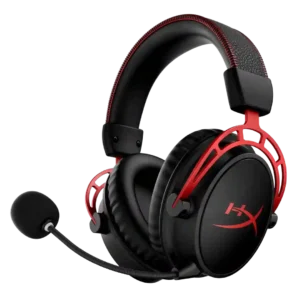
Noise reduction is often effective for voice clarity, but keyboard suppression and wireless mic behavior are not flawless in every review.
Pros: Maximum volume clarity, Earpad replacement ease
Cons: Bluetooth, Xbox compatibility
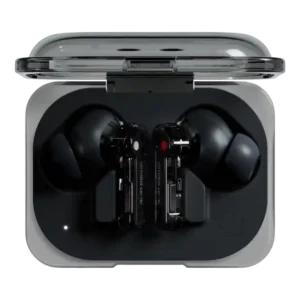
Microphone noise reduction was a strength in the direct evidence, with reviewers praising background voice isolation and environmental filtering.
Pros: Design and Aesthetics, Software/setup simplicity
Cons: Voice assistant integration, Spatial audio
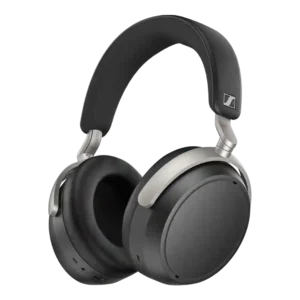
Microphone noise handling is praised for controlling busy roads, wind, or louder environments without overpowering the voice.
Pros: Instrument separation, Charging
Cons: Xbox compatibility, Water/sweat resistance rating
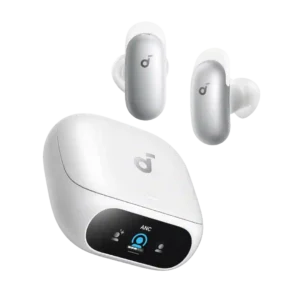
Microphone noise reduction is outstanding in the strongest reviews. Callers often cannot hear lawn mowers, trains, traffic, kids, fans, or other background noise, though defective units can undercut the experience.
Pros: Maximum volume clarity, Noise isolation (passive)
Cons: Apple H2 chip support, Treble clarity
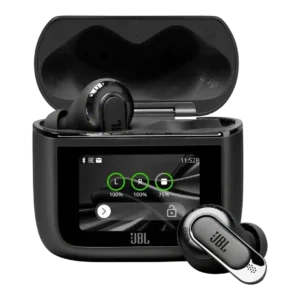
Microphone noise reduction was usually praised for suppressing train, traffic, wind, and office noise, though one reviewer found wind-city performance weaker.
Pros: Codec support, Dongle
Cons: Sound leakage, Find My

Microphone noise reduction is often praised for suppressing background noise and wind, though Android Central was less convinced outdoors.
Pros: Android compatibility, Bluetooth
Cons: Smudge resistance, Cable quality
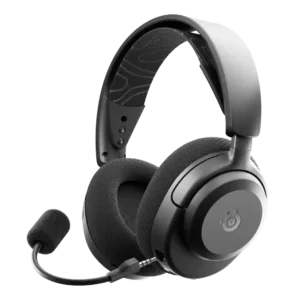
Microphone noise reduction was one of the stronger mic-related areas, with multiple reviewers praising barking, room, episode, keyboard, or background-noise suppression.
Pros: Charging, Weight comfort
Cons: Sound leakage, Cable quality
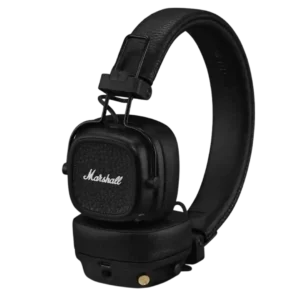
Microphone noise reduction received positive comments for cleaning up office, cafe, and ambient noise around speech.
Pros: Ear cup swivel/rotation range, Multi-platform compatibility
Cons: aptX, Water/sweat resistance rating
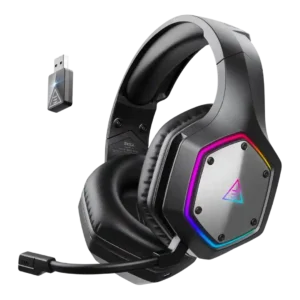
Microphone noise reduction was generally praised, with reviewers reporting good background filtering and cleaner voice pickup.
Pros: Audio-video sync accuracy, Wireless latency
Cons: Midrange clarity, Ear cup swivel/rotation range

Microphone noise reduction drew positive comments for suppressing ambient, wind or traffic noise and keeping voices intelligible.
Pros: Volume output, Weight comfort
Cons: Cable quality, Smudge resistance
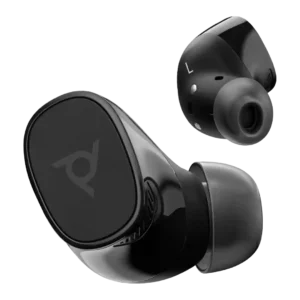
Microphone noise reduction was praised for minimizing background noise and keeping voices clear in calls.
Pros: Charging, Instrument separation
Cons: Spatial audio, Sidetone adjustment quality

Microphone noise reduction was usually strong against traffic, wind, and household noise, but a few reviewers found wind or busy restaurants could still overwhelm calls.
Pros: Android compatibility, Software/setup simplicity
Cons: Active noise cancellation, Noise isolation (passive)
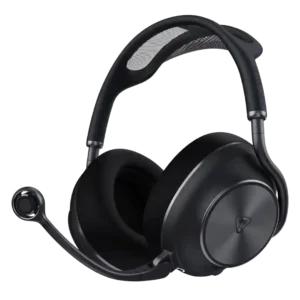
AI processing and noise-gate controls can reduce keyboards, chatter, and machinery without heavily damaging speech. It is not always aggressive enough, and some reviewers prefer it off because it flattens...
Pros: Codec support, Packaging quality
Cons: Multipoint connectivity reliability, Replaceable ear plates
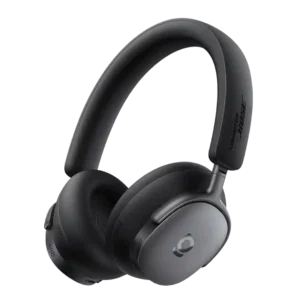
Microphone noise reduction was a strength overall, especially against background noise, though wind and harsh street noise could reduce nuance or voice stability.
Pros: Maximum volume clarity, Headband adjustability
Cons: Cable quality, Smart Pause performance
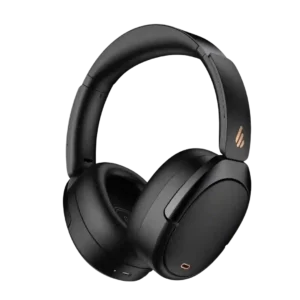
Microphone noise reduction was mostly strong, separating voice from background chaos, with minor ambient noise leakage noted.
Pros: Instrument separation, USB-C
Cons: Button control usability, Maximum volume clarity
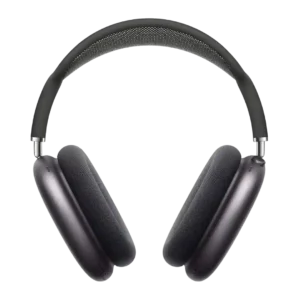
One reviewer praised wind-noise reduction during calls, noting that callers could still hear the voice well.
Pros: Hinge durability, Ecosystem integration
Cons: aptX, LDAC
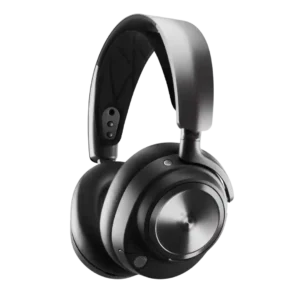
Microphone noise reduction is often praised when Sonar/ClearCast tools are enabled, but some reviewers note unwanted pickup or stock limitations.
Pros: Charging, Spatial audio
Cons: Hinge durability, Smudge resistance
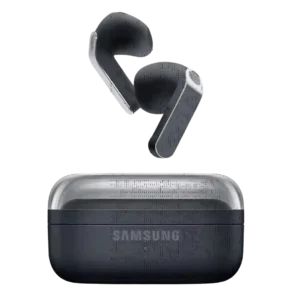
Background-noise rejection is usually a strong point, with several tests showing voices staying clear through traffic, crowds, white noise, or loud music. A smaller number of users reported poor noise...
Pros: Audio-video sync accuracy, Integrated microphone
Cons: Warranty and support service, Ear tip size options
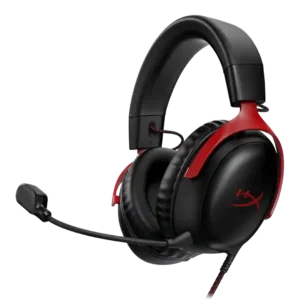
Microphone noise reduction was a strength overall, with several reviewers saying background noise, keyboard sounds, or distractions were reduced well.
Pros: Hinge durability, Wireless latency
Cons: Preset EQ profile quality, Xbox compatibility
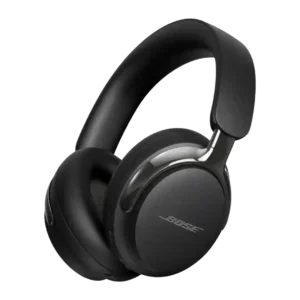
Microphone noise handling is generally positive, with reviewers saying voices stay clear and background noise is reduced well in common noisy settings.
Pros: Award recognition, ANC sound impact on audio
Cons: Water/sweat resistance rating, LE Audio readiness

Microphone noise reduction was a relative strength, with reviewers praising its ability to reduce background noise and separate speech.
Pros: Smart Pause performance, Wear detection performance
Cons: Water/sweat resistance rating, Wind noise handling
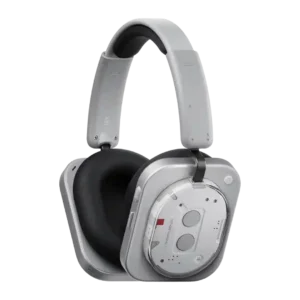
Microphone noise reduction was generally strong, with reviewers praising background suppression, though one noted echo/reverb issues.
Pros: Smart Pause performance, App
Cons: Wear detection performance, Wear detection auto-pause
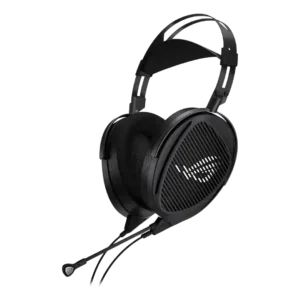
Hardware noise rejection works well in several tests without software processing, especially against steady background noise and keyboards. Other users report substantial room pickup, so placement and environment matter.
Pros: Maximum volume clarity, Frequency response accuracy
Cons: Active noise cancellation, Bluetooth
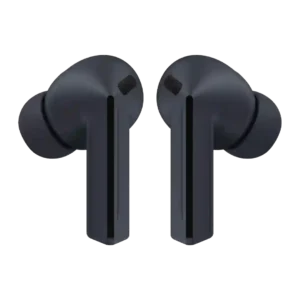
Microphone noise reduction is mostly praised as much improved and strong at reducing background sounds, though one reviewer says it could still be better.
Pros: Volume output, Audio-video sync accuracy
Cons: Multipoint connectivity reliability, LDAC
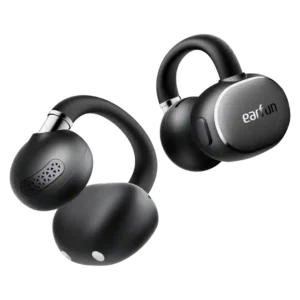
Background-noise rejection is often impressive, especially for steady office or street noise. Aggressive processing can occasionally muffle the speaker or create artifacts in wind.
Pros: Weight comfort, Hinge durability
Cons: Active noise cancellation, Sensors
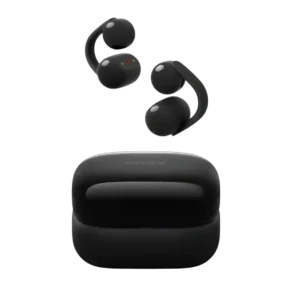
Microphone noise reduction is usually praised for suppressing traffic, fans, and background noise, though some incidental noise remains.
Pros: Transparency mode quality, Maximum volume clarity
Cons: Active noise cancellation, Spatial audio