Best for Codec support
Edifier NeoBuds Planar Earbuds
5.0 feature score
Highest scored product for this feature based on supporting review evidence.
Highest scored product for this feature based on supporting review evidence.
Balances feature score, supporting reviews, and overall product strength.
Has the broadest review evidence for this feature.
Strongest overall product among items with scored evidence for this feature.
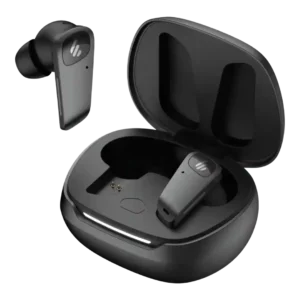
Codec support is a major strength, repeatedly praised as exhaustive or unusually complete for high-resolution listening.
Pros: Instrument separation, Codec support
Cons: Spatial audio, Volume output
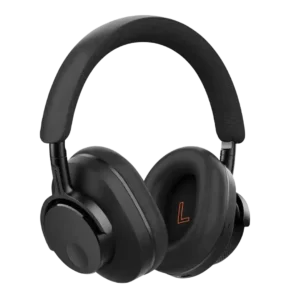
Codec support is praised through aptX Adaptive and aptX Lossless support, but wireless LDAC absence is a separate limitation.
Pros: Codec support, aptX
Cons: LDAC, Water/sweat resistance rating
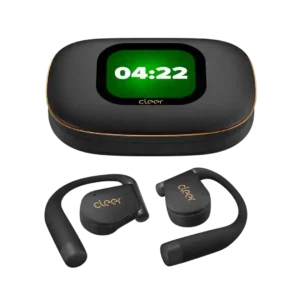
Codec support is unusually broad for the category, including premium Android-oriented options. Reviewers saw this as a major strength, though the open design may limit how much fidelity is realized...
Pros: Instrument separation, Multipoint connectivity reliability
Cons: Noise isolation (passive)
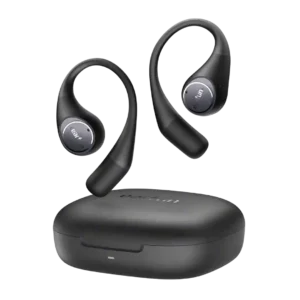
One reviewer strongly praised the overall codec and connectivity package as essentially complete.
Pros: Codec support, Water/sweat resistance rating
Cons: Noise isolation (passive), Design and Aesthetics
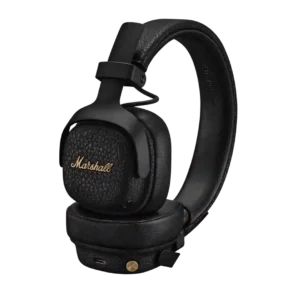
Codec coverage is unusually broad, including AAC, SBC, LC3, and LDAC for flexible use across devices.
Pros: Multipoint connectivity reliability, Codec support
Cons: aptX, Smart Pause performance

AAC, SBC, LDAC, and LC3 provide an unusually complete codec selection, although aptX is absent.
Pros: Microphone noise reduction, Multipoint connectivity reliability
Cons: Water/sweat resistance rating, Gaming performance
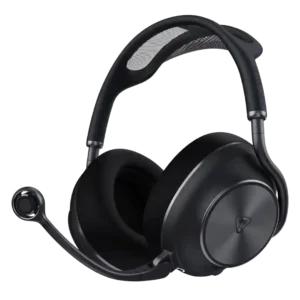
Support for modern Bluetooth codecs such as LC3+ and LDAC can deliver high-quality wireless streams on compatible devices, though availability varies by headset version.
Pros: Codec support, Packaging quality
Cons: Multipoint connectivity reliability, Replaceable ear plates
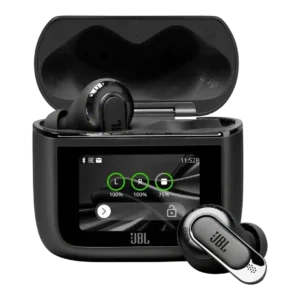
Codec support was praised for LDAC and high-resolution wireless options, especially by Android-focused reviewers.
Pros: Codec support, Dongle
Cons: Sound leakage, Find My
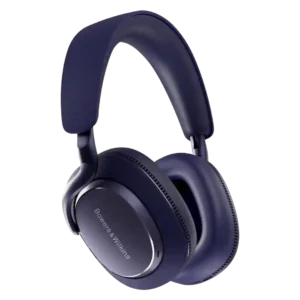
Codec support is viewed as ample and premium, with aptX Lossless and high-resolution options standing out.
Pros: Frequency response accuracy, Multipoint connectivity reliability
Cons: LDAC, Wear detection performance
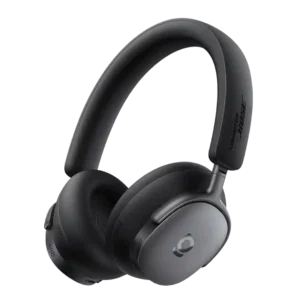
Codec support was praised mainly through LDAC/high-bitrate comments, with reviewers saying it improved sound quality and detail.
Pros: Maximum volume clarity, Headband adjustability
Cons: Cable quality, Smart Pause performance

Codec support is viewed as a strength, especially because the included dongle expands access to higher-quality aptX options.
Pros: Instrument separation, Charging
Cons: Xbox compatibility, Water/sweat resistance rating
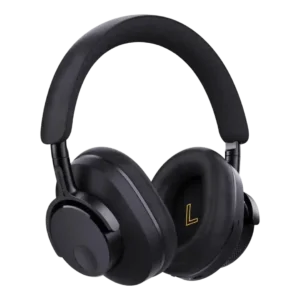
Codec support was praised as broad and high-end, centered on aptX Lossless and aptX Adaptive, though PCMag still preferred LDAC availability.
Pros: Award recognition, Battery
Cons: Water/sweat resistance rating, Touch control responsiveness
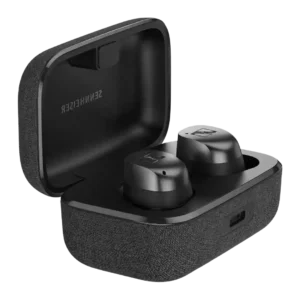
Codec support is treated as a premium strength, especially on Android, though benefits depend on compatible devices and settings.
Pros: Maximum volume clarity, Stability
Cons: Spatial audio, Microphone noise reduction
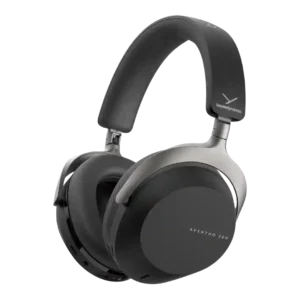
Codec support is widely praised for aptX Lossless, aptX Adaptive, AAC, and LE Audio options.
Pros: Battery, Volume output
Cons: Preset EQ profile quality, Weight comfort

Codec support was viewed positively, especially because LDAC and AAC were seen as strong inclusions for the price.
Pros: Award recognition, Audio-video sync accuracy
Cons: ANC sound impact on audio, ANC effect on sound signature
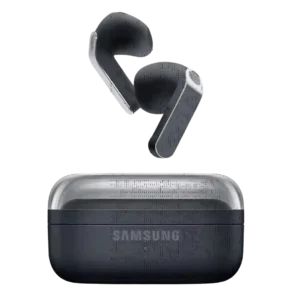
Samsung's SSC/UHQ codec support is one of the stronger ecosystem perks, delivering high-quality 24-bit/96kHz playback that reviewers say can make an audible difference.
Pros: Audio-video sync accuracy, Integrated microphone
Cons: Warranty and support service, Ear tip size options
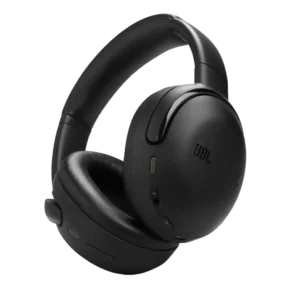
Codec support was viewed positively because reviewers noted LDAC, LC3, AAC, and SBC coverage as a useful or strong selection.
Pros: Immersive audio quality, ANC background noise level
Cons: Replaceable pads/headband, Replaceable earpads
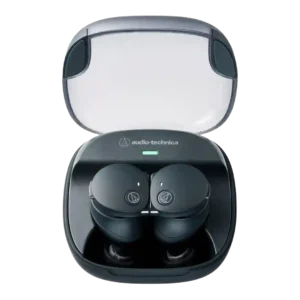
Codec support was praised as a strong spec highlight, especially around Bluetooth 5.2 and aptX Adaptive.
Pros: Battery, Software/setup simplicity
Cons: Sensors, Voice assistant integration
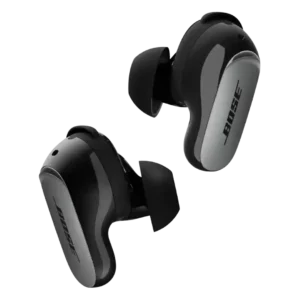
Codec support is praised as premium because the earbuds support high-quality Bluetooth codecs.
Pros: Active noise cancellation, Volume output
Cons: Preset EQ profile quality, Equalizer customization

Codec support is considered strong for the class because reviewers highlight Bluetooth 5.4 with SBC, AAC, and LDAC.
Pros: Weight comfort, Interchangeable left/right bud design
Cons: Smudge resistance, Voice assistant integration

Codec coverage is unusually complete for the price, with AAC, SBC, LDAC, LC3/LE Audio, and wired hi-res options covering quality and latency needs.
Pros: Maximum volume clarity, Charging
Cons: 3.5mm analog input availability, Cable quality
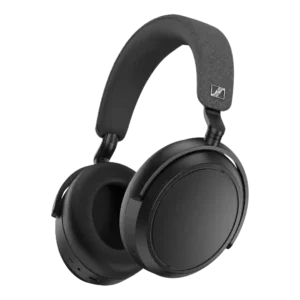
Codec support was praised as a strong, price-appropriate list, despite separate criticism elsewhere about missing LDAC and newer lossless Bluetooth options.
Pros: Award recognition, Battery
Cons: Water/sweat resistance rating, LDAC
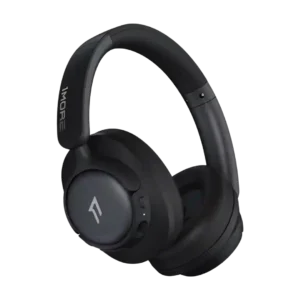
Codec support was praised mainly because LDAC appeared in such a low-priced headphone.
Pros: Battery, ANC sound impact on audio
Cons: 3.5mm analog input availability, Treble clarity
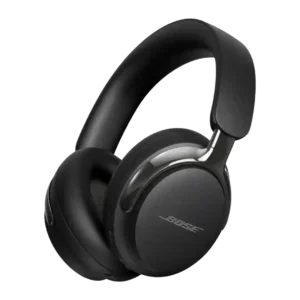
Codec support is viewed positively where aptX Adaptive/Snapdragon Sound support is relevant, especially for compatible Android devices.
Pros: Award recognition, ANC sound impact on audio
Cons: Water/sweat resistance rating, LE Audio readiness
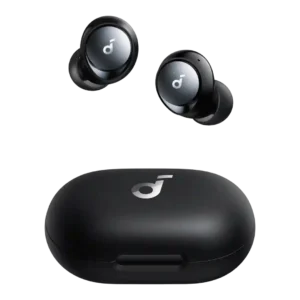
Codec support was viewed positively because LDAC joins AAC and SBC, though aptX was only factually absent and not scored.
Pros: Interchangeable left/right bud design, Multipoint connectivity reliability
Cons: Sensors, Hinge durability

Codec support is well regarded because reviewers value LDAC, LE Audio, LC3/LC3plus, and other higher-quality or future-facing options.
Pros: Instrument separation, Maximum volume clarity
Cons: Hinge durability, Carry case quality
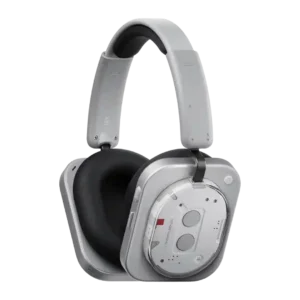
Codec support was treated positively, with SBC/AAC/LDAC and high-res support helping the value proposition.
Pros: Smart Pause performance, App
Cons: Wear detection performance, Wear detection auto-pause
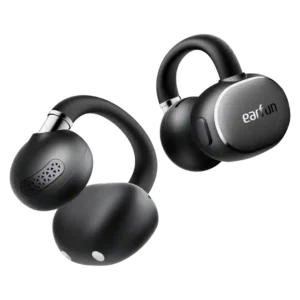
SBC, AAC, and LDAC provide unusually broad codec coverage for the price. One test did not identify AAC support, so iPhone codec behavior was not described consistently.
Pros: Weight comfort, Hinge durability
Cons: Active noise cancellation, Sensors
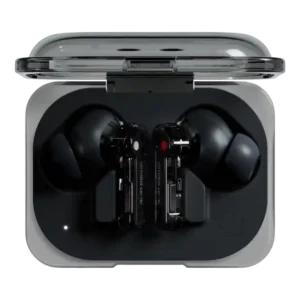
Codec support was praised mainly because LDAC and hi-res support are unusual and valuable at this price.
Pros: Design and Aesthetics, Software/setup simplicity
Cons: Voice assistant integration, Spatial audio
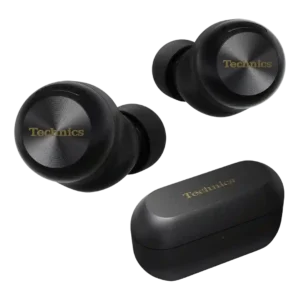
Codec support is praised for LDAC/LC3 breadth, but the absence of aptX is called a mild limitation.
Pros: Volume output, Maximum volume clarity
Cons: aptX, Auracast support

Codec support was viewed positively because of aptX/Lossless support, though reviewers noted practical limits by device.
Pros: Weight comfort, Ear cup swivel/rotation range
Cons: Cable quality, ANC sound impact on audio
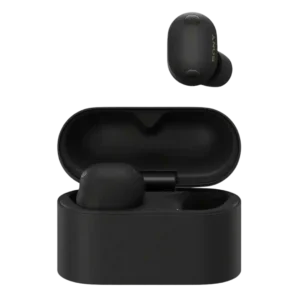
Codec support was praised as strong, especially LDAC and LC3, but much of the codec discussion was factual unless tied to high-fidelity listening or Android benefits.
Pros: Maximum volume clarity, Audio-video sync accuracy
Cons: Sidetone adjustment quality, Software/setup simplicity
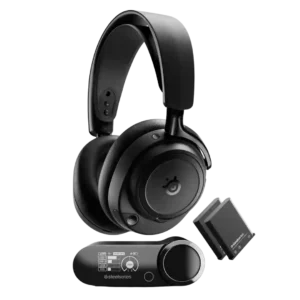
Codec support is viewed as robust thanks to LC3/LC3+ and hi-res wireless, though one reviewer wanted additional support such as aptX-like options.
Pros: Maximum volume clarity, Multipoint connectivity reliability
Cons: Portability/foldability, USB-C
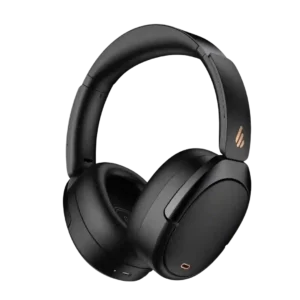
Codec support was valued for LDAC and hi-res audio, with the main caveat being limited benefit for iPhone users.
Pros: Instrument separation, USB-C
Cons: Button control usability, Maximum volume clarity

Codec support was praised in the context of high-spec audio files and LDAC availability at the price.
Pros: Smart Pause performance, Wear detection performance
Cons: Water/sweat resistance rating, Wind noise handling
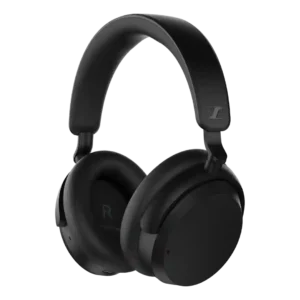
Codec support was generally viewed favorably thanks to AAC, aptX, and aptX HD, though codec-related limits remained for some users.
Pros: Audio-video sync accuracy, Software/setup simplicity
Cons: Water/sweat resistance rating, 3.5mm analog input availability
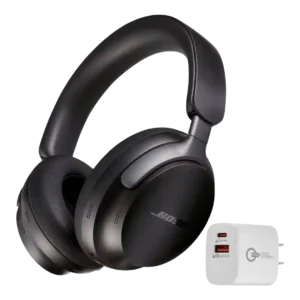
Reviewers were generally positive about codec support, though the supporting evidence sometimes included context or small caveats.
Pros: Volume output, Active noise cancellation
Cons: Water/sweat resistance rating, USB-C
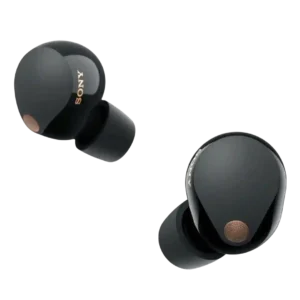
Codec support was viewed positively because AAC and LDAC are supported, though aptX absence remains a separate weakness.
Pros: Weight comfort, Noise isolation (passive)
Cons: aptX, Find My
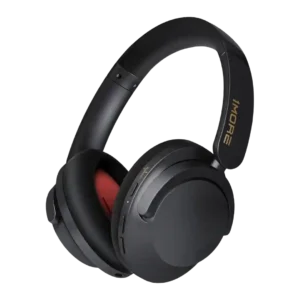
Codec support was viewed positively for LDAC/high-res capability, though the strongest codec comments focused on support rather than broad codec breadth.
Pros: Sound leakage, Battery
Cons: Sustainability and repairability, Auto on/off reliability
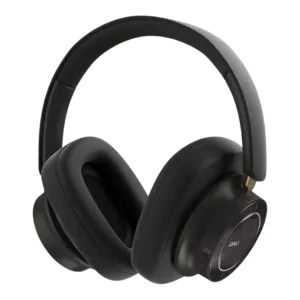
Codec support was framed as helpful for minimizing the compromises of wireless listening.
Pros: ANC effect on sound signature, Maximum volume clarity
Cons: Equalizer customization, Advanced software features
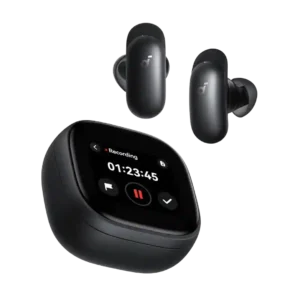
Codec support is broad enough for the price tier, with SBC, AAC, and LDAC covering both iPhone and Android use. The limitation is that higher-quality modes can conflict with multipoint...
Pros: Microphone noise reduction, Stability
Cons: Lossless audio support, Spatial audio
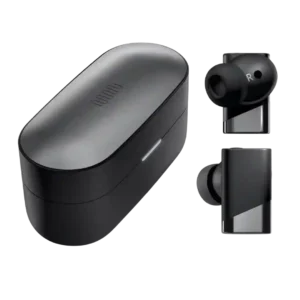
Codec support receives positive but limited evidence, mainly for the inclusion of newer wireless audio technologies.
Pros: Maximum volume clarity, Sound quality
Cons: Spatial audio, Software/setup simplicity

Codec support was only judged by SoundGuys, which highlighted LHDC as the high-quality option while noting iPhone users are capped at AAC.
Pros: Volume output, Weight comfort
Cons: Cable quality, Smudge resistance
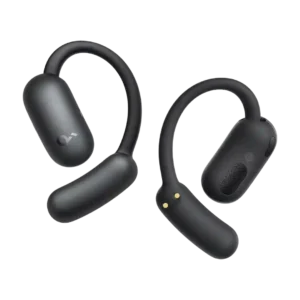
Codec support is generally positive because of LDAC and modern Bluetooth support, though one reviewer questioned how noticeable LDAC is in an open design.
Pros: Software/setup simplicity, AI translation
Cons: Noise isolation (passive), Spatial audio
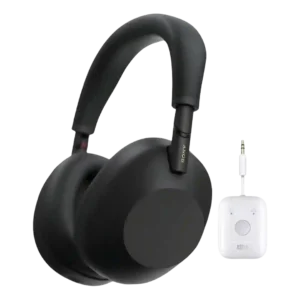
Codec support was mostly good thanks to LDAC, SBC, LC3, and AAC, but reviewers noted limits such as missing aptX and some LDAC stability concerns.
Pros: Smart Pause performance, Award recognition
Cons: Cable quality, USB-C
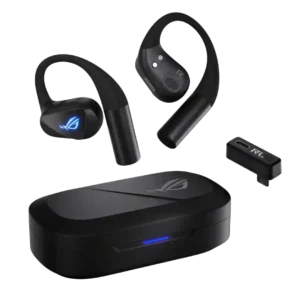
AAC and SBC are considered adequate for the gaming-focused use case, though one expert would have preferred higher-bandwidth codec options.
Pros: Transparency mode quality, Touch control responsiveness
Cons: Noise isolation (passive), Packaging condition

Codec support was treated as modern and useful, especially aptX Adaptive, but not uniquely exceptional at the price.
Pros: Audio-video sync accuracy, Clamping force comfort
Cons: Transparency mode quality, Sustainability and repairability
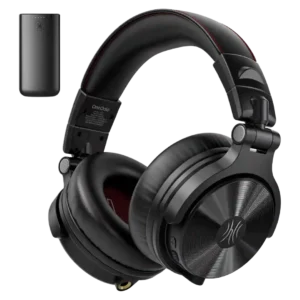
Codec support was useful thanks to LDAC and related options, but it came with tradeoffs around dual-device connectivity and mode limitations.
Pros: Battery, Detachable cable convenience
Cons: Active noise cancellation, Transparency mode quality
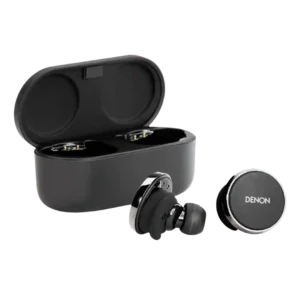
Codec support is a strength for compatible devices, but reviewers also note limitations with AAC, Snapdragon compatibility, and missing LDAC.
Pros: Audio-video sync accuracy, Multi-platform compatibility
Cons: LDAC, Weight comfort
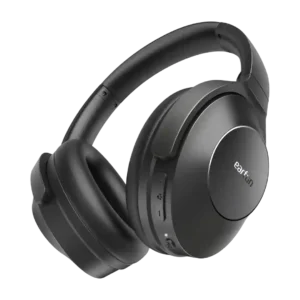
Codec support is mixed in the evidence, with one review criticizing missing high-fidelity codecs and another praising LDAC-related streaming quality.
Pros: Stability, Bluetooth
Cons: Smudge resistance, Smart Pause performance