Best for Equalizer customization
Sony 1000X The Collexion
5.0 feature score
Highest scored product for this feature based on supporting review evidence.
Highest scored product for this feature based on supporting review evidence.
Balances feature score, supporting reviews, and overall product strength.
Has the broadest review evidence for this feature.
Strongest overall product among items with scored evidence for this feature.
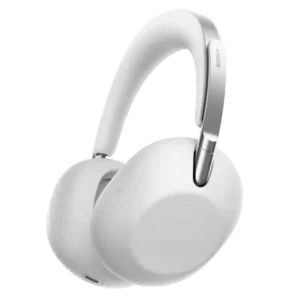
The 10-band custom EQ provides unusually fine control and can correct personal tuning preferences. Some listeners found the app essential for getting their ideal sound.
Pros: Microphone noise reduction, Multipoint connectivity reliability
Cons: Water/sweat resistance rating, Gaming performance
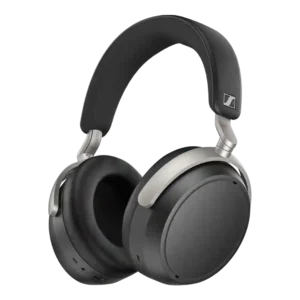
Parametric EQ is one of the strongest consensus features, repeatedly described as standout, powerful, class-leading, or among the best in the category.
Pros: Instrument separation, Charging
Cons: Xbox compatibility, Water/sweat resistance rating
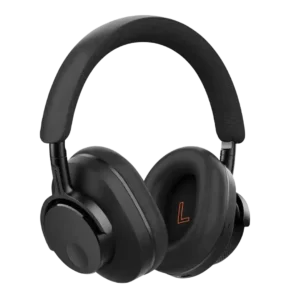
EQ customization is a major strength, with reviewers praising the seven-band EQ and how well the headphones respond to tuning.
Pros: Codec support, aptX
Cons: LDAC, Water/sweat resistance rating
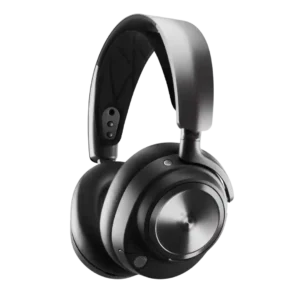
EQ customization is a standout strength, with reviewers praising granular Sonar controls, game/chat/mic adjustment, and profile flexibility.
Pros: Charging, Spatial audio
Cons: Hinge durability, Smudge resistance
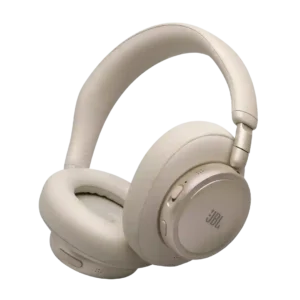
The app’s 10-band or semi-parametric EQ is unusually flexible, with custom curves, saved presets, and hearing-based personalization. That control matters because it can quickly tame the heavy default bass.
Pros: Maximum volume clarity, Charging
Cons: 3.5mm analog input availability, Cable quality
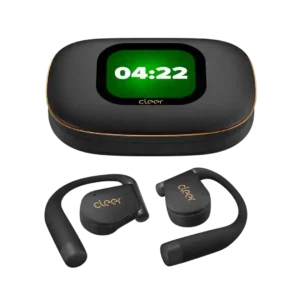
The app and case provide substantial EQ flexibility, including custom tuning and multiple bands. Reviewers liked the control, although the available band count is not class-leading.
Pros: Instrument separation, Multipoint connectivity reliability
Cons: Noise isolation (passive)
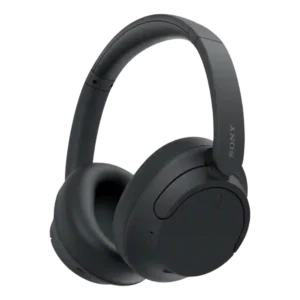
EQ customization was one of the strongest feature wins, repeatedly described as effective, useful, and capable of improving the sound.
Pros: Weight comfort, Charging
Cons: Water/sweat resistance rating, Wear detection performance
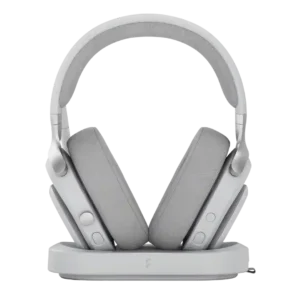
EQ customization was a standout strength thanks to parametric controls, stored profiles, and easy headset-side switching.
Pros: Spatial audio, Software/setup simplicity
Cons: Xbox compatibility, Sidetone adjustment quality
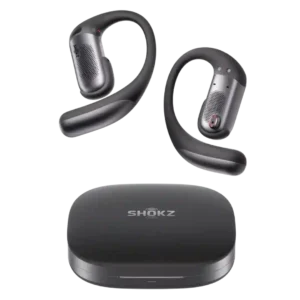
The 10-band EQ offers meaningful control and can noticeably improve the sound for different music and spoken content.
Pros: Voice assistant integration, Android compatibility
Cons: Maximum volume clarity, Packaging condition
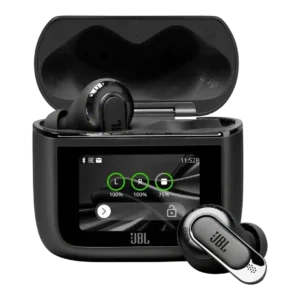
Equalizer customization was one of the most consistently praised features, often described as powerful, robust, or highly configurable.
Pros: Codec support, Dongle
Cons: Sound leakage, Find My
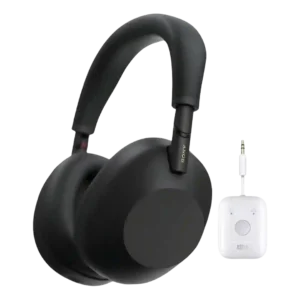
EQ customization was one of Sony's strongest feature advantages, with repeated praise for the 10-band EQ, guided EQ, and deep tuning control.
Pros: Smart Pause performance, Award recognition
Cons: Cable quality, USB-C
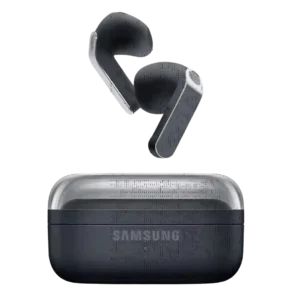
The 9-band custom EQ and multiple presets provide unusually broad tuning flexibility for the standard model. Reviewers consistently appreciate having meaningful sound adjustment without stepping up to the Pro.
Pros: Audio-video sync accuracy, Integrated microphone
Cons: Warranty and support service, Ear tip size options
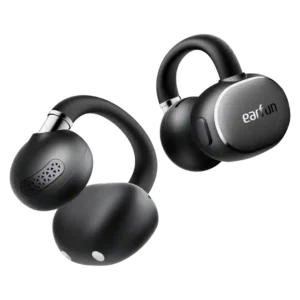
The 10-band EQ gives meaningful control and often fixes weak bass or sharp treble. A few testers found the personalized sound process finicky or the EQ behavior imprecise.
Pros: Weight comfort, Hinge durability
Cons: Active noise cancellation, Sensors
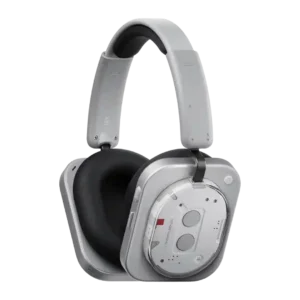
EQ customization was a standout feature, repeatedly described as powerful, granular, and sometimes essential for fixing the stock tuning.
Pros: Smart Pause performance, App
Cons: Wear detection performance, Wear detection auto-pause
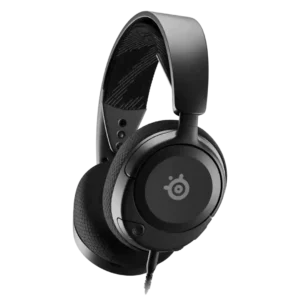
Equalizer customization is a major PC-side upside, with reviewers saying Sonar can significantly improve or personalize the sound.
Pros: Earpad replacement ease, Weight comfort
Cons: Sidetone adjustment quality, USB-C
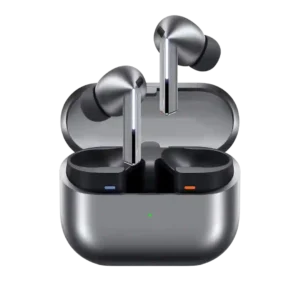
Equalizer customization was a standout strength, with reviewers repeatedly praising the 9-band EQ and the ability to tune sound globally.
Pros: Integrated microphone, Frequency response accuracy
Cons: LDAC, Ear tip size options
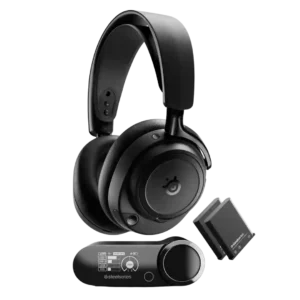
EQ customization is a major strength, with repeated praise for parametric EQ, per-source profiles, and on-the-fly tuning across app, hub, and PC software.
Pros: Maximum volume clarity, Multipoint connectivity reliability
Cons: Portability/foldability, USB-C
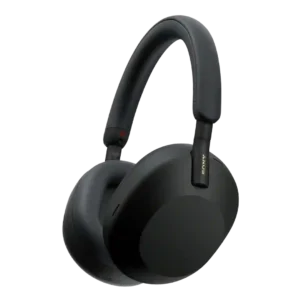
EQ customization was one of the most consistently praised features and often rescued or improved the sound signature.
Pros: Sound leakage, Noise isolation (passive)
Cons: Water/sweat resistance rating, Hinge durability
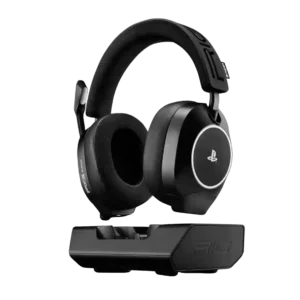
EQ customization was a strength, with reviewers appreciating simple controls, expert-band options, presets, and the ability to tune the sound.
Pros: Spatial audio, Positional audio accuracy
Cons: Carry case quality, Detachable microphone convenience
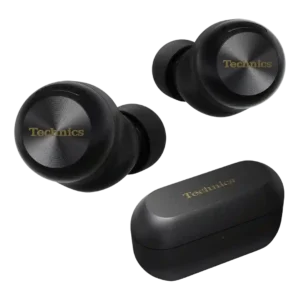
EQ customization is a clear strength, with many reviewers praising the eight-band control and meaningful tuning options.
Pros: Volume output, Maximum volume clarity
Cons: aptX, Auracast support
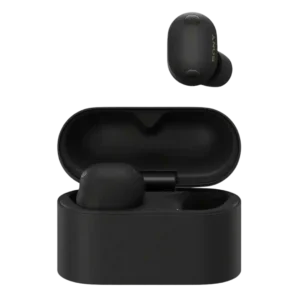
EQ customization was a major strength, with reviewers praising the 10-band EQ, presets, and Sony’s guided EQ wizard for personalizing sound.
Pros: Maximum volume clarity, Audio-video sync accuracy
Cons: Sidetone adjustment quality, Software/setup simplicity
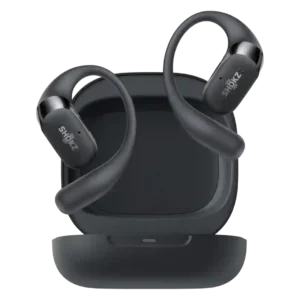
Equalizer customization is a plus for reviewers who want to fine-tune sound, with praise for custom EQ options and sound/control tuning.
Pros: Microphone noise reduction, Bluetooth
Cons: Active noise cancellation, Codec support
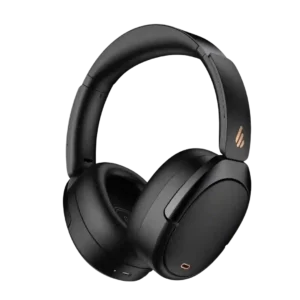
EQ customization was praised for letting listeners reshape the sound to their preferences.
Pros: Instrument separation, USB-C
Cons: Button control usability, Maximum volume clarity
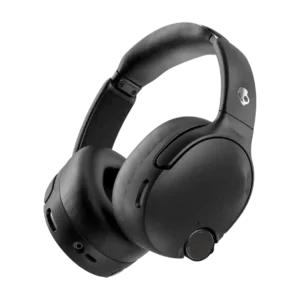
A customizable five-band EQ gives more control than many competing apps. Reviewers liked being able to combine custom tuning with Crusher bass, personal sound, and spatial modes.
Pros: Treble clarity, Instrument separation
Cons: Codec support, Headband adjustability
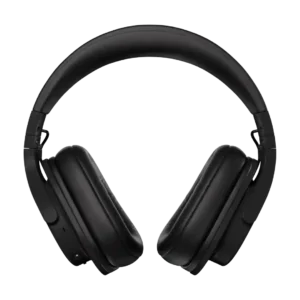
EQ customization was useful because the reviewer could create custom presets after factory presets missed the desired tuning.
Pros: Audio-video sync accuracy, Clamping force comfort
Cons: Transparency mode quality, Sustainability and repairability
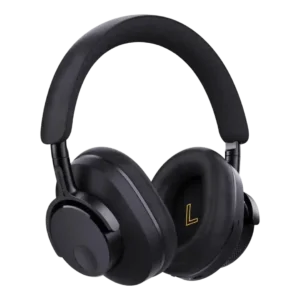
EQ customization was one of the clearest software strengths, with reviewers praising the seven-band EQ and how well the sound responds to tuning.
Pros: Award recognition, Battery
Cons: Water/sweat resistance rating, Touch control responsiveness
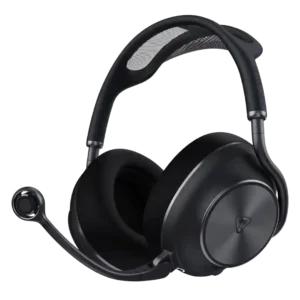
The onboard-saving 10-band EQ can tame the strong bass and treble or create game-specific profiles. It is effective, though some reviewers want finer bands, more presets, or a truly neutral...
Pros: Codec support, Packaging quality
Cons: Multipoint connectivity reliability, Replaceable ear plates
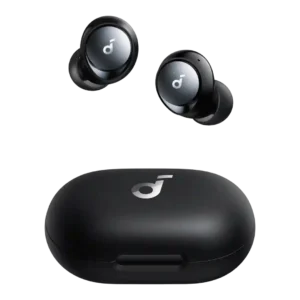
EQ customization was a standout strength thanks to many presets, custom EQ, HearID, and frequent praise for tuning flexibility.
Pros: Interchangeable left/right bud design, Multipoint connectivity reliability
Cons: Sensors, Hinge durability

Equalizer customization was a major advantage, with reviewers frequently using custom EQ or the app's 8-band controls to improve sound.
Pros: Android compatibility, Software/setup simplicity
Cons: Active noise cancellation, Noise isolation (passive)
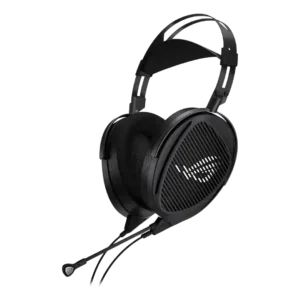
Although there is no dedicated app, the planar drivers respond extremely well to external EQ. Small bass adjustments can add substantial low-end weight without obvious distortion.
Pros: Maximum volume clarity, Frequency response accuracy
Cons: Active noise cancellation, Bluetooth
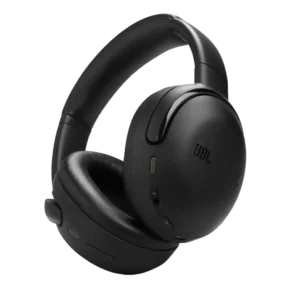
EQ customization was a major strength, with reviewers praising the flexible 10- or 12-band EQ and the ability to noticeably improve the sound.
Pros: Immersive audio quality, ANC background noise level
Cons: Replaceable pads/headband, Replaceable earpads
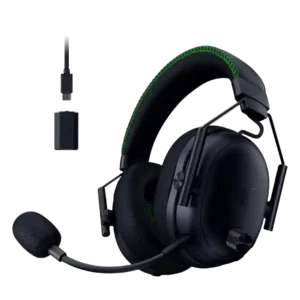
EQ customization was a major strength, with reviewers praising onboard EQ, 10-band controls, Synapse depth, and game-specific tuning flexibility.
Pros: Audio-video sync accuracy, Multi-platform compatibility
Cons: Cable quality, Preset EQ profile quality
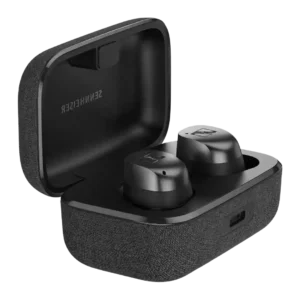
EQ and sound personalization are considered useful and often effective, but one reviewer found the built-in five-band EQ limiting.
Pros: Maximum volume clarity, Stability
Cons: Spatial audio, Microphone noise reduction
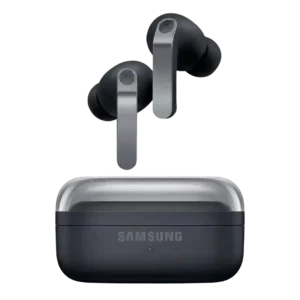
Equalizer customization was praised for giving users strong control over the sound and for rescuing or tailoring the tuning.
Pros: Volume output, Comfort during long use
Cons: aptX, LDAC
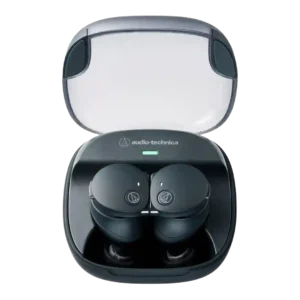
EQ customization was one of the strongest software features, with reviewers praising the ability to tune sound and create more personalized profiles.
Pros: Battery, Software/setup simplicity
Cons: Sensors, Voice assistant integration

EQ customization was a clear positive, giving reviewers useful tools to tame bass, adjust presets and personalize sound.
Pros: Volume output, Weight comfort
Cons: Cable quality, Smudge resistance
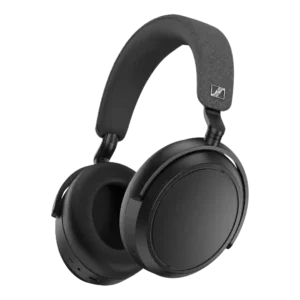
EQ customization was a strength, with reviewers praising useful app EQ, many options, and accurate frequency adjustment.
Pros: Award recognition, Battery
Cons: Water/sweat resistance rating, LDAC
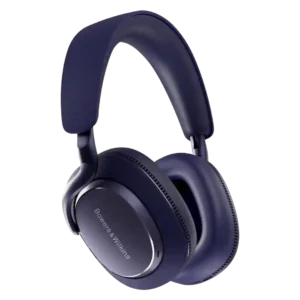
The 5-band EQ is widely welcomed as a big upgrade, though some reviewers still find it limited versus deeper EQ systems.
Pros: Frequency response accuracy, Multipoint connectivity reliability
Cons: LDAC, Wear detection performance
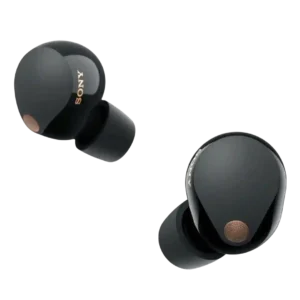
EQ customization was strongly praised for useful tuning control, even when reviewers noted it was not as advanced as parametric systems.
Pros: Weight comfort, Noise isolation (passive)
Cons: aptX, Find My
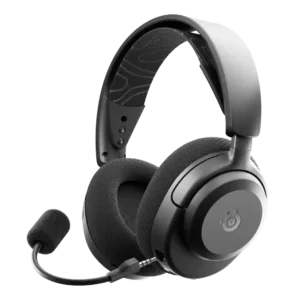
EQ customization was a strength overall, especially on PC and mobile, although some mobile implementations lacked a true custom equalizer.
Pros: Charging, Weight comfort
Cons: Sound leakage, Cable quality
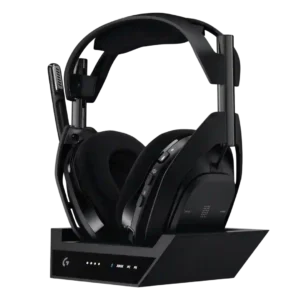
EQ customization is a major strength, with 10-band and parametric controls, saved profiles, and mobile/PC adjustment; one reviewer found improvements limited.
Pros: Positional audio accuracy, Soundstage width
Cons: Active noise cancellation, Hinge durability

EQ customization was a major strength, with reviewers praising the broad EQ, HearID personalization and ability to tune sound.
Pros: Smart Pause performance, Wear detection performance
Cons: Water/sweat resistance rating, Wind noise handling
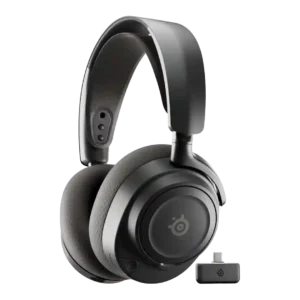
EQ customization was powerful, especially desktop parametric EQ and saved profiles, but mobile custom EQ limitations were a recurring caveat.
Pros: Connectivity versatility, Multi-platform compatibility
Cons: Transparency mode quality, Active noise cancellation
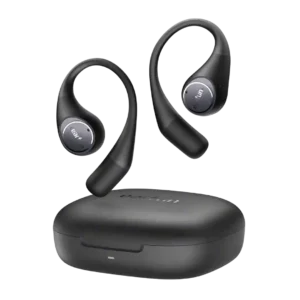
EQ customization was widely praised, especially the app’s presets, manual EQ, and personalized sound profile, despite a few usability caveats.
Pros: Codec support, Water/sweat resistance rating
Cons: Noise isolation (passive), Design and Aesthetics
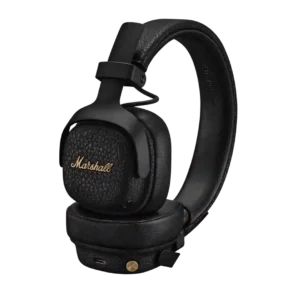
The five-band EQ is effective at taming excess bass, recessed mids, or bright treble. Fine-tuning is useful, though the missing reset and zero markers make experimentation less convenient.
Pros: Multipoint connectivity reliability, Codec support
Cons: aptX, Smart Pause performance
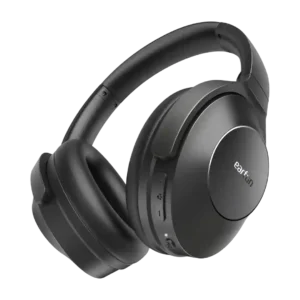
EQ customization is a clear strength, repeatedly described as powerful, tunable, and capable of improving the sound.
Pros: Stability, Bluetooth
Cons: Smudge resistance, Smart Pause performance
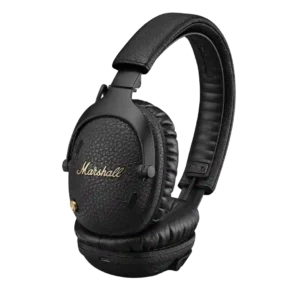
EQ customization was broadly useful and responsive, though one reviewer wanted more precision than the five-band setup provides.
Pros: Volume output, Multipoint connectivity reliability
Cons: Water/sweat resistance rating, Codec support
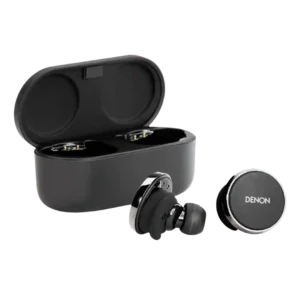
EQ customization is useful and often praised, especially ProEQ and immersion controls, though one reviewer wanted more targeted frequency bands.
Pros: Audio-video sync accuracy, Multi-platform compatibility
Cons: LDAC, Weight comfort
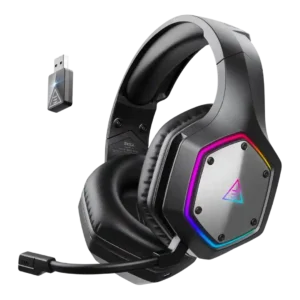
EQ customization was praised where available, especially for adjusting game, music, bass, and treble profiles.
Pros: Audio-video sync accuracy, Wireless latency
Cons: Midrange clarity, Ear cup swivel/rotation range
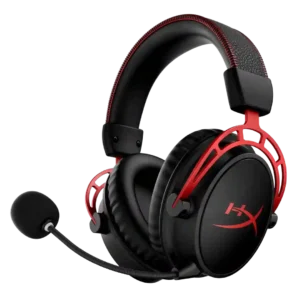
EQ customization is useful when available, especially on wireless models, and reviewers value the ability to create or tweak profiles.
Pros: Maximum volume clarity, Earpad replacement ease
Cons: Bluetooth, Xbox compatibility