
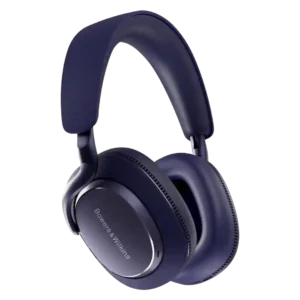
Review: Bowers & Wilkins PX7 S3 Headphones
Updated: 1 month ago
4.2
Based on methodology below
395
Insights analyzed
50
Grouped by key features
18
From expert reviews
Scores below reflect consolidated expert coverage across these features.
Bottom Line
Choose the PX7 S3 for class-leading sound and premium comfort with strong-enough ANC; Skip if you want Sony/Bose-level noise canceling or a lighter, cooler-fit headset for long flights.
Best for
Listeners who want top-tier wireless sound under the flagship price ceiling, plus premium materials, strong codec support, and smooth phone-and-laptop switching for daily commuting and desk work.
Not for
Buyers who prioritize absolute best-in-class ANC, the lightest travel fit, or LDAC support; also anyone who insists on fully passive wired playback when the battery is dead.
Verdict
The PX7 S3 is a rare mainstream ANC headphone that prioritizes hi-fi tuning without sacrificing everyday usability. Reviews consistently praise its rich, controlled bass, clear treble, and strong instrument separation, backed by a luxurious build and an excellent hard case. The tradeoff is that noise canceling, while improved and genuinely effective for commuting, still falls short of the absolute best from Sony and Bose and can be susceptible to wind. Comfort is usually a highlight, but clamp, heat, or fit variability may bother some listeners, especially with glasses. If sound quality and premium feel matter more than maxed-out ANC modes and ultra-light travel comfort, it is a standout in its price tier.
Pros
-
4.8based on 14 reviewsaptX: 4.8, based on 14 reviewsaptX support is repeatedly highlighted, including higher-end variants such as Adaptive and Lossless, making it particularly attractive for compatible Android and Snapdragon Sound devices.
-
4.7based on 16 reviewsCodec support: 4.7, based on 16 reviewsCodec support is a major strength, with broad compatibility (including aptX variants) plus wired USB-C audio options. Several reviews also mention upcoming firmware features like LE Audio, Auracast, and spatial audio depending on region and timing.
-
4.7based on 7 reviewsMultipoint connectivity reliability: 4.7, based on 7 reviewsMultipoint is frequently praised as quick and seamless, with fast take-over when switching between phone and computer playback.
-
4.7based on 4 reviewsVolume output: 4.7, based on 4 reviewsVolume output is strong, with several comparisons calling it louder than key competitors at the same device volume settings.
-
4.7based on 2 reviewsAndroid compatibility: 4.7, based on 2 reviewsAndroid compatibility is strong, especially thanks to codec breadth and aptX options. Several reviews contrast this with iOS being limited to AAC.
-
4.6based on 3 reviewsMaximum volume clarity: 4.6, based on 3 reviewsEven at higher volumes, the presentation stays largely clean and controlled, with low distortion noted in multiple reviews. The main caveat is that bass and treble emphasis can become more prominent if you listen loud.
-
4.6based on 16 reviewsBuild quality: 4.6, based on 16 reviewsBuild quality is consistently described as top-tier for the price, with premium materials, refined finish, and sturdy mechanisms.
-
4.6based on 14 reviewsDesign and Aesthetics: 4.6, based on 14 reviewsDesign is frequently praised as sleek, understated, and premium, with a slimmer profile than prior generations and strong pride-of-ownership appeal.
-
4.6based on 2 reviewsAudio-video sync accuracy: 4.6, based on 2 reviewsReviewers generally report good sync for video use, with latency described as not an issue for typical phone or laptop watching.
-
4.6based on 1 reviewHinge durability: 4.6, based on 1 reviewArms and hinge mechanisms are described as sturdy, with premium-feeling movement and good resistance. Long-term durability is generally expected to be strong based on materials.
-
4.6based on 12 reviewsCharging: 4.6, based on 12 reviewsFast charging is a standout, with many references to short top-ups delivering multiple hours of playback.
-
4.6based on 18 reviewsSound quality: 4.6, based on 18 reviewsAcross reviews, the PX7 S3 is praised as one of the best-sounding wireless ANC over-ears in its price range, with an engaging, high-end presentation. A minority note the tuning can feel unconventional until you EQ it. Wired listening via USB-C is supported and often described as clearer or more detailed than Bluetooth, though some reviewers hear only modest gains. A few notes mention wired operation may require power and can be finicky depending on source and cable.
-
4.6based on 9 reviewsUSB-C: 4.6, based on 9 reviewsUSB-C implementation is strong, covering charging and audio, and enabling high-resolution wired playback with compatible sources.
-
4.5based on 12 reviewsInstrument separation: 4.5, based on 12 reviewsInstrument separation and layering are a standout, with reviewers repeatedly noting strong clarity in busy mixes and easy-to-track placement of vocals and instruments.
-
4.5based on 7 reviewsBluetooth: 4.5, based on 7 reviewsBluetooth performance is described as stable and reliable in most reviews, including in congested environments. A small number of users report occasional skipping or hiccups, suggesting rare environment or device-specific issues.
-
4.5based on 1 reviewEar cup swivel/rotation range: 4.5, based on 1 reviewSwivel and rotation range are frequently noted as generous, helping the cups seal and sit flatter against the head for comfort and stability.
-
4.5based on 15 reviewsBass performance: 4.5, based on 15 reviewsBass is consistently described as impactful and controlled rather than boomy, with strong definition. Some listeners find it bass-forward at higher volumes, while others want a bit more sub-bass weight.
-
4.5based on 10 reviewsCarry case quality: 4.5, based on 10 reviewsThe hard case is repeatedly called excellent, with premium materials, good protection, and a useful magnetic compartment for cables.
-
4.5based on 13 reviewsTreble clarity: 4.5, based on 13 reviewsTreble is widely called airy and detailed with good sparkle. At louder listening levels, a few reviews mention sibilance or sharpness, so treble-sensitive listeners may prefer a mild EQ cut.
-
4.4based on 2 reviewsIncluded accessories: 4.4, based on 2 reviewsIncluded accessories are viewed as generous for the segment, typically including a premium case and multiple cables for charging and wired playback.
-
4.4based on 1 reviewHeadband adjustability: 4.4, based on 1 reviewHeadband adjustment is smooth and easy to dial in, and padding is generally praised. Some users note mild top-of-head pressure depending on head shape and fit.
-
4.3based on 10 reviewsEar cup padding quality: 4.3, based on 10 reviewsEarpads are usually described as plush and premium with good sealing. A few reviews suggest padding feels slightly less supportive than prior models and can get warm over time.
-
4.3based on 17 reviewsComfort during long use: 4.3, based on 17 reviewsComfort is a consistent highlight, with many reviewers wearing them for hours without fatigue. However, some report firm clamp, earcup heat, or fit variability, especially for glasses wearers or outdoor use.
-
4.3based on 15 reviewsBattery: 4.3, based on 15 reviewsBattery life is consistently cited around 30 hours with ANC on, which is solid but not a class leader versus marathon models. Real-world tests generally align with the rating. Multiple reviews note the battery is not user-replaceable, which limits long-term serviceability compared to fully repair-friendly designs.
-
4.3based on 1 reviewCable quality: 4.3, based on 1 reviewIncluded cables (USB-C to USB-C and USB-C to 3.5mm) are generally seen as premium and practical. A couple of reviewers suggest buying longer cables for desk or airplane use.
-
4.3based on 9 reviewsSoundstage width: 4.3, based on 9 reviewsSoundstage is described as spacious and well-layered for a closed-back ANC headphone, though not the widest in class. Several reviews frame it as more focused or intimate than some rivals, with strong depth and imaging.
-
4.3based on 7 reviewsSoftware/setup simplicity: 4.3, based on 7 reviewsSetup is generally easy, with quick pairing and a straightforward app experience. Firmware updates and feature rollouts are occasionally cited as timing-dependent.
-
4.2based on 12 reviewsMidrange clarity: 4.2, based on 12 reviewsMidrange is generally clean and detailed, but multiple reviewers describe it as slightly recessed in the stock tuning; EQ can bring vocals forward. Others highlight the mids as a core strength for clarity and realism.
-
4.2based on 12 reviewsTransparency mode quality: 4.2, based on 12 reviewsTransparency mode is often called natural and usable for announcements and quick conversations. Several comparisons say it is not the most open or bright in class, with some upper-frequency muffling.
-
4.2based on 5 reviewsButton control usability: 4.2, based on 5 reviewsPhysical buttons are a plus for many, with tactile, clicky controls that work with gloves. A few reviews call the buttons small or the control layout limited compared to feature-heavy rivals.
-
4.2based on 1 reviewNoise isolation (passive): 4.2, based on 1 reviewPassive isolation benefits from an easy-to-achieve seal and helps overall noise reduction. A few notes suggest fit, glasses, or positioning can change results noticeably.
-
4.2based on 4 reviewsDetachable cable convenience: 4.2, based on 4 reviewsDetachable cables and USB-C audio add flexibility for laptops and in-flight systems, even without a native 3.5mm jack on the earcup. Most reviews note the headphones typically need to be powered on for wired listening.
-
4.1based on 5 reviewsSensors: 4.1, based on 5 reviewsWear-detect and related sensors are commonly mentioned, with adjustability in the app and improved reliability versus older generations in some reports.
-
4.1based on 3 reviewsReplaceable earpads: 4.1, based on 3 reviewsReplaceable earpads are a notable plus for longevity, though some reviewers note replacement may require service or specific procedures.
-
4.1based on 10 reviewsMicrophone quality for calls: 4.1, based on 10 reviewsCall quality is generally solid, with clear voice pickup and good intelligibility. In very noisy or windy conditions, some tests report the voice can sound a bit muffled or less natural than top performers like Sony or AirPods Max.
-
4.1based on 5 reviewsSustainability materials: 4.1, based on 5 reviewsMaterials and serviceable parts (like pads and headband components) are positioned as more sustainable than fully disposable designs. Some reviews also emphasize vegan or leatherette options and longer-term repairability.
-
4.1based on 17 reviewsActive noise cancellation: 4.1, based on 17 reviewsANC is repeatedly described as a meaningful improvement for B&W and effective for commuting and travel, but many reviews still place it behind Sony and Bose at the top end. Wind and higher-frequency voices can be weak spots in some scenarios. ANC mode control is straightforward (on, off, pass-through) and can be mapped to a quick-action button in some setups. Reviewers note fewer adjustment options than Sony-style multi-mode systems.
-
4.0based on 7 reviewsFrequency response accuracy: 4.0, based on 7 reviewsTonal balance is described as neutral-with-warmth by several outlets, while others report noticeable swings and a more consumer-friendly curve. Overall, it is closer to balanced than purely V-shaped, but not a strict reference-flat tuning.
-
4.0based on 11 reviewsClamping force comfort: 4.0, based on 11 reviewsClamp is commonly described as moderate-to-firm, helping stability when walking. For some heads it can create pressure points, while others find it secure and comfortable after break-in.
-
4.0based on 7 reviewsMicrophone noise reduction: 4.0, based on 7 reviewsNoise reduction on calls is effective at suppressing background noise, especially wind and street ambience in some demos. The tradeoff is occasional aggressive gating that can alter vocal tone.
-
4.0based on 15 reviewsApp: 4.0, based on 15 reviewsThe companion app is generally considered clean and functional, offering key controls and some ecosystem integration. Multiple reviewers still call it simpler than Sony-style apps and note missing power-user features.
-
3.9based on 14 reviewsEqualizer customization: 3.9, based on 14 reviewsThe 5-band EQ is widely welcomed as a major improvement over earlier B&W EQ options and is enough to correct stock tuning. Several reviews still consider it limited versus more granular 10-band systems.
-
3.9based on 1 reviewWeight comfort: 3.9, based on 1 reviewAt roughly 300g, weight is acceptable for the materials and feels lighter than some heavy flagships, but heavier than the lightest Sony/Bose options. A few reviewers notice shifting while moving.
Cons
-
3.4based on 1 reviewPreset EQ profile quality: 3.4, based on 1 reviewTrue Sound and other presets are appreciated for a quick, consistent baseline, but reviewers note the preset lineup is not extensive and serious tuning relies on the manual EQ.
-
3.3based on 8 reviewsPortability/foldability: 3.3, based on 8 reviewsPortability is mixed: the headphones lie flat and the case is slimmer than before, but they do not fully fold and can take more bag space than foldable rivals.
-
2.7based on 7 reviewsSpatial audio: 2.7, based on 7 reviewsSpatial audio is mentioned as a planned or coming-soon feature in several reviews, but availability at launch is inconsistent. In current form, it is not a primary reason to buy.
-
1.8based on 2 reviewsLDAC: 1.8, based on 2 reviewsMultiple reviews point out LDAC is not supported, so LDAC-first Android users may need to choose a different model or use wired playback.
FAQ
Is the PX7 S3 noise canceling as good as Sony or Bose flagships?
It is broadly considered very good and a big step up for B&W, but most reviews still rank Sony and Bose a notch higher for maximum isolation, especially in tougher high-frequency or windy situations.
Does it support aptX Lossless?
Yes, multiple reviews note support for aptX variants including Lossless/Adaptive/HD, which is most useful with compatible Android and Snapdragon Sound devices.
Does it support LDAC?
No. Several reviewers explicitly call out the lack of LDAC, so LDAC-first Android users should factor that in.
Can you listen wired?
Yes. It supports USB-C audio and usually includes USB-C and USB-C to 3.5mm cables. Some reviews note wired mode can sound a bit clearer, but it may require the headphones to be powered on.
Is it comfortable for long sessions?
Most reviewers find it very comfortable with plush pads and a stable seal, but clamp and heat can be noticeable for some head shapes or glasses wearers.
Reviews we analyzed
Video Reviews



Article Reviews



Best Over-Ear Headphones
#1
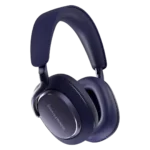
4.2
Choose the PX7 S3 for class-leading sound and premium comfort with strong-enough ANC; Skip if you want Sony/Bose-level noise canceling or a lighter,...
Pros: aptX, Multipoint connectivity reliability, Codec support, Volume output, Android compatibility, Maximum volume clarity, Design and Aesthetics
Cons: Replaceable battery, LDAC, Spatial audio, Portability/foldability, Preset EQ profile quality
#2
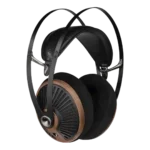
4.2
Choose the Meze 105 Silva for gorgeous, comfy open-back listening with strong imaging and a warm-yet-detailed tuning; Skip if you need isolation for...
Pros: Sustainability materials, Replaceable earpads, Design and Aesthetics, Headband adjustability, Hinge durability, Build quality, Volume output
Cons: Noise isolation (passive), Portability/foldability
#3
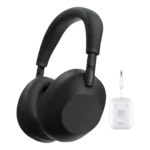
4.1
Choose the WH-1000XM6 if you want top-tier noise canceling with rich, tunable sound in a travel-friendly foldable case. Skip if you need wired...
Pros: Active noise cancellation effectiveness, Weight comfort, Carry case quality, Microphone noise reduction, USB-C, Charging, LDAC
Cons: Water/sweat resistance rating, Replaceable battery, aptX, Cable quality, Smudge resistance, Included accessories
#4
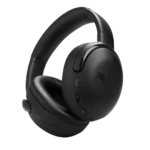
4.1
Choose these for travel-first flexibility, long battery life, and very strong ANC. Skip them if you want the most premium feel or perfectly...
Pros: Battery, Connectivity options, Included accessories, Features at launch, ANC background noise level, Instrument separation, Equalizer customization
Cons: Water/sweat resistance rating, Replaceable earpads, Maximum volume clarity, Smart Pause performance, Premium feel, Preset EQ profile quality, ANC effect on sound signature