If you want better reliability
Choose Polar Grit X Pro. It scores 4.6 vs 2.0 for reliability, with a 3.6 overall score.
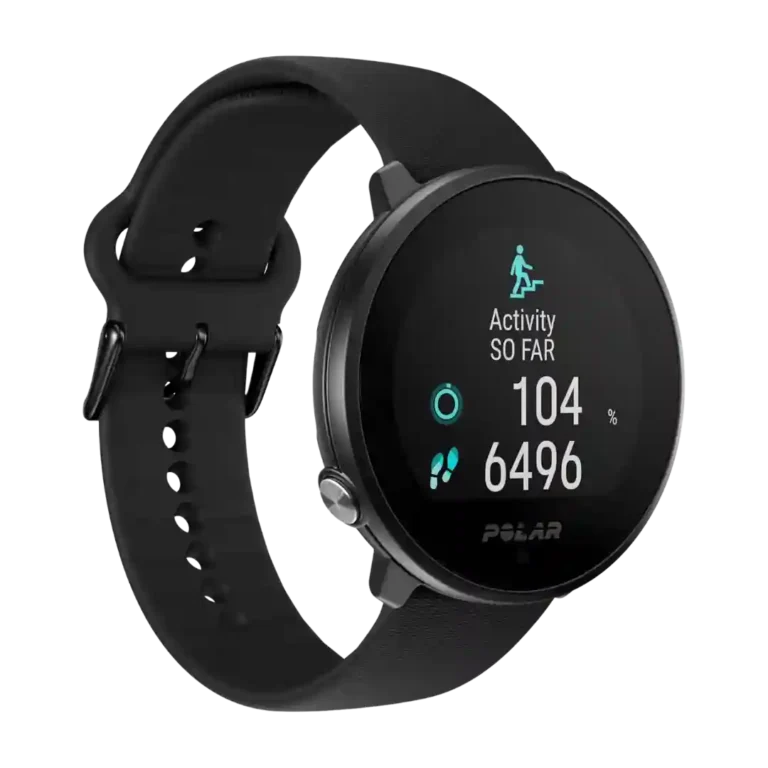
Choose the Polar Unite for beginner-friendly coaching, comfort, Polar Flow, and sleep/recovery insights. Skip it if you need built-in GPS, strong smartwatch features, fast touch response, or highly dependable outdoor distance tracking.
Best for beginners, indoor fitness users, and casual exercisers who want comfort, FitSpark coaching, Polar Flow, and detailed sleep/recovery insights without needing phone-free GPS.
Not for runners who need reliable built-in GPS, buyers who want app-store smartwatch features, or anyone sensitive to laggy touchscreens and proprietary charging dongles.
Across the reviews, the Polar Unite lands as a focused beginner fitness watch rather than a full smartwatch or runner’s watch. Its best evidence is comfort, broad sport modes, FitSpark coaching, Polar Flow, and unusually rich sleep/recovery context for the price. The tradeoff is clear: Polar removed built-in GPS and broader smartwatch conveniences, so outdoor distance depends on a phone and reviewers reported mixed GPS, laggy touch response, and a polarizing charger. Heart-rate tracking is generally usable and sometimes very good, but not flawless. The result is a watch with strong health-and-training guidance for casual or indoor-focused users, yet a weaker fit for runners or buyers expecting payments, apps, music, calls, or phone-free tracking.
Compared with other Smartwatches, this product is above average in app ecosystem, companion app quality, operating system experience, near average in value for money, display quality, below average in call handling, music controls, Bluetooth connectivity.
| Attribute | This product | Category average | Difference |
|---|---|---|---|
| call handling | 1.0 | 3.3 | -2.3 |
| music controls | 1.5 | 3.5 | -2.1 |
| Bluetooth connectivity | 1.8 | 3.7 | -2.0 |
| mapping and navigation | 1.5 | 3.5 | -2.0 |
| touchscreen responsiveness | 2.2 | 4.0 | -1.8 |
| third-party app support | 1.3 | 3.2 | -1.9 |
| onboard music storage | 1.0 | 2.9 | -1.9 |
| contactless payments | 1.0 | 2.8 | -1.8 |
Choose Polar Grit X Pro. It scores 4.6 vs 2.0 for reliability, with a 3.6 overall score.
Choose Suunto Race S. It scores 4.6 vs 2.6 for GPS accuracy, with a 3.9 overall score.
Choose Amazfit Bip 6. It scores 4.7 vs 3.6 for value for money, with a 3.7 overall score.
Choose Suunto Race 2. It scores 4.6 vs 2.5 for charging convenience, with a 4.0 overall score.
Products reviewers directly compared with this model, grouped into quick takeaways.
Yes. Reviewers repeatedly praised FitSpark, guided workouts, broad sport modes, and simple fitness guidance as especially helpful for beginners or people returning to exercise.
No. Reviewers consistently describe it as relying on connected GPS from a phone, which is the main tradeoff for its lower price.
It depends on the phone and connection. Some reviewers found connected GPS acceptable, while others reported overreported distances, dropped GPS connectivity, and inconsistent pace.
Sleep and recovery insights are among the strongest positives, with reviewers praising Nightly Recharge and detailed sleep data. Accuracy was not unanimous, though, with some reviewers finding sleep scoring or stages off.
No. The evidence points to basic notifications, but reviewers repeatedly noted missing apps, music, calls, contactless payments, and broader smartwatch tools.
Reviewer results varied from about two to five days. The most common pattern was around three to four days, depending on workout tracking and general use.
These are a few of the reviews included in our analysis.

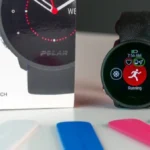
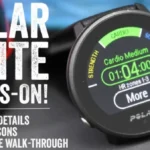
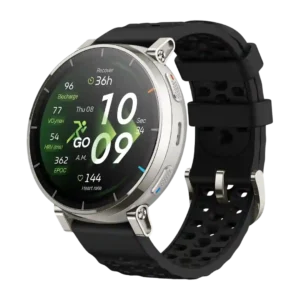
Good if you want premium running features, long battery life, and maps for under $200. Skip it if you need flawless heart-rate data, multiband GPS, LTE, or richer app support.
Pros: pairing reliability, brightness
Cons: Wi-Fi connectivity, Bluetooth connectivity
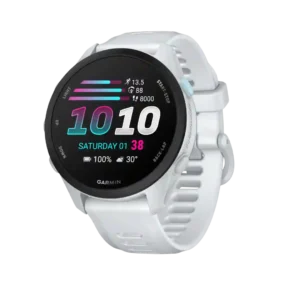
Best for accurate running metrics, excellent coaching tools, a bright AMOLED display, and dependable battery life. Skip it if you need offline maps, music storage, contactless payments, multi-band GPS, or...
Pros: step counting accuracy, app ecosystem
Cons: Bluetooth connectivity, pairing reliability
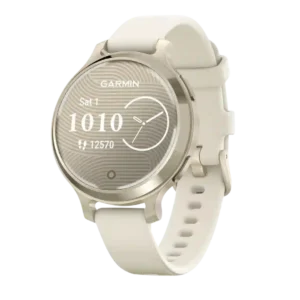
Good if you want a compact, stylish Garmin with strong GPS, comfort, and week-plus battery life. Skip it if you need richer smartwatch apps, onboard music, bright always-on display, or...
Pros: health tracking accuracy, blood oxygen tracking
Cons: ECG functionality, onboard music storage
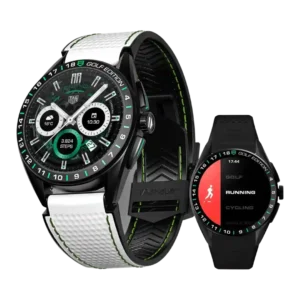
Best for luxury-watch styling, vivid TAG faces, solid build, and casual smartwatch use. Skip it if you need top fitness accuracy, call handling, LTE, or strong value.
Pros: contactless payments, pairing reliability
Cons: LTE connectivity, call handling