Best for recovery insights
Garmin Forerunner 170
5.0 feature score
Highest scored product for this feature based on supporting review evidence.
Highest scored product for this feature based on supporting review evidence.
Balances feature score, supporting reviews, and overall product strength.
Has the broadest review evidence for this feature.
Strongest overall product among items with scored evidence for this feature.
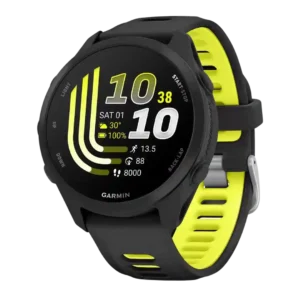
Training Readiness, Training Status, HRV, load, and recovery guidance are the watch’s most consistently praised upgrades. They make the 170 useful well beyond beginner-level run tracking.
Pros: recovery insights, fitness tracking accuracy
Cons: ECG functionality, call handling
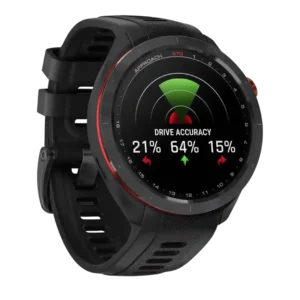
Recovery-style explanations are praised because the watch does not just show metrics but helps explain what they mean.
Pros: recovery insights, GPS accuracy
Cons: software smoothness, fitness tracking accuracy
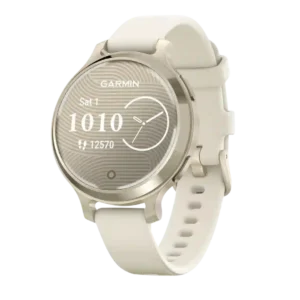
Recovery and readiness tools are praised for helping shape training decisions and fine-tune workouts.
Pros: health tracking accuracy, blood oxygen tracking
Cons: ECG functionality, onboard music storage
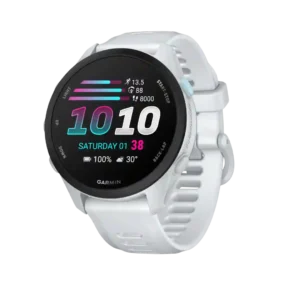
Training Readiness, Training Status, acute load, Body Battery, and recovery time provide a detailed view of training condition. The tools are useful for beginners and experienced runners alike.
Pros: step counting accuracy, app ecosystem
Cons: Bluetooth connectivity, pairing reliability
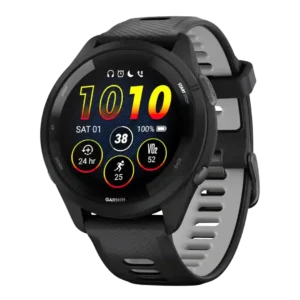
Recovery insights were widely praised, especially Training Readiness, HRV, Body Battery, and overtraining guidance, though usefulness depends on reliable heart-rate data.
Pros: step counting accuracy, third-party app support
Cons: ECG functionality, LTE connectivity
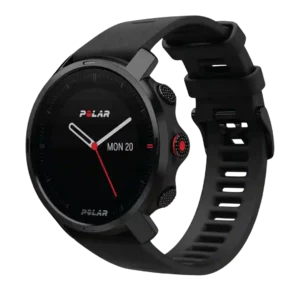
Recovery insights were one of the standout strengths, combining training load, sleep, and Nightly Recharge guidance.
Pros: materials quality, recovery insights
Cons: contactless payments, music controls
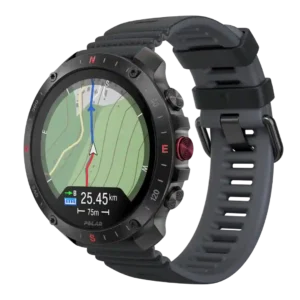
Recovery insights were one of Polar’s strongest areas, especially HRV and recovery-linked guidance.
Pros: recovery insights, build quality
Cons: contactless payments, onboard music storage
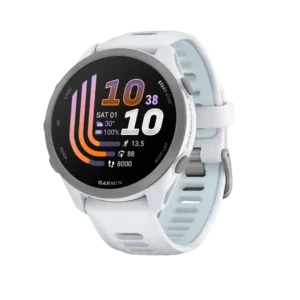
Training Readiness, Training Status, load, HRV, and recovery-time guidance are among the watch’s strongest features. The recommendations feel closely tied to recent sleep, stress, and training history.
Pros: music controls, pairing reliability
Cons: LTE connectivity, ECG functionality
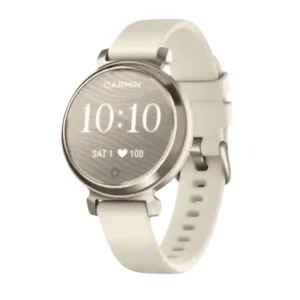
Body Battery and recovery-related guidance are praised for helping users decide when to rest or push harder.
Pros: pairing reliability, wellness insights
Cons: ECG functionality, body temperature tracking
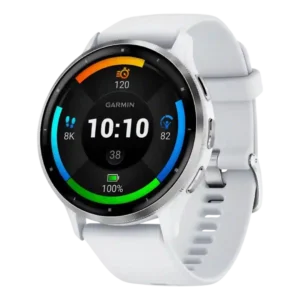
Recovery insights are a major strength, with reviewers repeatedly praising Body Battery, recovery time, sleep coach, and activity/rest guidance for planning training and rest.
Pros: health tracking accuracy, software smoothness
Cons: LTE connectivity, mapping and navigation
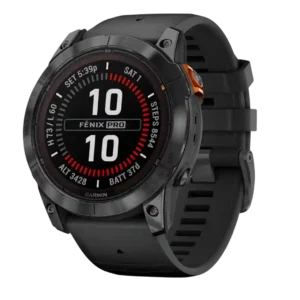
Recovery insights were praised for Training Readiness and related metrics that help decide training intensity and recovery needs.
Pros: GPS accuracy, app ecosystem
Cons: ECG functionality, calorie tracking usefulness
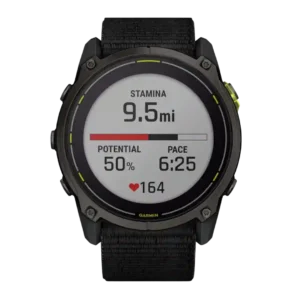
Recovery and training-readiness insights were repeatedly praised as useful for pacing training, race preparation, and deciding when to push or rest.
Pros: contactless payments, reliability
Cons: onboard music storage, watch face quality
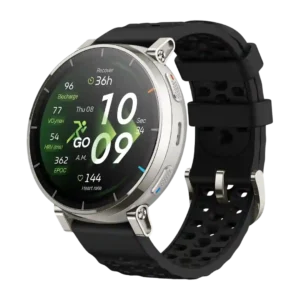
Recovery insights are praised for turning training load, fatigue, VO2 Max, and rest guidance into useful decisions about when to train or recover.
Pros: pairing reliability, brightness
Cons: Wi-Fi connectivity, Bluetooth connectivity
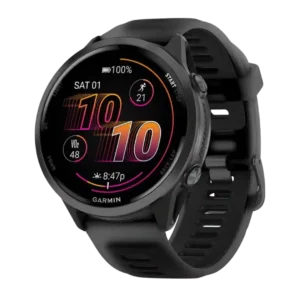
Recovery insights were a standout for several reviewers, helping them judge readiness, avoid overtraining, and interpret rest.
Pros: charging speed, GPS accuracy
Cons: ECG functionality, smartphone notifications
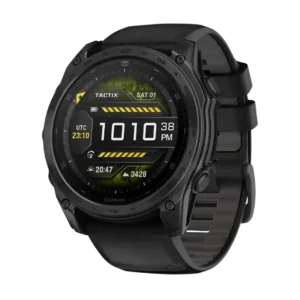
Recovery insights were one of Garmin's strongest areas, with reviewers relying on training recommendations, recovery timing, and readiness guidance.
Pros: wellness insights, build quality
Cons: LTE connectivity, band quality
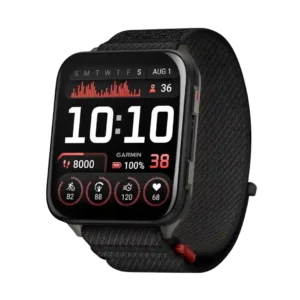
Recovery insights were praised for helping users understand when to push, rest, and interpret body effort after workouts.
Pros: pairing reliability, watch face quality
Cons: ECG functionality, LTE connectivity
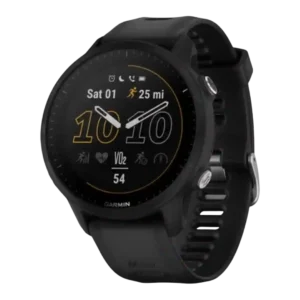
Recovery insights were one of the strongest themes, with Training Readiness and HRV repeatedly praised as useful, clear, and closely aligned with how reviewers felt.
Pros: outdoor visibility, charging speed
Cons: LTE connectivity, call handling
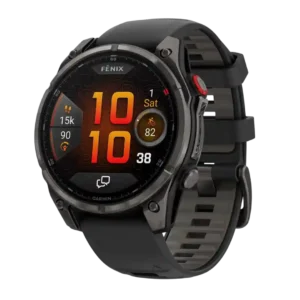
Training Readiness and related recovery metrics were described as useful or standout, especially for deciding when to train or rest.
Pros: workout tracking variety, pairing reliability
Cons: size options, companion app quality
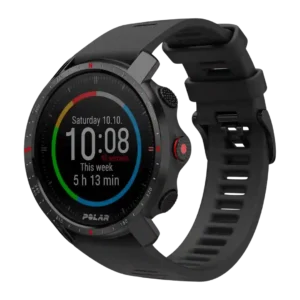
Recovery insights were one of the strongest areas, with reviewers praising leg recovery, Recovery Pro, Nightly Recharge, and HRV-based fatigue guidance.
Pros: water resistance, health tracking accuracy
Cons: contactless payments, onboard music storage
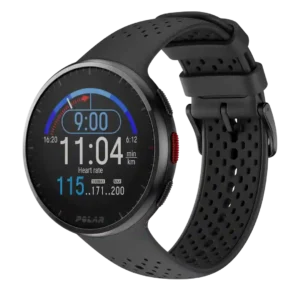
Recovery insights were consistently praised for connecting sleep, readiness, training load, and daily recommendations into usable guidance.
Pros: workout tracking variety, activity auto-detection
Cons: onboard music storage, blood oxygen tracking
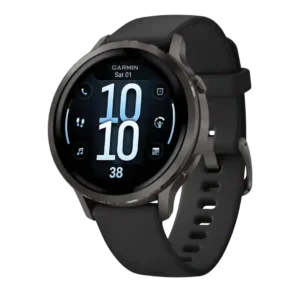
Recovery tools such as Body Battery, Training Readiness, and recovery recommendations were consistently described as helpful and well matched to how reviewers felt.
Pros: activity auto-detection, style and design
Cons: LTE connectivity, charging convenience
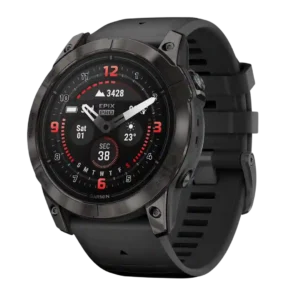
Recovery insights were praised for reflecting readiness through HRV and Training Readiness more usefully than basic sleep-only signals.
Pros: GPS accuracy, charging speed
Cons: ECG functionality, voice assistant quality
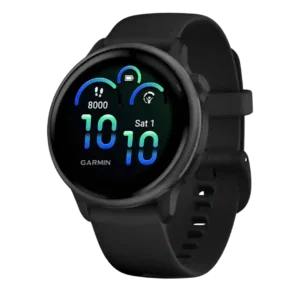
Recovery insights are a strength, with reviewers praising Body Battery, Sleep Need, and recovery-aware recommendations as genuinely useful day-to-day context.
Pros: software smoothness, comfort
Cons: LTE connectivity, voice assistant quality
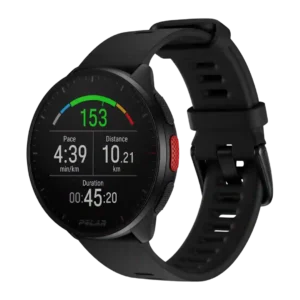
Recovery insights are repeatedly valued through Nightly Recharge, training load, and related metrics that reviewers used to guide training and next-day effort.
Pros: third-party app support, comfort
Cons: contactless payments, onboard music storage

Recovery insights were praised for helping identify missing training types after sustained activity.
Pros: heart rate accuracy, GPS accuracy
Cons: onboard music storage, mapping and navigation
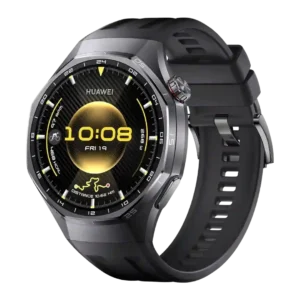
Recovery insights received limited but positive support from one reviewer who specifically liked Huawei’s post-workout recovery measurements.
Pros: fitness tracking accuracy, display quality
Cons: voice assistant quality, LTE connectivity
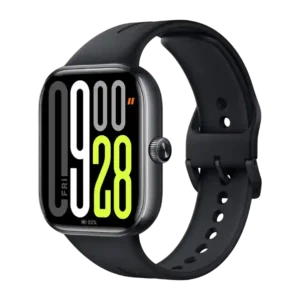
Recovery insights received limited positive evidence through beneficial breathing and running features tied to training and recovery.
Pros: step counting accuracy, display quality
Cons: voice assistant quality, contactless payments
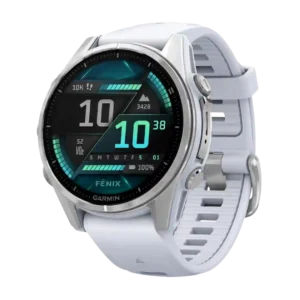
Recovery insights were praised as useful and well aligned with perceived energy, training readiness, and recovery needs.
Pros: workout tracking variety, onboard music storage
Cons: LTE connectivity, value for money
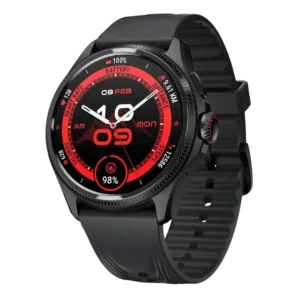
Recovery insight evidence was limited but positive where a reviewer specifically appreciated seeing recovery time after workouts.
Pros: menu navigation, battery life
Cons: ECG functionality, voice assistant quality
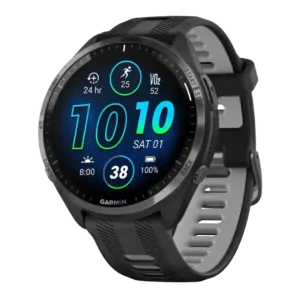
Recovery insights were a standout, especially Training Readiness, which reviewers found actionable, digestible, and useful.
Pros: water resistance, workout tracking variety
Cons: LTE connectivity, ECG functionality
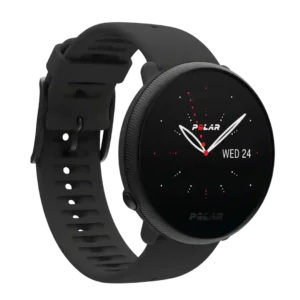
Recovery insights were a consistent strength, with Nightly Recharge and training-load guidance helping users judge readiness and balance training.
Pros: wellness insights, coaching features
Cons: mapping and navigation, contactless payments
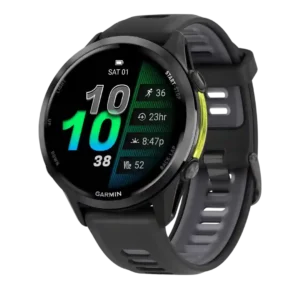
Recovery insights were a major strength: reviewers found impact load, training readiness, running tolerance, and daily reports useful for pacing workload and avoiding overtraining.
Pros: stress tracking, customization options
Cons: menu navigation, companion app quality
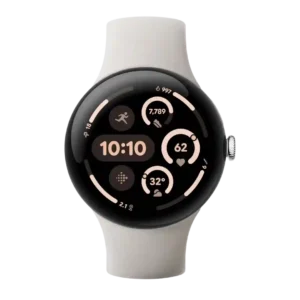
Readiness, Target Load, Cardio Load, and Morning Brief were repeatedly praised as useful recovery and effort-planning tools, with reviewers saying the scores often matched how they felt.
Pros: outdoor visibility, pairing reliability
Cons: calorie tracking usefulness, materials quality
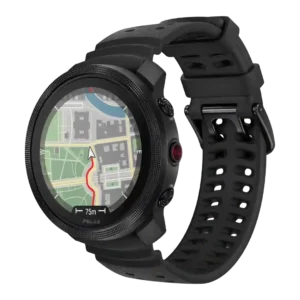
Recovery insights are a major strength, with Recovery Pro, Nightly Recharge, VO2 Max, orthostatic tests and training-load context repeatedly described as useful.
Pros: brightness, display quality
Cons: call handling, voice assistant quality
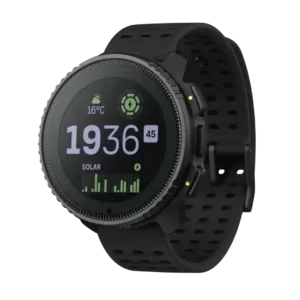
Recovery insights were viewed positively, with praise for Suunto’s recovery and fitness feedback plus personalized training guidance.
Pros: battery life, durability
Cons: resume later function, ECG functionality
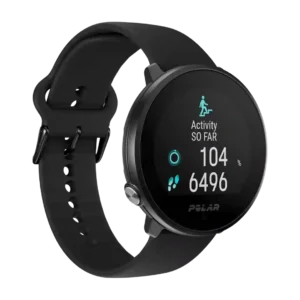
Recovery insights are one of the strongest recurring positives, with Nightly Recharge and sleep-based guidance repeatedly described as useful or best-in-class.
Pros: app ecosystem, charging speed
Cons: call handling, contactless payments
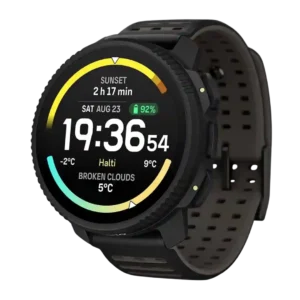
Recovery insights were generally useful, with reviewers saying advice or training-state feedback aligned with how they felt and helped track progress.
Pros: operating system experience, materials quality
Cons: contactless payments, onboard music storage
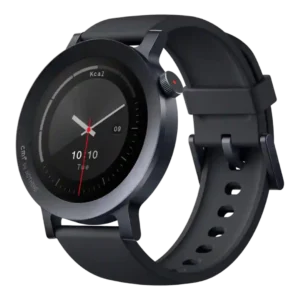
Recovery insights were useful where reviewers discussed recovery time, training load, VO2 max, and planning the next workout.
Pros: workout tracking variety, user interface
Cons: Wi-Fi connectivity, onboard music storage
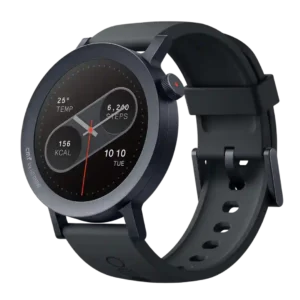
Recovery insights were surprisingly positive where tested, with training load, workout effect, and recovery estimates aligning well with Garmin comparisons.
Pros: pairing reliability, materials quality
Cons: data privacy, health tracking accuracy
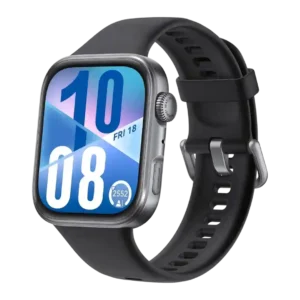
Recovery insights were valued when reviewers mentioned recovery time, training load, and training index features.
Pros: step counting accuracy, menu navigation
Cons: voice assistant quality, contactless payments
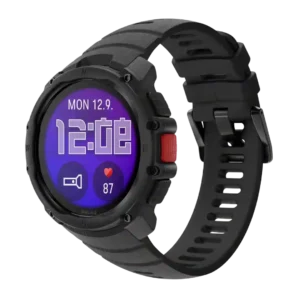
Recovery tools were viewed positively because reviewers highlighted Training Load Pro and guidance that helps users judge when to train and when to recover.
Pros: workout tracking variety, flashlight usefulness
Cons: blood oxygen tracking, ECG functionality
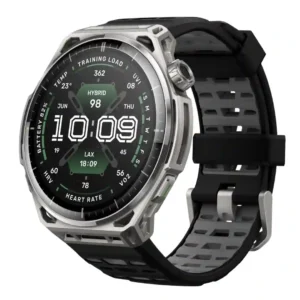
HybridCharge’s blend of sleep, stress, training load, and self-reported life factors was widely seen as useful. Reviewers treated it as a practical nudge rather than an unquestionable prescription, and long-term...
Pros: battery life, watch face quality
Cons: activity auto-detection, LTE connectivity
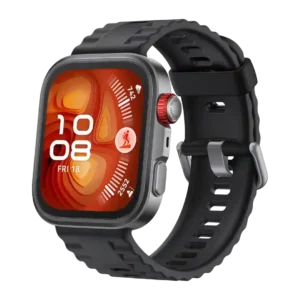
Recovery insights were useful but not perfect: biocharge and readiness improved over older metrics, while some sleep/training-load scores seemed generous or immature.
Pros: Bluetooth connectivity, calorie tracking usefulness
Cons: ECG functionality, flashlight usefulness
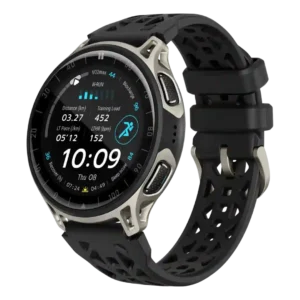
Recovery insights were useful and practical, especially BioCharge, fatigue and sleep-related suggestions, though one reviewer found recovery time less conservative than Garmin.
Pros: calorie tracking usefulness, durability
Cons: ECG functionality, size options
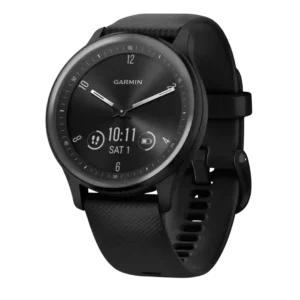
Body Battery and recovery-style prompts were repeatedly praised as helpful, especially for deciding when to ease off, though explanation and context could be stronger.
Pros: pairing reliability, reliability
Cons: contactless payments, onboard music storage

Recovery-style insights, especially Body Battery and heart-rate-zone context, were generally useful once the watch had learned the wearer.
Pros: style and design, comfort
Cons: outdoor visibility, coaching features
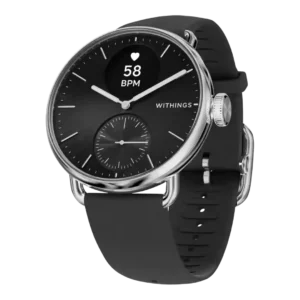
Recovery insights benefited from HRV and temperature data, but implementation was still simpler than more performance-oriented ecosystems.
Pros: Bluetooth connectivity, pairing reliability
Cons: third-party app support, contactless payments
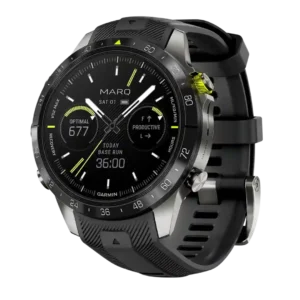
Recovery and readiness insights were repeatedly praised as useful for deciding when to train, though one reviewer noted bad sleep estimates could undermine them.
Pros: pairing reliability, reliability
Cons: size options, call handling
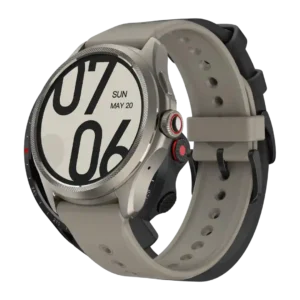
Recovery guidance was appreciated after workouts, though one reviewer wanted it to update dynamically instead of staying as a static number.
Pros: contactless payments, battery life
Cons: voice assistant quality, LTE connectivity
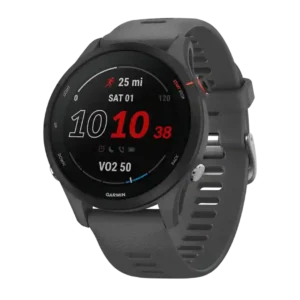
Recovery insights were praised for HRV, Body Battery, and training context, but several reviewers wanted Training Readiness or found the data less user-friendly.
Pros: durability, cross-platform compatibility
Cons: stress tracking, app ecosystem