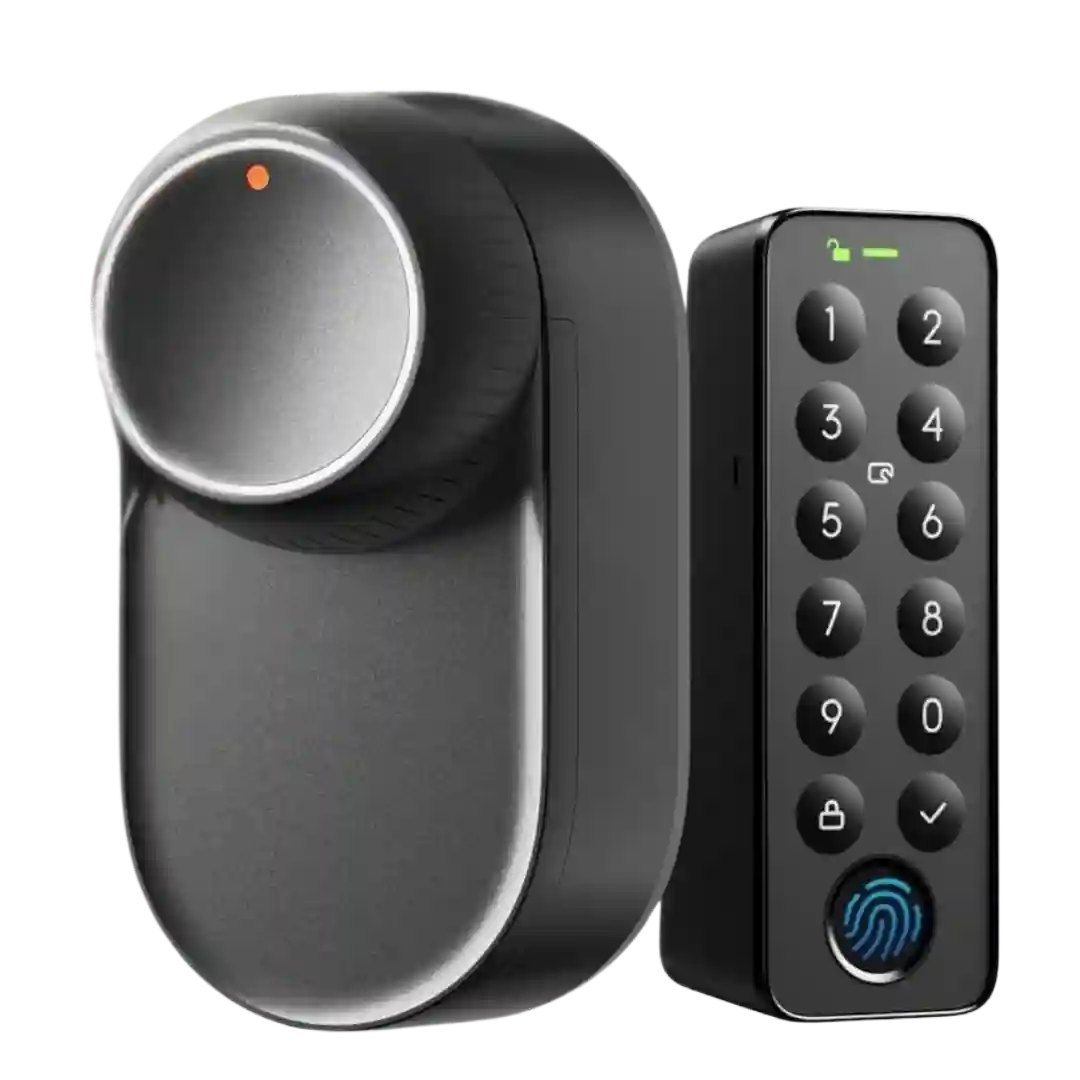
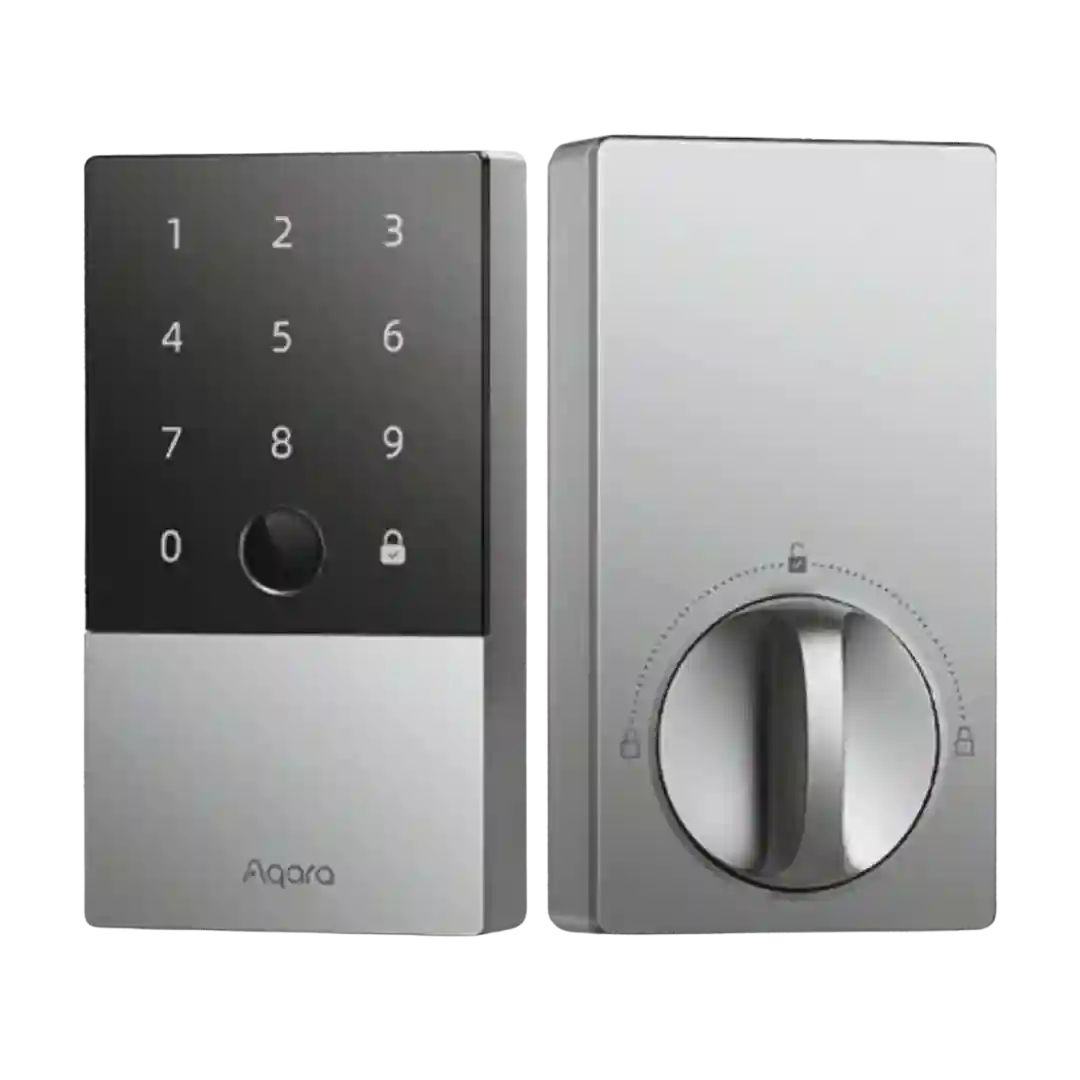
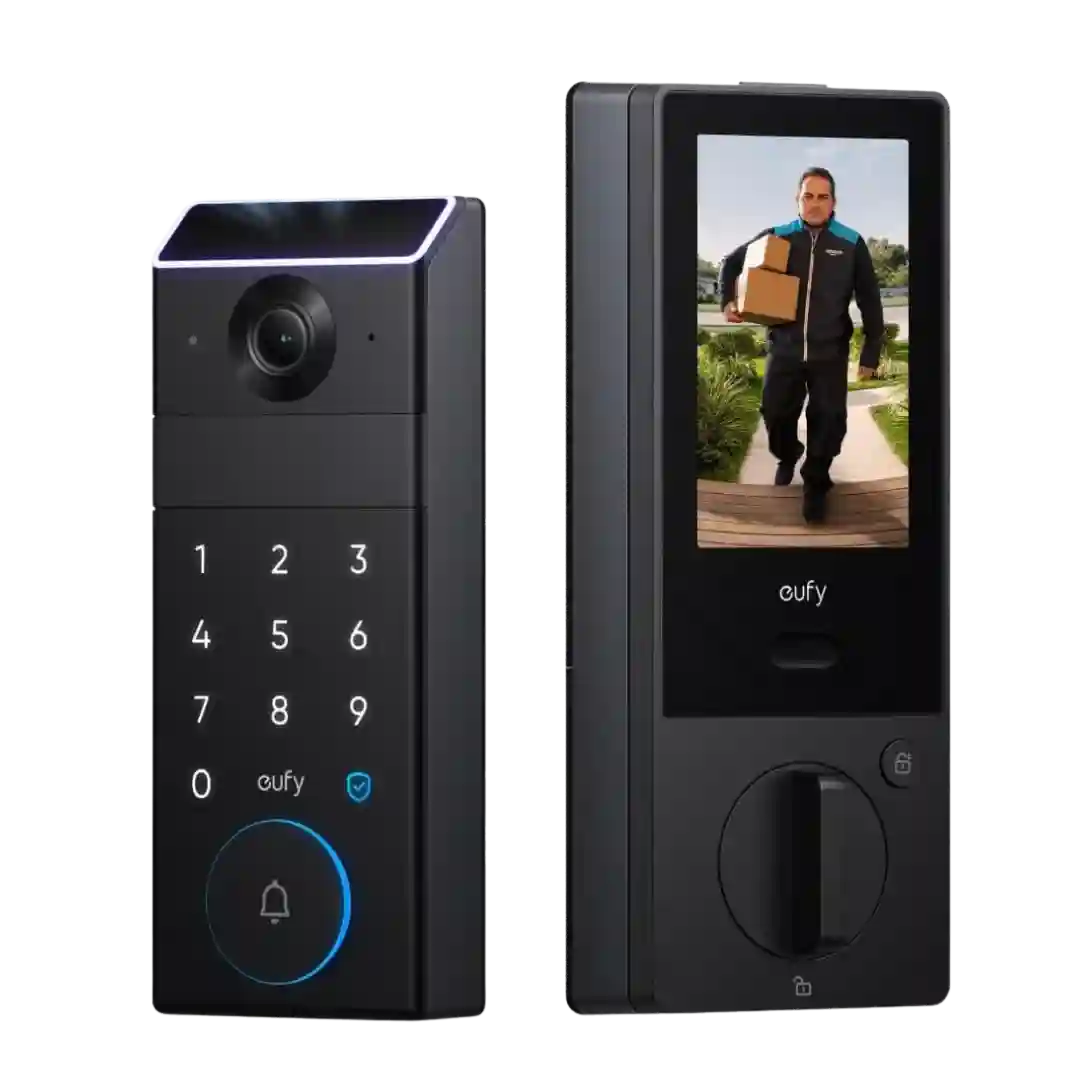
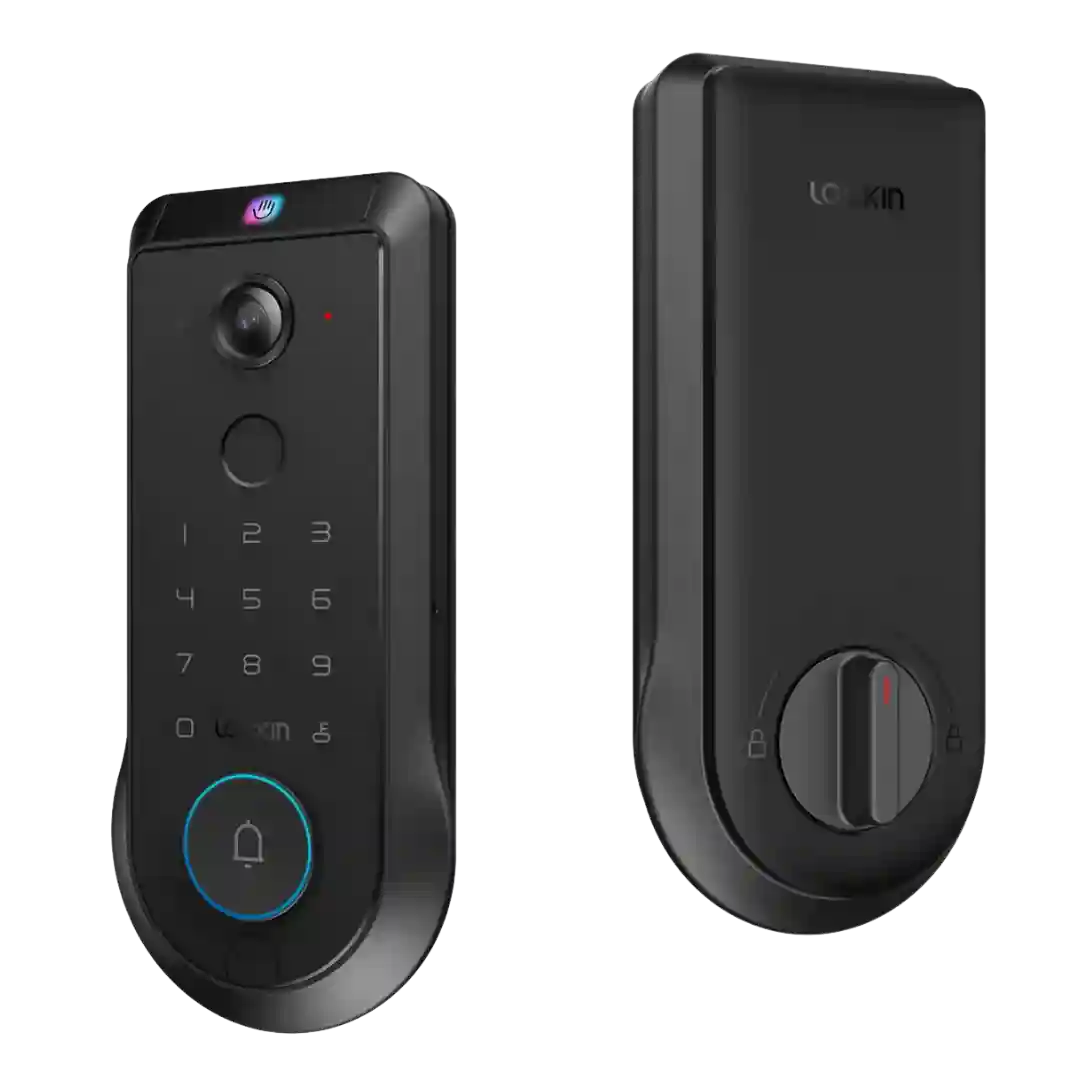
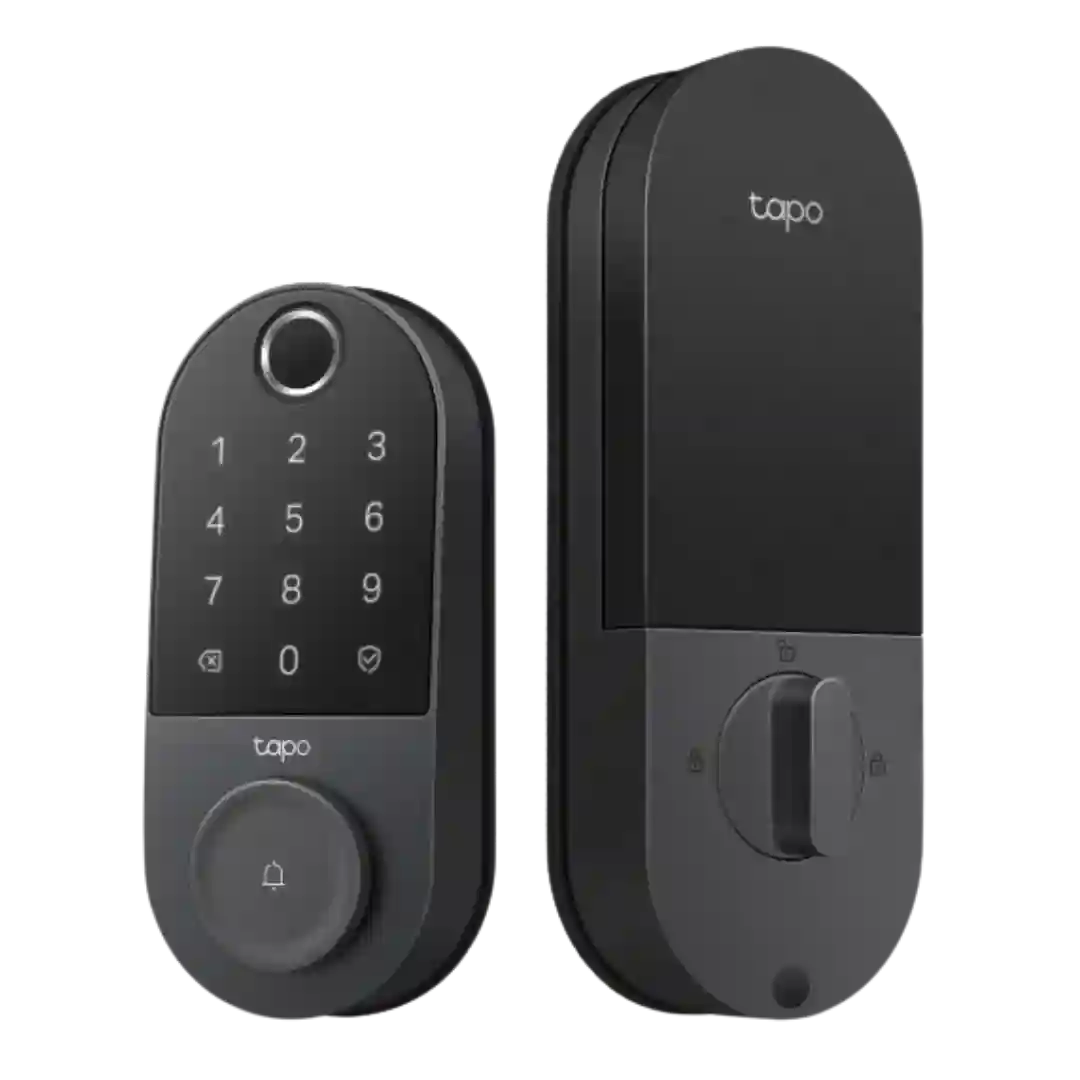
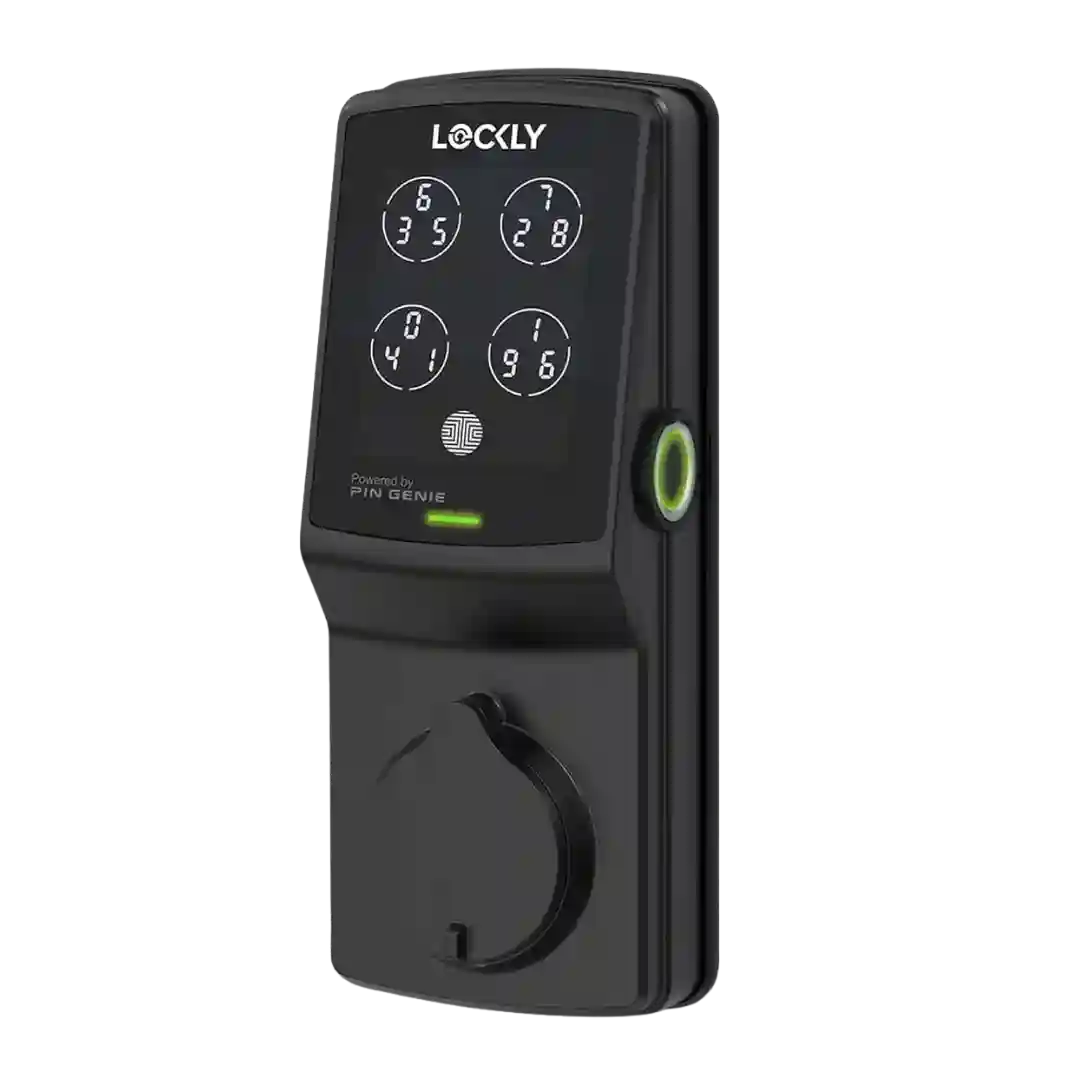
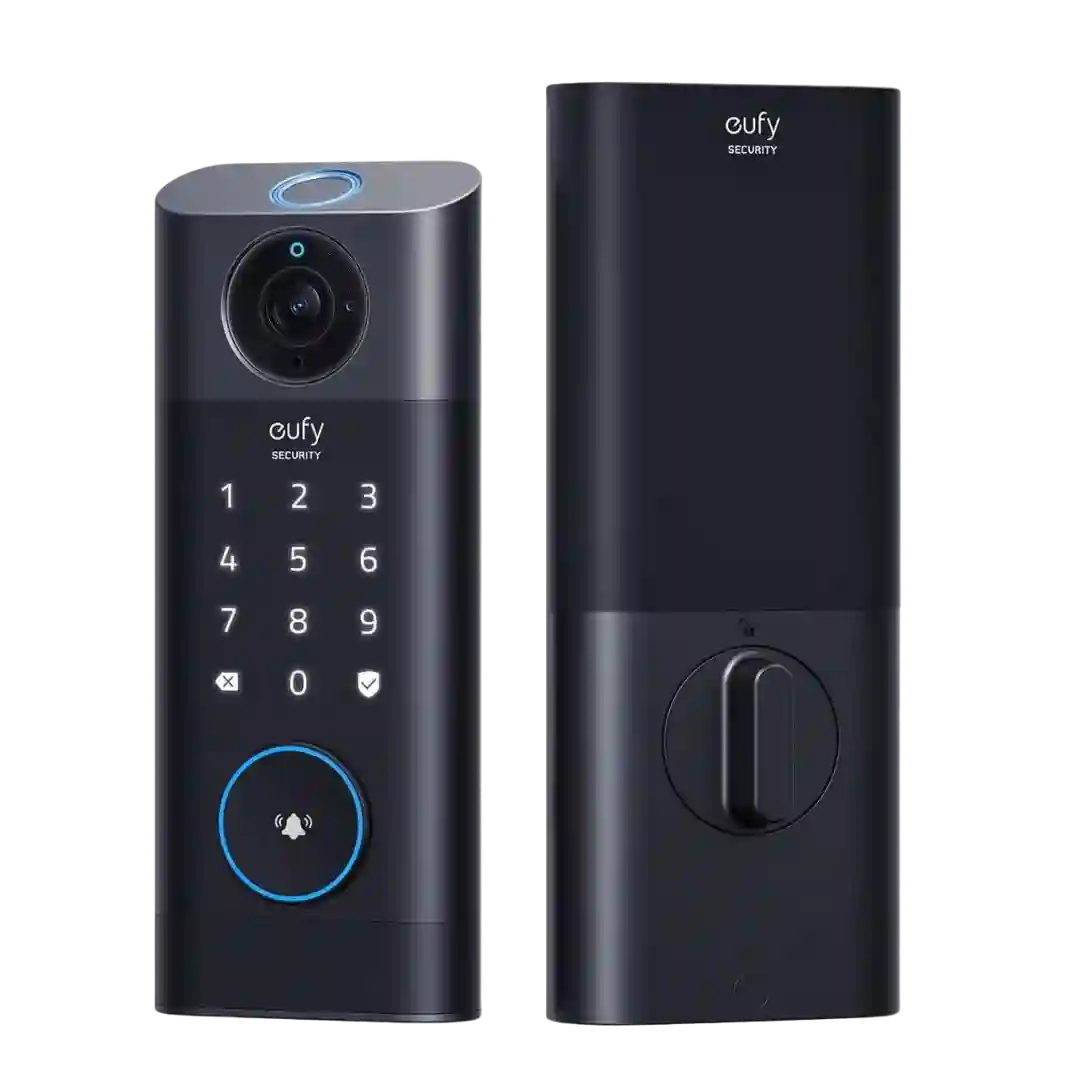
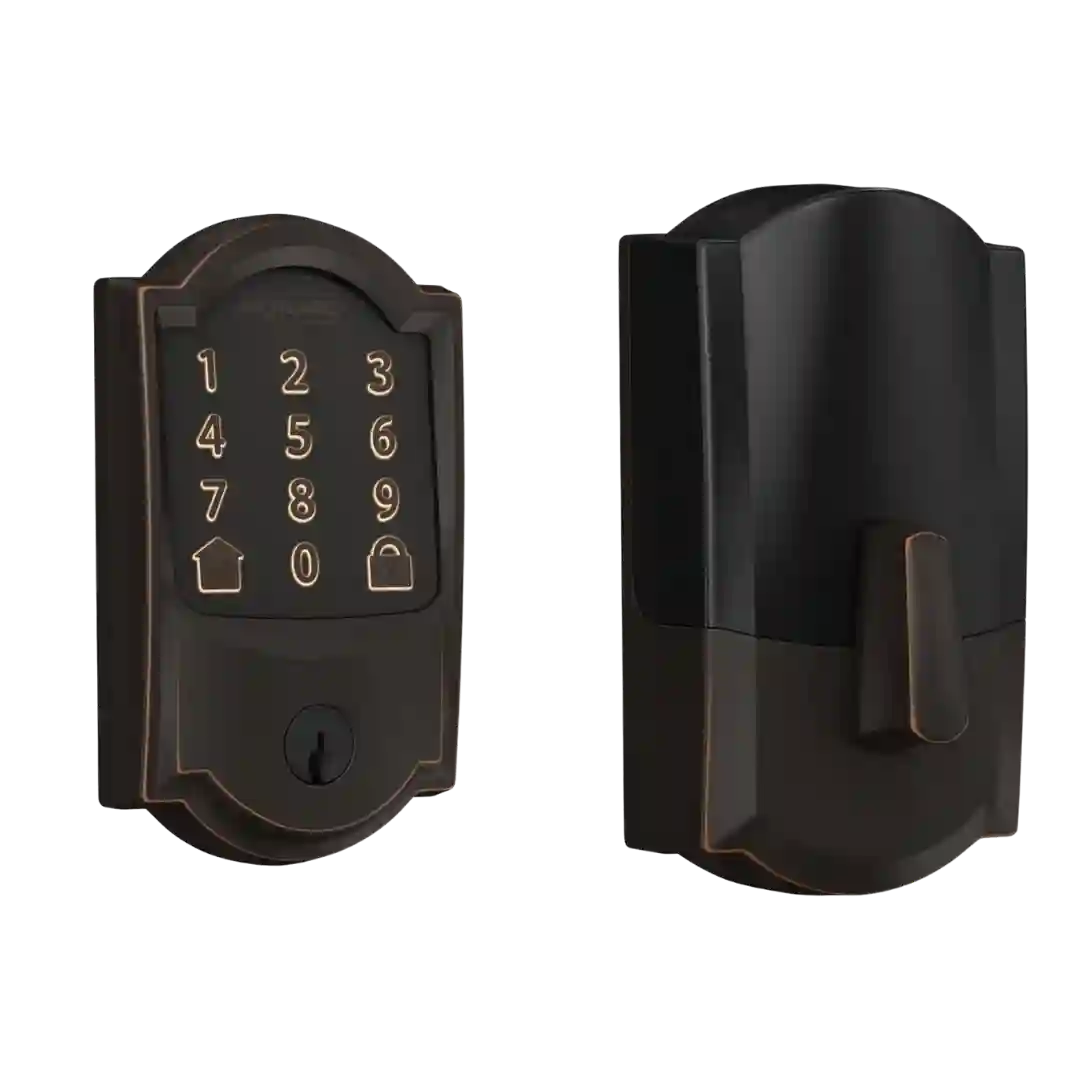
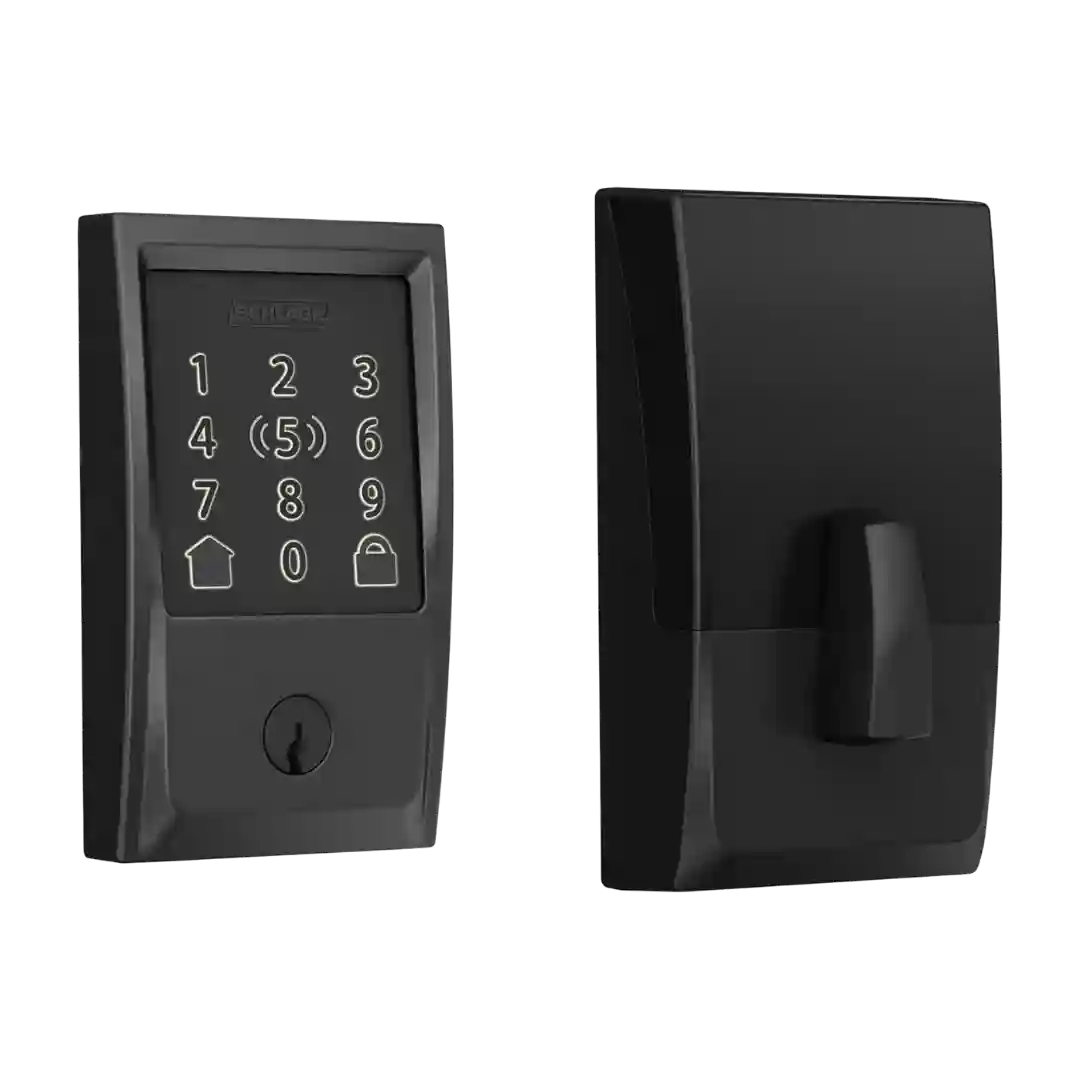
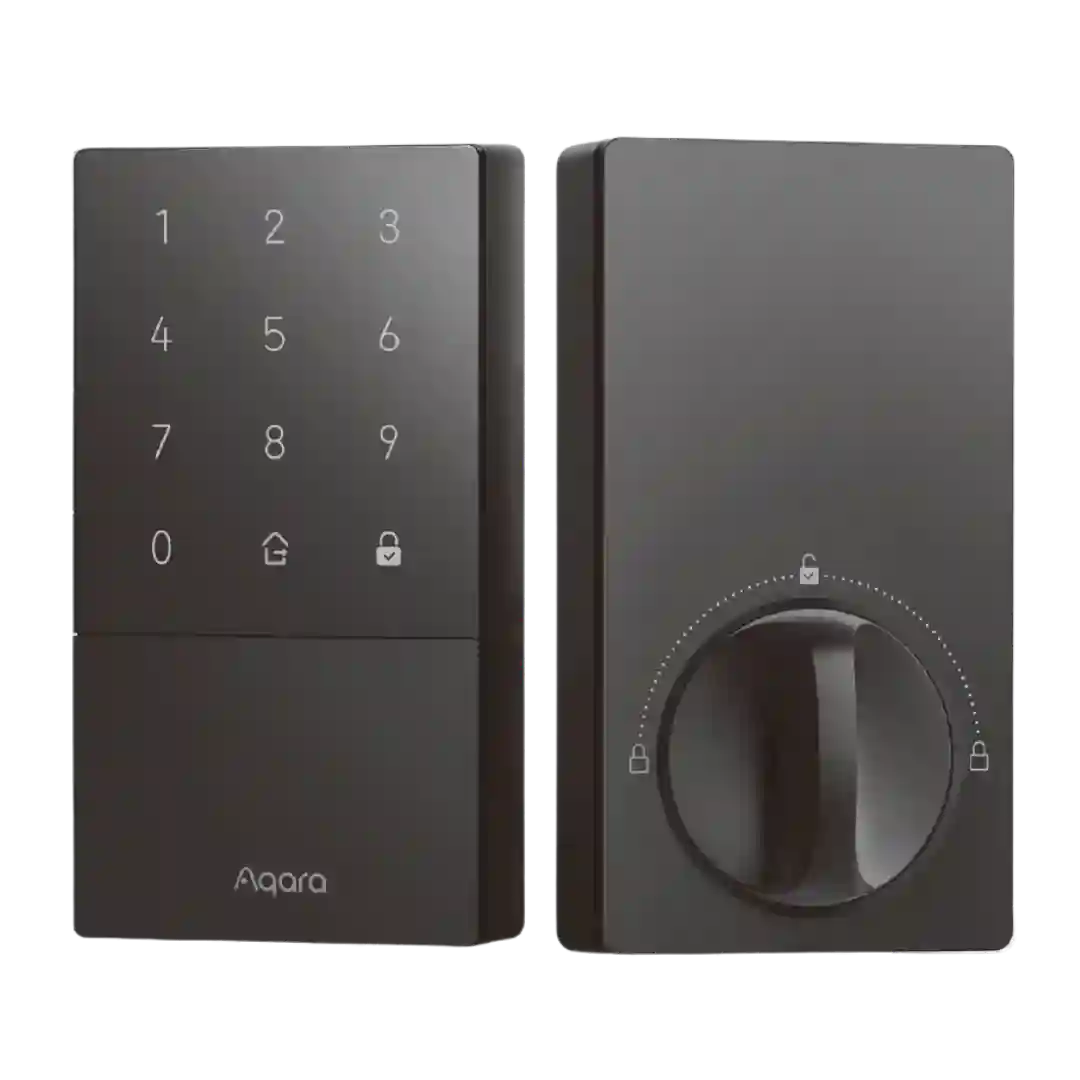
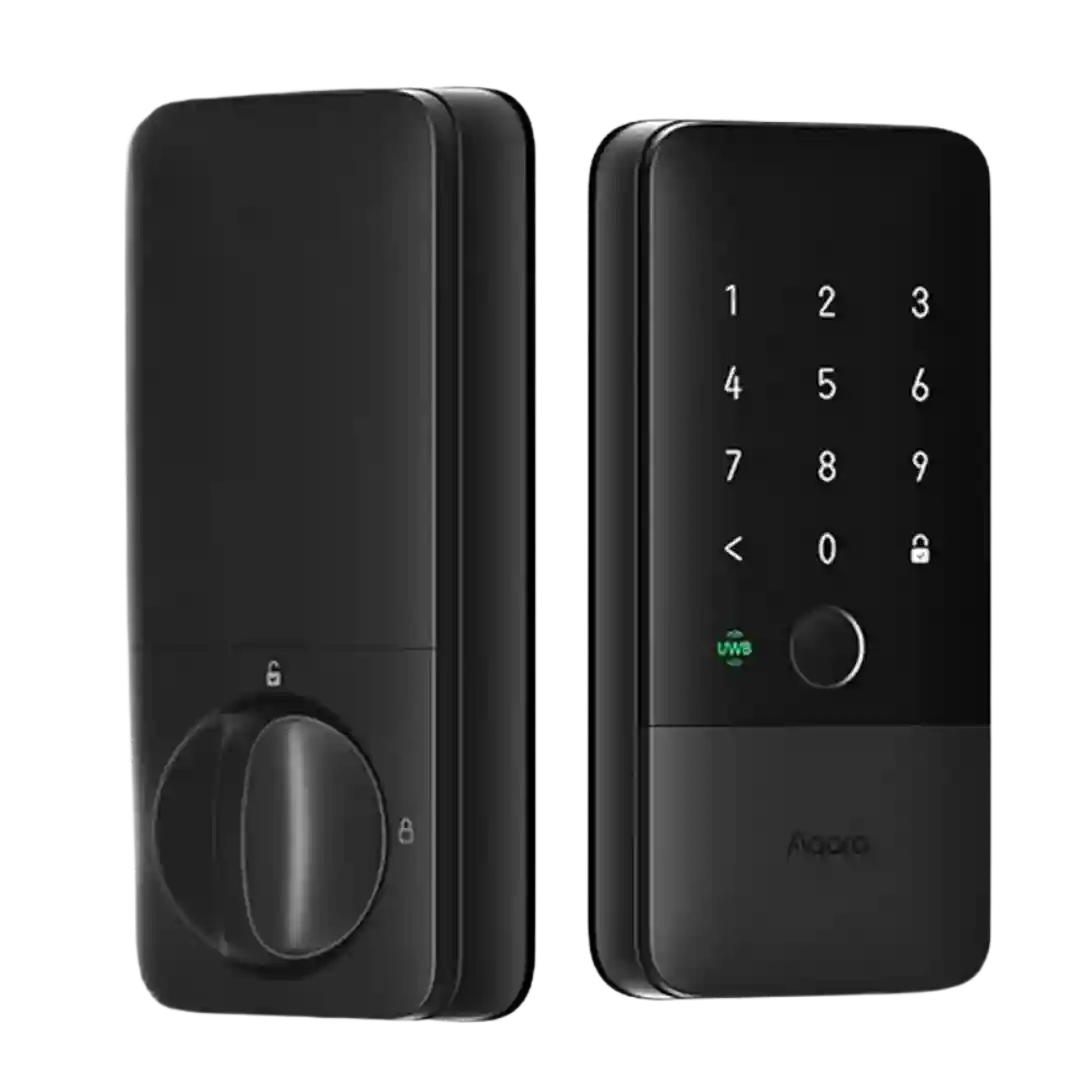
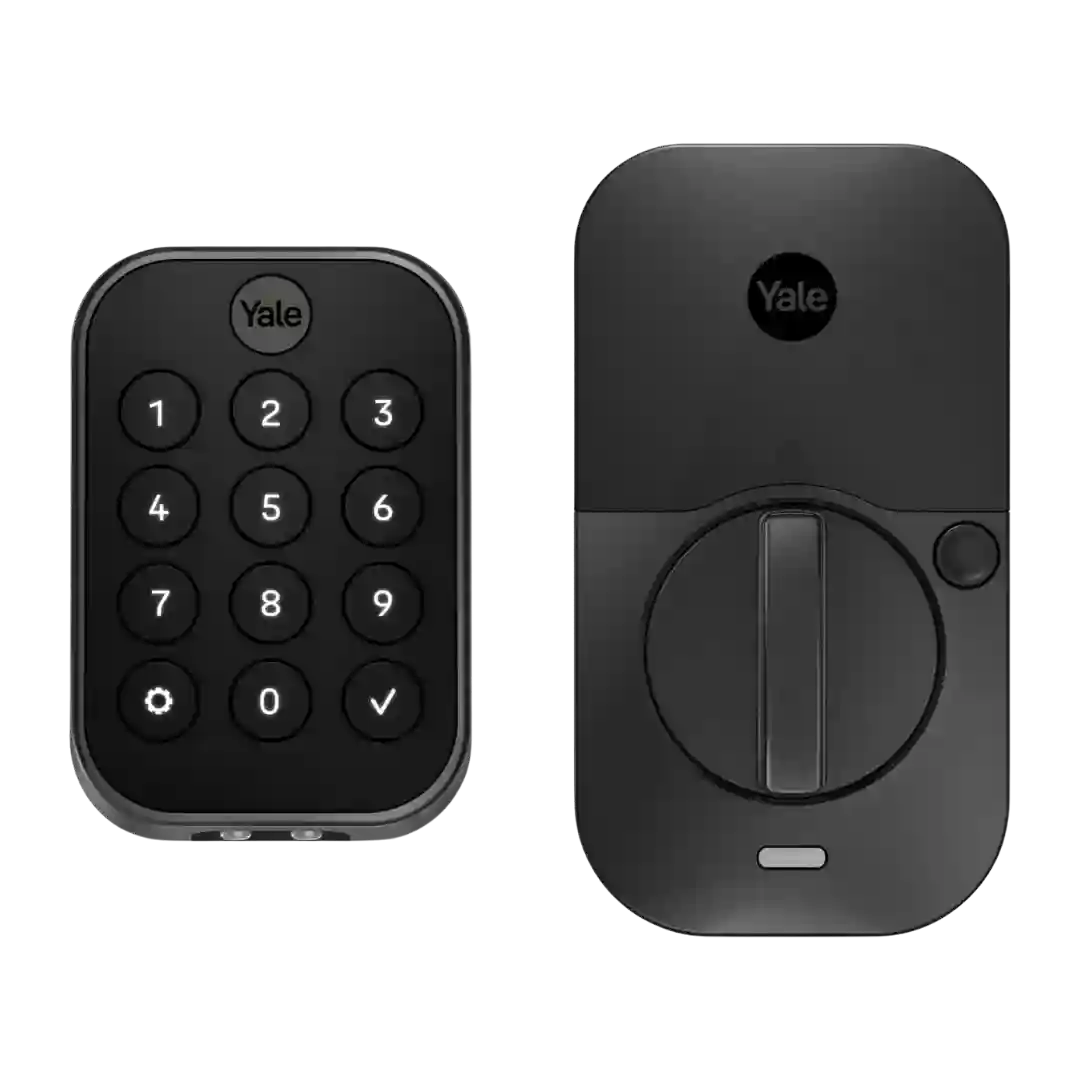
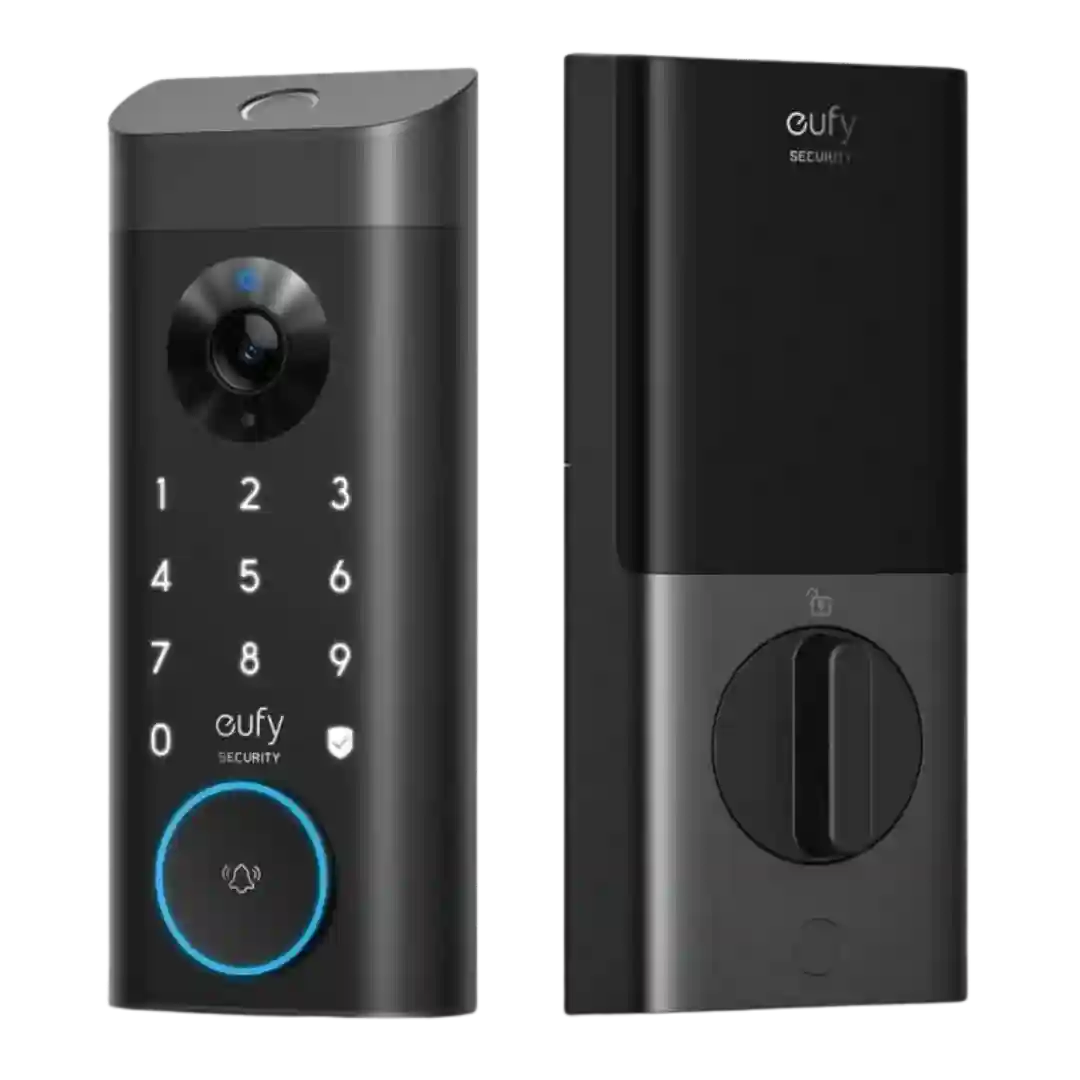
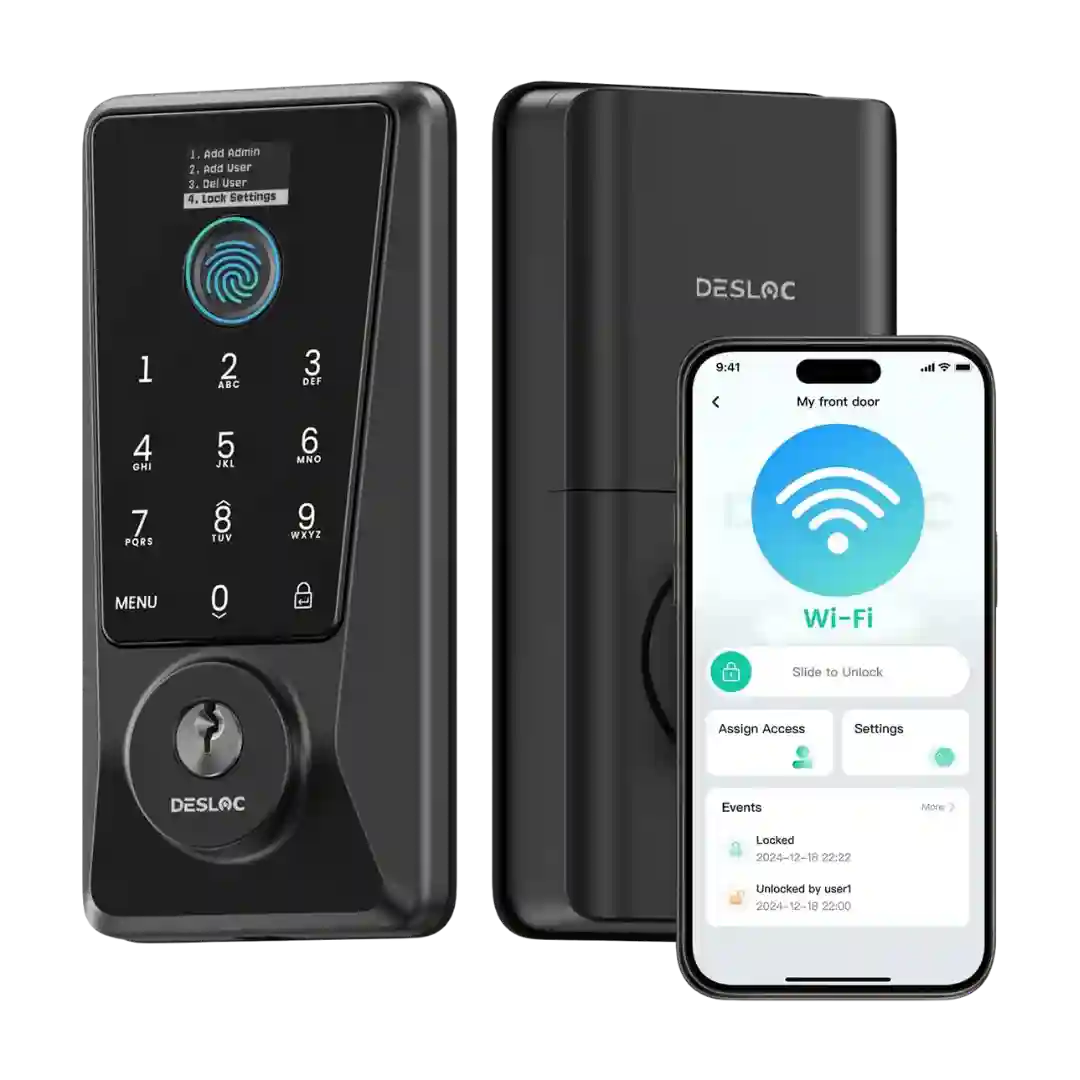
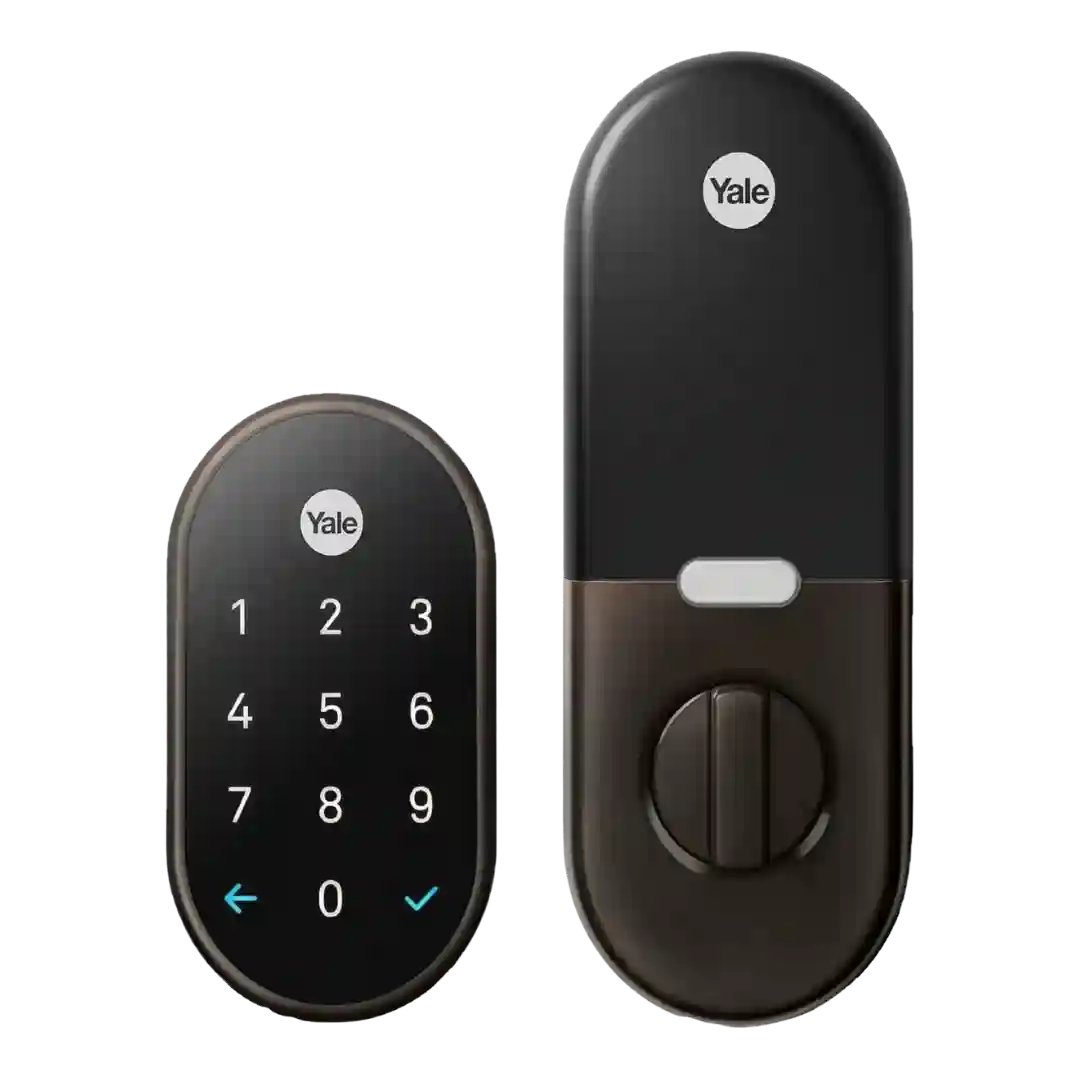
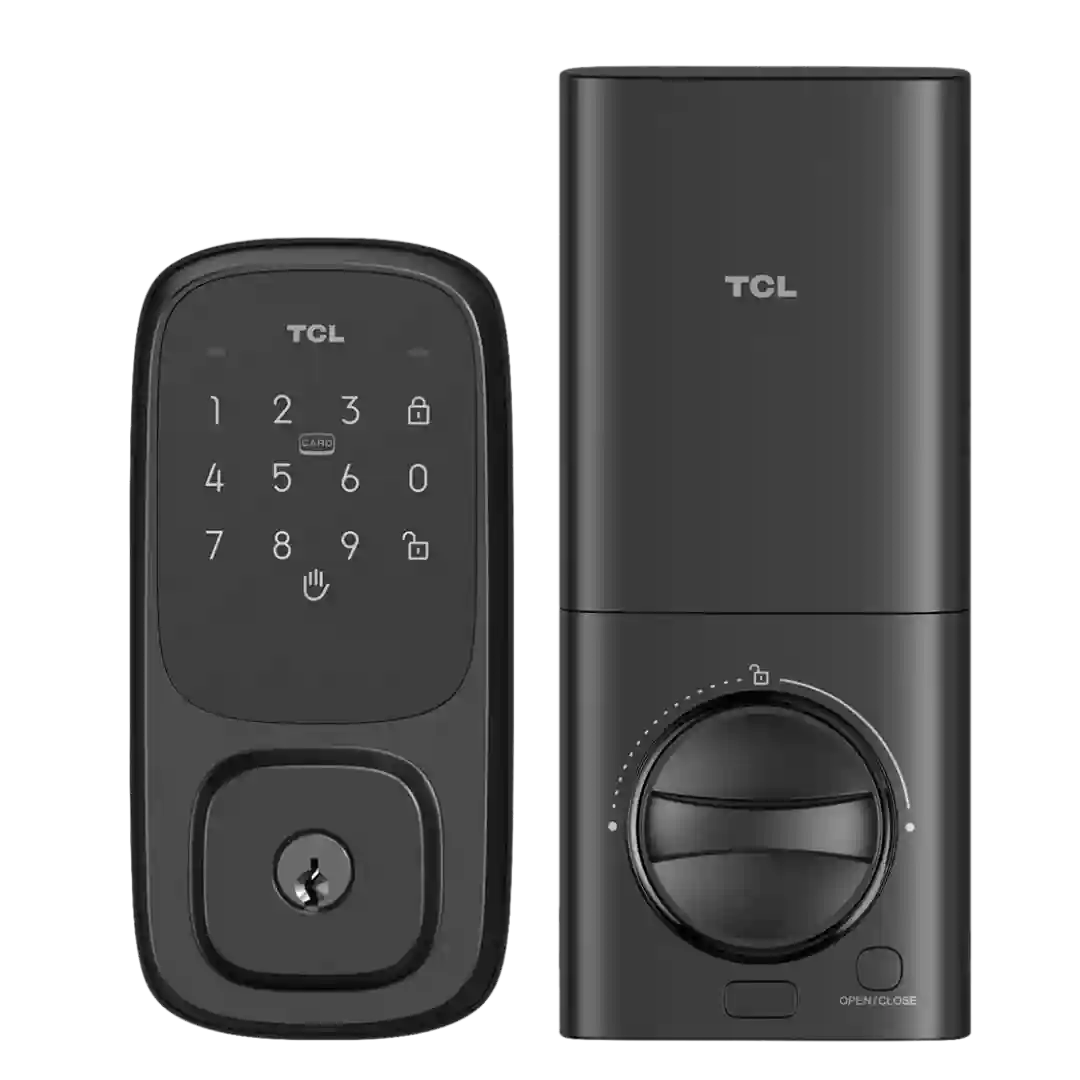
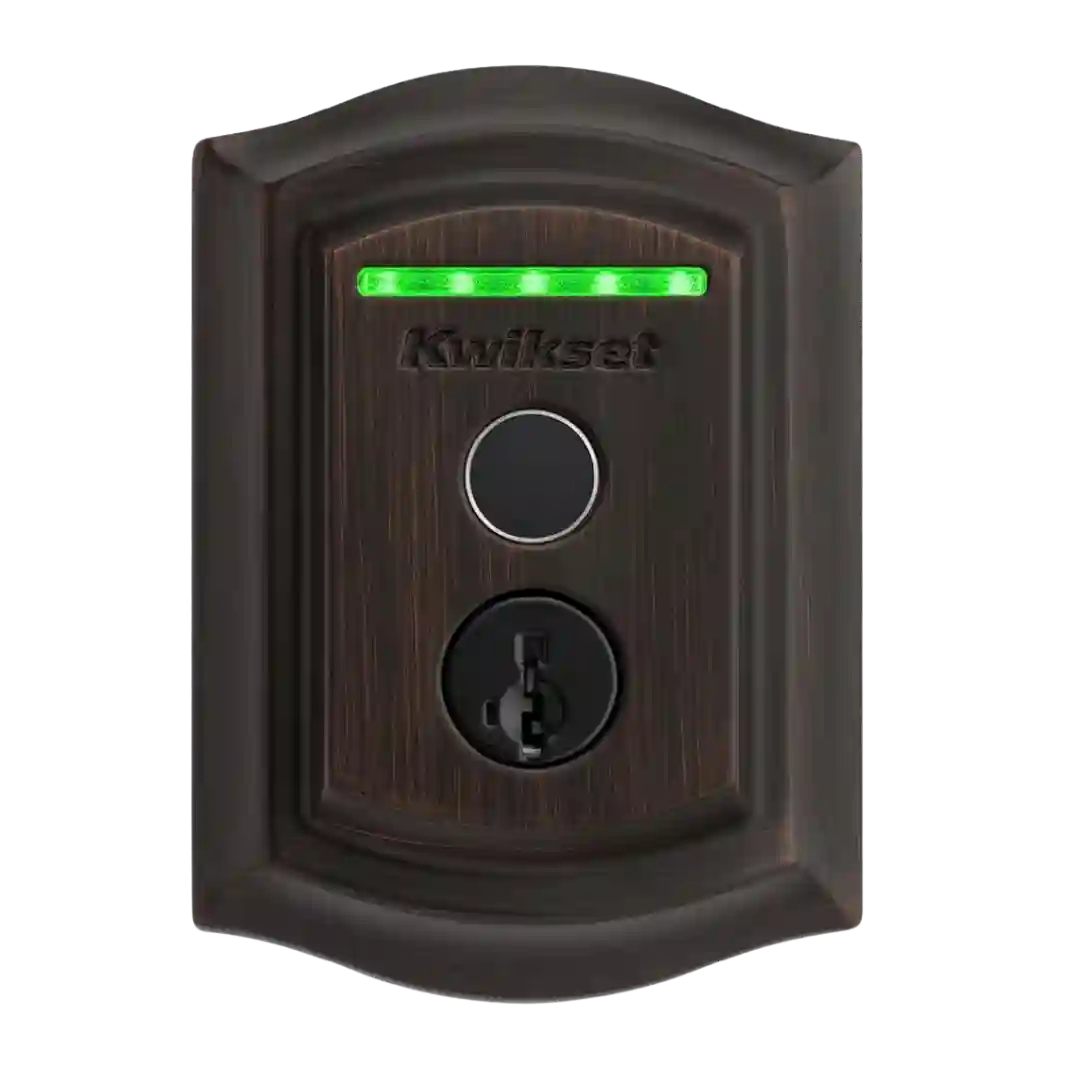
Lockouts after repeated failed attempts are described as a practical safeguard on keypad-based entry, with escalating disable timers in at least one review. This helps slow brute-force attempts while keeping other entry methods available.
Failed-attempt lockout is widely described as effective: after multiple incorrect entries, the lock disables certain methods for up to about 30 minutes. This helps deter brute-force attempts and is often configurable.
Wrong-try protection is repeatedly mentioned as a useful safeguard, with configurable lockouts after a set number of failed palm scans or PIN attempts.
Wrong-try protection and lockout behavior are described as available and configurable, adding a practical layer of protection against repeated code attempts.
Wrong-try protection is repeatedly demonstrated via an unlock attempt limiter/lockout with adjustable lockout duration, helping deter PIN guessing attempts.
After multiple invalid code attempts, the lock can temporarily disable keypad entry to slow brute-force guessing; this protection is noted as effective, though alerts about the event may be more visible in logs than as real-time notifications.
Several reviews describe lockout behavior after repeated wrong code entries, sometimes paired with an alarm and temporary keypad disablement. This is framed as a useful protection against brute-force guessing.
Failed-attempt protections are discussed as a plus, with temporary keypad lockouts after repeated wrong codes and continued access via key or app for admins.
Beyond basic lockout behavior after repeated failed entries, some reviewers highlight safety behaviors like re-locking after remote/unattended unlock events. Where described, these features are positioned as thoughtful safeguards rather than headline features.
Keypad security tools like wrong-code limits and temporary lockouts are available and can reduce PIN-guessing risk, though real-world testing depth varies across reviewers.
Failed-attempt protection can trigger a temporary lockout after repeated wrong codes, and at least one review described adjustable thresholds, though another noted limited transparency or controls.
At least one review notes alerts after repeated incorrect PIN attempts (for example after five wrong tries), indicating protective behavior and reporting around failed entries. Details on exact lockout behavior vary by reviewer.
A lockout/timeout behavior after repeated failed authentication is described (for example, temporary lock suspension after several wrong attempts), but it is often not configurable and may be poorly documented.
Reviews that tested repeated failed fingerprints did not observe a meaningful lockout by default, and failed attempts were not consistently logged or surfaced as alerts.