Best for Codec support
Edifier NeoBuds Planar Earbuds
5.0 feature score
Highest scored product for this feature based on supporting review evidence.
Highest scored product for this feature based on supporting review evidence.
Balances feature score, supporting reviews, and overall product strength.
Has the broadest review evidence for this feature.
Strongest overall product among items with scored evidence for this feature.
Showing Earbud Headphones only. Switch back to all Headphones & Earbuds anytime.
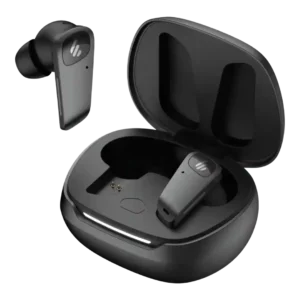
Codec support is a major strength, with repeated praise for the unusually broad hi-res codec list.
Pros: Bluetooth, Codec support
Cons: Spatial audio, Soundstage depth
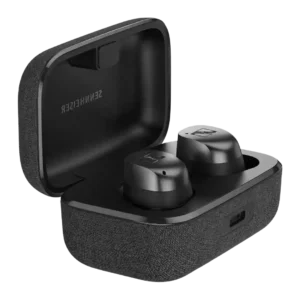
Codec support is a major selling point, repeatedly cited as future-proof: Bluetooth 5.4 with broad codec options, plus LE Audio/LC3 and Auracast support via updates depending on source device. iPhone...
Pros: Codec support, aptX
Cons: Spatial audio, Find My
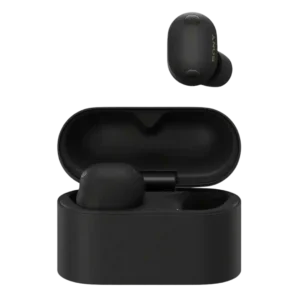
Codec support is broad for the class, commonly listed as SBC and AAC plus LDAC and LC3/LE Audio with Auracast readiness. iPhone users are typically limited to AAC, while Android...
Pros: USB-C, LDAC
Cons: None
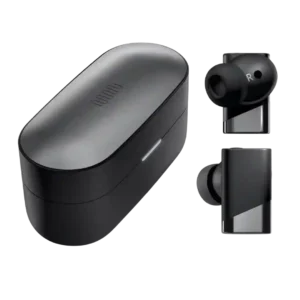
Codec support is a highlight, with broad coverage including common codecs plus modern options mentioned across reviews.
Pros: Codec support, Sound quality
Cons: aptX, Noise cancellation adjustability
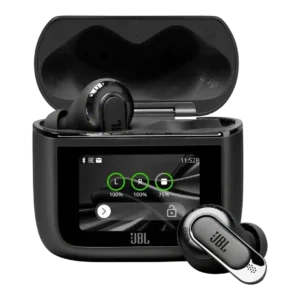
Codec support is broad for the category, covering SBC/AAC plus hi-res LDAC and, in some coverage, LE Audio/LC3 in transmitter mode. This flexibility is frequently cited as a reason these...
Pros: Dongle, Codec support
Cons: None
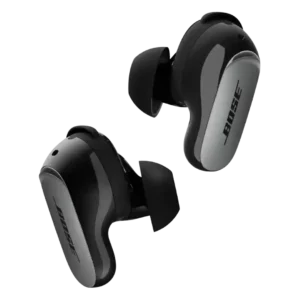
Codec support is a highlight for many reviewers, especially for Android users, with modern high-quality options noted alongside broad device compatibility.
Pros: Active noise cancellation effectiveness, Android compatibility
Cons: Preset EQ profile quality, Equalizer customization
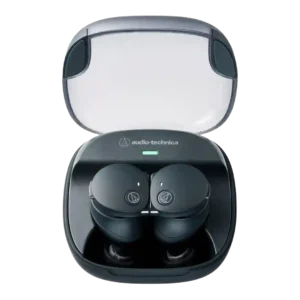
Codec support is a strength, with SBC/AAC plus aptX and aptX Adaptive mentioned often, and some app control over codec selection.
Pros: Battery, USB-C
Cons: Sensors, Voice assistant integration
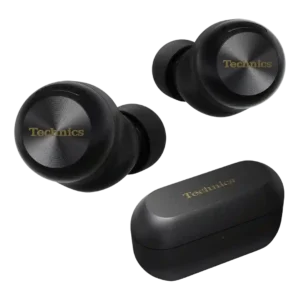
Codec support is strong (SBC/AAC plus LDAC and LC3/LE Audio features noted), appealing to both iOS users and Android audiophiles.
Pros: Audio-video sync accuracy, USB-C
Cons: aptX, Software/setup simplicity
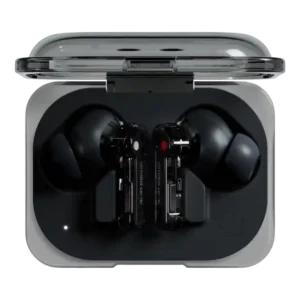
Codec support is strong for the price, covering AAC and SBC broadly while also adding LDAC for higher-quality Android listening.
Pros: Comfort during long use, Software/setup simplicity
Cons: none
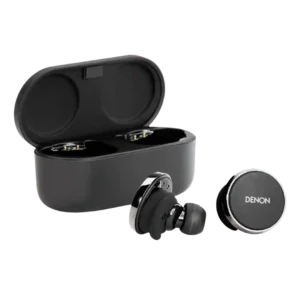
Codec support is broad, including aptX Adaptive and aptX Lossless alongside AAC/SBC; the main caveat is that benefits depend on having a compatible source and LDAC is missing.
Pros: aptX, USB-C
Cons: LDAC, Noise cancellation adjustability
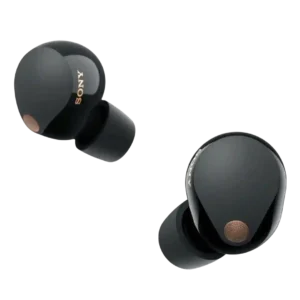
Codec support is good overall (with high-res options in several reviews), but at least one major omission is noted compared with some competitors.
Pros: LDAC, Weight comfort
Cons: aptX, Replaceable battery
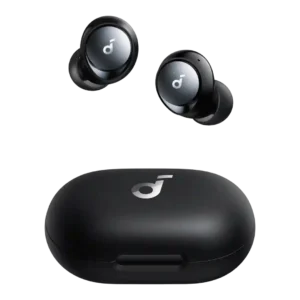
Codec support is strong for the class (SBC/AAC with LDAC often available), but higher-quality modes can reduce battery life and may constrain other features like multipoint.
Pros: USB-C, Charging
Cons: aptX, Sensors

Codec support is strong for the tier (SBC/AAC plus LHDC 5.0) and generally works well. However, some testing suggests very high LHDC bitrates can be unstable and can cost battery.
Pros: Volume output, Water/sweat resistance rating
Cons: LDAC, Smudge resistance
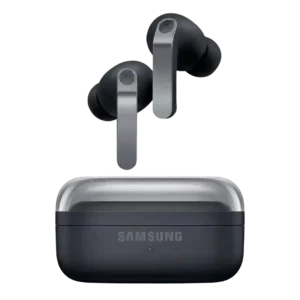
Codec support is strong for Samsung owners thanks to SSC and UHQ options, but the experience is less compelling outside the Galaxy ecosystem where higher-end features are restricted.
Pros: Comfort during long use, Water/sweat resistance rating
Cons: Multipoint connectivity reliability, Audio-video sync accuracy
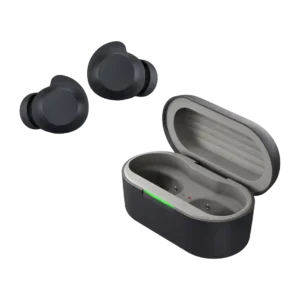
Codec support is functional rather than premium, with SBC, AAC and LC3 confirmed but no evidence of higher-end wireless codecs.
Pros: USB-C, Portability/foldability
Cons: aptX, LDAC
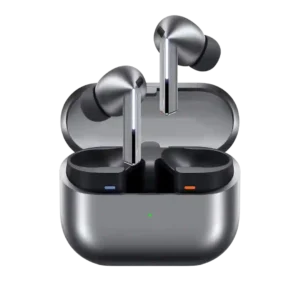
Codec support is solid for Samsung owners via Samsung Seamless Codec options, but limited for everyone else, with common fallbacks to AAC or SBC.
Pros: Water/sweat resistance rating, Android compatibility
Cons: aptX, LDAC
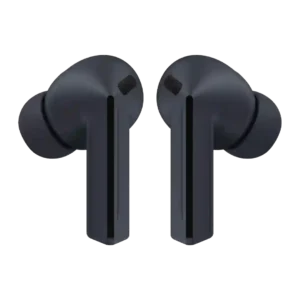
Codec support is consistently described as SBC and AAC plus Samsung Seamless Codec (SSC) for compatible Samsung devices; this is framed as a Samsung-first product choice that affects cross-device consistency.
Pros: Volume output, Noise isolation (passive)
Cons: Multipoint connectivity reliability, aptX

Codec support is positioned as basic, focusing on SBC and AAC rather than high-resolution options.
Pros: Android compatibility, Portability/foldability
Cons: aptX, LDAC
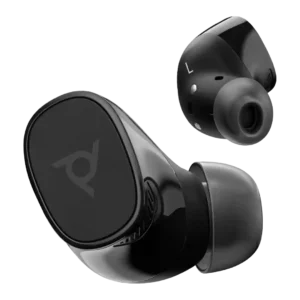
Codec support is not clearly communicated in at least one review, creating uncertainty around advanced codec availability versus similarly priced competitors that specify LDAC or aptX.
Pros: Audio-video sync accuracy, Instrument separation
Cons: Spatial audio, Smudge resistance
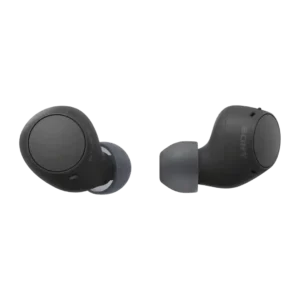
Codec support is consistently described as limited to SBC and AAC, positioning the WF-C510 as a straightforward streaming-focused option rather than a hi-res Bluetooth pick.
Pros: Weight comfort, Audio-video sync accuracy
Cons: Active noise cancellation effectiveness, aptX
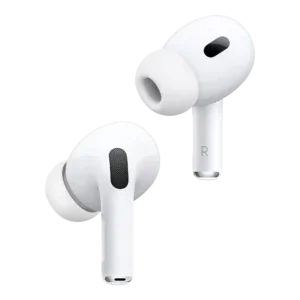
Codec support is intentionally narrow (AAC/SBC for most devices), which frustrates hi-res-focused buyers. Several reviews note specialized low-latency/lossless behavior tied to Apple Vision Pro, but it does not broadly solve...
Pros: Portability/foldability, Apple H2 chip support
Cons: aptX, Replaceable battery
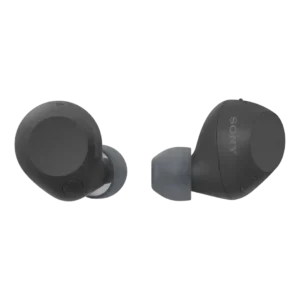
Codec support is limited to SBC and AAC, and multiple reviews flag the lack of advanced codecs as a downside.
Pros: Weight comfort, Value for money
Cons: aptX, LDAC
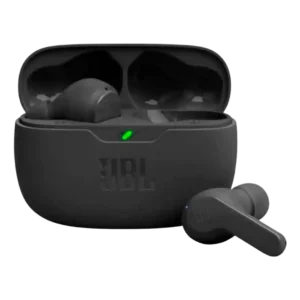
Codec support is basic, with evidence for SBC and AAC but no higher-end codec praise.
Pros: Charging, Battery
Cons: Active noise cancellation, Multipoint connectivity reliability
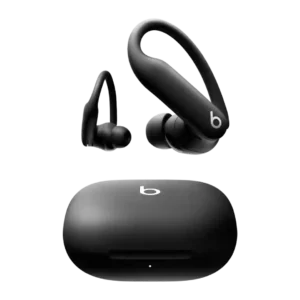
Codec support is basic (AAC/SBC), which is fine for iOS but leaves Android users without higher-resolution options.
Pros: Audio-video sync accuracy, USB-C
Cons: aptX, LDAC

Codec support is typically summarized as SBC and AAC only, with frequent disappointment about no hi-res or wireless lossless playback. This is a recurring reason reviewers cite for looking at...
Pros: USB-C, Apple H2 chip support
Cons: aptX, LDAC