Best for quest design
Clair Obscur: Expedition 33
4.7 feature score
Highest scored product for this feature based on supporting review evidence.
Highest scored product for this feature based on supporting review evidence.
Balances feature score, supporting reviews, and overall product strength.
Has the broadest review evidence for this feature.
Strongest overall product among items with scored evidence for this feature.
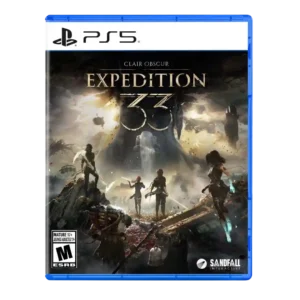
Optional quests received praise for classic-RPG flavor and meaningful rewards.
Pros: monetization fairness, microtransaction impact
Cons: platforming precision, menu usability
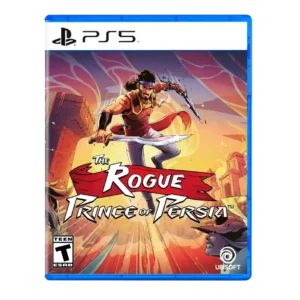
Quest design received strong praise for weaving roguelite runs, optional quests, plot pieces, and characters together.
Pros: crash stability, HUD clarity
Cons: character development, visual effects quality
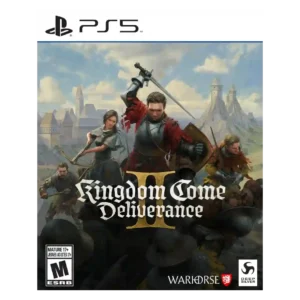
Quest design was one of the strongest points, with reviewers praising memorable side stories, branching approaches, and strong writing, despite a few disappointing payoffs.
Pros: soundtrack quality, fun factor
Cons: checkpoint system, family friendliness
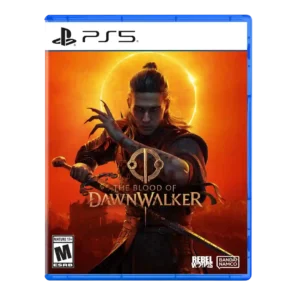
Quest design received strong support for handmade, optional, interwoven stories with grisly consequences and choices that affect world state.
Pros: core gameplay loop, replay value
Cons: value for money, difficulty balance
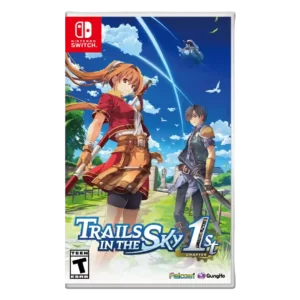
Quest design was generally praised for attaching story, character moments, and worldbuilding to side activities instead of leaving them as empty errands.
Pros: protagonist appeal, art direction
Cons: camera behavior, tutorial quality
Kanto’s item-gated route chains and the Sevii Islands give exploration a pleasing cause-and-effect structure, with detours that reward paying attention.
Pros: boss design, side character depth
Cons: monetization fairness, originality
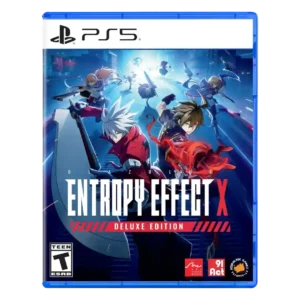
Quest design has limited positive evidence, especially for character-specific unlock quests described as genuinely cool.
Pros: movement feel, skill tree depth
Cons: menu usability, HUD clarity
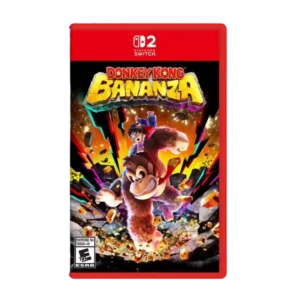
Quest design was praised where side quests kept layers busy and consistently rewarded players.
Pros: gameplay mechanics, world interactivity
Cons: economy and resource balance, enemy variety
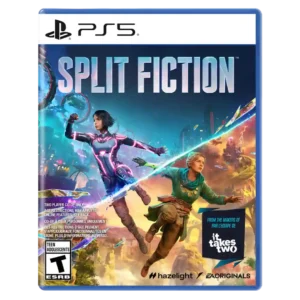
Side-story quests were considered worthwhile and rewarding to find.
Pros: puzzle design, level design
Cons: exploration quality, side character depth
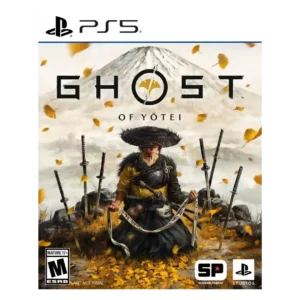
Quest design is a major strength in many reviews thanks to memorable tales, bounties, organic side stories, and worthwhile rewards, though Eurogamer sharply dislikes the formulaic sidequests.
Pros: movement feel, environmental detail
Cons: puzzle design, age appropriateness
Side quests were a major strength across reviews, often called intriguing, imaginative, and high quality, though one reviewer found some boring, rushed, or uneven.
Pros: accessibility options, protagonist appeal
Cons: frame rate stability, polish
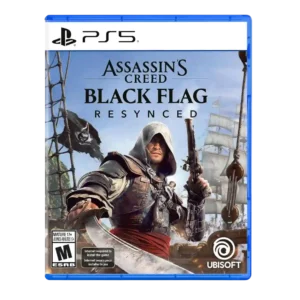
Quest design impressions are positive, centered on new officer quests and added side content that reviewers found exciting.
Pros: core gameplay loop, visual effects quality
Cons: monetization fairness, microtransaction impact
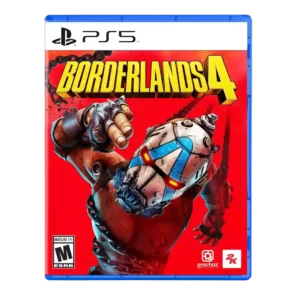
Quest design trends positive, especially side quests, though one review’s praise contrasts with broader concerns about main-story pacing.
Pros: sandbox freedom, art direction
Cons: polish, save system reliability
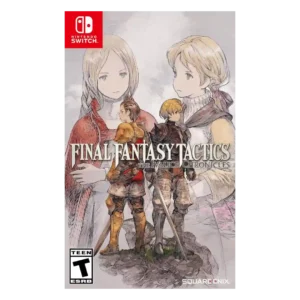
Quest design benefited from clearer markers and destination guidance that made older side content easier to follow.
Pros: emotional impact, polish
Cons: bug frequency, crash stability
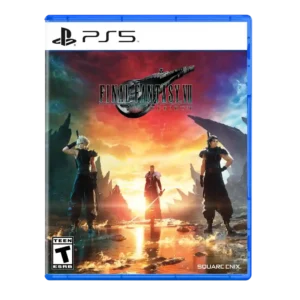
Side quests are generally viewed positively when they deepen party relationships or world context, though some reviewers call out filler, repetition, or isolated dull tasks.
Pros: world-building, art direction
Cons: mission design, stealth mechanics
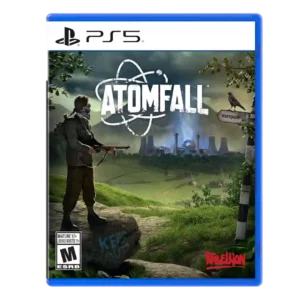
The leads and quest structure were a standout for many reviewers because it encouraged investigation and choice, though others found some objectives basic or unclear.
Pros: art direction, frame rate stability
Cons: boss design, camera behavior
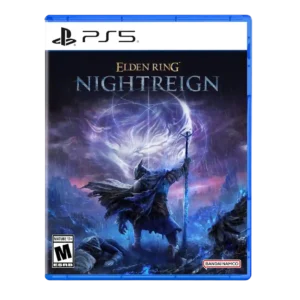
Quest design received praise for Remembrance objectives that gave runs extra goals and meaningful character rewards.
Pros: emotional impact, visual effects quality
Cons: crash stability, cross-play support
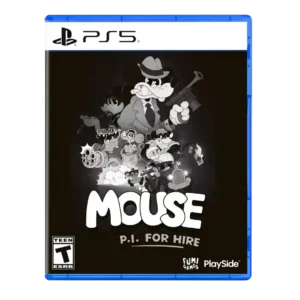
Side jobs fit naturally into Mouseburg and rarely feel tedious, but they are usually small collection tasks rather than substantial stories or challenges.
Pros: lore depth, user interface design
Cons: AI behavior, aiming precision
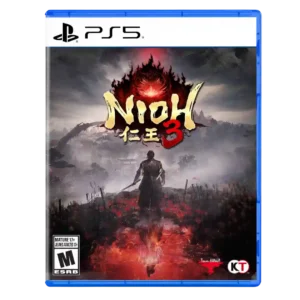
Side quests were viewed favorably in the cited review because Myths were spaced out rather than overwhelming the map.
Pros: pacing, visual effects quality
Cons: tutorial quality, character roster
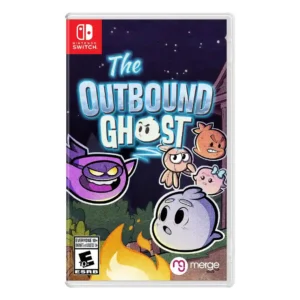
The focused main path avoids traditional side-quest clutter, but the absence of meaningful optional quests can also make the world feel empty.
Pros: progression system, onboarding experience
Cons: mission design, mission variety
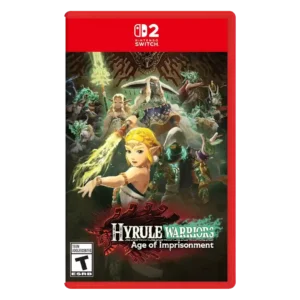
Quest design was mixed, with useful rewards and side stories offset by repetitive or hollow side objectives.
Pros: animation quality, multiplayer design
Cons: save system reliability, companion AI
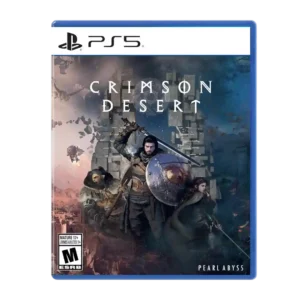
Reviewer evidence is positive: quest design was generally praised, though some notes were more qualified across 4 review(s).
Pros: level design, replay value
Cons: stealth mechanics, save system reliability
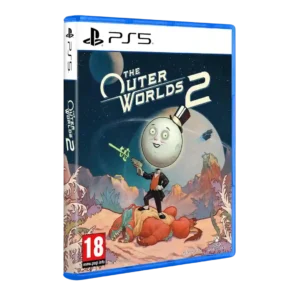
Quest design was split: several reviewers loved the branching checks and side content, while others saw busywork or inconsequential side quests.
Pros: world-building, mission design
Cons: mission variety, enemy variety
The best quests are large, interconnected, and open to several solutions. A smaller number feel unclear, abrupt, or more convergent than their apparent choices suggest.
Pros: level design, world interactivity
Cons: performance optimization, menu usability
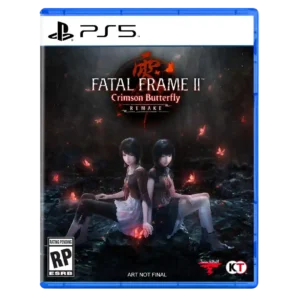
Side stories can deepen the village and its spirits in rewarding ways, although a few players find the quest-like structure artificial or poorly integrated.
Pros: writing quality, checkpoint system
Cons: bug frequency, HUD clarity
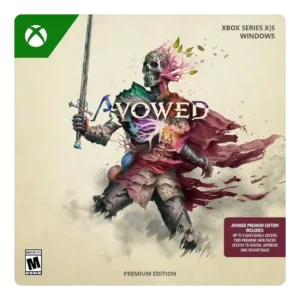
Quest design ranged from excellent side stories and meaningful follow-ups to fetchy, inconsistent, or repetitive tasks.
Pros: tutorial quality, level design
Cons: stealth mechanics, endgame content
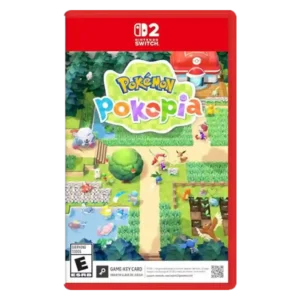
Quest design ranged from rewarding app-based goals to occasional chaotic quest completion and unclear sequencing.
Pros: protagonist appeal, faithfulness to franchise
Cons: map and navigation design, aiming precision
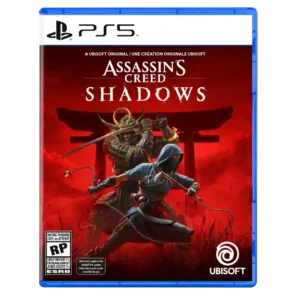
Quest design is divisive, with praise for investigative discovery but criticism that the broader structure can become a bounty-board routine.
Pros: environmental detail, cross-save support
Cons: writing quality, enemy variety
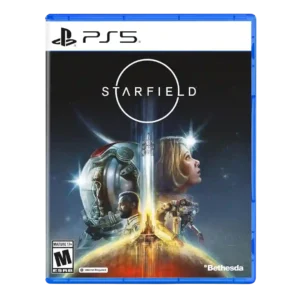
Side quests and faction quests are among the most praised parts, even when the main story disappoints.
Pros: puzzle design, sound design
Cons: accessibility options, AI behavior
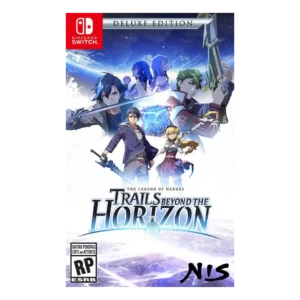
Quest design was divisive: some reviewers praised side quest writing, discussion topics, and bonding events, while others called quests boring or filler.
Pros: facial animations, polish
Cons: grind level, stealth mechanics
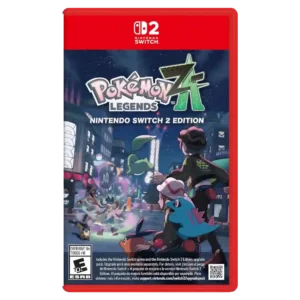
Quest design was mixed: many reviewers liked silly or worthwhile side quests, while others found battle and fetch quests basic or uneven.
Pros: crash stability, gameplay mechanics
Cons: AI behavior, monetization fairness
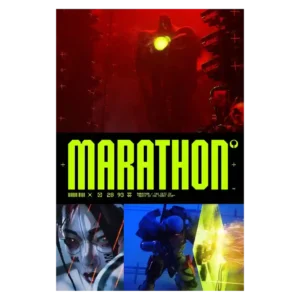
Questing gives the extraction loop direction and steady progression, yet the structure can be restrictive and grindy. Fetch-style objectives, poor signposting, and one-at-a-time progression are common pain points.
Pros: world interactivity, voice acting
Cons: menu usability, HUD clarity
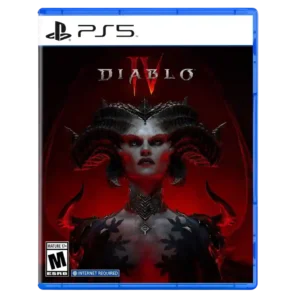
Quest evidence was split between strong praise for rewarding side content and complaints that some side quests were mundane or one-dimensional.
Pros: lore depth, art direction
Cons: mission variety, protagonist appeal
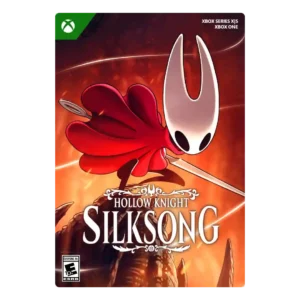
Quest design is split: some reviewers like wishes and missions as structure, while others criticize boring or grindy fetch quests.
Pros: core gameplay loop, world interactivity
Cons: loot system, accessibility options
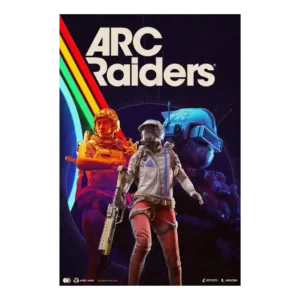
Quest design was mixed: some quests guide players well, while others were vague, uneven, or narratively unexciting.
Pros: frame rate stability, platform-specific feature support
Cons: voice acting, writing quality
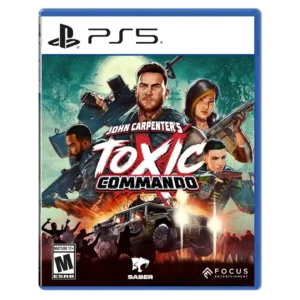
Side objectives can make scavenging useful and occasionally fun, but one review specifically wants more compelling side quests and meaningful optional goals.
Pros: gameplay mechanics, boss design
Cons: age appropriateness, family friendliness
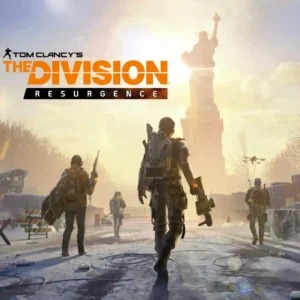
Some side objectives receive useful narrative context, while others feel mundane or tonally out of place.
Pros: exploration quality, sandbox freedom
Cons: mission variety, companion AI
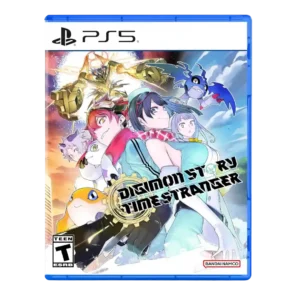
Quest design split reviewers, with optionality and occasional stronger quests helping, but many side quests were still described as routine or unexciting.
Pros: atmosphere, world-building
Cons: HUD clarity, fast travel convenience
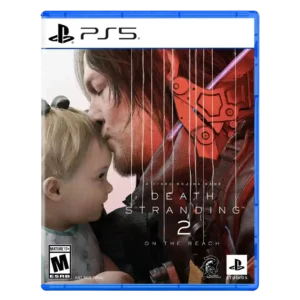
Fetch-style questing remains a pain point for one reviewer, who found ferrying boxes back and forth exhausting.
Pros: animation quality, facial animations
Cons: quest design, AI behavior
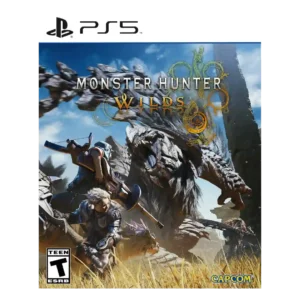
Quest design was mixed to negative, with story quests and high-rank goals criticized despite on-the-fly questing being praised elsewhere.
Pros: art direction, cross-play support
Cons: dialogue quality, monetization fairness
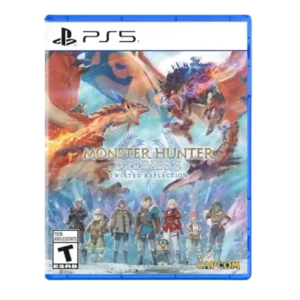
Standard sidequests were consistently considered basic, forgettable or tedious, even when companion quests were better liked.
Pros: art direction, environmental detail
Cons: multiplayer design, accessibility options
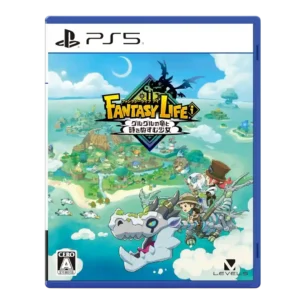
Questing is mixed: reviewers like the low-pressure structure, but criticize busywork and quantity-over-quality objectives.
Pros: load times, crash stability
Cons: originality, voice acting
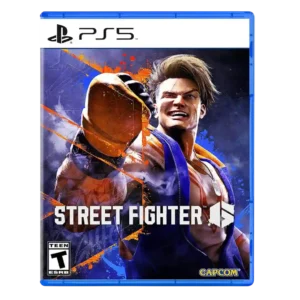
Quest design drew criticism when missions required backtracking and became tedious despite some memorable character interactions.
Pros: movement feel, art direction
Cons: platforming precision, writing quality
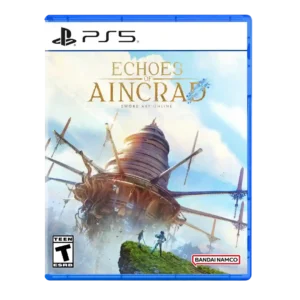
Quest design was uncertain to negative: one reviewer wanted to see more variety, while another disliked the repeated one-quest warp structure.
Pros: environmental detail, art direction
Cons: world interactivity, loot system
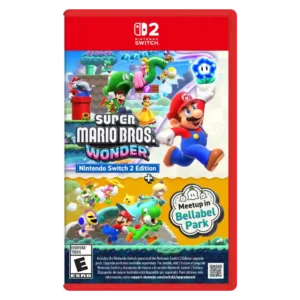
The short Koopaling tracking storyline is criticized as dull, suggesting the quest structure adds less excitement than the battles it leads to.
Pros: controls responsiveness, voice acting
Cons: matchmaking quality, user interface design
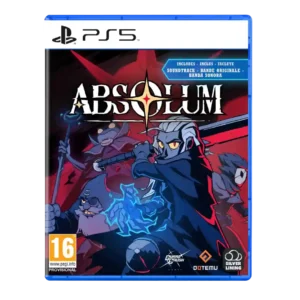
Quest design was divisive, with some side-quest gating and RNG requirements described as tedious.
Pros: mission design, world interactivity
Cons: quest design, endgame content