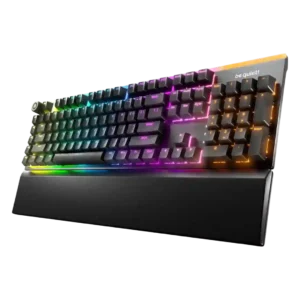
Switch options are viewed positively because linear and tactile choices cover preferences, though options remain narrower than enthusiast boards.
Pros: ease of switch replacement, acoustics
Cons: rapid trigger support, analog input support
Switch options are viewed positively because linear and tactile choices cover preferences, though options remain narrower than enthusiast boards.
Pros: ease of switch replacement, acoustics
Cons: rapid trigger support, analog input support
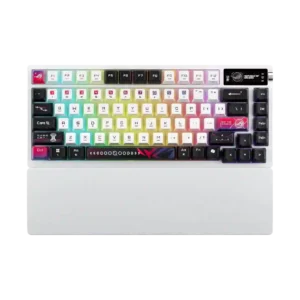
Switch choice received limited but positive coverage, with reviewers noting the option between tactile/clicky and smooth linear ROG NX V2 switches.
Pros: latency, wireless performance
Cons: rapid trigger support, analog input support
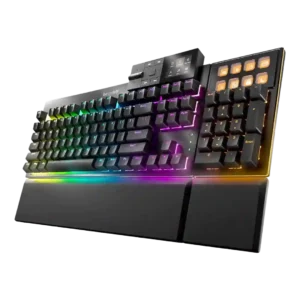
Switch choice was seen as adequate but somewhat limited: reviewers liked the silent linear and tactile options, while one wanted a wider default selection.
Pros: key stability, per-key lighting control
Cons: analog input support, wireless performance
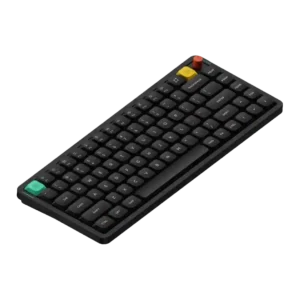
Switch choice was mixed: reviewers appreciated having linear, tactile, and silent options, but several found the lineup limited or less adventurous than before.
Pros: key responsiveness, typing feel
Cons: per-key lighting control, legend visibility
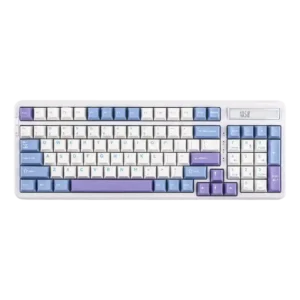
Stock switch variety was a recurring limitation: reviewers noted the board mainly offers two similar linear choices, even though one review liked both options.
Pros: ease of switch replacement, typing feel
Cons: key spacing, layout options
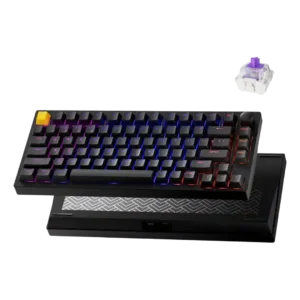
Switch options were mixed to negative: some magnetic variants are supported, but reviewers repeatedly criticized the limited compatible-switch ecosystem.
Pros: frame rigidity, stabilizer quality
Cons: per-key lighting control, RGB customization
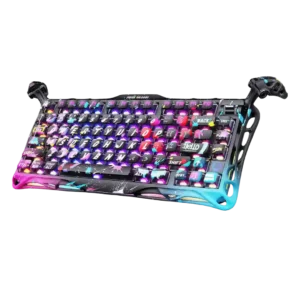
Switch choice was a limitation: reviewers noted Hall-effect switches are restricted to linears and wished for more stock options.
Pros: legend visibility, key responsiveness
Cons: connectivity, cable quality
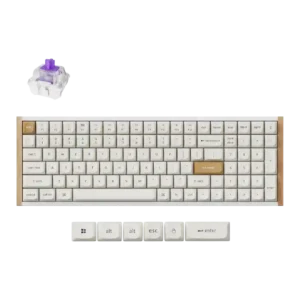
Switch options were a repeated weakness because reviewers emphasized limited compatibility with specific magnetic double-rail switches.
Pros: durability, rapid trigger support
Cons: per-key lighting control, stabilizer quality
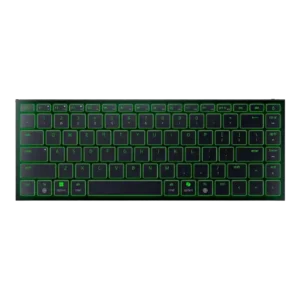
Switch options were a limitation because the Joro is not mechanical, which reviewers said may deter buyers who want that feel.
Pros: frame rigidity, size and form factor
Cons: sound dampening, per-key lighting control
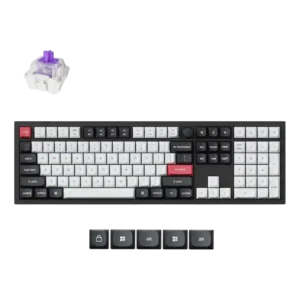
Switch options were the clearest customization weakness because reviewers repeatedly criticized the limited Hall Effect switch compatibility.
Pros: key stability, frame rigidity
Cons: portability, switch options
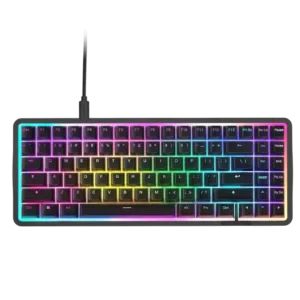
Switch options were a notable limitation because reviewers repeatedly said compatibility is narrow or proprietary.
Pros: latency, acoustics
Cons: passthrough features, wireless performance
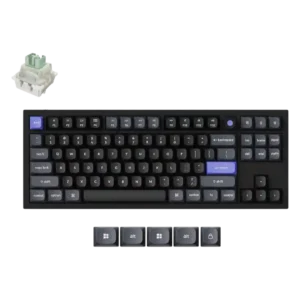
Switch choice is the biggest hardware flexibility weakness because compatibility is limited to Keychron’s own magnetic switch.
Pros: key responsiveness, polling rate
Cons: switch options, portability
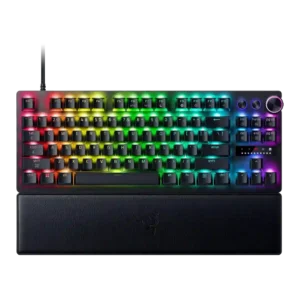
Switch choice was a weakness: reviewers noted proprietary or non-swappable switch limitations, making the board less flexible for users who prefer changing switch types.
Pros: key responsiveness, actuation consistency
Cons: switch options, hot-swappable switches
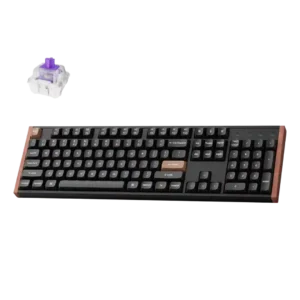
Switch options were limited in one review because the compatible switches were described as proprietary and only available from Keychron.
Pros: wireless performance, key responsiveness
Cons: switch options, desk space efficiency