Best for Noise isolation (passive)
SONY WH-1000XM6 Headphones
4.9 feature score
Highest scored product for this feature based on supporting review evidence.
Highest scored product for this feature based on supporting review evidence.
Balances feature score, supporting reviews, and overall product strength.
Has the broadest review evidence for this feature.
Strongest overall product among items with scored evidence for this feature.
Showing Over-Ear Headphones only. Switch back to all Headphones & Earbuds anytime.
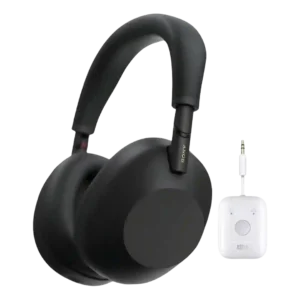
Passive isolation was a major strength in lab and hands-on impressions, helping the headphones block substantial noise even before ANC.
Pros: Smart Pause performance, Award recognition
Cons: Cable quality, USB-C
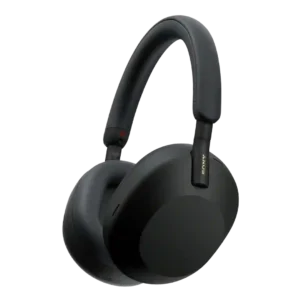
Passive isolation was strong where reviewers noted improved physical blocking and seal-based attenuation.
Pros: Sound leakage, Noise isolation (passive)
Cons: Water/sweat resistance rating, Hinge durability
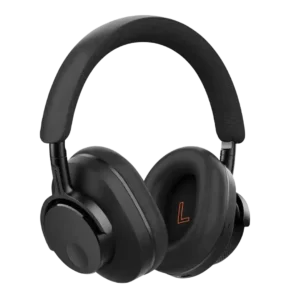
Passive noise isolation is a notable strength, with reviewers praising how much noise is blocked before ANC.
Pros: Codec support, aptX
Cons: LDAC, Water/sweat resistance rating
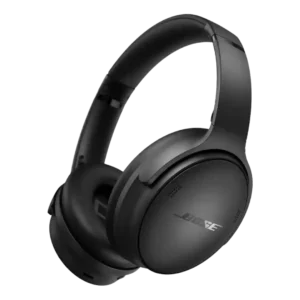
Passive isolation was strong thanks to fit and seal, which reviewers said helped noise isolation and ANC performance.
Pros: Multipoint connectivity reliability, Software/setup simplicity
Cons: LE Audio readiness, Smart Pause performance
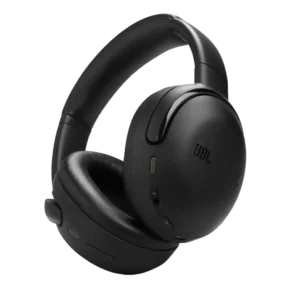
Passive isolation was praised as impressive and helpful even before active noise cancellation was enabled.
Pros: Immersive audio quality, ANC background noise level
Cons: Replaceable pads/headband, Replaceable earpads
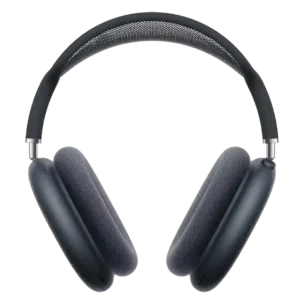
Passive isolation from the earcups helped ANC and was praised where fit fully enclosed the ears.
Pros: Button control usability, Design and Aesthetics
Cons: Water/sweat resistance rating, Included accessories
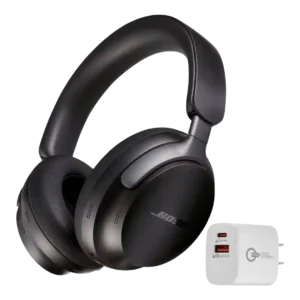
Reviewers treated noise isolation (passive) as a standout strength, with praise repeated across the supporting review evidence.
Pros: Volume output, Active noise cancellation
Cons: Water/sweat resistance rating, USB-C
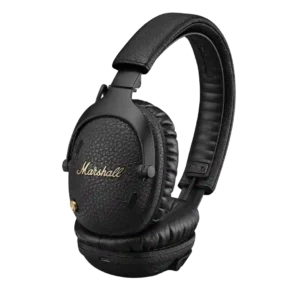
Passive isolation was praised for the soft cushions and seal, which helped block noise even before ANC was considered.
Pros: Volume output, Multipoint connectivity reliability
Cons: Water/sweat resistance rating, Codec support
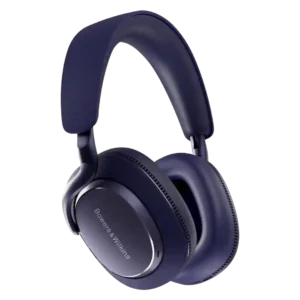
Passive isolation benefits from an easy seal and contributes meaningfully to noise reduction.
Pros: Frequency response accuracy, Multipoint connectivity reliability
Cons: LDAC, Wear detection performance

Passive isolation was helped by a strong seal and was explicitly called excellent in one lab-style review.
Pros: Smart Pause performance, Wear detection performance
Cons: Water/sweat resistance rating, Wind noise handling
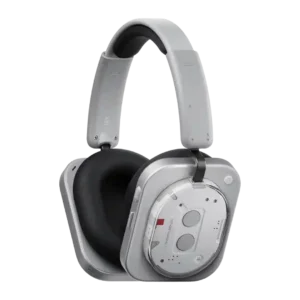
Passive isolation was a clear strength, with the ear pads and seal repeatedly helping noise reduction even before ANC.
Pros: Smart Pause performance, App
Cons: Wear detection performance, Wear detection auto-pause
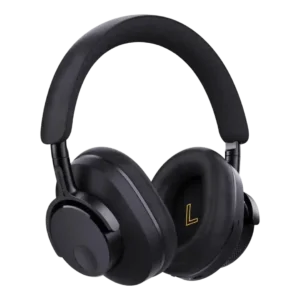
Passive isolation was viewed positively, with reviewers saying the fit and earcups blocked or reduced outside sound effectively even before ANC.
Pros: Award recognition, Battery
Cons: Water/sweat resistance rating, Touch control responsiveness
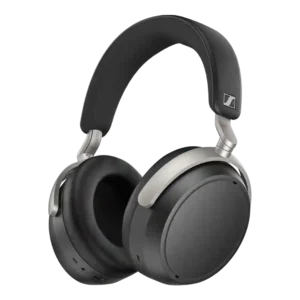
Passive isolation benefits from the deeper pads and seal, although heat retention and fit sensitivity can affect results.
Pros: Instrument separation, Charging
Cons: Xbox compatibility, Water/sweat resistance rating
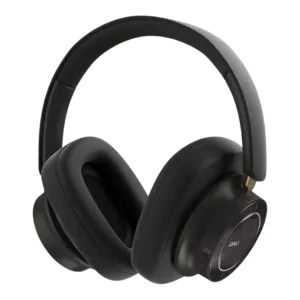
Passive isolation benefited from the large earcups and fit, helping reduce outside noise before ANC.
Pros: ANC effect on sound signature, Maximum volume clarity
Cons: Equalizer customization, Advanced software features
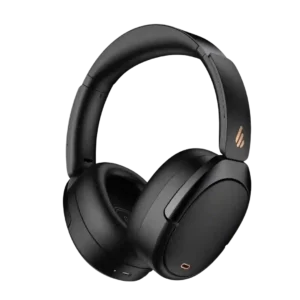
Passive isolation was praised through the protein-leather seal's ability to reduce outside noise.
Pros: Instrument separation, USB-C
Cons: Button control usability, Maximum volume clarity
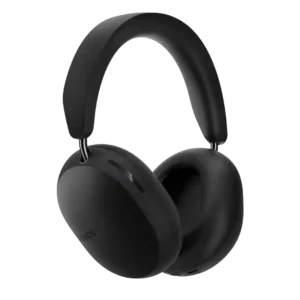
Passive isolation had limited but positive evidence, with one review praising sound isolation even before ANC.
Pros: Weight comfort, Ear cup swivel/rotation range
Cons: Cable quality, ANC sound impact on audio
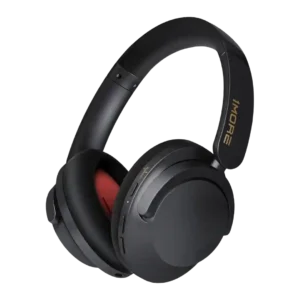
Passive isolation was considered good, helped by the over-ear cushions and fit, adding useful natural noise blocking before ANC.
Pros: Sound leakage, Battery
Cons: Sustainability and repairability, Auto on/off reliability
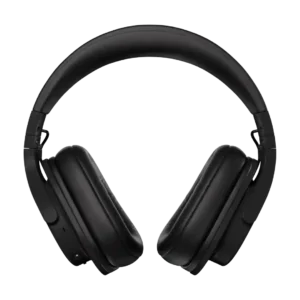
Passive isolation was considered substantial enough to reduce everyday noise, though not a full ANC substitute.
Pros: Audio-video sync accuracy, Clamping force comfort
Cons: Transparency mode quality, Sustainability and repairability
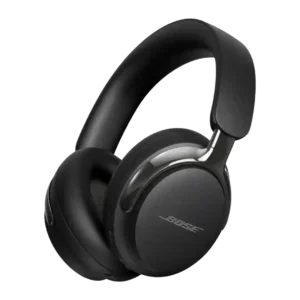
Passive isolation is considered useful and fairly good, but one reviewer notes the foam is not the thickest.
Pros: Award recognition, ANC sound impact on audio
Cons: Water/sweat resistance rating, LE Audio readiness
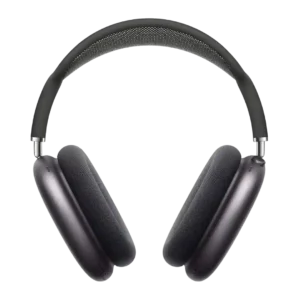
Passive isolation was mixed, with some reviewers praising the seal and others finding it weaker than expected for certain head shapes.
Pros: Hinge durability, Ecosystem integration
Cons: aptX, LDAC
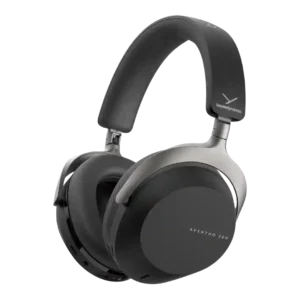
Passive isolation receives modestly positive evidence, helped by fit, but one review still notes ambient sound passing through.
Pros: Battery, Volume output
Cons: Preset EQ profile quality, Weight comfort
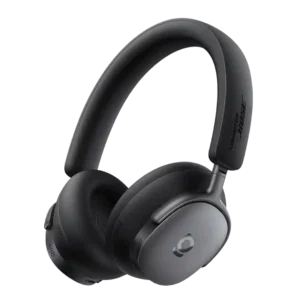
Passive isolation was mixed: several reviewers credited the seal for blocking sound, while one found almost no passive isolation.
Pros: Maximum volume clarity, Headband adjustability
Cons: Cable quality, Smart Pause performance
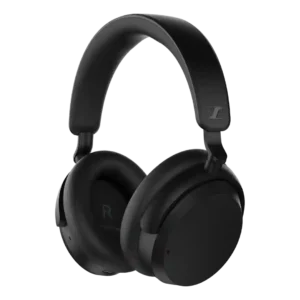
Passive isolation benefited from the cup design and padding, with reviewers noting a decent seal and meaningful physical noise blockage.
Pros: Audio-video sync accuracy, Software/setup simplicity
Cons: Water/sweat resistance rating, 3.5mm analog input availability
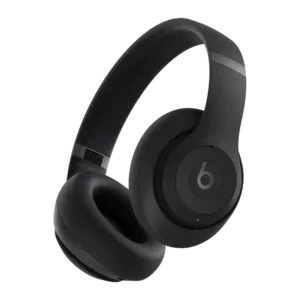
Passive isolation depended heavily on fit and seal, helping some listeners while causing performance drops for others.
Pros: Audio-video sync accuracy, Android compatibility
Cons: Water/sweat resistance rating, Auto-play/wear detection
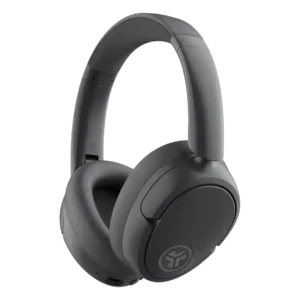
Passive isolation is context-dependent: some praised the earcup seal, while TechGearLab found passive cancellation poor.
Pros: Multipoint connectivity reliability, Battery
Cons: Water/sweat resistance rating, Transparency mode quality
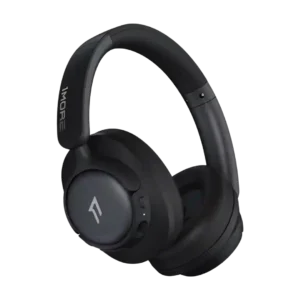
Passive isolation was decent overall, but one reviewer noted an imperfect seal while another praised low leakage and passive isolation.
Pros: Battery, ANC sound impact on audio
Cons: 3.5mm analog input availability, Treble clarity
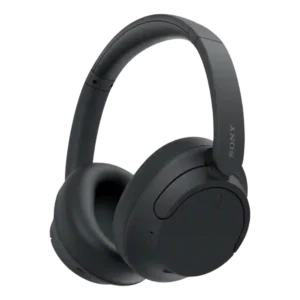
Passive isolation was adequate rather than exceptional, helped by padding but weaker than better-padded premium alternatives.
Pros: Weight comfort, Charging
Cons: Water/sweat resistance rating, Wear detection performance

Passive isolation has limited positive evidence, described only as decent in one source.
Pros: Audio-video sync accuracy, Battery
Cons: Carry case quality, Maximum volume clarity
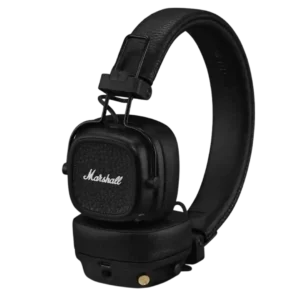
Passive isolation was mixed: the pads muffled some office chatter and ambient sound, but on-ear fit still let plenty through.
Pros: Ear cup swivel/rotation range, Multi-platform compatibility
Cons: aptX, Water/sweat resistance rating
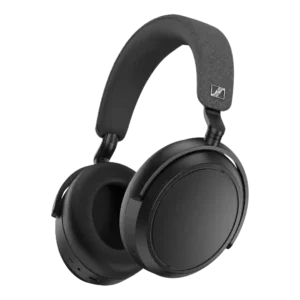
Passive isolation was a weakness, with reviewers saying the Momentum 4 let in more ambient sound than competitors or had weaker isolation than the prior model.
Pros: Award recognition, Battery
Cons: Water/sweat resistance rating, LDAC
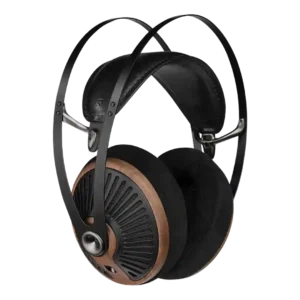
Passive isolation was considered weak or reduced, which reviewers framed as expected for an open-back design.
Pros: Sustainability and repairability, Replaceable pads/headband
Cons: Noise isolation (passive), Travel friendliness
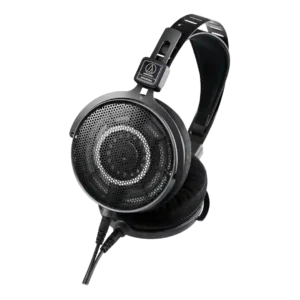
Passive isolation is limited by the open-back design, making the headphones unsuitable for recording or noisy environments despite one reviewer finding outside sounds not too distracting.
Pros: Software/setup simplicity, Weight comfort
Cons: Travel friendliness, Sound leakage
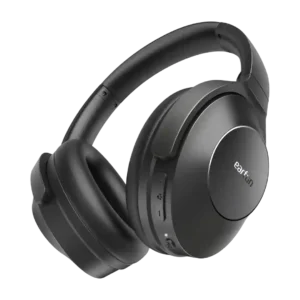
Passive isolation received weak evidence from PCMag, which said the headphones did not isolate external sound well.
Pros: Stability, Bluetooth
Cons: Smudge resistance, Smart Pause performance